
Olana from the Southwest — History & Facts
Could beauty survive in a century of chaos? This lingering question whispers through the vivid landscapes rendered by an artist who sought to capture the sublime. Focus first on the sweeping expanse of the horizon, where a vibrant sky meets the rolling hills. Notice how the golden sunlight bathes the land, illuminating the verdant foliage and casting intricate shadows. The composition draws your eye to the foreground, where delicate textures blend seamlessly with bold brushstrokes, revealing a harmonious interplay of natural elements.
The interplay of warm and cool colors underscores an emotional depth, inviting viewers to linger in the tranquil moment. Within this landscape lies a profound juxtaposition: the serene beauty of Olana, seemingly untouched by human hands, set against the backdrop of an era marked by industrial upheaval and environmental change. The lush, green hills stand in stark contrast to the encroaching shadows of modernity, reflecting a yearning for solace in nature. Small details, such as the wisps of clouds or the distant figures, evoke a sense of nostalgia, allowing viewers to feel both the comfort and the fragility of this idyllic scene. In 1872, the artist captured this serene landscape during a period when the American art scene was flourishing, particularly with the Hudson River School's focus on celebrating the majesty of nature.
As Church painted Olana from the Southwest, he was deeply connected to the land itself, having meticulously designed his estate in New York to harmonize with its surroundings. This artwork reflects not only his technical mastery but also his profound sense of responsibility to represent beauty amid a changing world.
More Artworks by Frederic Edwin Church
Browse all →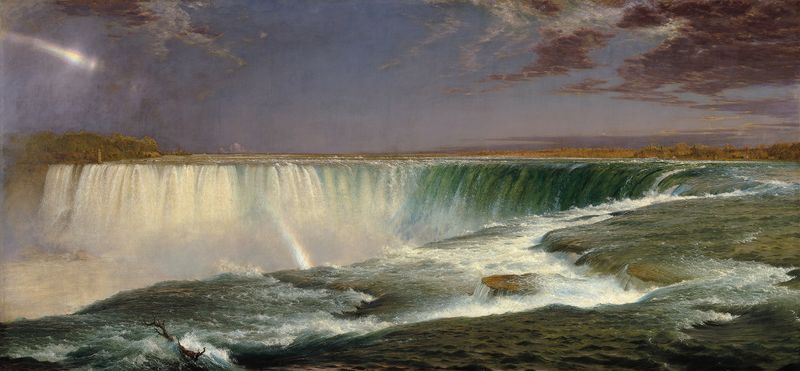
Niagara
Frederic Edwin Church
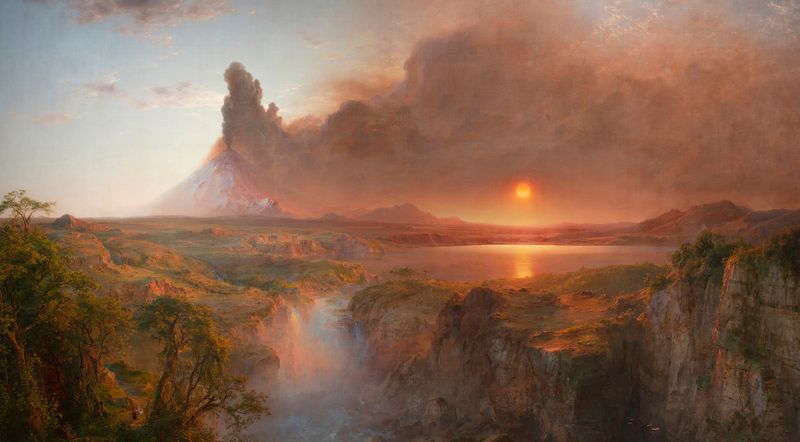
Cotopaxi
Frederic Edwin Church
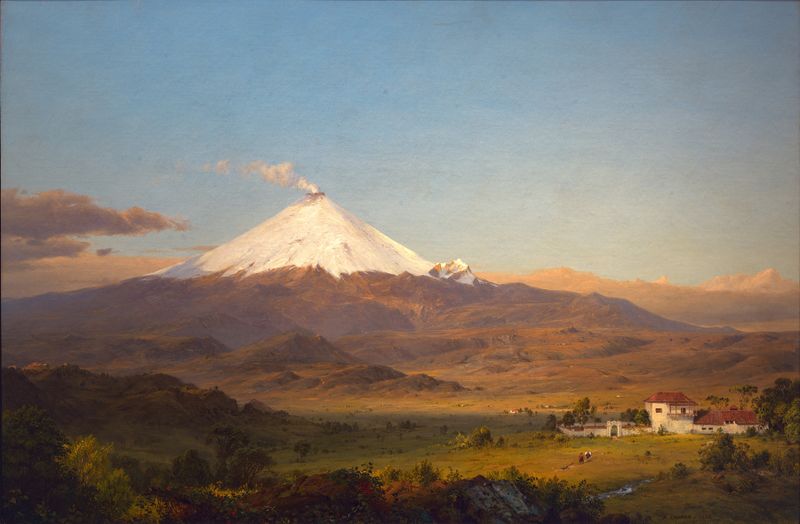
Cotopaxi
Frederic Edwin Church
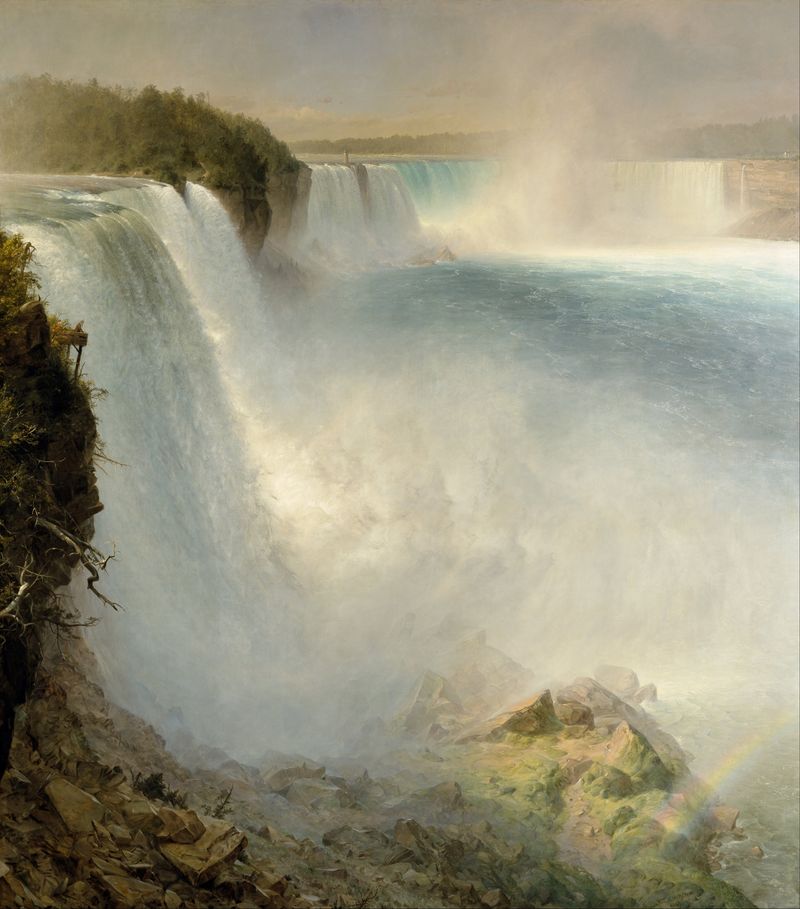
Niagara Falls, from the American Side
Frederic Edwin Church
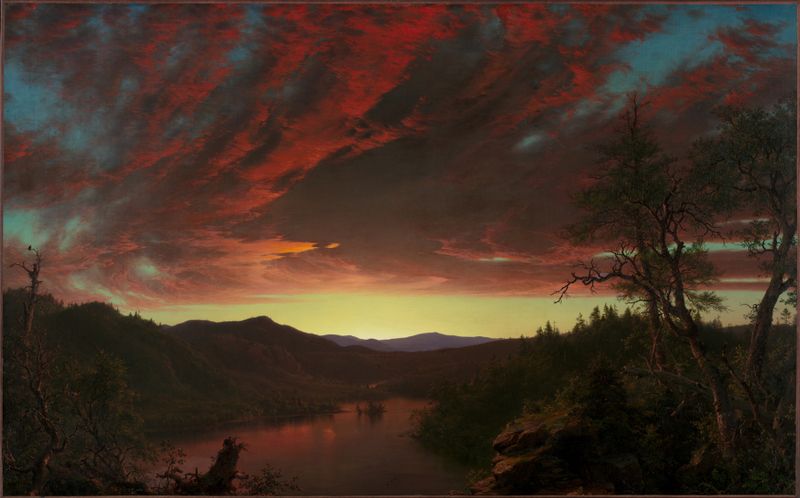
Twilight in the Wilderness
Frederic Edwin Church
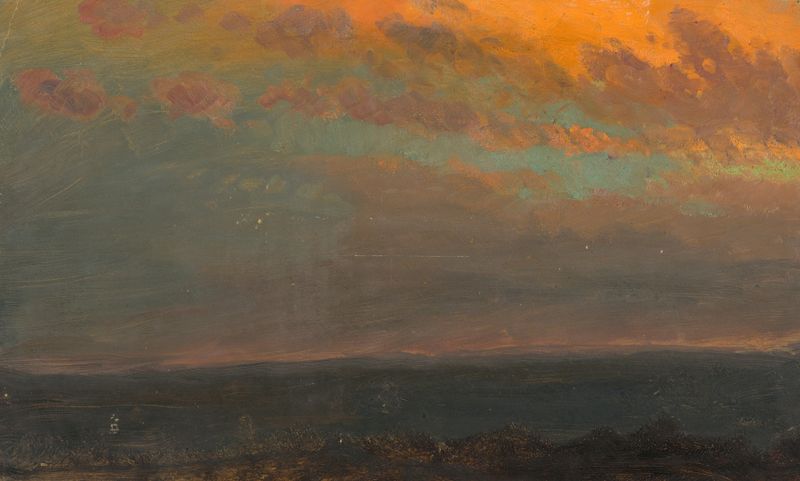
Hudson Valley at Sunset
Frederic Edwin Church
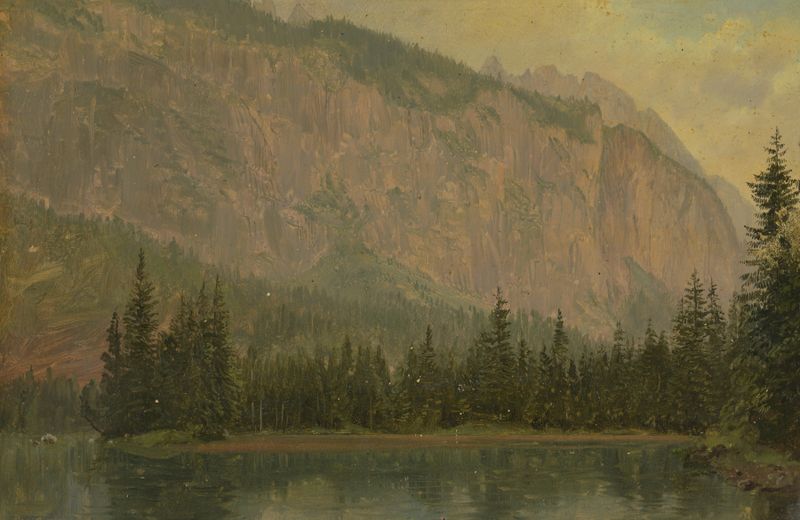
The Hintersee, near Berchtesgaden, Bavaria
Frederic Edwin Church
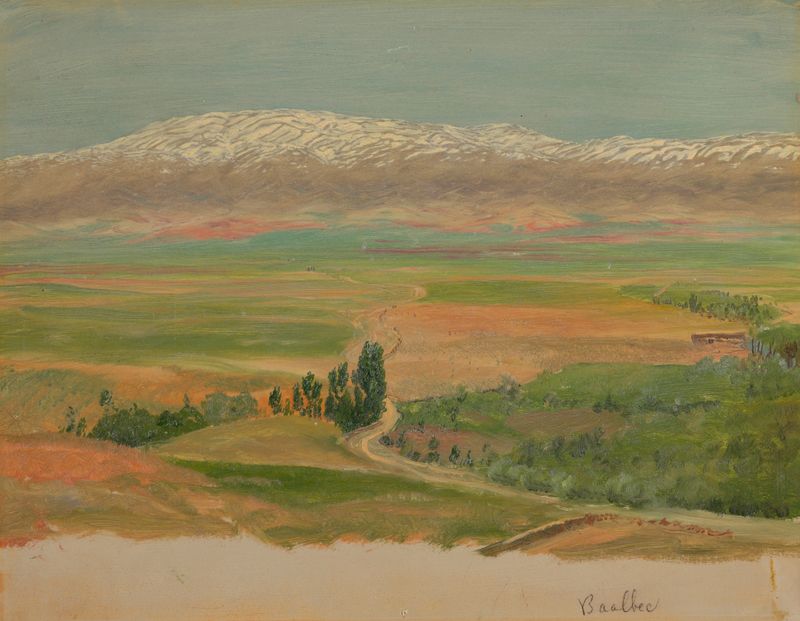
Mountains near Baalbec
Frederic Edwin Church
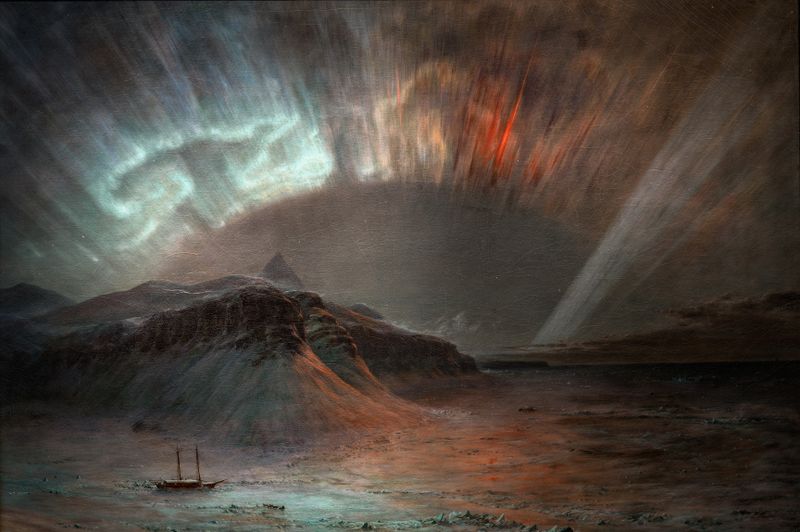
Aurora Borealis
Frederic Edwin Church
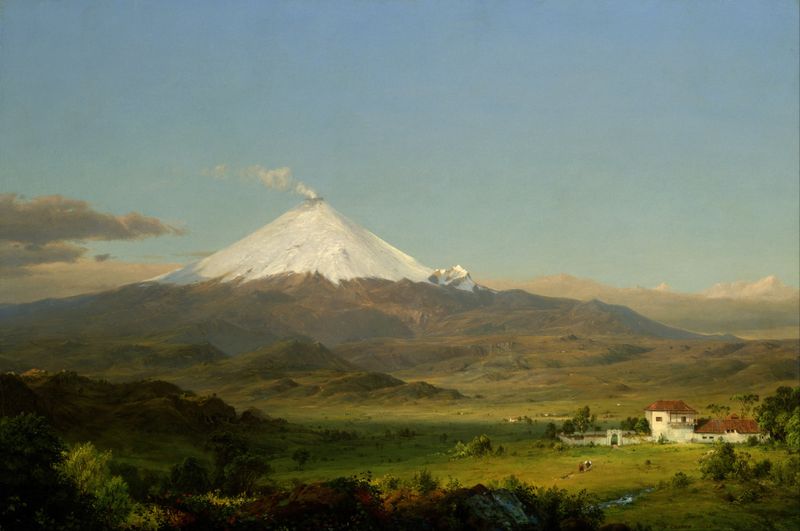
Cotopaxi
Frederic Edwin Church





