
Old Age Solitude — History & Facts
The hush of this room is almost audible: a pair of elders, side by side yet worlds apart, occupy the heart of Old Age Solitude. The light, slanting in from a small window, falls gently on the white hair and weathered hands of the man, who leans forward with a book—perhaps a Bible, perhaps a family record—while the woman sits upright, her gaze steady, her hands folded before her. The table between them is sturdy and worn, its surface bearing a kettle and a simple bowl, tokens of daily ritual.
Above, a gilded empty frame hangs askew, hinting at absence or memory, while painted panels on the wall tell their own faded stories. Every object seems chosen to speak of endurance, habit, and the quiet dignity of age. Painted in 1849, Old Age Solitude belongs to a moment in Northern European art when scenes of rural domestic life were prized for their honesty and detail. Artists like Adolph Tidemand found in such interiors a way to honor the rhythms and resilience of ordinary people, at a time when industrialization was beginning to reshape society.
Works like this were often intended for a growing middle class, eager to see their values—family, piety, perseverance—reflected on the walls of their homes. Now held by the National Museum of Art, Architecture and Design, this painting invites us to linger, to trace the lines of time in the faces and furnishings, and to imagine the stories that echo in the stillness.
More Artworks by Adolph Tidemand

Bridal Procession on the Hardangerfjord
Adolph Tidemand
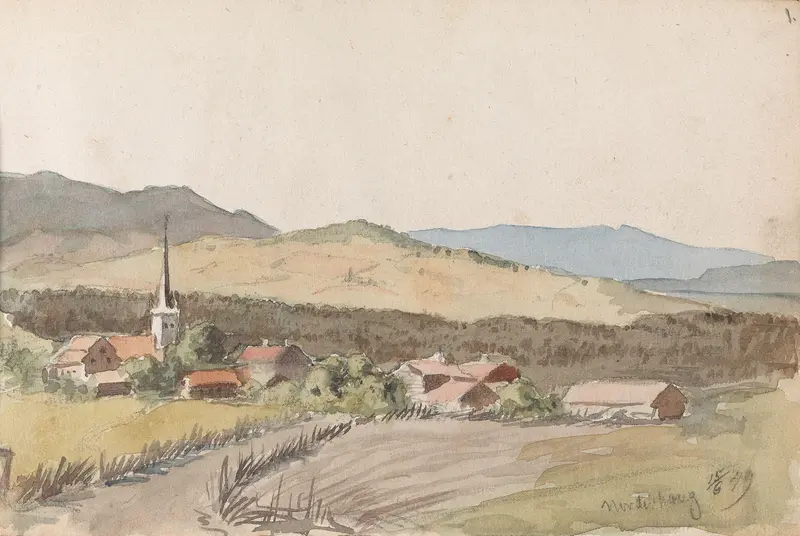
Fra Haugsbygd
Adolph Tidemand
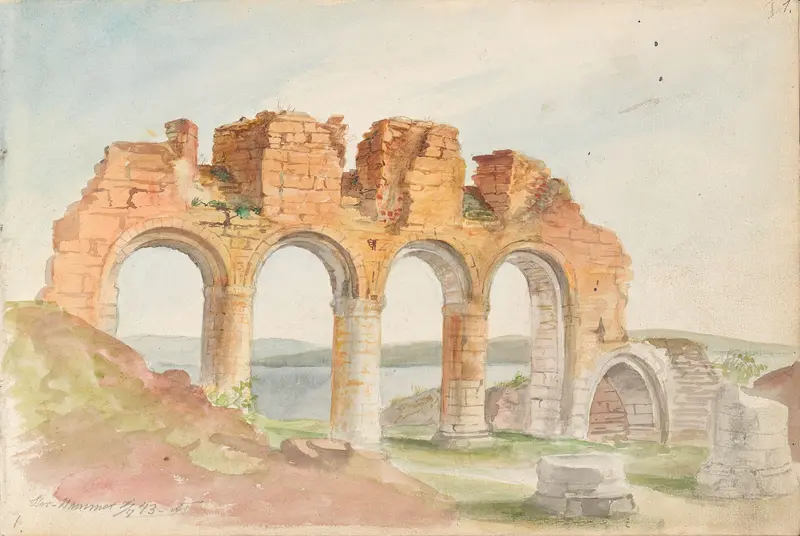
Domkirkeruinen, Hamar
Adolph Tidemand
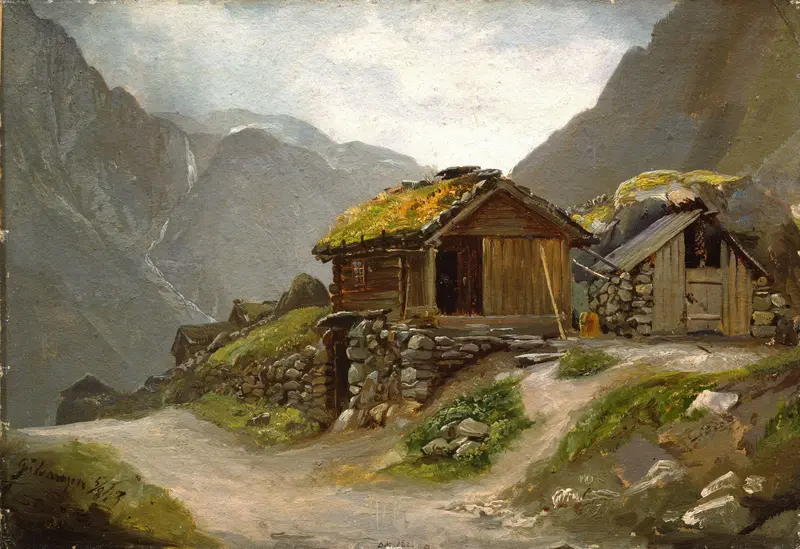
View from Gudvangen
Adolph Tidemand
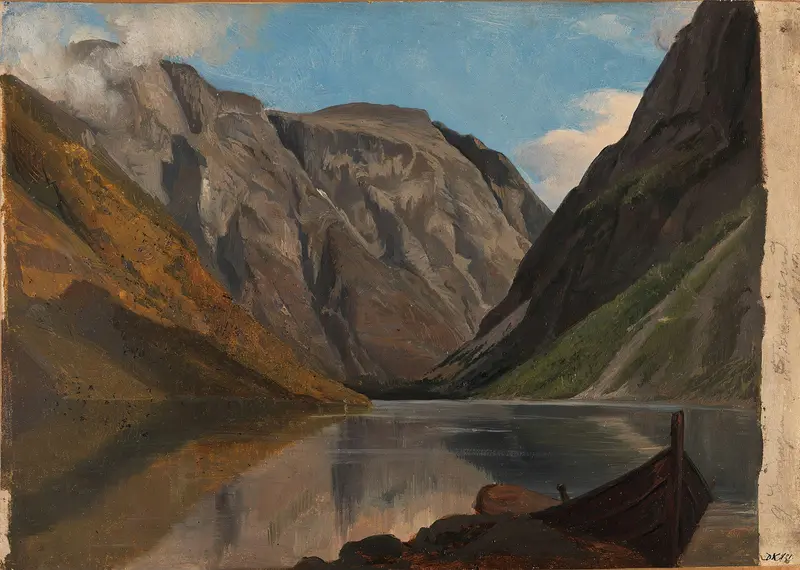
View of Gudvangen
Adolph Tidemand
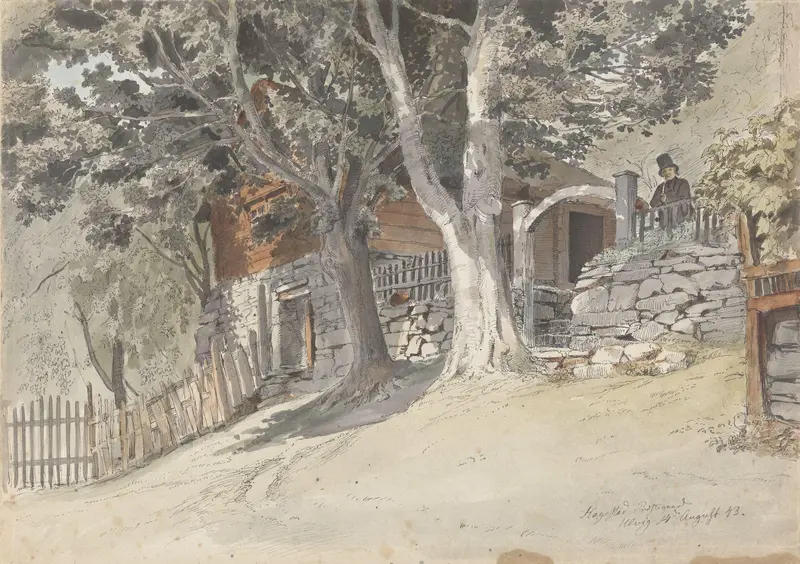
Hagestad prestegård, Ulvik i Hardanger
Adolph Tidemand
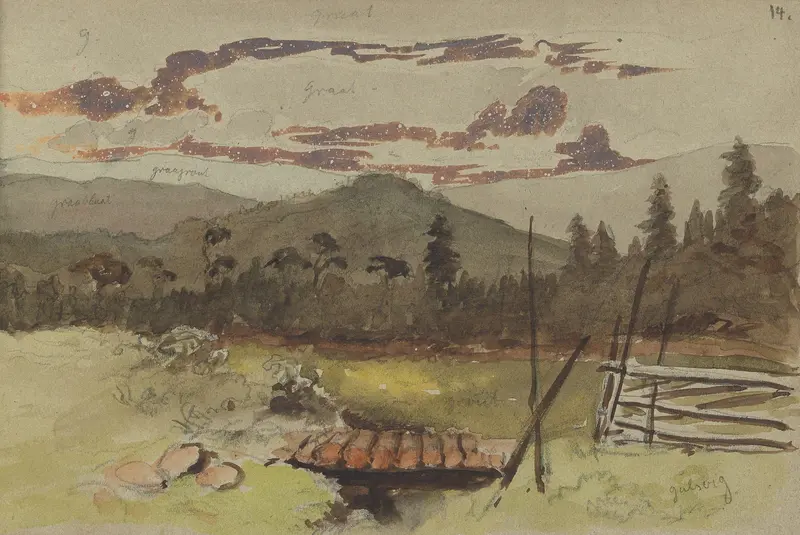
Fra Gulsvik
Adolph Tidemand
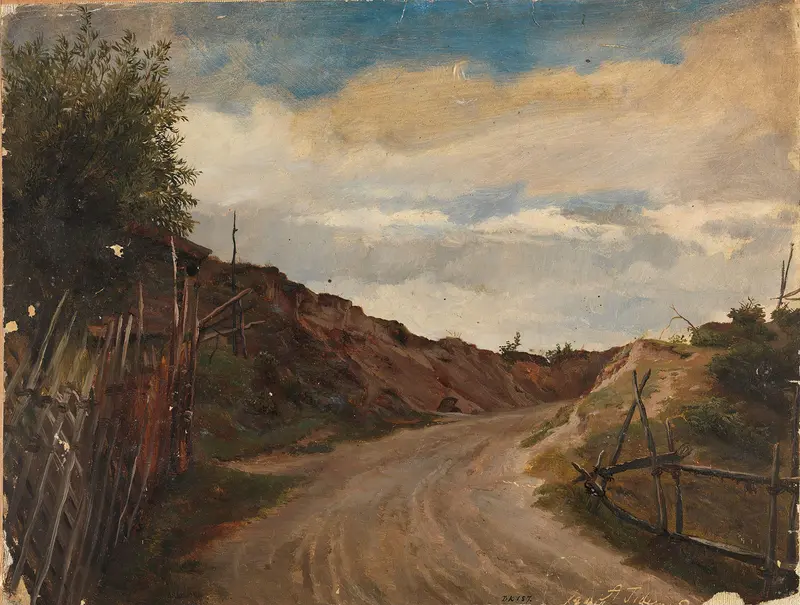
Country Road
Adolph Tidemand
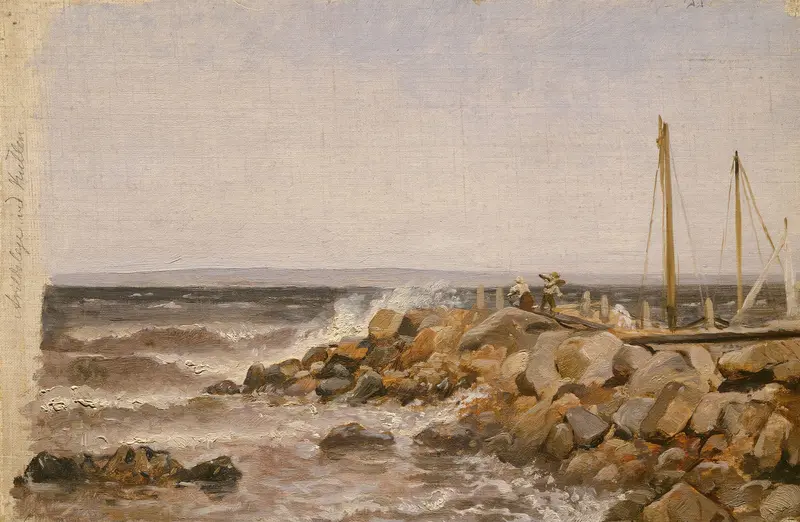
From Kullen in Sweden
Adolph Tidemand
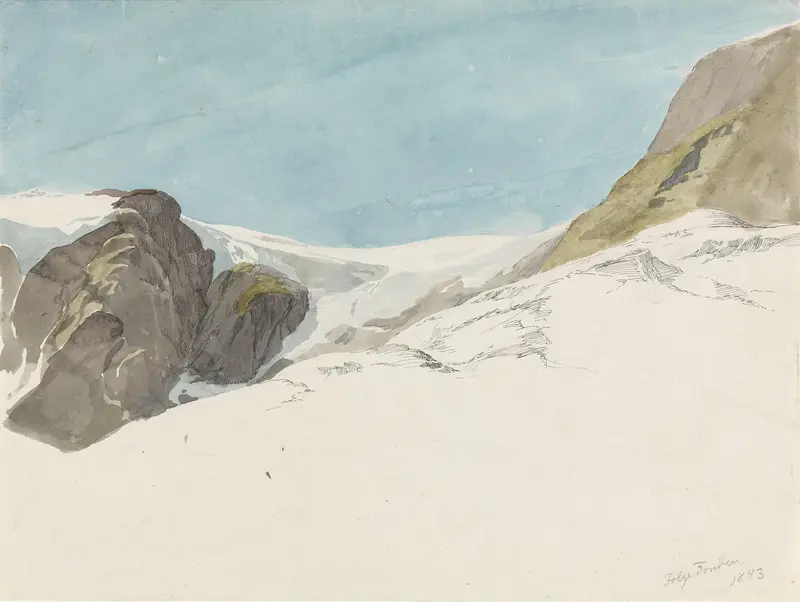
Untitled
Adolph Tidemand
More Genre Scene Art

Banquet of the Officers of the St George Civic Guard
Frans Hals

Rembrandt and Saskia in the Scene of the Prodigal Son
Rembrandt van Rijn

Bal du moulin de la Galette
Pierre-Auguste Renoir

Quadrille at the Moulin Rouge
Henri de Toulouse-Lautrec

A Burial at Ornans
Gustave Courbet

When Will You Marry?
Paul Gauguin