
Old Bridge at Shrewsbury — History & Facts
When did color learn to lie? In the quiet embrace of an English landscape, the hues of the sky seem to twist and turn, blurring the boundary between reality and imagination. Focus on the interplay of light and shadow in Old Bridge at Shrewsbury. Notice how the gentle ripples of the river reflect the soft pinks and blues of the sky, creating a dreamlike quality. The bridge, an elegantly arched structure, stands proudly to the left, its warm tones contrasting with the cool serenity of the water.
The trees, lush and verdant, frame the scene, their vibrant greens pulsating with life against the muted backdrop of a fading day. Yet, within this pastoral beauty lies an unsettling tension. The bridge, sturdy and imposing, hints at the fragility of nature; it is simultaneously a reminder of human intrusion in this idyllic setting. The chaotic brushwork in the sky suggests an impending storm, inviting a sense of madness beneath the surface calm.
Each element holds a duality, challenging perceptions of peace and turmoil, of reality and illusion. In 1772, Paul Sandby painted Old Bridge at Shrewsbury during a transformative period in British art, as the landscape genre began to flourish. At this time, Sandby was establishing himself as a prominent figure, often recognized for his contributions to watercolor techniques. The work reflects both his mastery of the medium and the burgeoning Romantic spirit that sought to encapsulate nature’s beauty while acknowledging its tumultuous undercurrents.
More Artworks by Paul Sandby
Browse all →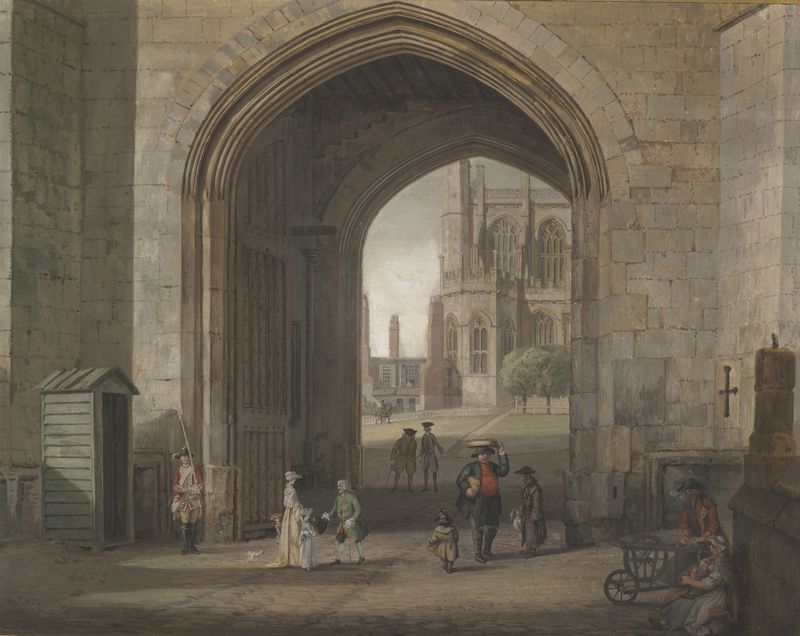
The Tower Gate at Windsor Castle
Paul Sandby

A Distant View of Maidstone, from Lower Bell Inn, Boxley Hill
Paul Sandby
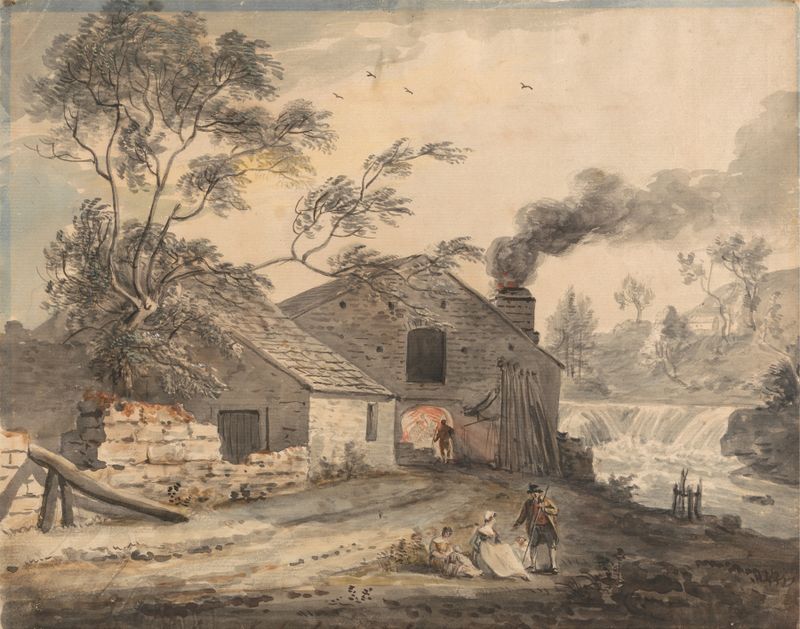
Iron Forge on the River Kent, Westmorland
Paul Sandby
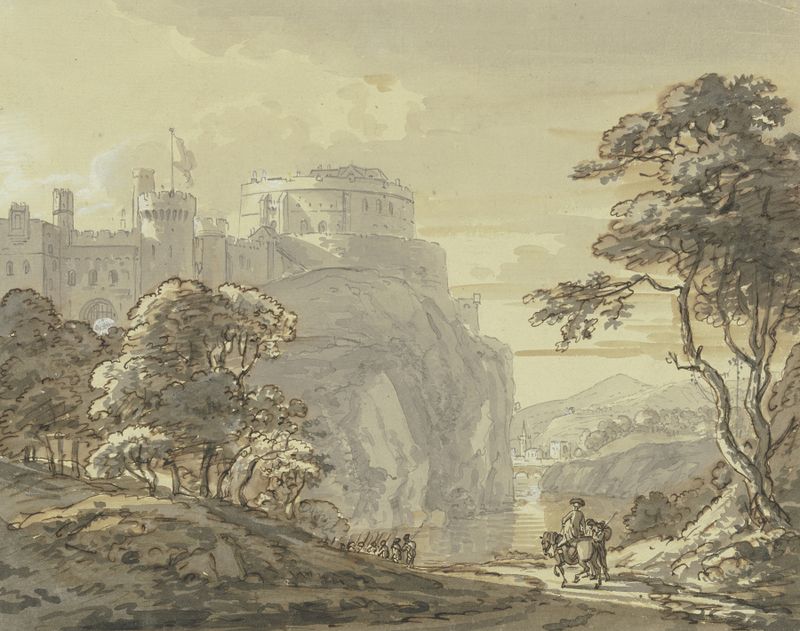
View of Windsor Castle
Paul Sandby

Hackwood Park, Hampshire
Paul Sandby

Roslin Castle, Midlothian
Paul Sandby
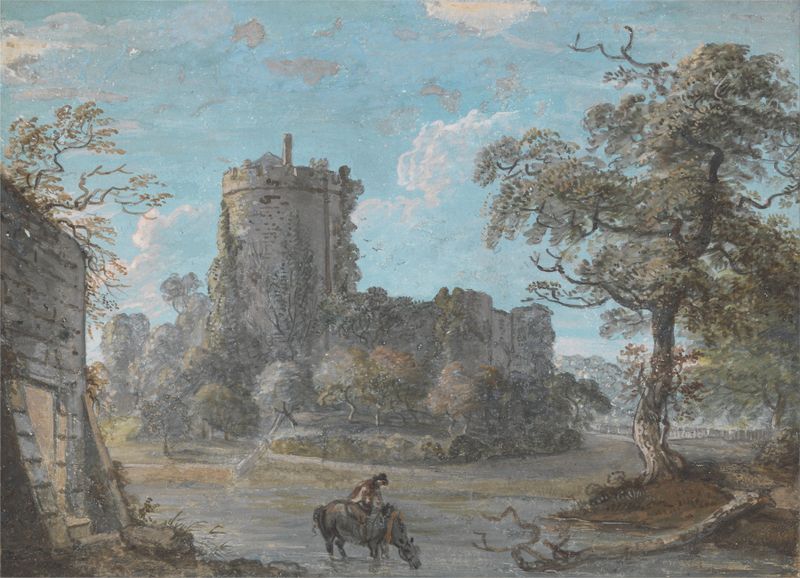
The Entrance to Chepstow Castle
Paul Sandby
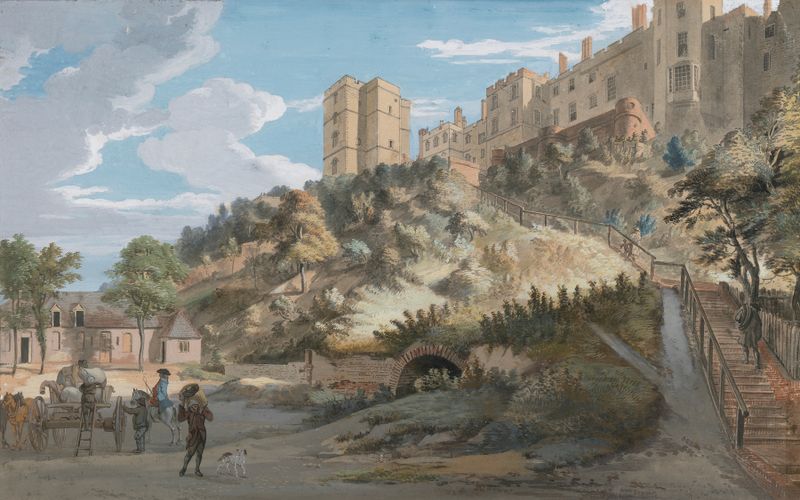
The Hundred Steps and Winchester Tower, Windsor Castle, Berkshire
Paul Sandby

Brook End, Essex
Paul Sandby
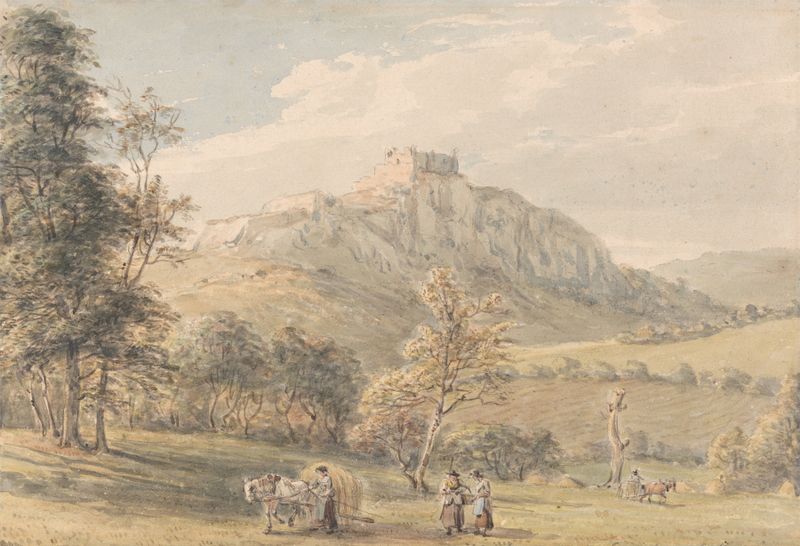
Carreg Cennen Castle
Paul Sandby





