
Old Castle — History & Facts
This assertion invites us to ponder the intricate dance of fate and artistry within the realm of creation. What forces guide a painter's hand as they breathe life into their vision, transmuting the tumult of existence into something profound? Look to the center of the canvas first, where the aged stone of the castle looms, a testament to time and resilience. Notice the way the muted palette of ochres and deep greens reflects both decay and vitality, coaxing a narrative from the viewer's imagination.
The textures are palpable; every brushstroke seems deliberate, a deliberate juxtaposition of light and shadow that draws the observer closer, inviting a deeper connection. In the foreground, vines intertwine with the castle walls, symbolizing nature's quiet reclamation, whispering tales of neglect and the passage of time. The distant mountains stand sentinel, their serenity contrasting the fortress's crumbling facade, hinting at the fragility of human endeavors when faced with nature's relentless march. This duality of strength and vulnerability speaks to a broader theme of destiny, suggesting that every structure, no matter how grand, is destined to fade. In 1933, Zolo Palugyay painted this piece during a tumultuous period marked by personal challenges and a shifting art world.
Residing in Hungary, he grappled with the socio-political landscape around him, which influenced his artistic expression. This work reflects his keen ability to capture not only the physical beauty of the old castle but also the emotional weight of history and its inescapable fate.
More Artworks by Zolo Palugyay
Browse all →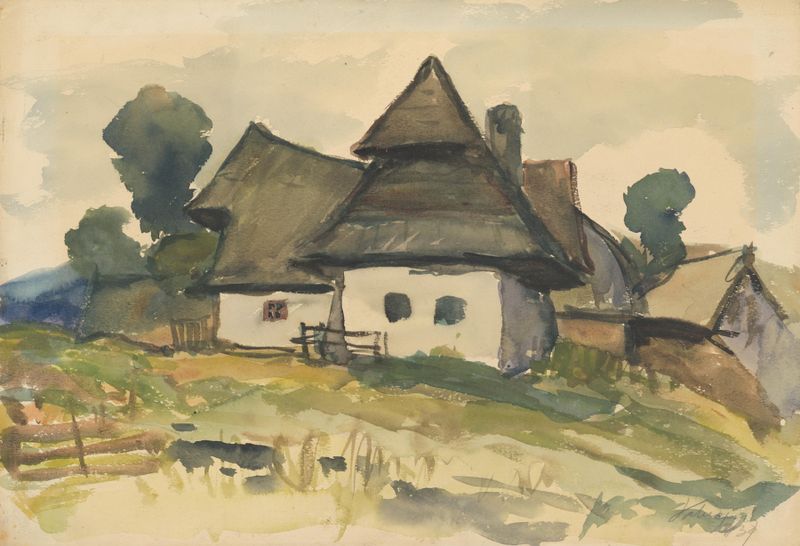
Dedinský motív
Zolo Palugyay
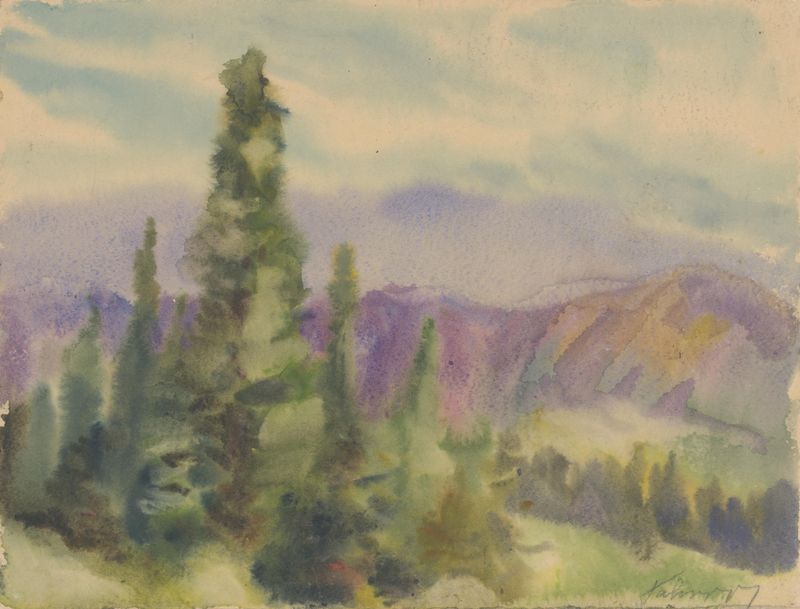
Motif from Liptov Mountains
Zolo Palugyay
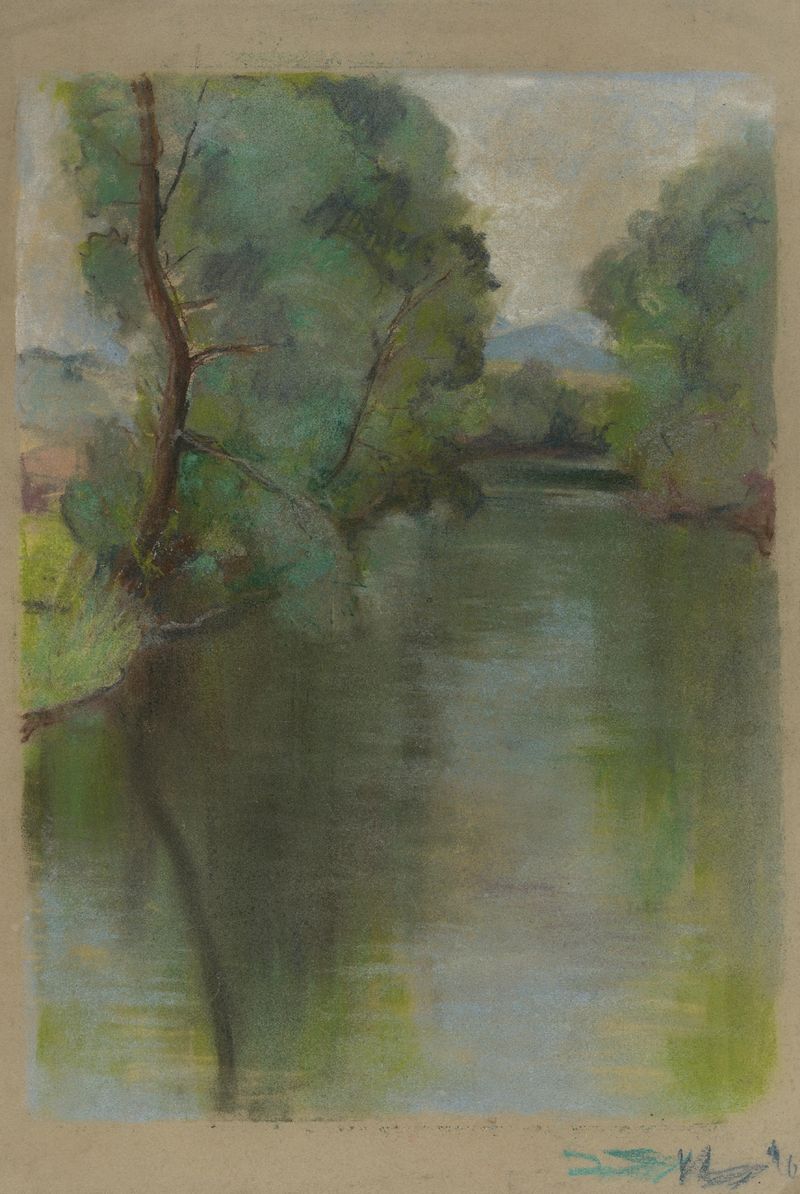
Silent River
Zolo Palugyay
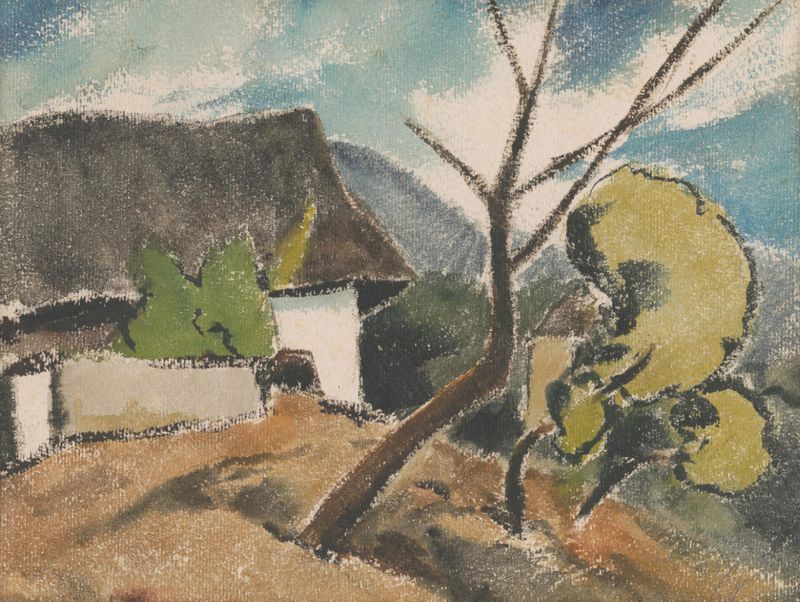
Oravská chalupa
Zolo Palugyay
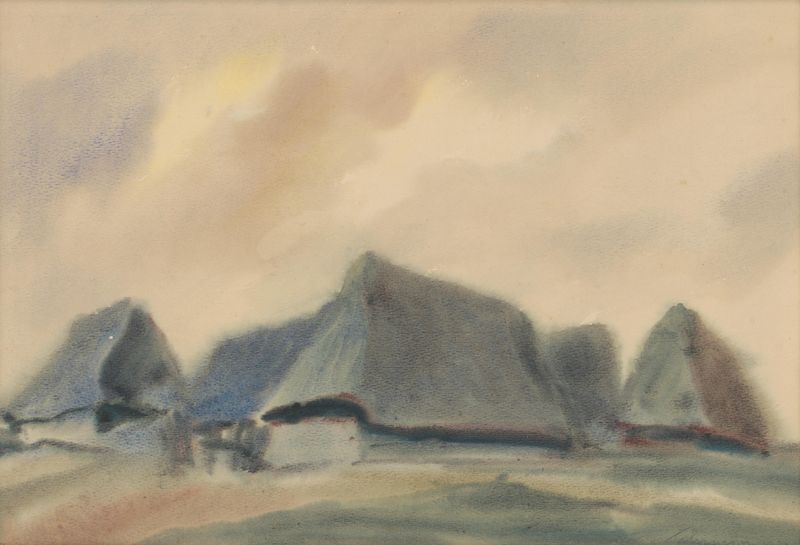
Modré chalupy
Zolo Palugyay
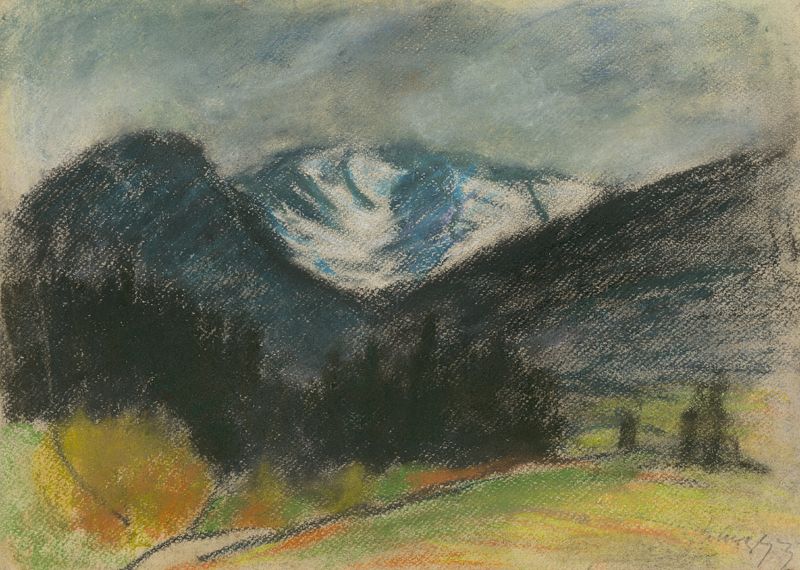
Mountain Landscape with Snowy Peaks
Zolo Palugyay
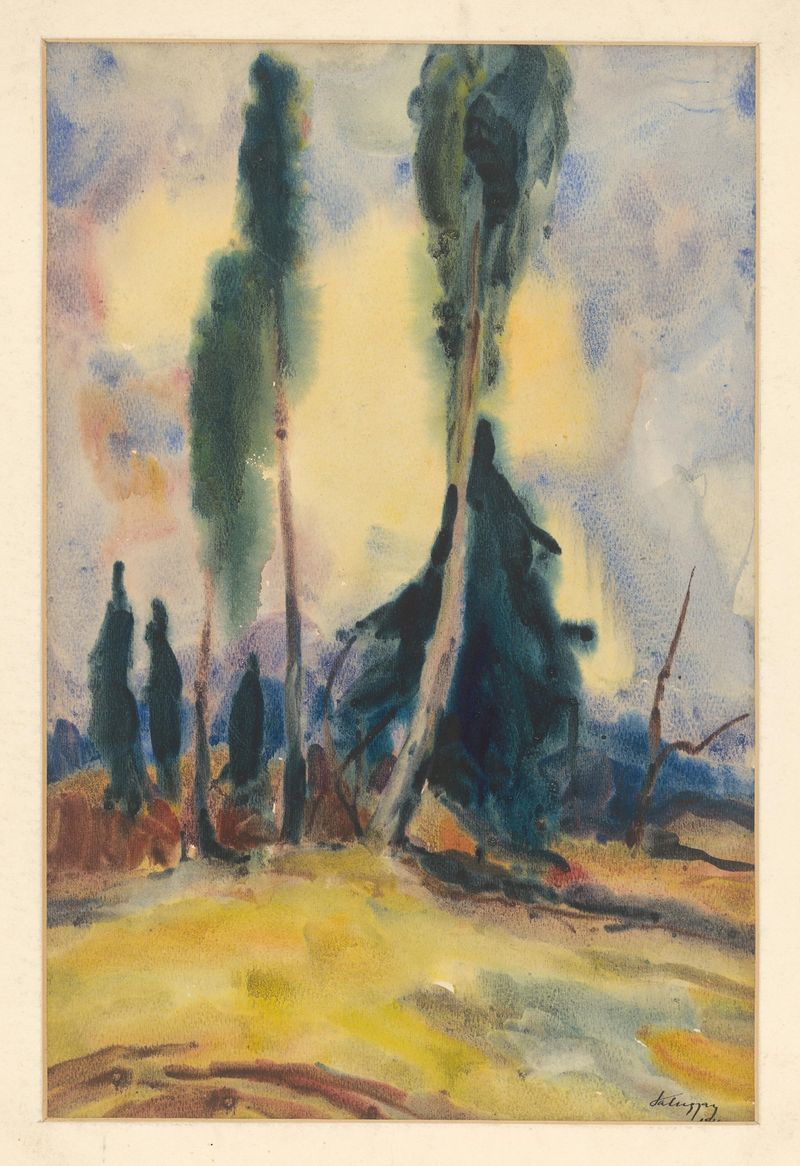
Three Trees on a Plain
Zolo Palugyay
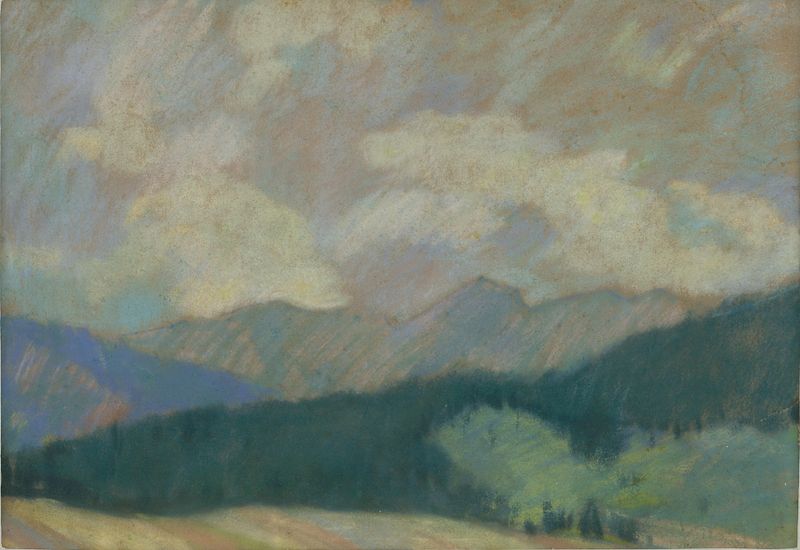
Horská krajina
Zolo Palugyay
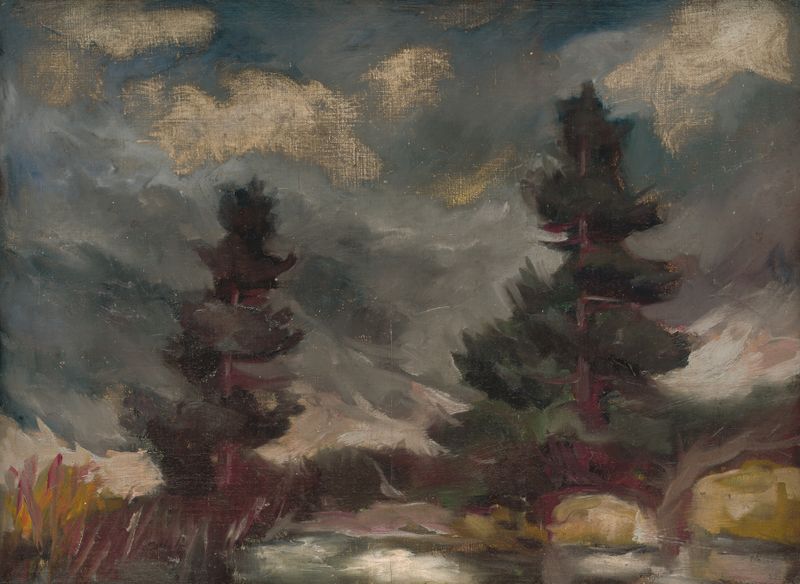
Tatra Landscape
Zolo Palugyay
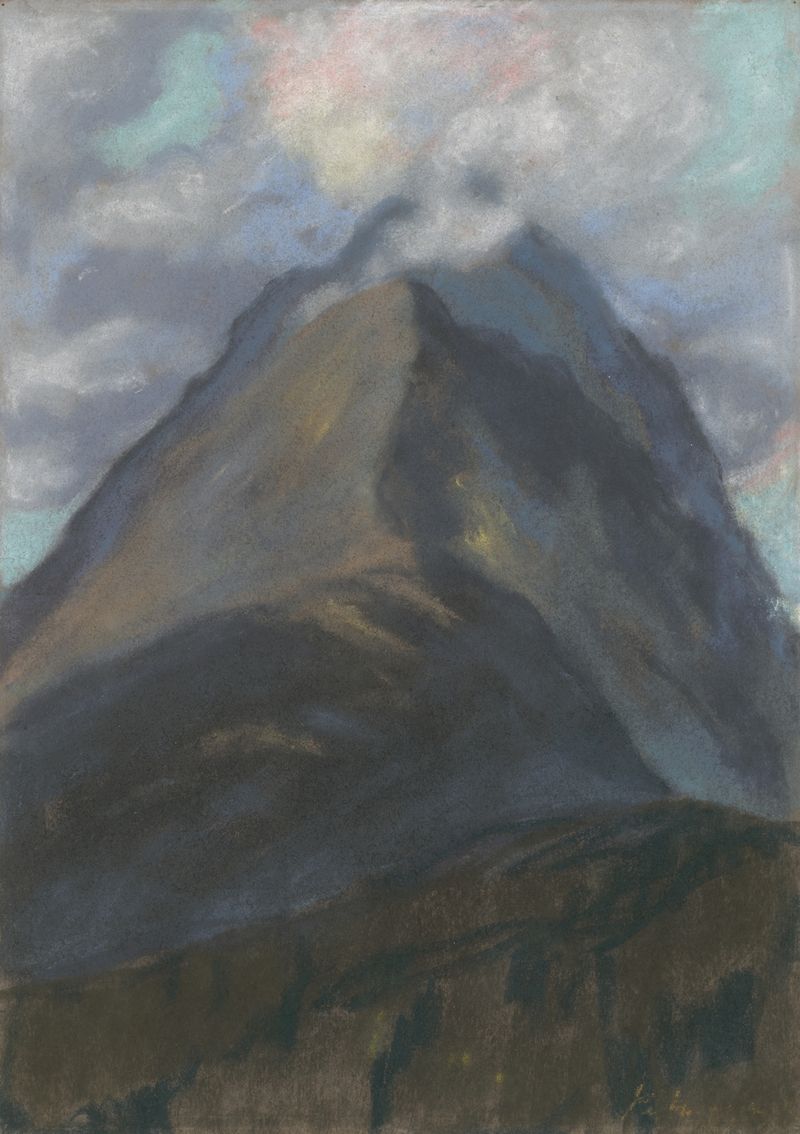
Spring Landscape
Zolo Palugyay
More Architecture Art
Browse all →
The statue of Liberty
Frédéric Auguste Bartholdi

View of Houses in Delft, Known as ‘The Little Street’
Johannes Vermeer

View of Houses in Delft, Known as ‘The Little Street’
Johannes Vermeer

The Cathedral in Rouen. The portal, Grey Weather
Claude Monet

The yellow house
Vincent van Gogh

The Church in Auvers-sur-Oise, View from the Chevet
Vincent van Gogh