
Old Court, Lincoln’s Inn — History & Facts
Could a single brushstroke hold eternity? In Old Court, Lincoln’s Inn, the canvas becomes a portal, inviting us to step into a moment where time seems suspended and revelations linger in the air like an unspoken promise. Focus on the delicate interplay of light and shadow as it dances across the historic architecture. Look to the left where the weathered stone walls, intricately detailed with the passage of time, create a striking contrast against the soft, ethereal glow of the early morning sun. The palette, dominated by muted earth tones, evokes a sense of nostalgia, while the precise strokes convey both the weight of history and a fleeting beauty that breathes life into the stillness. Hidden within this composition lies a meditation on memory and the passage of time.
The gnarled branches of a nearby tree, twisting like thoughts entwined with the past, suggest an underlying tension between permanence and transience. The absence of people, yet the palpable presence of their echoes, urges the viewer to consider who walked these paths before, and what stories the old stones could tell if they could speak. This intersection of solitude and reverie captures an introspective moment, inviting contemplation. In 1928, Joseph Pennell was residing in London, where the world was grappling with the aftermath of the Great War and the rise of modernism in art.
Creating Old Court, Lincoln’s Inn, he was influenced by the changing cityscape while also paying homage to its rich history. This period marked a revitalization of interest in urban landscapes, as artists like Pennell sought to connect the past with the present through their work, capturing the essence of place in a rapidly evolving world.
More Artworks by Joseph Pennell
Browse all →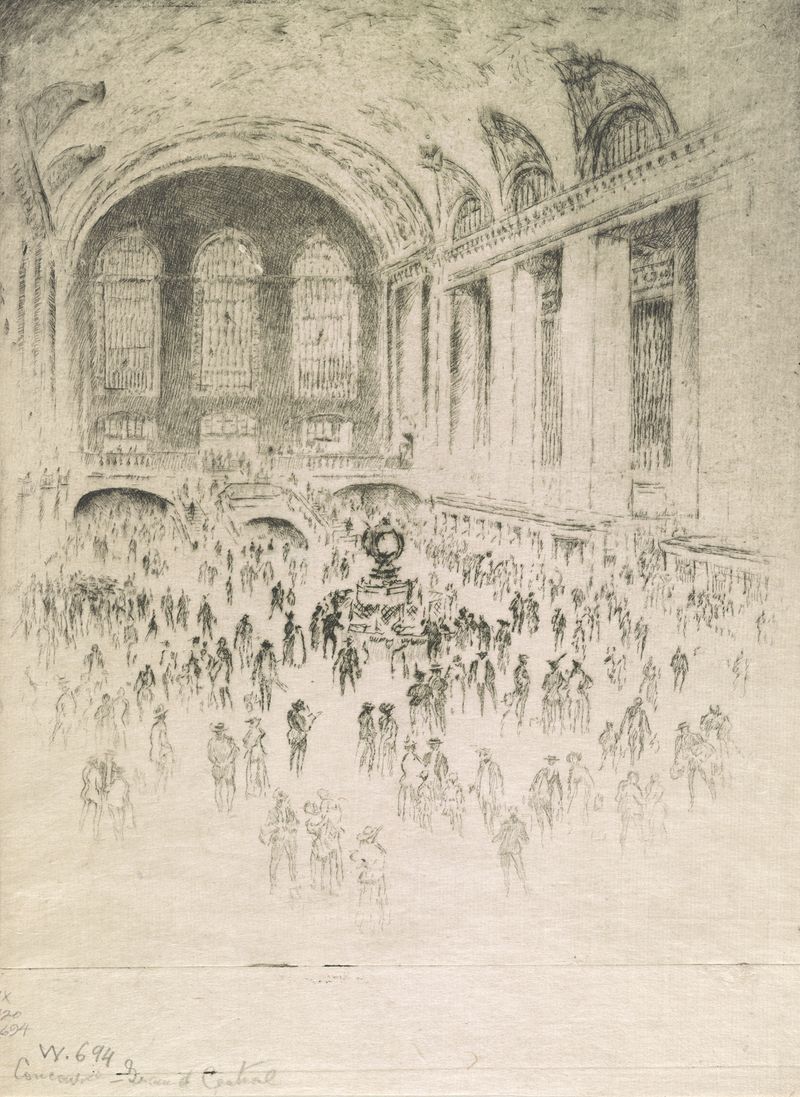
Concourse, Grand Central
Joseph Pennell
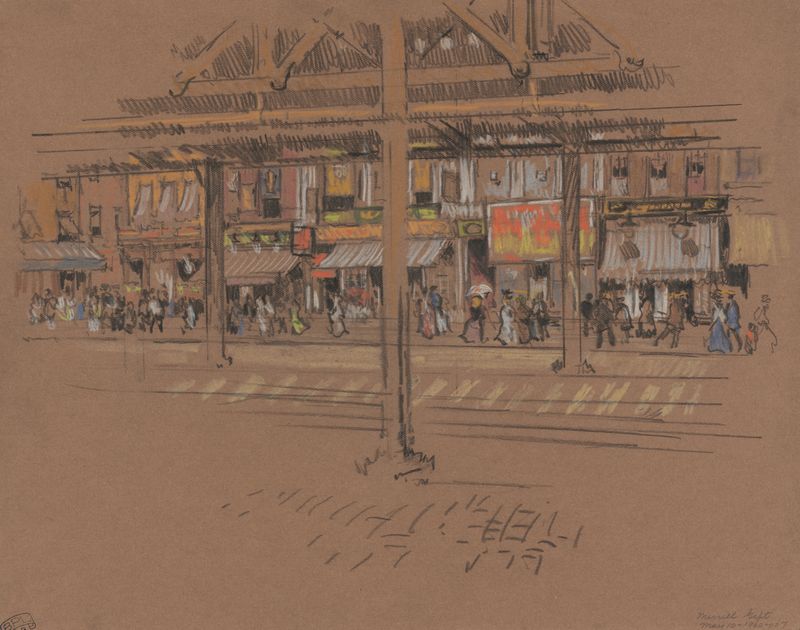
Sixth Avenue
Joseph Pennell
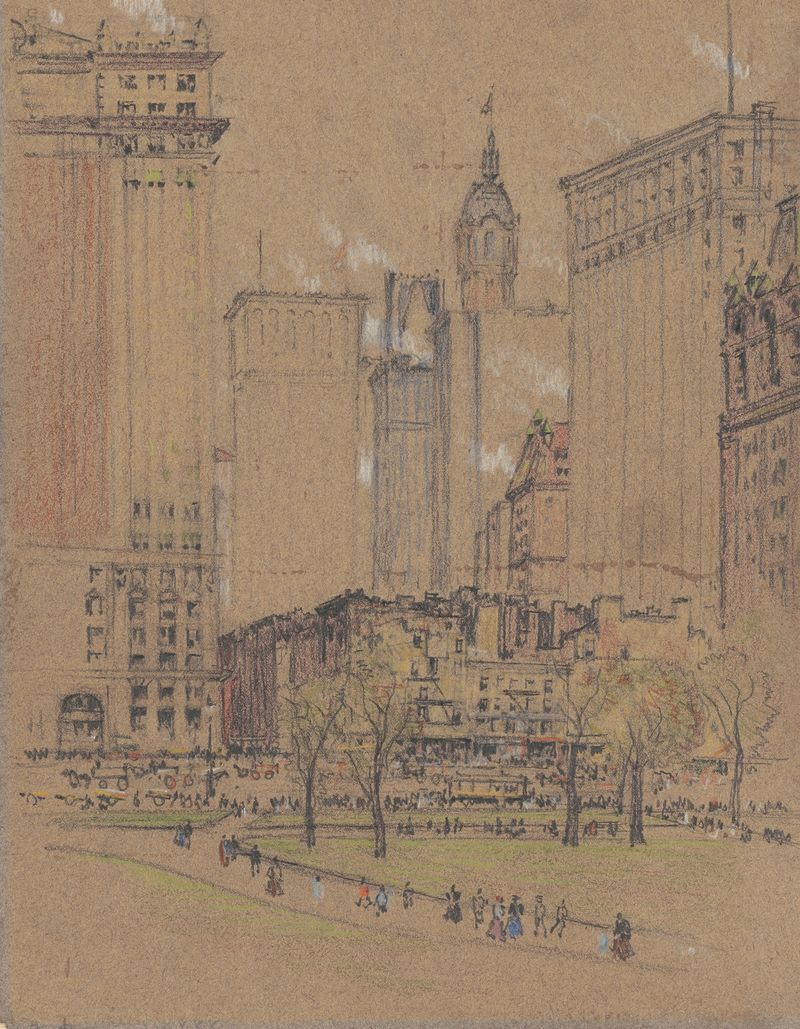
New York,the Old and the New
Joseph Pennell
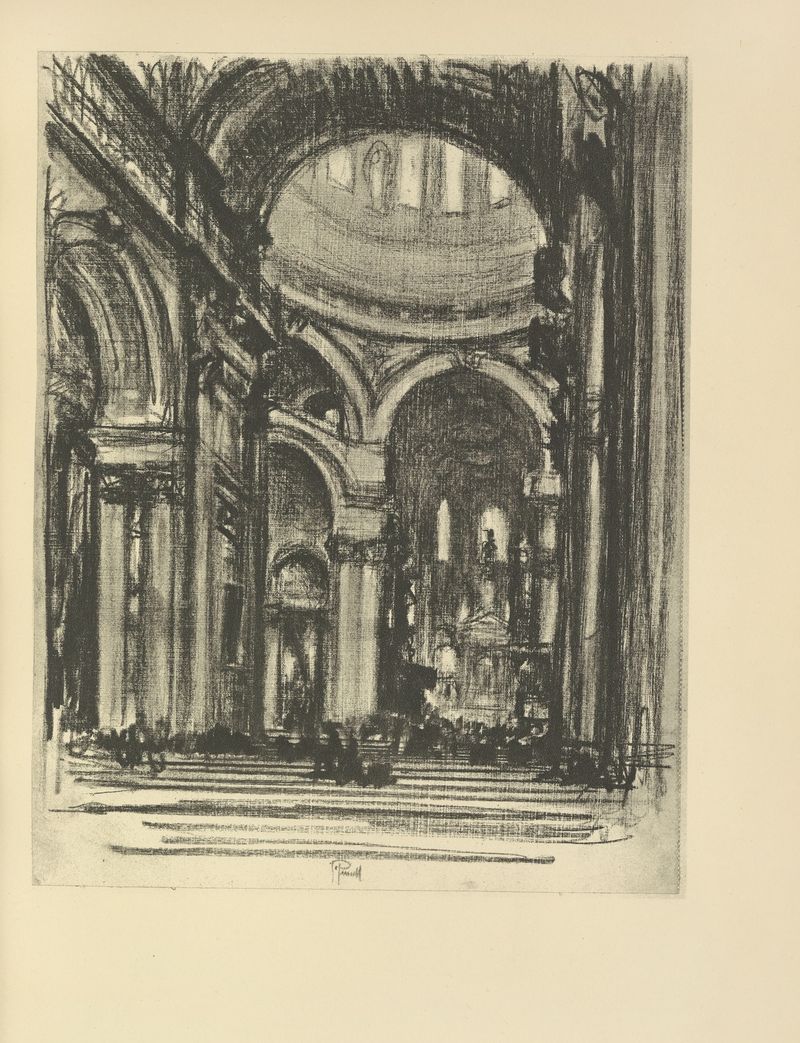
St. Paul’s, The Nave
Joseph Pennell
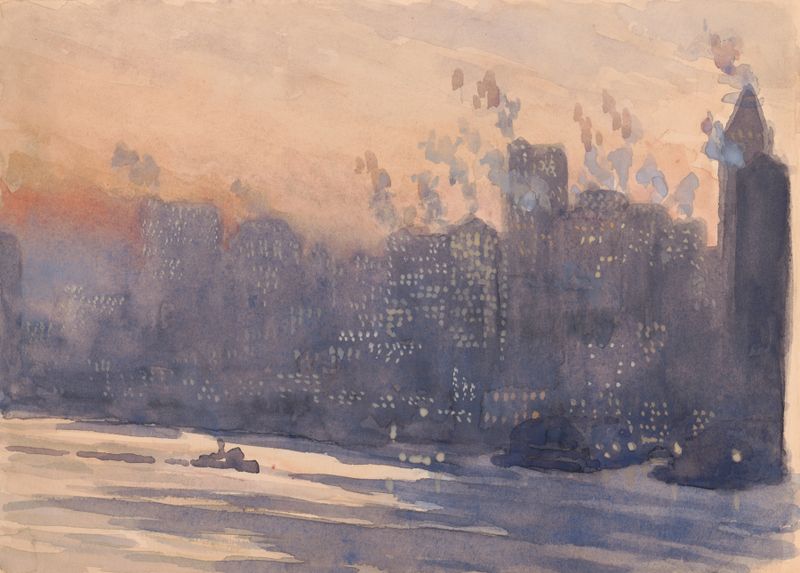
New York City harbor and skyline at night
Joseph Pennell
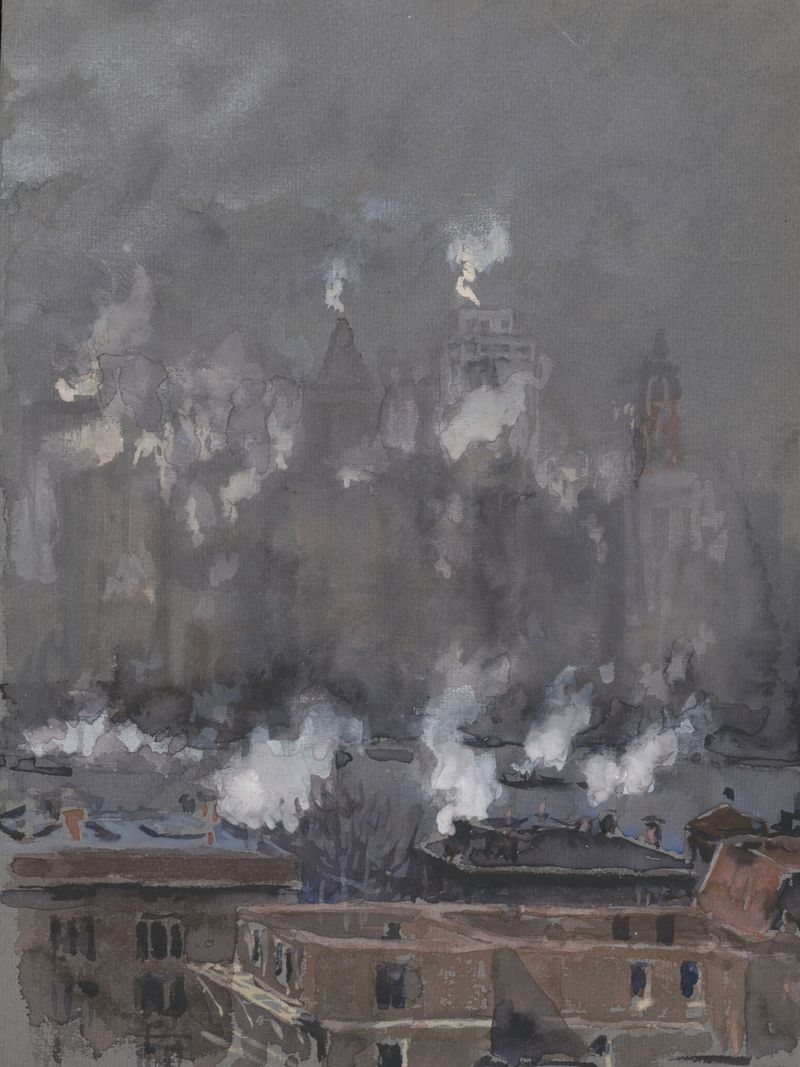
Smoke and fog on gray day, New York City
Joseph Pennell
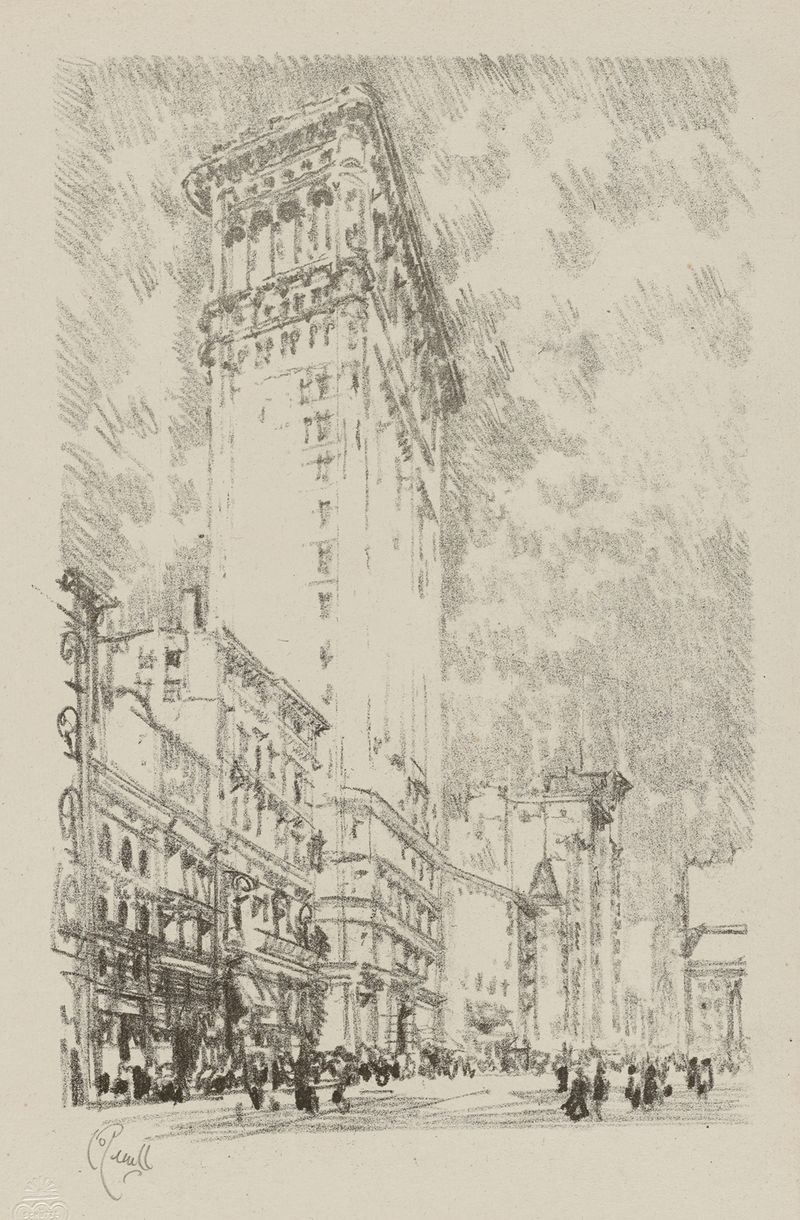
The Flat Iron
Joseph Pennell
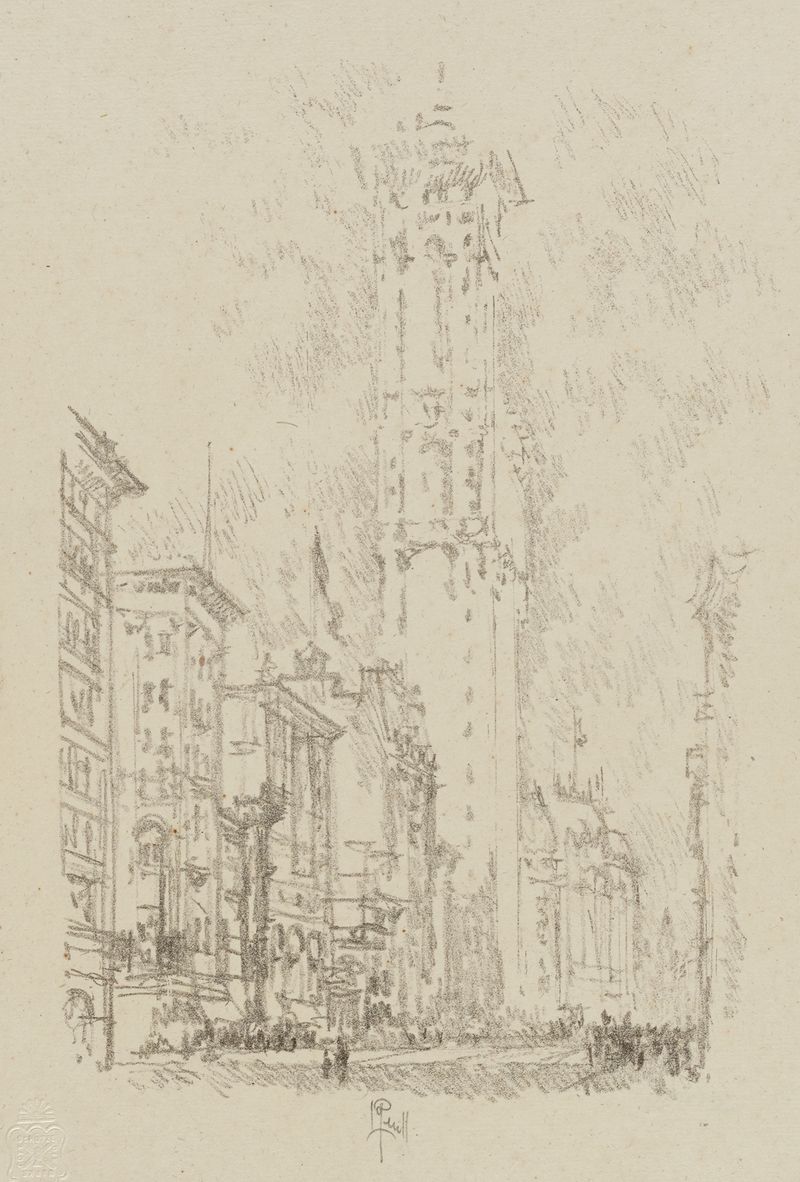
The Times Building
Joseph Pennell
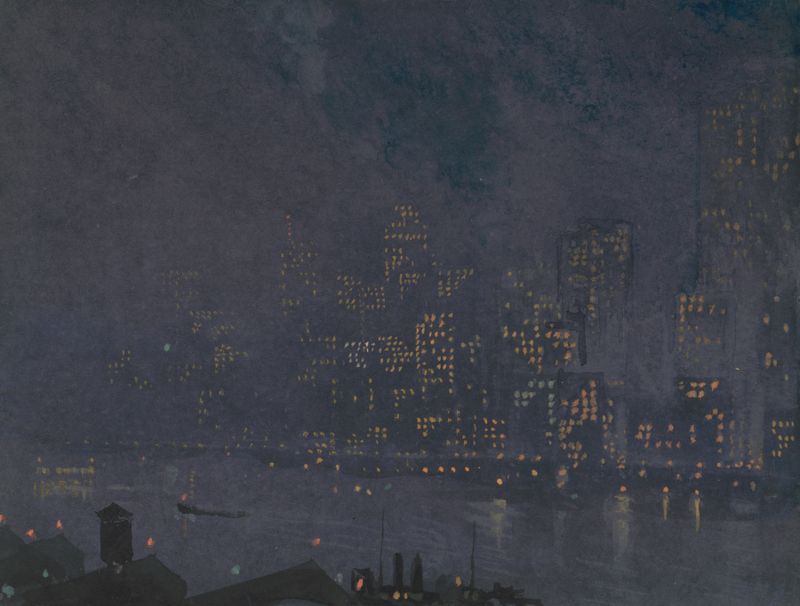
Skyscrapers at night
Joseph Pennell

St. James’ Park
Joseph Pennell
More Architecture Art
Browse all →
The statue of Liberty
Frédéric Auguste Bartholdi

View of Houses in Delft, Known as ‘The Little Street’
Johannes Vermeer

View of Houses in Delft, Known as ‘The Little Street’
Johannes Vermeer

The Cathedral in Rouen. The portal, Grey Weather
Claude Monet

The yellow house
Vincent van Gogh

The Church in Auvers-sur-Oise, View from the Chevet
Vincent van Gogh