
Old Sarum — History & Facts
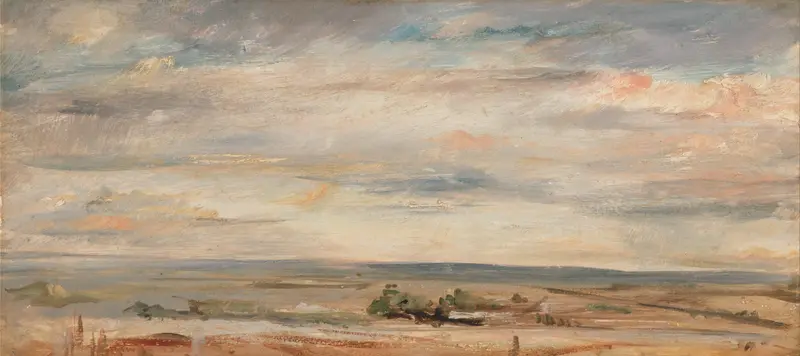
A fortress crowns the distant hill, but it is the sky that commands the eye—restless, heavy with motion, and stretching across nearly the entire painting. The drama here is not in battle or ruin, but in the sheer scale of nature set against the ancient earthwork of Old Sarum. A lone shepherd and his flock occupy the foreground, dwarfed by the sweep of land and cloud, their presence a quiet counterpoint to the brooding, slate-colored heavens.
The painter draws you in with the play of light: a shaft breaks through on the right, hinting at rain or perhaps a clearing, while the pale bands near the horizon suggest a world just waking or settling into dusk. The palette is cool, almost austere, yet the brushwork in the clouds gives the scene a sense of movement and anticipation. Painted in 1834, this landscape belongs to the world of early nineteenth-century Britain, when artists like John Constable sought to capture not just the look but the feeling of the countryside. Such works were rarely grand commissions; more often, they were made for collectors, or as studies in the new Romantic appreciation for wildness and history in the land.
The ancient site of Old Sarum, with its layered past, would have resonated with viewers attuned to both the march of time and the power of nature. Now held in the collection of the Victoria and Albert Museum, this work stands as a testament to a period when the English landscape was seen not as mere backdrop, but as a living stage for memory, weather, and quiet human labor. Let your gaze return to the clouds—they hold the real story here, shifting above centuries of change.
More Artworks by John Constable
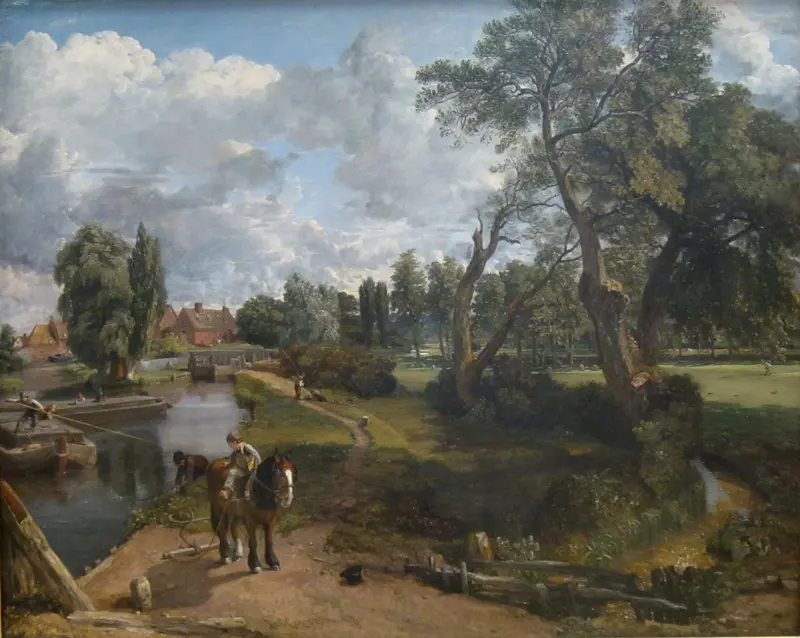
Flatford Mill (Scene on a Navigable River)
John Constable

Salisbury Cathedral From The Meadows
John Constable
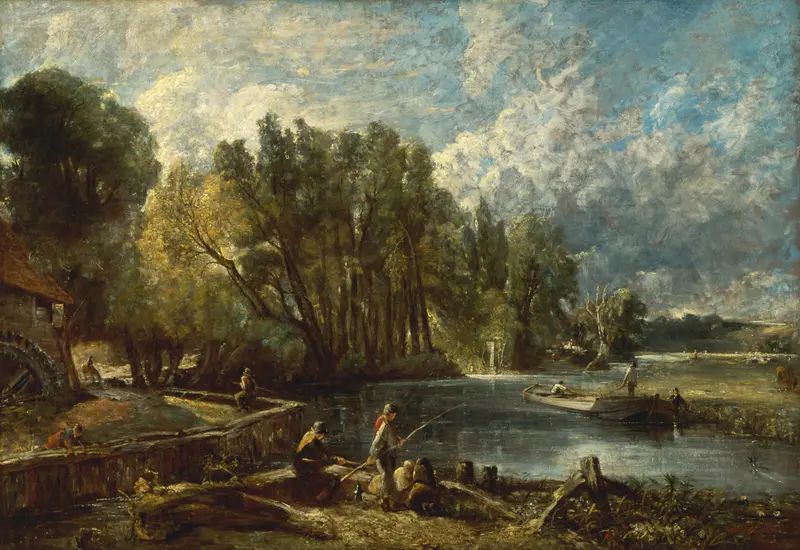
Stratford Mill
John Constable
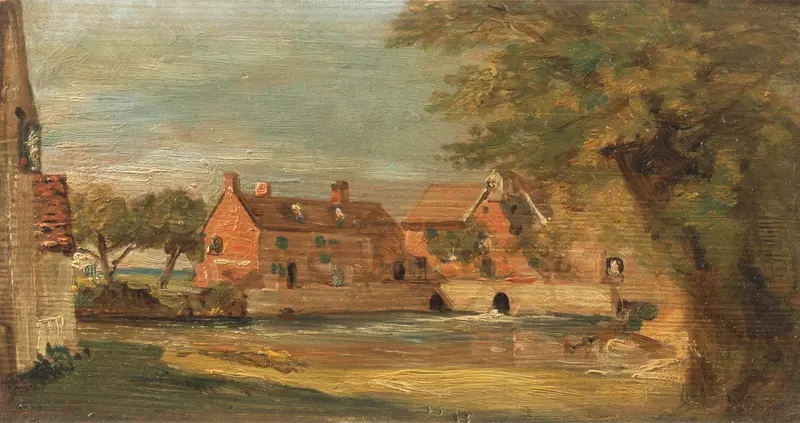
Flatford Mill
John Constable
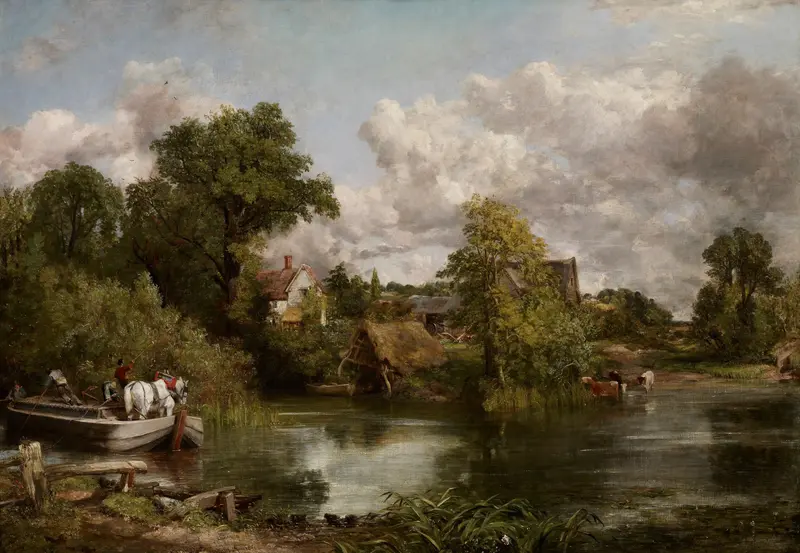
The White Horse
John Constable
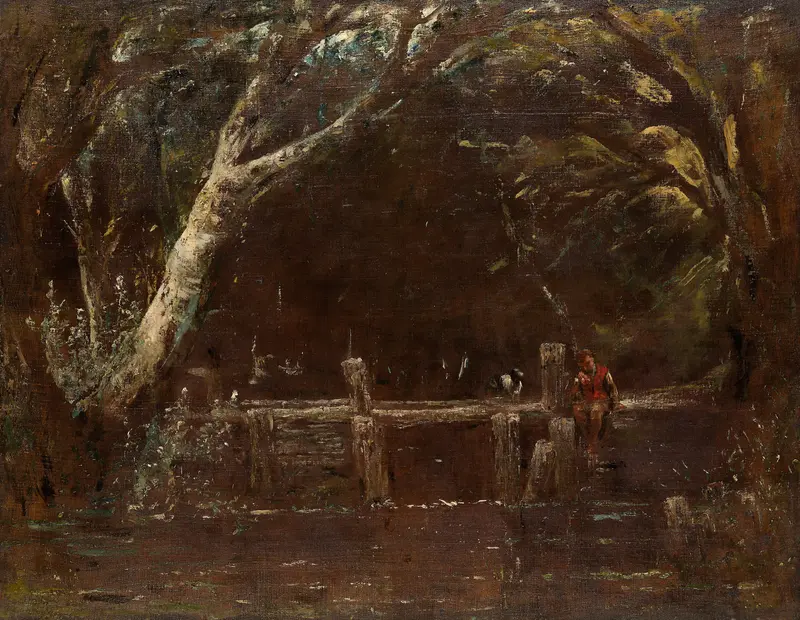
Landscape (The Lock)
John Constable
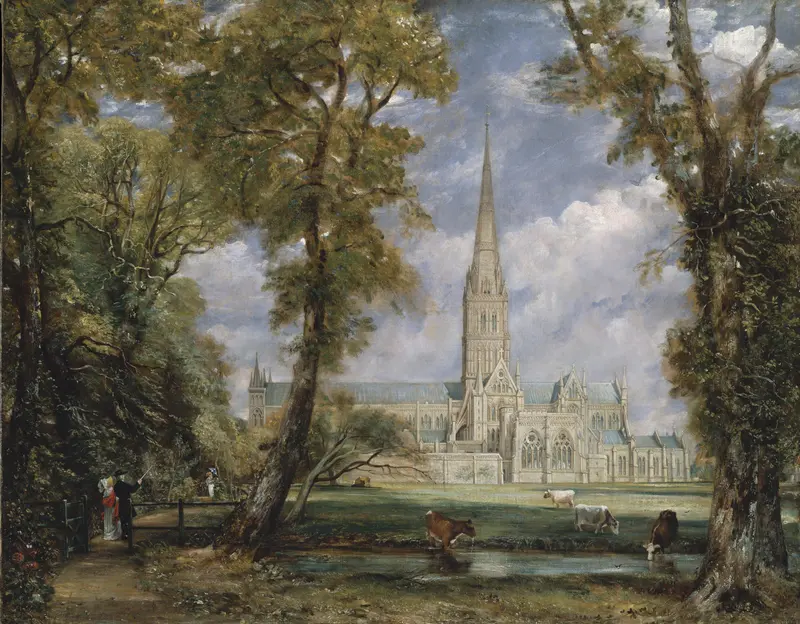
Salisbury Cathedral from the Bishop’s Grounds
John Constable
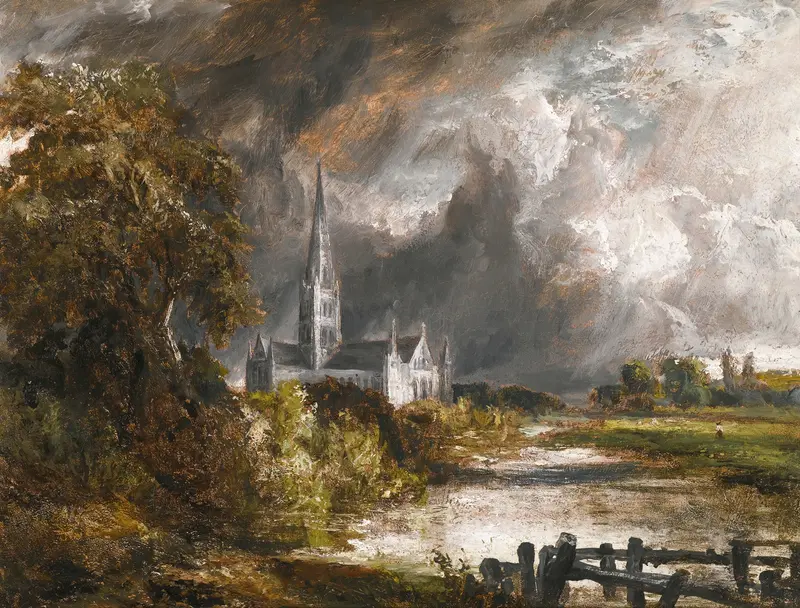
Salisbury Cathedral From The Meadows
John Constable
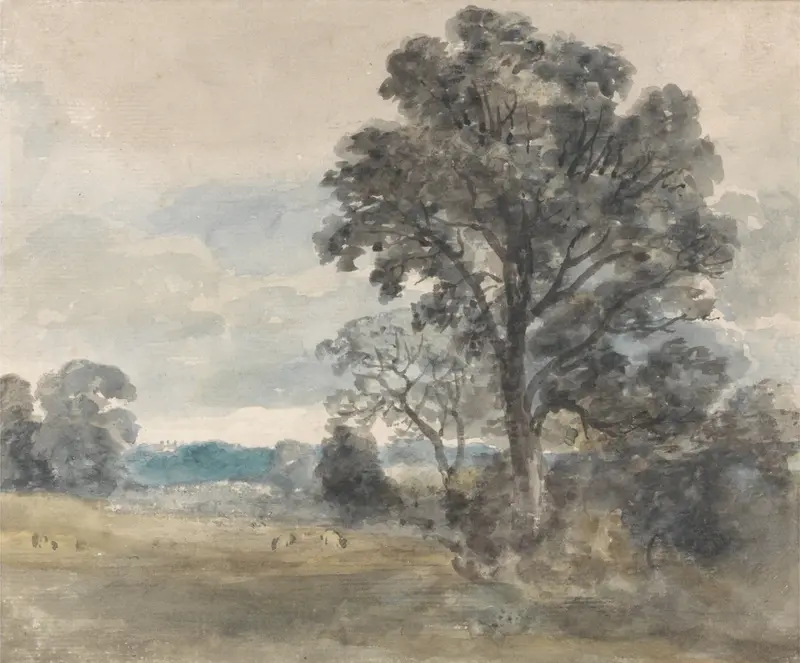
Landscape at East Bergholt
John Constable
Cloud Study, Early Morning, Looking East from Hampstead
John Constable
More Landscape Art

The Starry Night
Vincent van Gogh

View of Delft
Johannes Vermeer

Water Lilies
Claude Monet

The Grand Canal, Venice, looking north-west from the Ca' Corner to the Ca' Contarini degli Scrigni, with the campanile of Santa Maria della Carità
Canaletto

Windsor Castle
Canaletto

The Grand Canal looking North-East from the Palazzo Dolfin-Manin to the Rialto Bridge
Canaletto