
Old Sea Dam — History & Facts
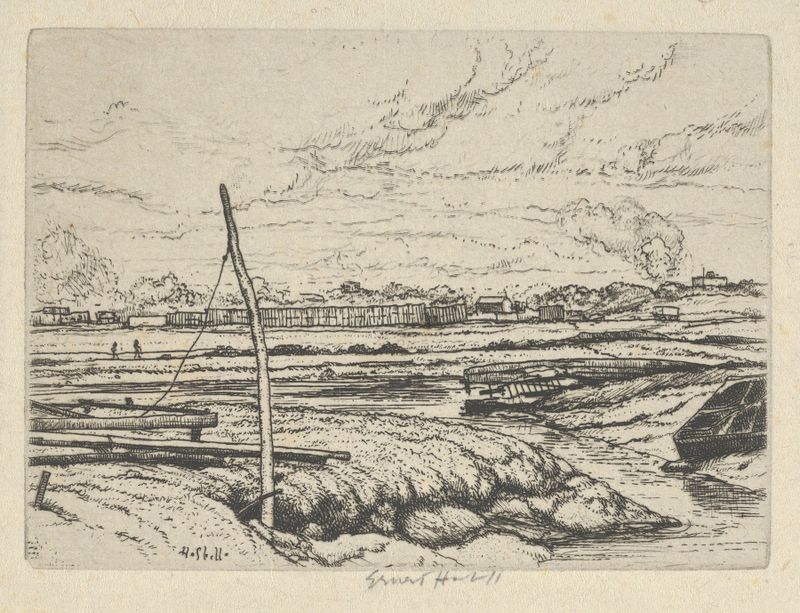
Can beauty exist without sorrow? In Old Sea Dam, the contrast of rugged cliffs against a serene sea invites contemplation on the fine line between tranquility and turmoil. Focus on the left side of the canvas where jagged rocks rise sharply from the water, their dark tones contrasting with the inviting azure of the ocean. The light, golden and soft, bathes the scene, creating an ethereal quality that seems to shimmer over the surface of the water. Notice how Haskell employs sweeping brushstrokes to convey movement, hinting at the relentless push of waves while simultaneously evoking a sense of calm majesty in the stillness of the moment. Delve deeper into the painting’s emotional undertones.
The ruggedness of the rocks symbolizes nature’s untamable strength, perhaps reflecting the madness of human endeavor in the face of such power. The gentle sea, a mirror of the sky's soft hues, offers a paradox—the beauty of its stillness may mask the chaos lurking beneath. This duality evokes feelings of both serenity and unease, leading viewers to ponder the coexistence of beauty and sorrow. In the early 1900s, Haskell painted Old Sea Dam, a period marked by his fascination with the New England coastline.
During this time, he was deeply engaged in exploring the interplay of light and form, developing his unique style that bridges impressionism and realism. The world around him was undergoing profound changes, and this artwork encapsulates a moment of reflection amidst the shifting tides of both nature and society.
More Artworks by Ernest Haskell
Browse all →
The Barn–Staten Island, N.Y.
Ernest Haskell

Four Live Oaks
Ernest Haskell
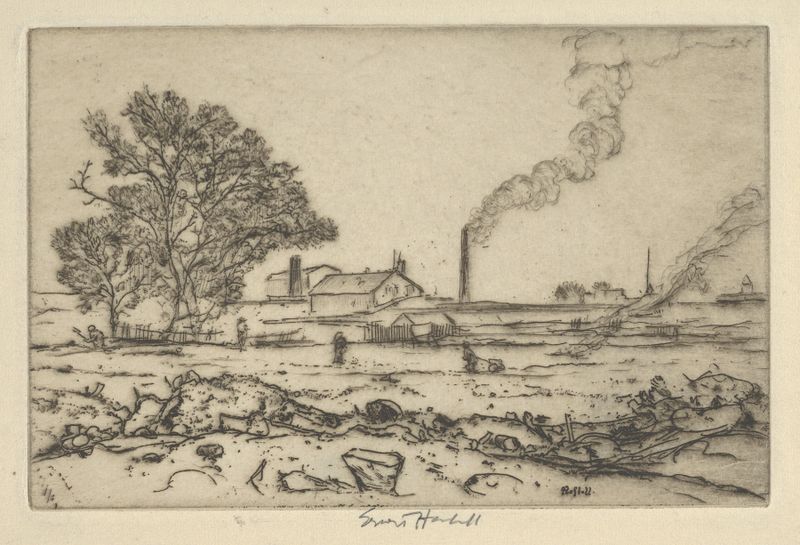
Outskirts of Boston
Ernest Haskell
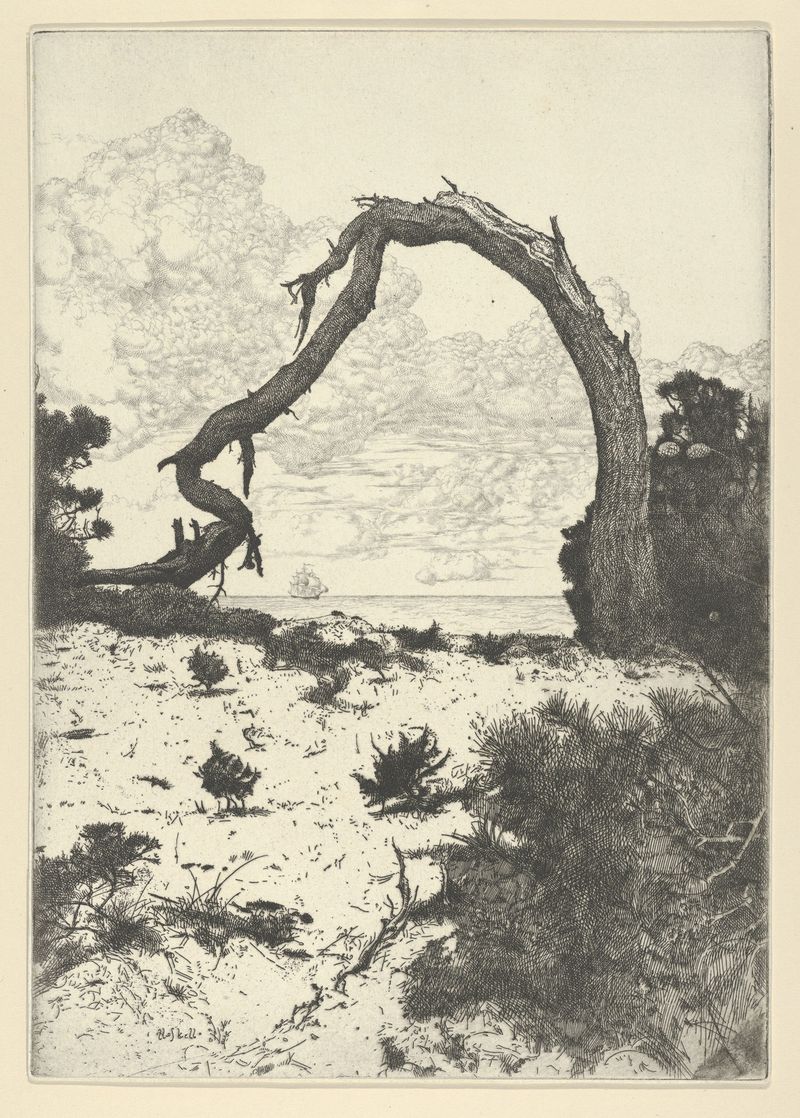
Pine Arch
Ernest Haskell

General Sherman
Ernest Haskell
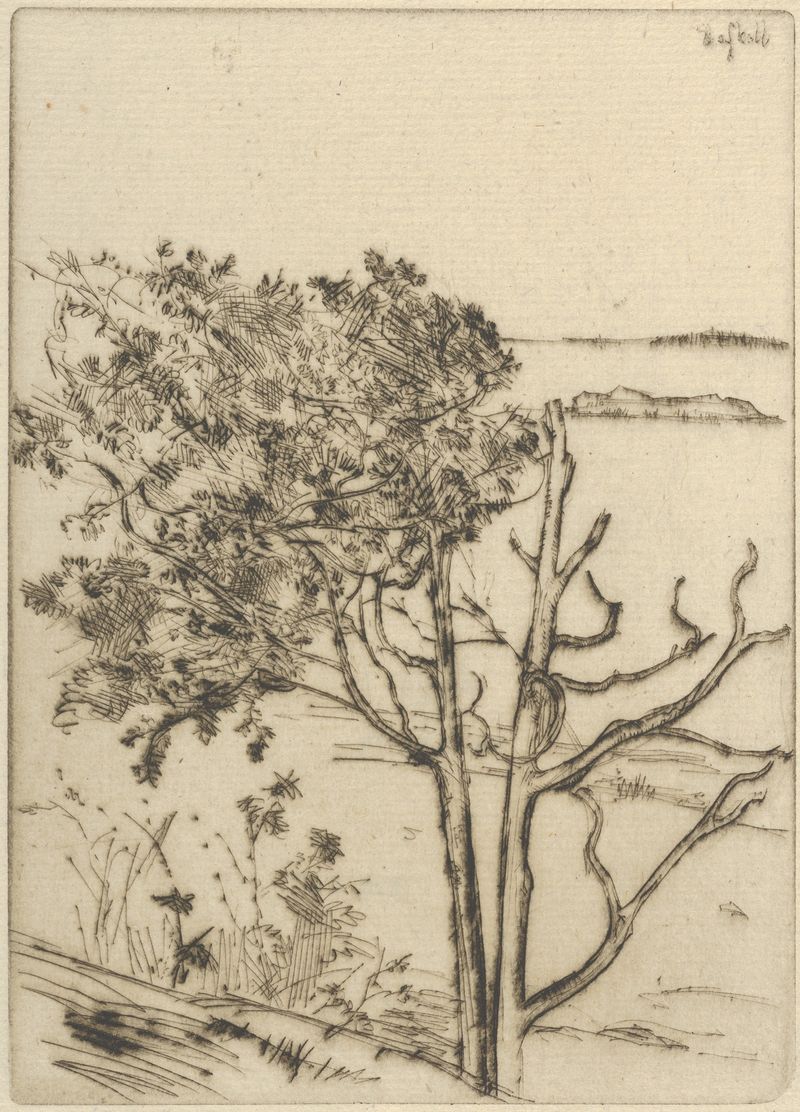
Ragged Tree – Maine
Ernest Haskell

Tide Mill
Ernest Haskell

Ship Building
Ernest Haskell
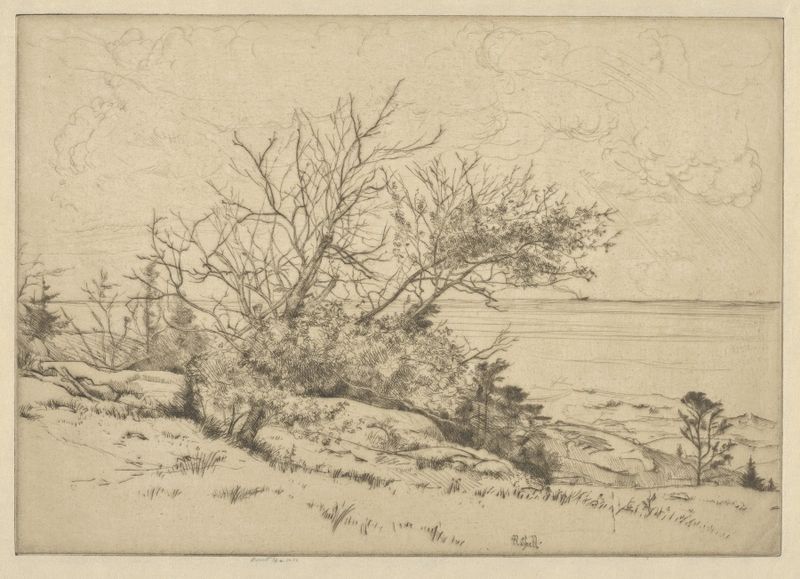
To the Southward – Ragged Island, Me.
Ernest Haskell
Long Island Marshes
Ernest Haskell





