
Old Storeroom in Vikøy — History & Facts
A shaft of sunlight falls across the rough wooden table, drawing the eye first to the solitary figure hunched in concentration. The boy’s world is contained within this storeroom: the sturdy chests, the patterned blankets, the faded slip of paper pinned to the wall. Every object is rendered with care, from the green-glass bottle catching the light to the boots set neatly above the bench.
The painter, Adolph Tidemand, invites us not to a moment of drama, but to a quiet interval, where the act of writing or drawing becomes an anchor in the hush of the room. The palette is warm, the shadows gentle, and the silence almost audible—broken only, perhaps, by the scratch of a pen. Painted in 1867, Old Storeroom in Vikøy belongs to a moment in northern Europe when artists turned their gaze to the interiors and daily rituals of rural life. Works like this, created in the wake of Romanticism, often served as visual testaments to a disappearing world—one shaped by handcraft, kinship, and the slow passage of time.
While little is recorded about the specific history of this painting, its presence today in the National Museum of Art, Architecture and Design is a reminder of the value placed on such scenes. The viewer is left to wonder about the boy’s thoughts, the stories locked in the painted chests, and the soft, persistent light that still enters the storeroom.
More Artworks by Adolph Tidemand

Bridal Procession on the Hardangerfjord
Adolph Tidemand
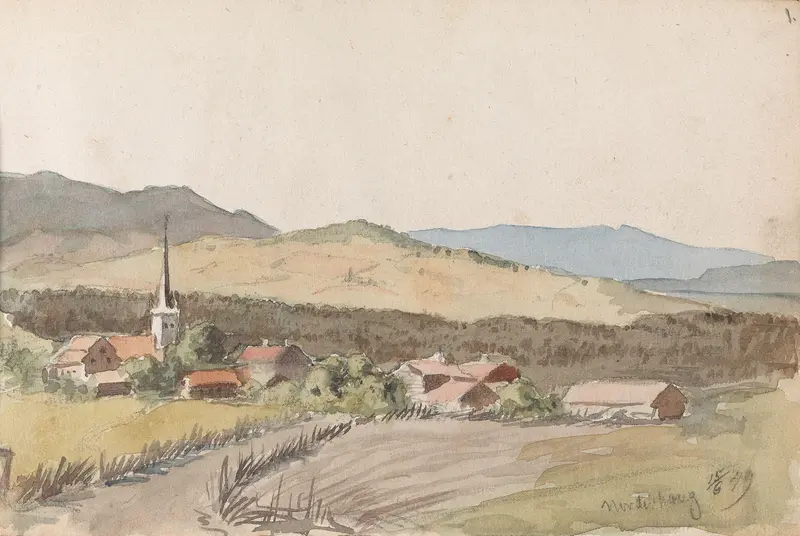
Fra Haugsbygd
Adolph Tidemand
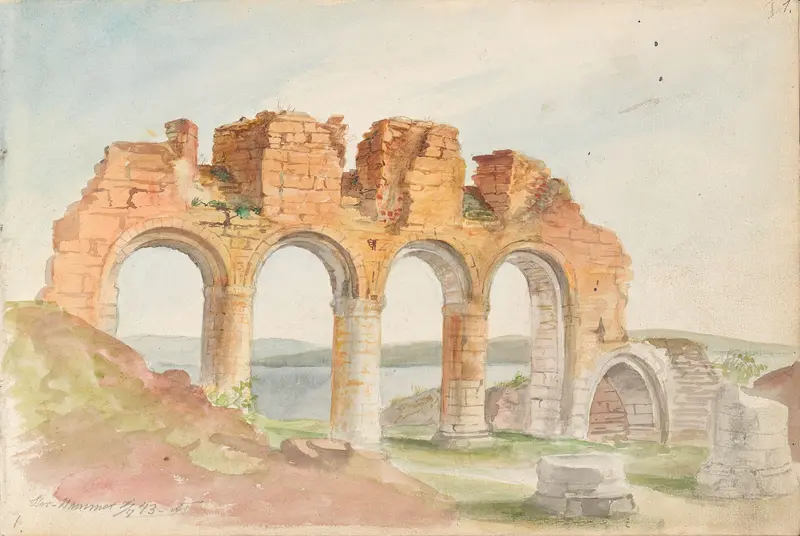
Domkirkeruinen, Hamar
Adolph Tidemand
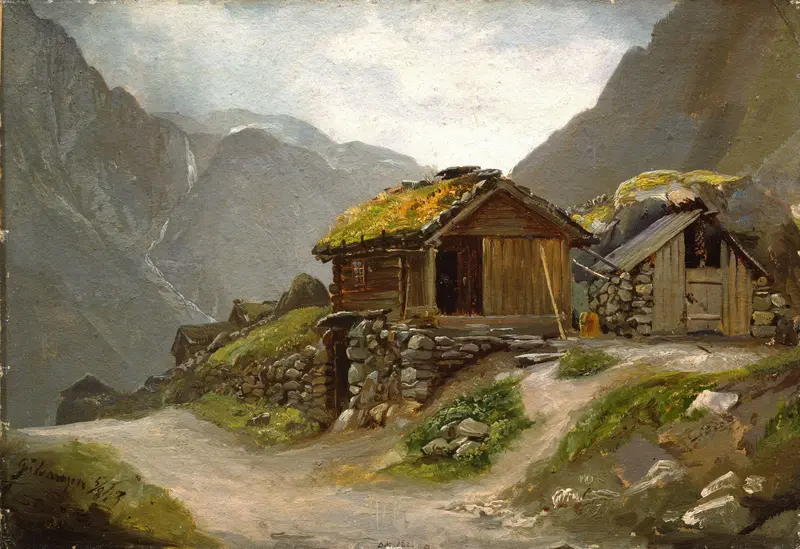
View from Gudvangen
Adolph Tidemand
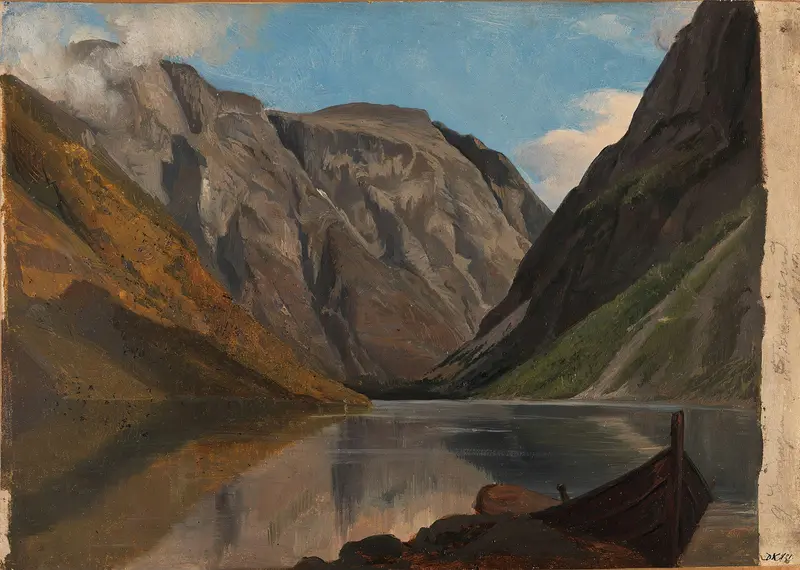
View of Gudvangen
Adolph Tidemand
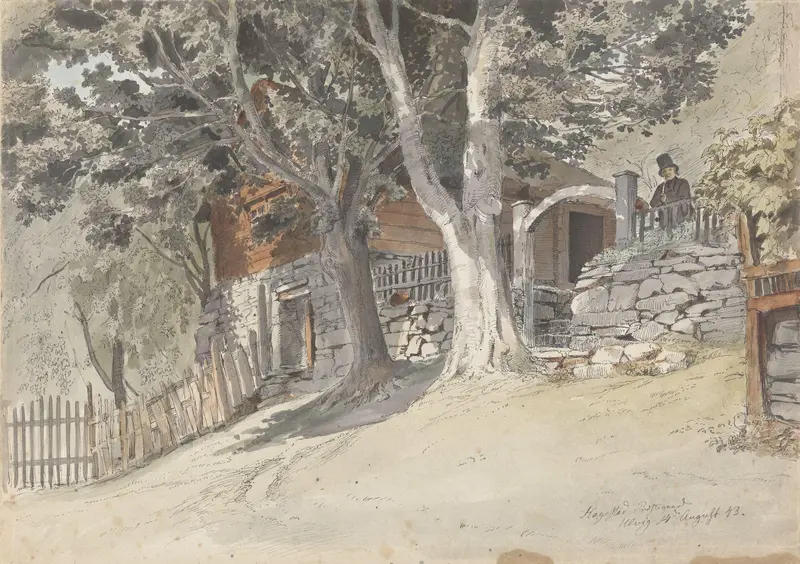
Hagestad prestegård, Ulvik i Hardanger
Adolph Tidemand
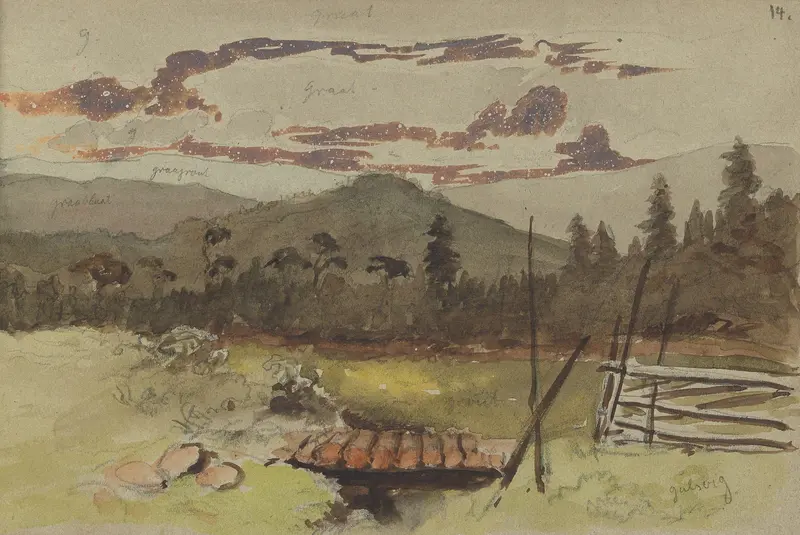
Fra Gulsvik
Adolph Tidemand
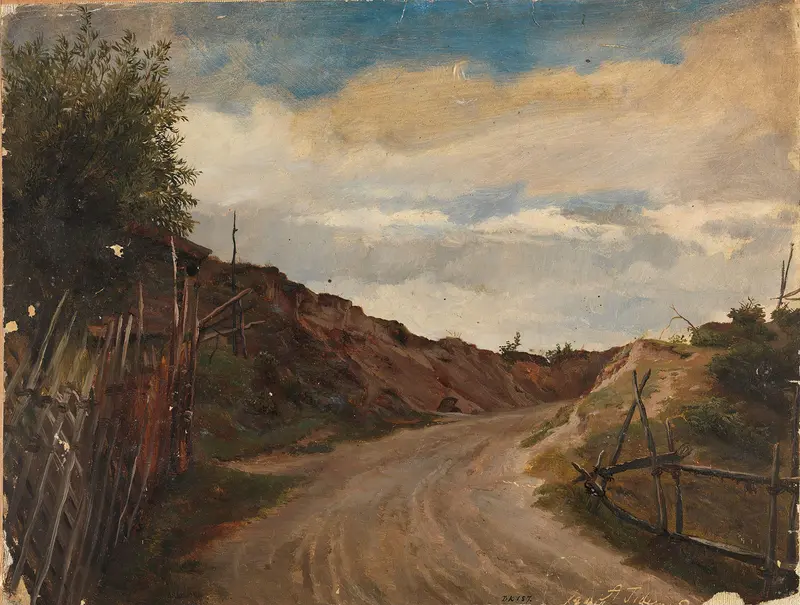
Country Road
Adolph Tidemand
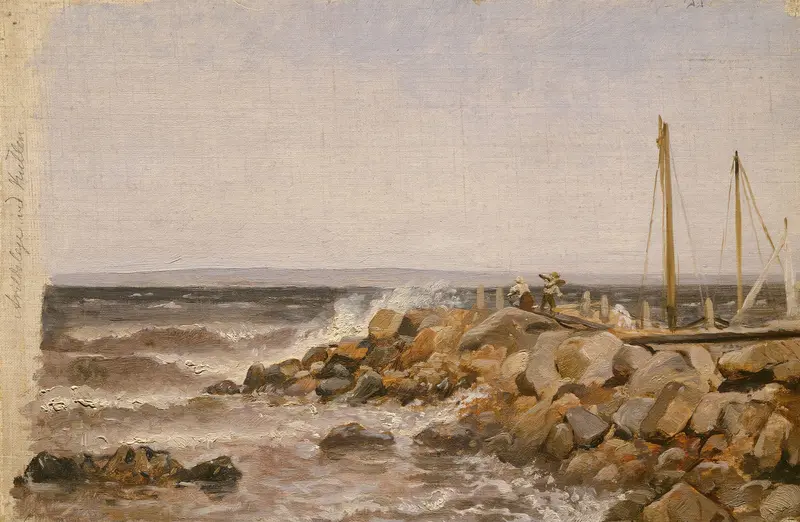
From Kullen in Sweden
Adolph Tidemand
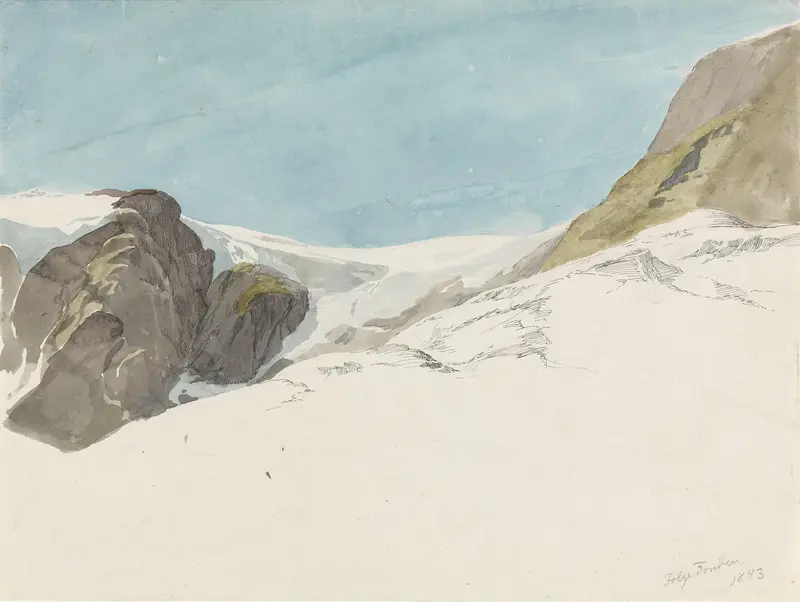
Untitled
Adolph Tidemand
More Genre Scene Art

Banquet of the Officers of the St George Civic Guard
Frans Hals

Rembrandt and Saskia in the Scene of the Prodigal Son
Rembrandt van Rijn

Bal du moulin de la Galette
Pierre-Auguste Renoir

Quadrille at the Moulin Rouge
Henri de Toulouse-Lautrec

A Burial at Ornans
Gustave Courbet

When Will You Marry?
Paul Gauguin