
Old Westminster Bridge — History & Facts
What secret hides in the quiet of the canvas? Beneath the surface of an ordinary bridge lies an extraordinary dreamscape captured in the stillness of time. Look to the center of the painting where the silhouette of Westminster Bridge stands against a soft, watery backdrop. Notice how the muted palette of blues, grays, and earthy browns intertwines, creating a serene yet melancholic atmosphere. The brushstrokes are fluid, almost ethereal, inviting your gaze to linger on the delicate reflections shimmering in the water beneath the arches, as if the bridge itself is contemplating the secrets submerged below. Delve deeper into the contrasts present in the work: the solidity of the bridge juxtaposed with the ephemeral nature of the mist that encircles it.
The faint outlines of distant figures, nearly lost in the fog, evoke a sense of isolation amidst a bustling city, hinting at stories untold. This interplay of light and shadow suggests a fleeting moment, capturing the transitory beauty of life itself, while also whispering of the inevitable passage of time. In 1859, the artist navigated a turbulent period marked by personal struggles and the broader quest for recognition in the art world. Whistler had recently settled in London, where he sought to carve a distinct identity as a painter, influenced by the Aesthetic Movement’s emphasis on beauty and emotional resonance.
Old Westminster Bridge emerged from this desire to transcend traditional representation, encapsulating both a moment in time and an exploration of dreams woven through the fabric of urban life.
More Artworks by James Abbott McNeill Whistler
Browse all →
Nocturne in Blue and Silver
James Abbott McNeill Whistler
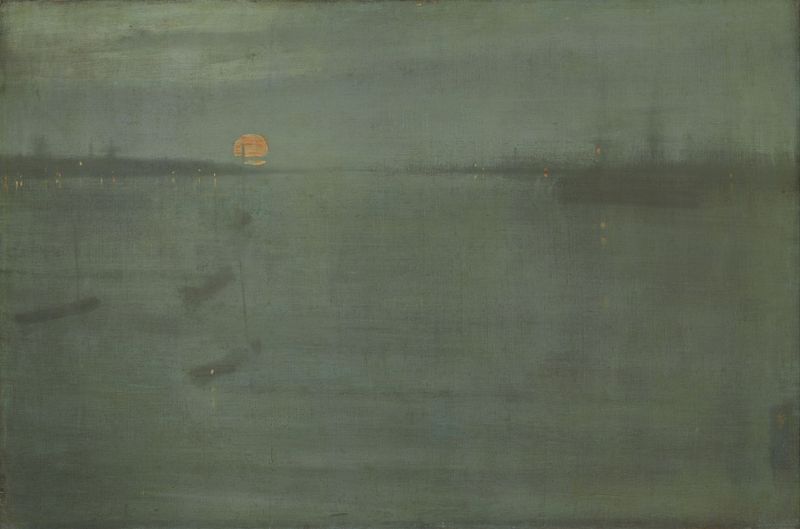
Nocturne: Blue and Gold–Southampton Water
James Abbott McNeill Whistler
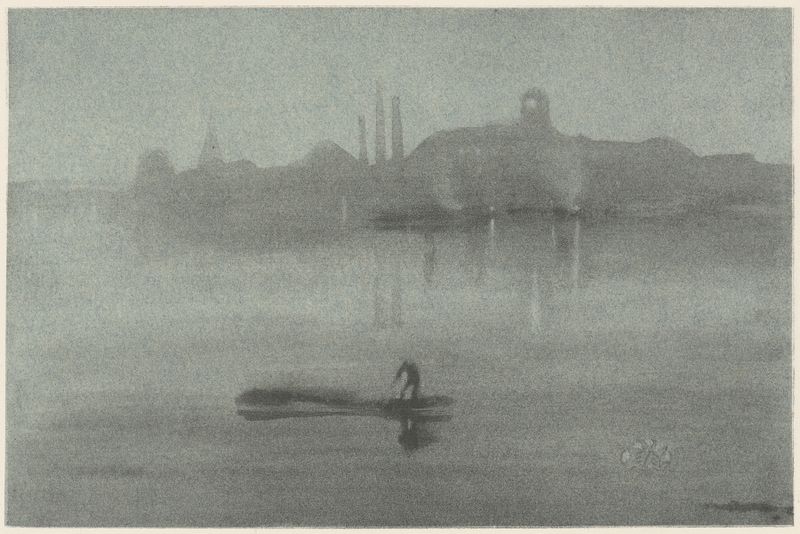
Nocturne
James Abbott McNeill Whistler
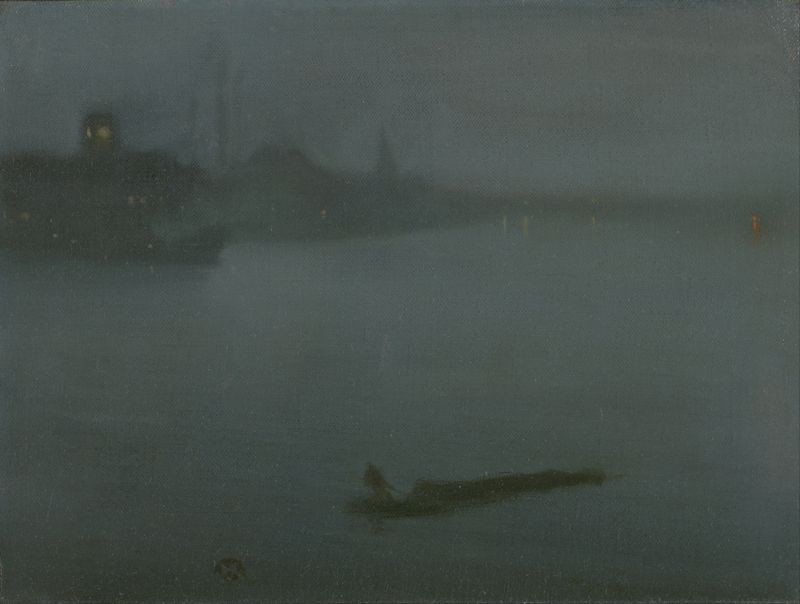
Nocturne in Blue and Silver
James Abbott McNeill Whistler
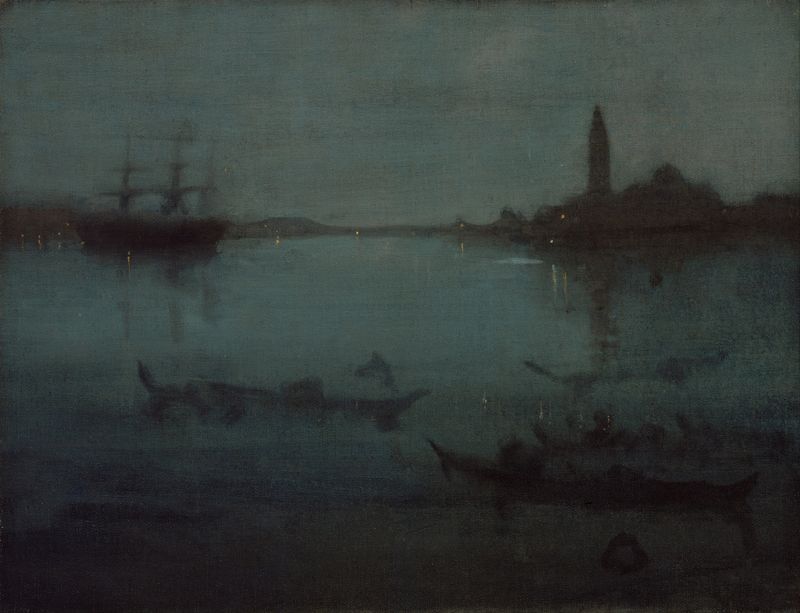
Nocturne in Blue and Silver- The Lagoon, Venice
James Abbott McNeill Whistler
Nocturne in Grey and Gold: Chelsea Snow
James Abbott McNeill Whistler
Nocturne: Black and Red—Back Canal, Holland
James Abbott McNeill Whistler
Old Battersea Bridge
James Abbott McNeill Whistler

Nocturne: Blue and Silver–Battersea Reach
James Abbott McNeill Whistler
Grey and Silver–Pier, Southend
James Abbott McNeill Whistler





