
Old Westminster Bridge — History & Facts
Did the painter know this moment would outlive them? In Old Westminster Bridge, an ethereal reflection captures the ephemeral beauty of a city poised between history and modernity, provoking a quiet contemplation of time's passage. Focus on the shimmering surface of the Thames, where the water acts as a mirror, reflecting not just the bridge but the weight of London itself. The palette is a gentle blend of grays and blues, evoking the cool mist of early morning. As you scan the painting, your gaze is drawn first to the bridge, its arches gracefully spanning the river, where soft brushstrokes impart a sense of both solidity and transience.
Light dances upon the water's surface, suggesting a world in motion, while the figures along the banks are mere whispers, lost in the grandeur of the scene. Beneath the tranquil beauty lies an emotional tension between permanence and impermanence. The bridge, a symbol of progress, stands in contrast to the fleeting nature of the figures and their reflections, which seem to dissolve into the water. This juxtaposition invites viewers to reflect on their own place in the unfolding narrative of life.
The gentle play of light and shadow further enhances this dialogue, suggesting that both the city and its inhabitants are part of a greater, ever-shifting reality. Whistler created Old Westminster Bridge in 1859 during a period when he was establishing his unique approach to tonal painting in London. Influenced by the aesthetics of the French Impressionists, he sought to capture not only the physical aspects of his surroundings but also the emotional resonance of the scene. The painting emerged at a time of industrial change, as London transformed rapidly, perhaps prompting the artist to ponder the enduring beauty amidst the relentless march of progress.
More Artworks by James Abbott McNeill Whistler
Browse all →
Nocturne in Blue and Silver
James Abbott McNeill Whistler
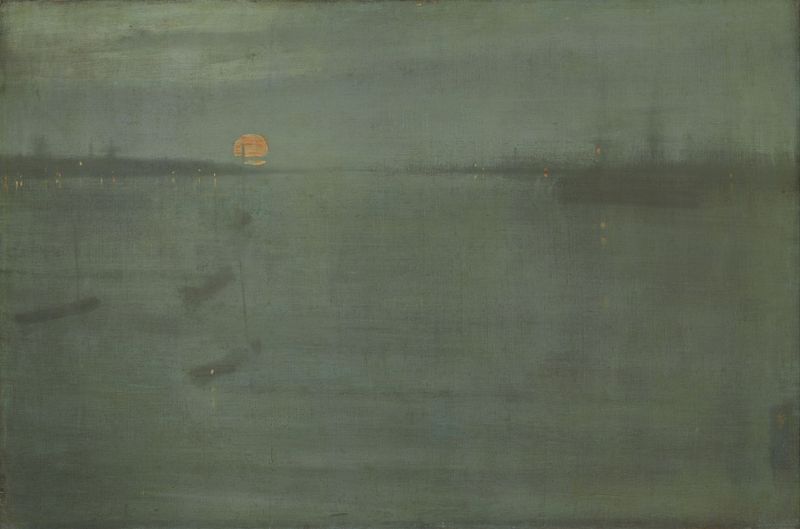
Nocturne: Blue and Gold–Southampton Water
James Abbott McNeill Whistler
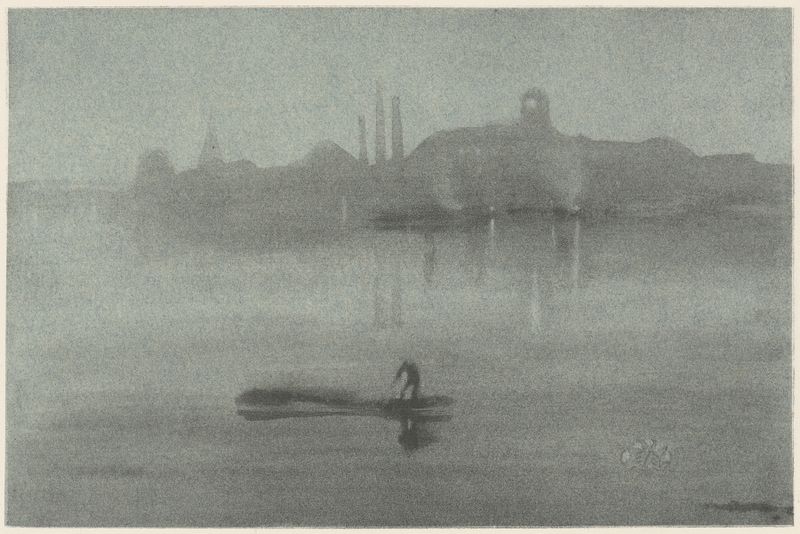
Nocturne
James Abbott McNeill Whistler
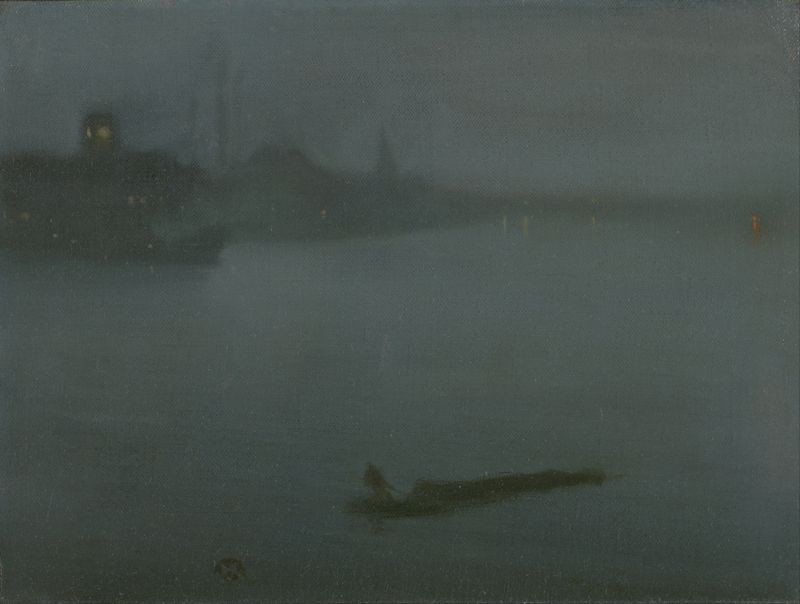
Nocturne in Blue and Silver
James Abbott McNeill Whistler
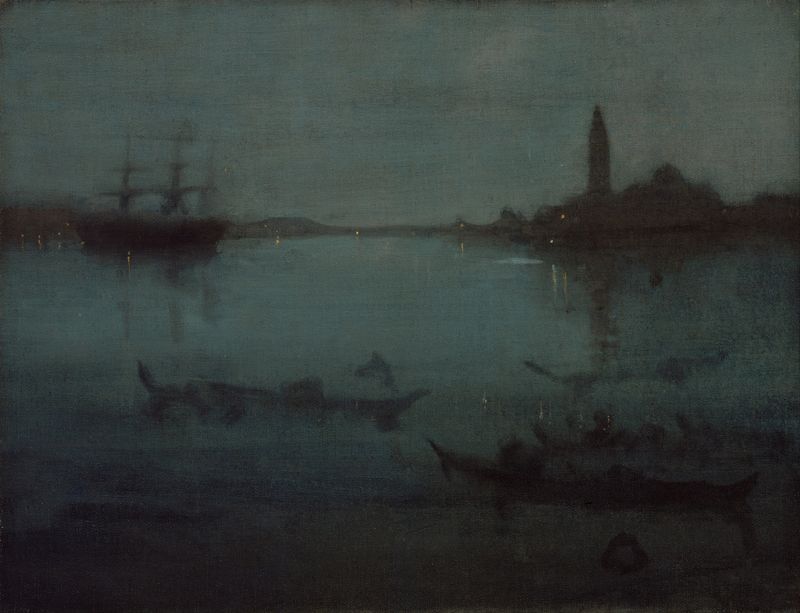
Nocturne in Blue and Silver- The Lagoon, Venice
James Abbott McNeill Whistler
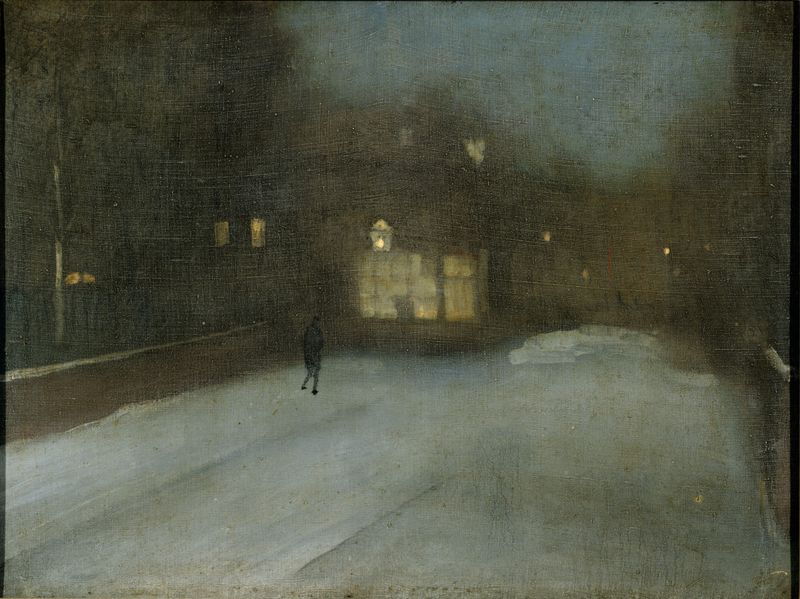
Nocturne in Grey and Gold: Chelsea Snow
James Abbott McNeill Whistler
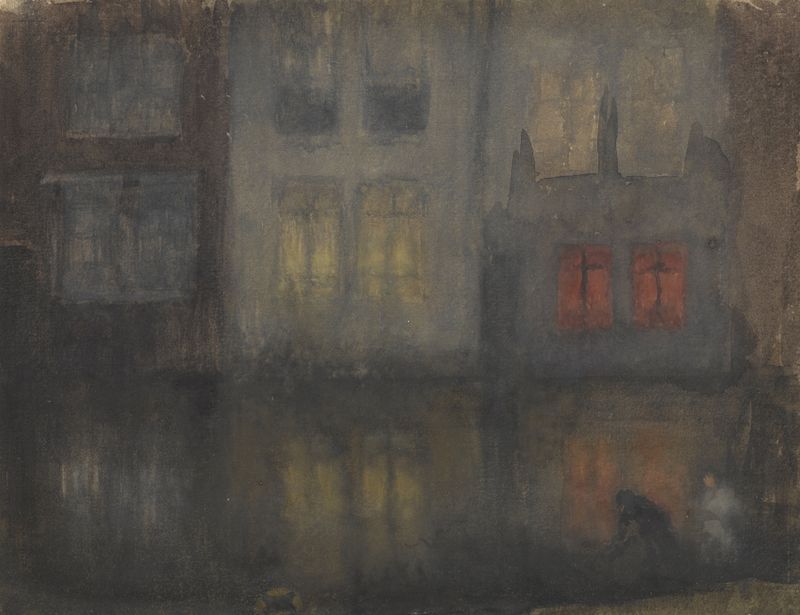
Nocturne: Black and Red—Back Canal, Holland
James Abbott McNeill Whistler
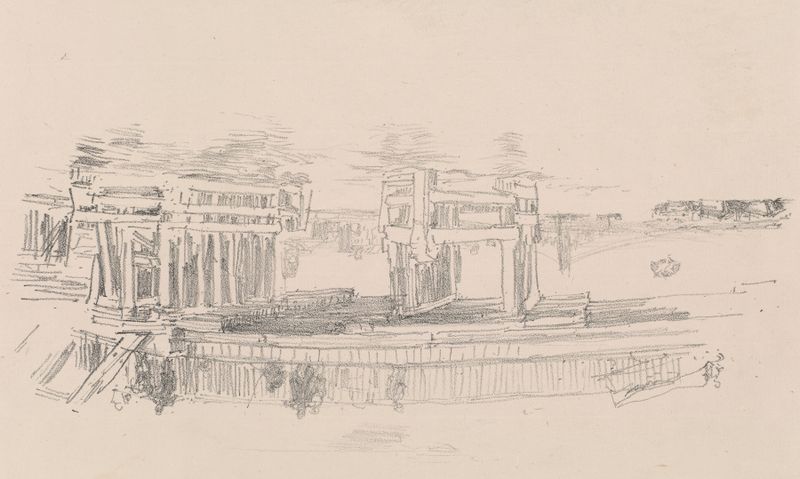
Old Battersea Bridge
James Abbott McNeill Whistler

Nocturne: Blue and Silver–Battersea Reach
James Abbott McNeill Whistler
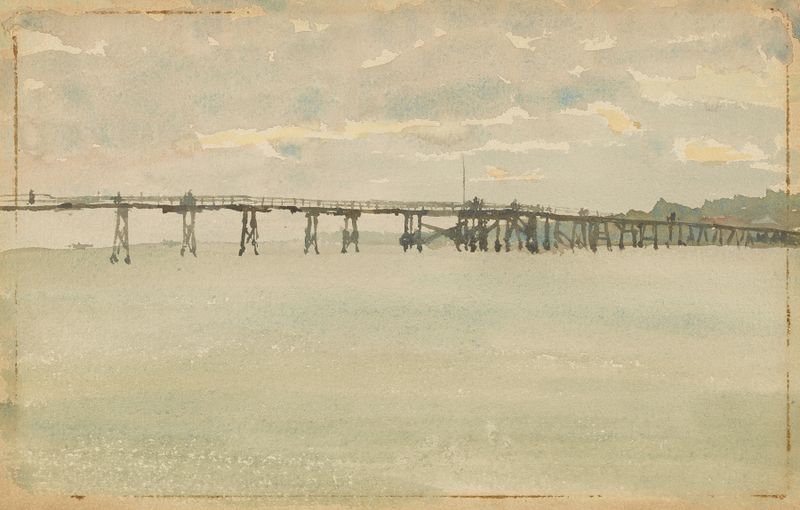
Grey and Silver–Pier, Southend
James Abbott McNeill Whistler





