
Olevano — History & Facts
What if silence could speak through light? In the stillness of Olevano, a world unfolds where every brushstroke whispers secrets of the past, holding an echo of nature's timeless legacy. Look to the horizon where the ochre mountains meet the soft azure sky, their peaks kissed by a gentle glow. The foreground, alive with delicate foliage, creates a lush contrast against the rocky backdrop, inviting the viewer’s gaze deeper into the landscape. Notice how the dappled light dances across the leaves, revealing a symphony of greens and earthy tones that work harmoniously to evoke a sense of peace.
Each element is meticulously placed, with soft brushwork enhancing the inviting warmth of the scene. Yet, within this serene depiction lies a powerful contrast between tranquility and the passage of time. The serene landscape, seemingly untouched by human influence, conveys a sense of nostalgia, evoking reflections on the fleeting nature of beauty. The scattered clouds above suggest the inevitability of change, reminding us that even the most idyllic moments are transient.
Lear’s choice of composition invites contemplation, urging viewers to appreciate the splendor of the natural world while acknowledging its fragility. In 1841, Lear painted Olevano during a period of personal exploration, traveling through Italy, where he sought inspiration from the picturesque landscapes. At this time, he was gaining recognition not only as a painter but also as a poet and illustrator, caught in the vibrant currents of Romanticism. His work reflects a growing fascination with nature's beauty, a crucial theme of the era, as he sought to capture the sublime essence of the world around him.
More Artworks by Edward Lear
Browse all →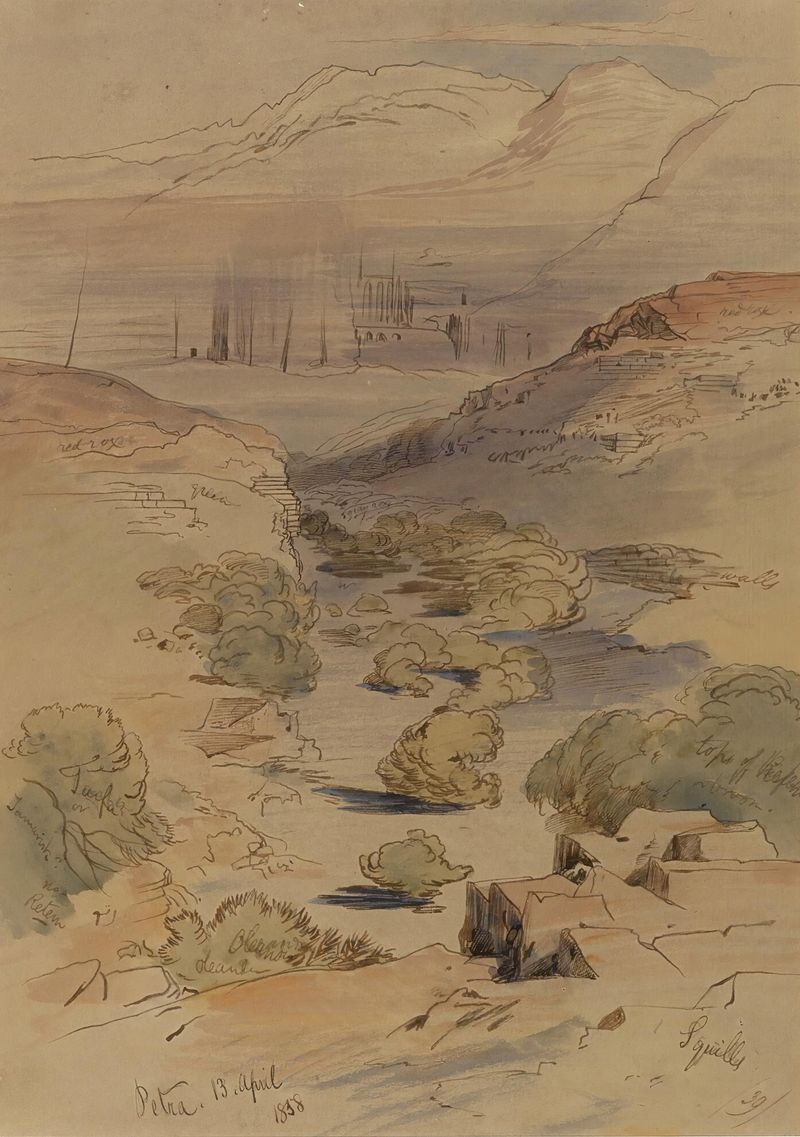
Petra
Edward Lear
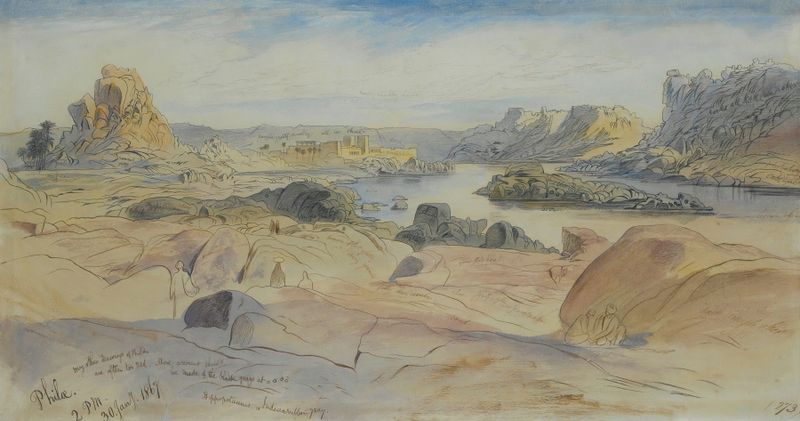
Philae, Egypt
Edward Lear
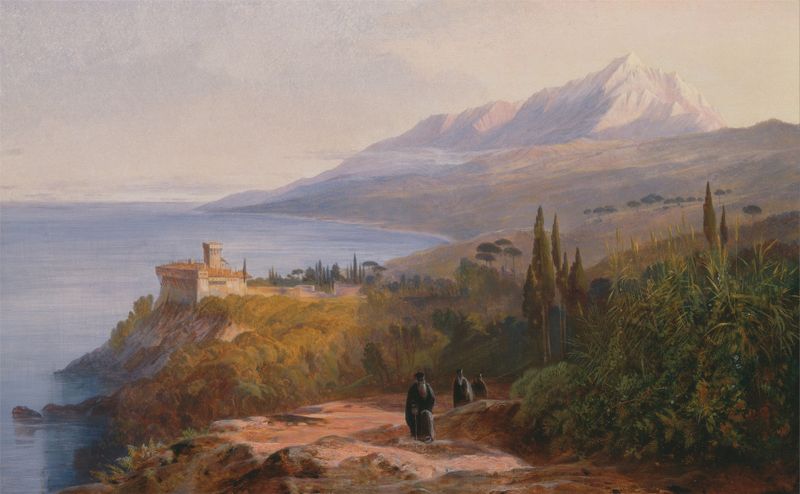
Mount Athos and the Monastery of Stavronikétes
Edward Lear
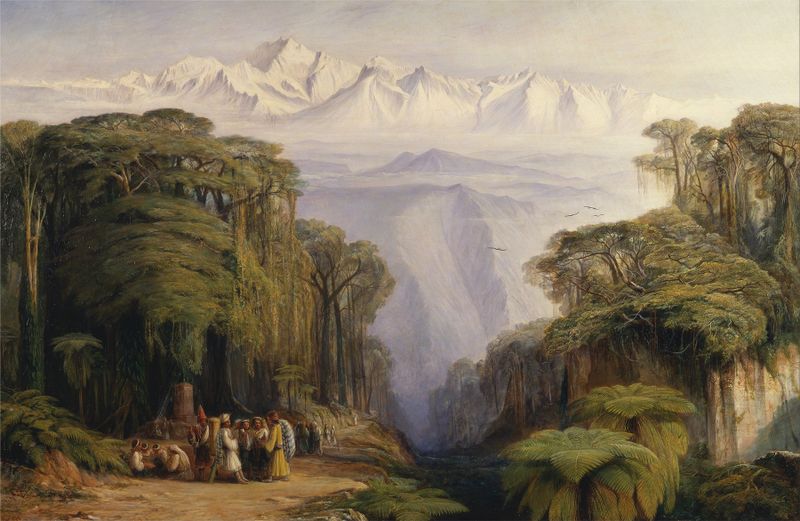
Kangchenjunga from Darjeeling
Edward Lear
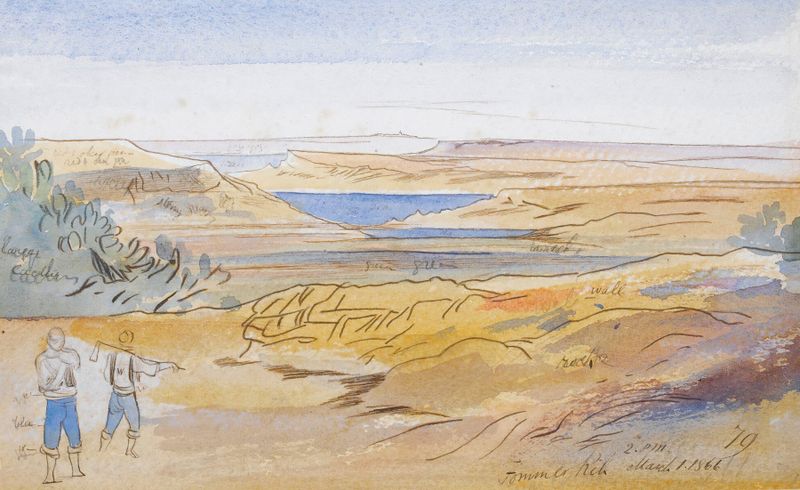
Fomm Ir-Rih, Malta
Edward Lear
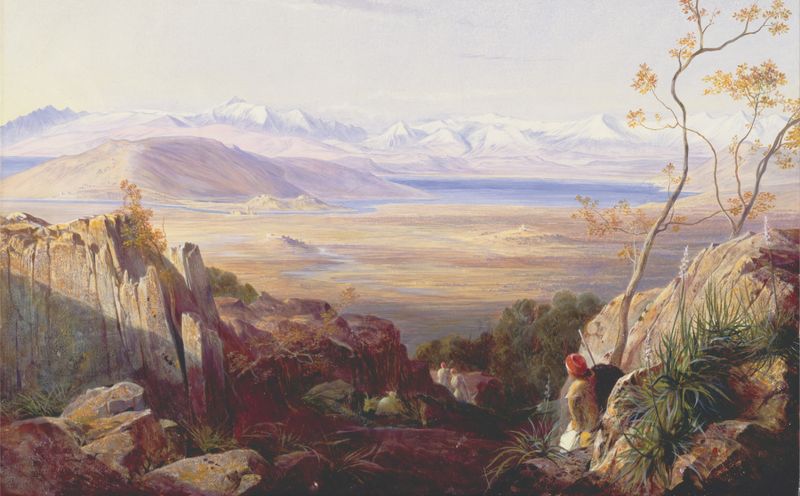
Butrinto, Albania
Edward Lear
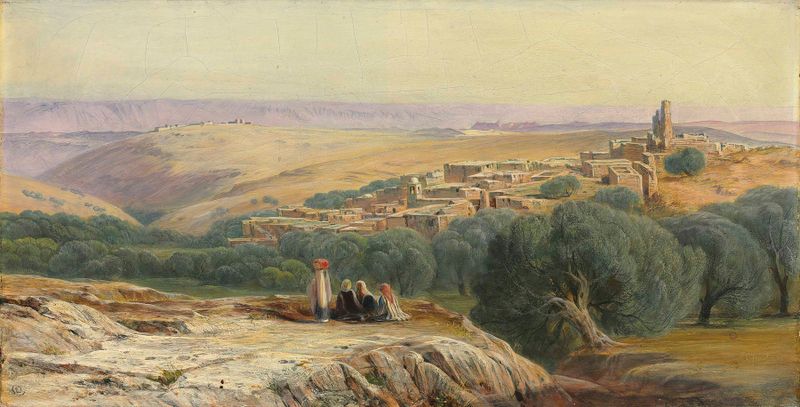
The Plains of Bethany
Edward Lear

Karnak, 9-30 pm, 22 January 1867
Edward Lear
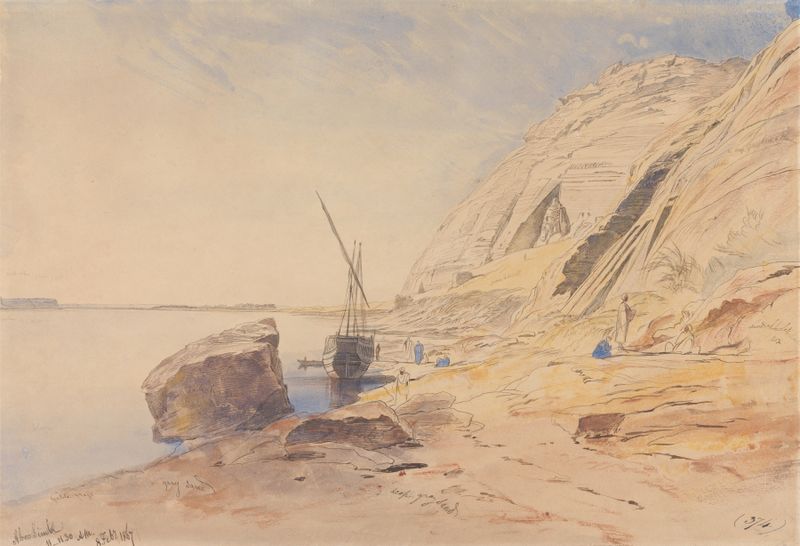
Abu Simbel, 11-11;30 am, 8 February 1867 (374)
Edward Lear

A View Of Mount Athos And The Pantokrator Monastery, Greece
Edward Lear





