Omlijsting met putti en vruchten — History & Facts
Is this a mirror — or a memory? In Omlijsting met putti en vruchten, Wenceslaus Hollar captures the fleeting essence of beauty, framing a world where innocence and exuberance intertwine in a delicate dance of colors and forms. Look closely at the intricate border of fruit and cherubic figures that encircle the central scene. Notice how the light gently caresses the ripe fruits, enhancing their luscious reds and yellows, while the soft, tender expressions of the putti evoke a sense of playfulness and joy. The ornate framing invites the viewer’s gaze inward, creating a harmonious balance between the ornamental and the central, leading you to ponder the significance of the imagery contained within. Deeper insights reveal a world where abundance and vulnerability coexist.
The fruits, symbols of temptation and bounty, suggest a fleeting moment of nature’s generosity, while the putti represent the innocence of childhood, reminding us that beauty is ephemeral and should be cherished. This carefully composed tableau subtly hints at a tension between desire and transience, urging the viewer to reflect on what is eternal and what is passing. In 1646, Hollar worked in the vibrant atmosphere of the Baroque period, a time marked by dramatic contrasts and a heightened appreciation for detail. Residing in London after fleeing his native Bohemia, he became an important figure in printmaking, forging connections with notable artists and patrons.
It was during this period of exploration and adaptation that he created this work, reflecting both the lavish aesthetics of his time and his own personal quest for artistic innovation.
More Artworks by Wenceslaus Hollar
Browse all →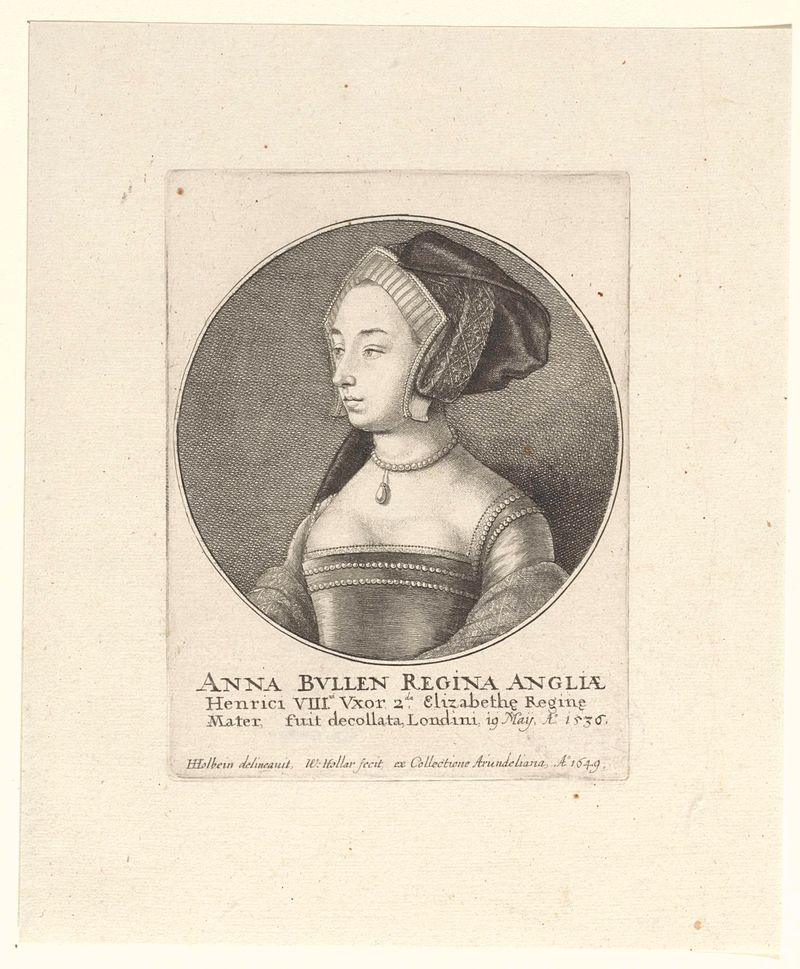
Portret van Anna Boleyn, koningin van Engeland
Wenceslaus Hollar
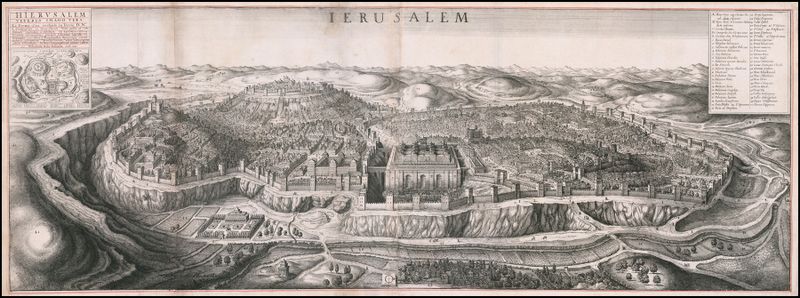
Bird’s eye view of Jerusalem
Wenceslaus Hollar
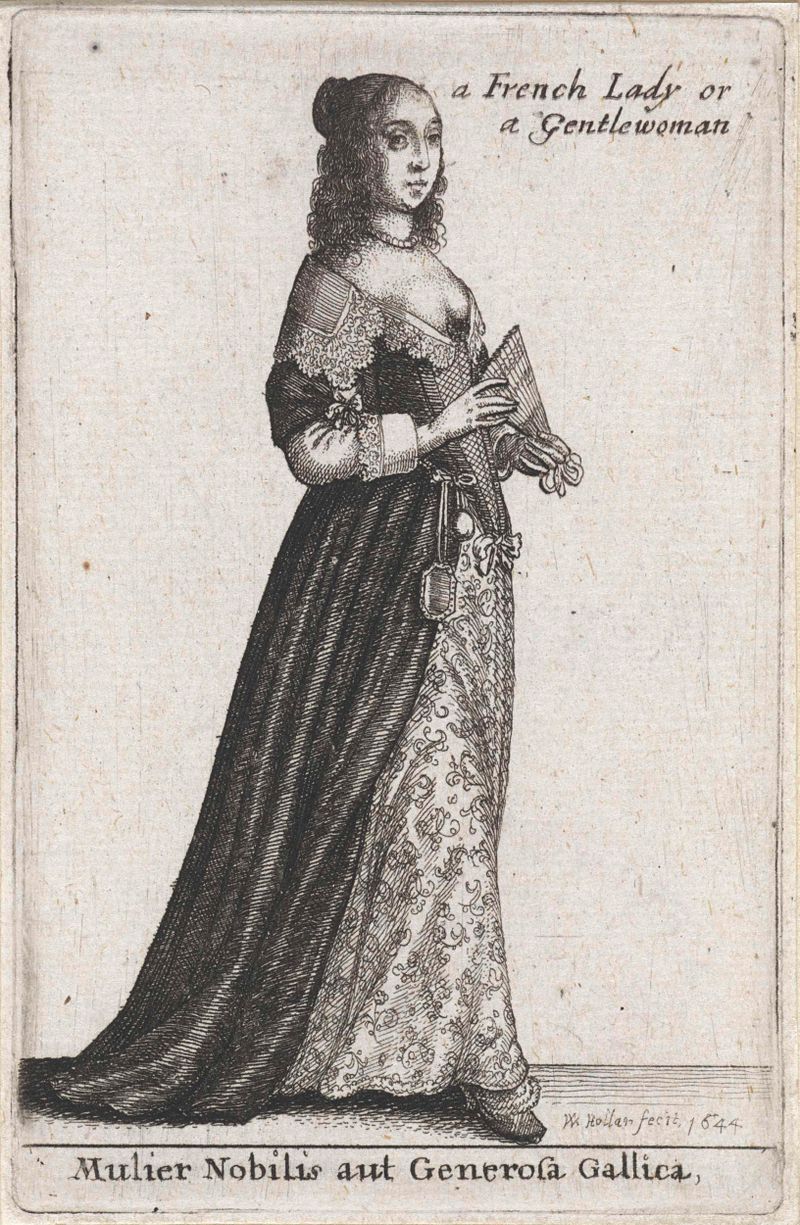
Mulier Nobilis aut Generosa Gallica / a French Lady or Gentlewoman
Wenceslaus Hollar
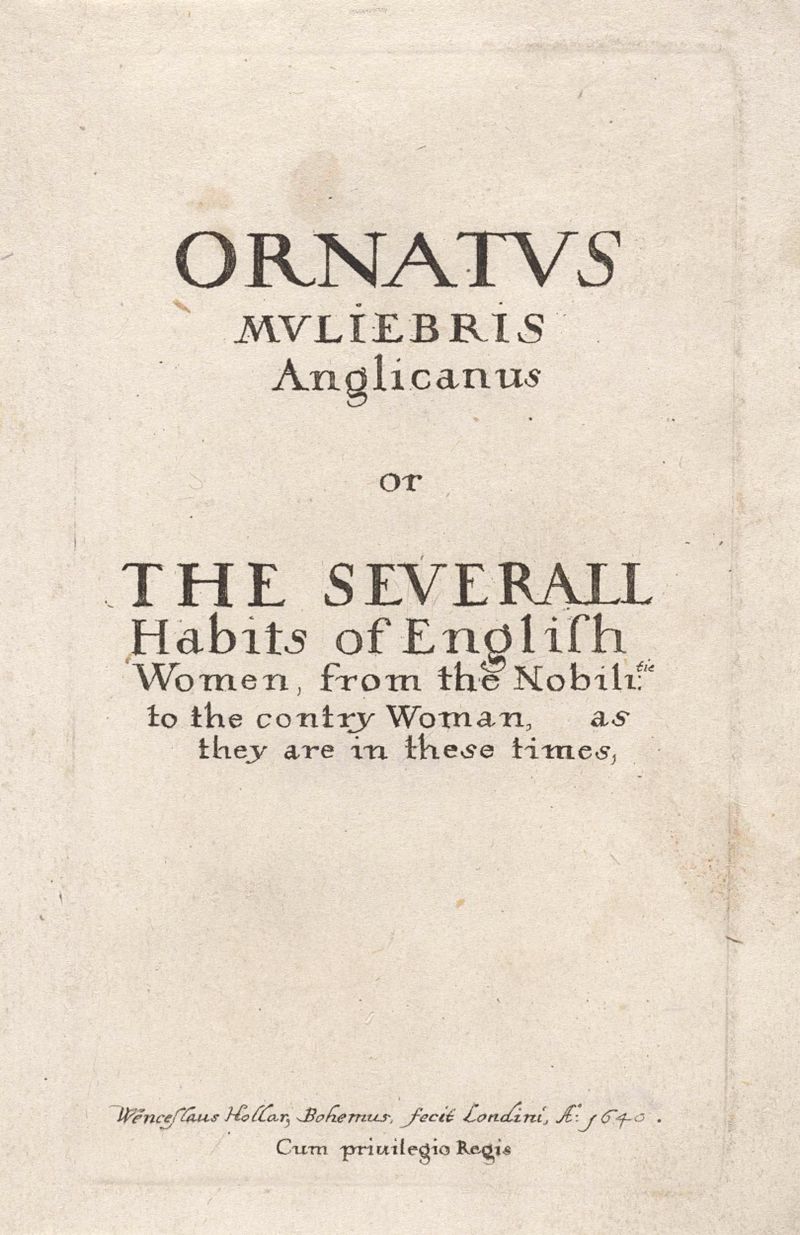
Titelprent voor: Ornatus Muliebris Anglicanus
Wenceslaus Hollar
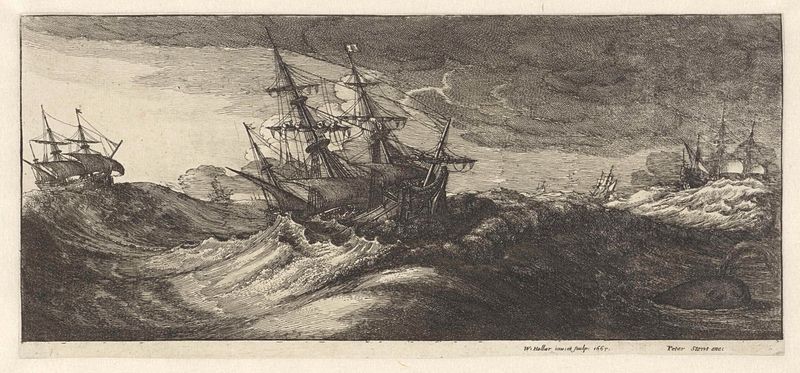
Oorlogsschepen en een walvis in een zeestorm
Wenceslaus Hollar
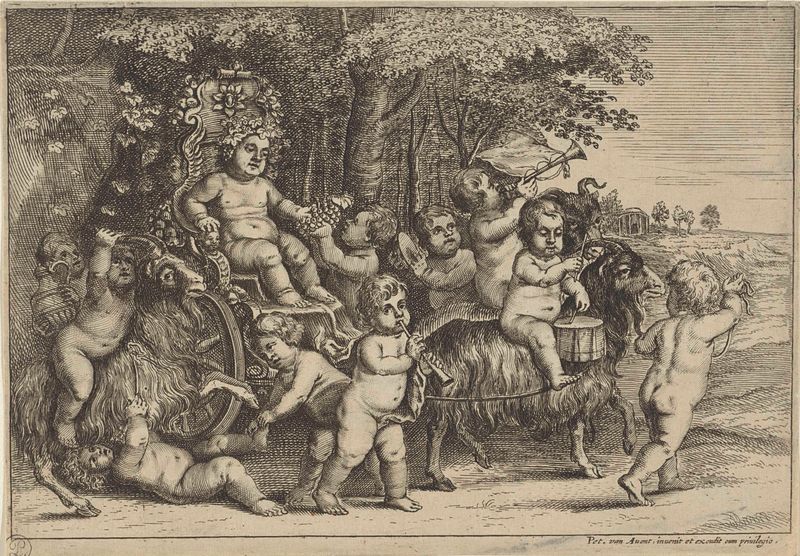
Optocht van bacchant en jongetjes op geiten
Wenceslaus Hollar
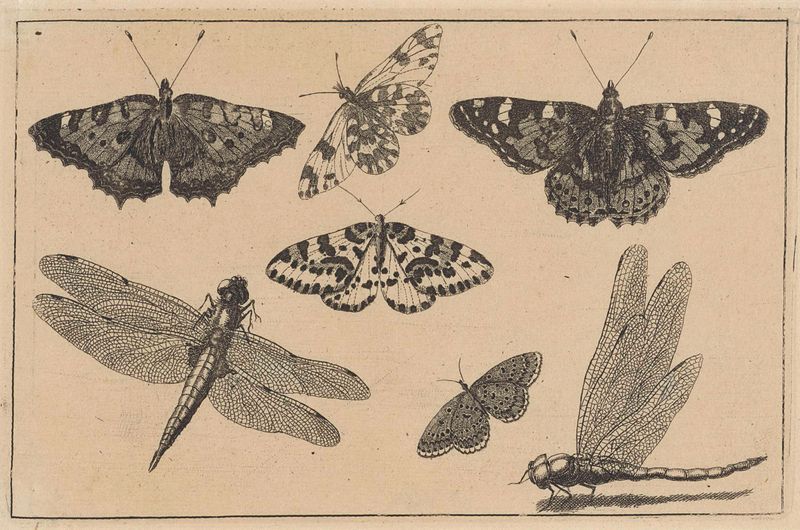
Twee libellen en vijf vlinders
Wenceslaus Hollar
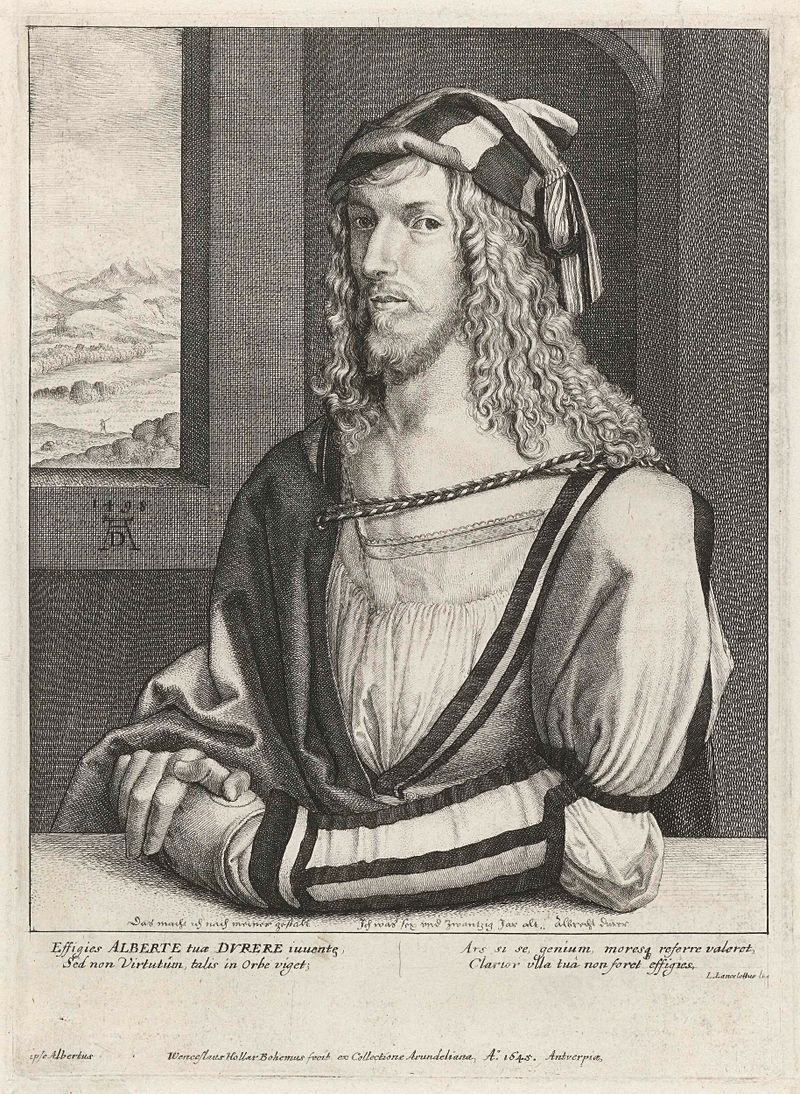
Portret van Albrecht Dürer
Wenceslaus Hollar
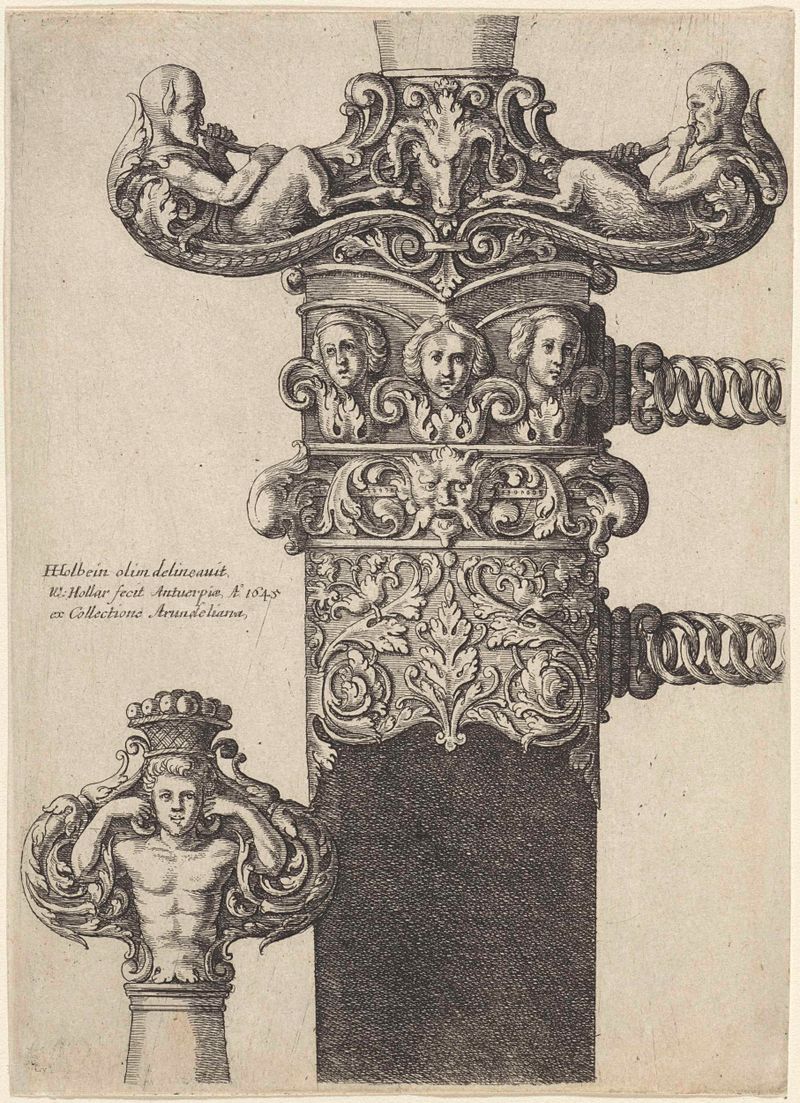
Ornamenteel ontwerp voor een dolk
Wenceslaus Hollar
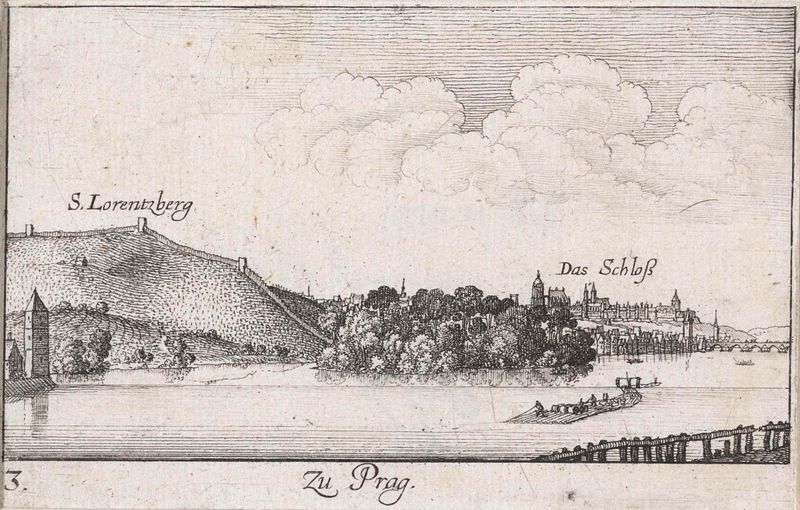
Gezicht op Praag vanaf de Moldau
Wenceslaus Hollar