
Omuro — History & Facts
The echoes of loss can transform landscapes, infusing them with a haunting beauty that speaks to the heart. Focus first on the delicate interplay of light and shadow across the canvas. The foreground presents a serene landscape, where vibrant hues of green and gold meld with the dark silhouette of the distant mountains. Notice how the artist expertly captures the shimmering surface of water, reflecting both the surrounding majesty and an undercurrent of melancholy.
Each brushstroke invites you to linger, to absorb the tranquil yet laden atmosphere. As you delve deeper, you may sense an inherent tension within the composition—grief masked by a picturesque facade. The gold in the trees glimmers like a memory too precious to let go, while the somber tones of the mountains loom like unspoken sorrow. This juxtaposition of beauty and sadness prompts reflections on life's transient nature, suggesting that what appears idyllic may harbor underlying pain.
The tranquil scene stirs a profound emotional resonance, transforming mere beauty into a vessel of longing. In 1940, during a time of political turmoil and social upheaval in Japan, the artist created this piece as an expression of his inner world. Yoshida Hiroshi, known for his woodblock prints and landscapes, infused his work with personal and cultural significance. As the nation faced challenges, his art became a refuge, capturing both the external beauty of the world and the internal struggles of the human spirit.
More Artworks by Yoshida Hiroshi
Browse all →
Crytomeria Avenue (Sugi Namiki)
Yoshida Hiroshi
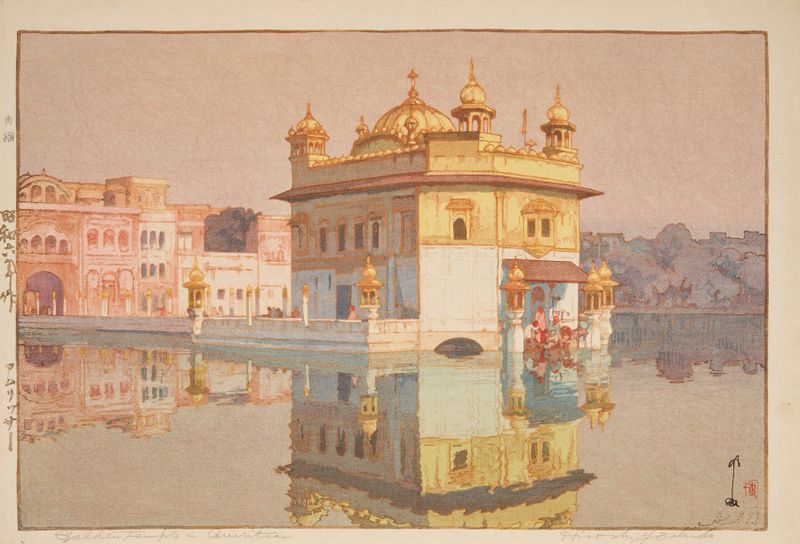
Amurissaa (Golden Temple in Amritsar)
Yoshida Hiroshi

High Gate in Ajmer (Ajumeru no Berenderuwajaa)
Yoshida Hiroshi

Fujiyama from Gotemba
Yoshida Hiroshi
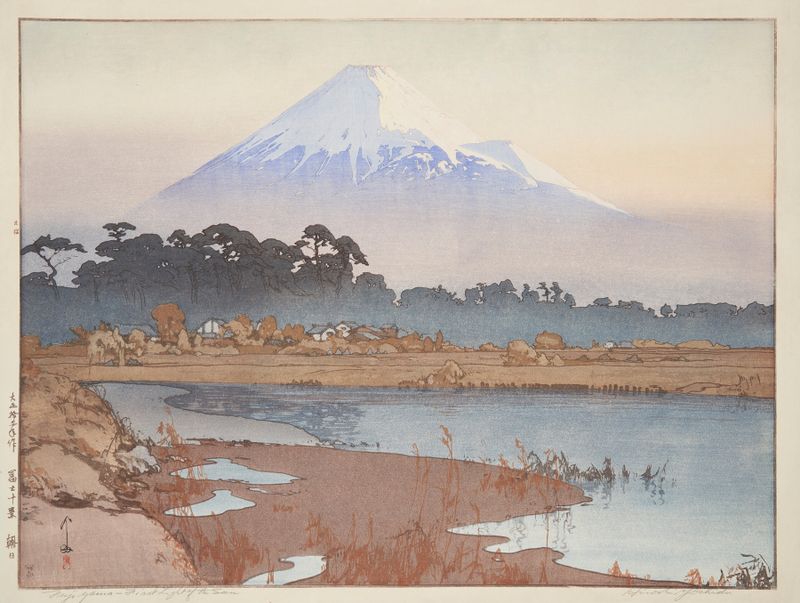
Asahi (Sunrise).
Yoshida Hiroshi
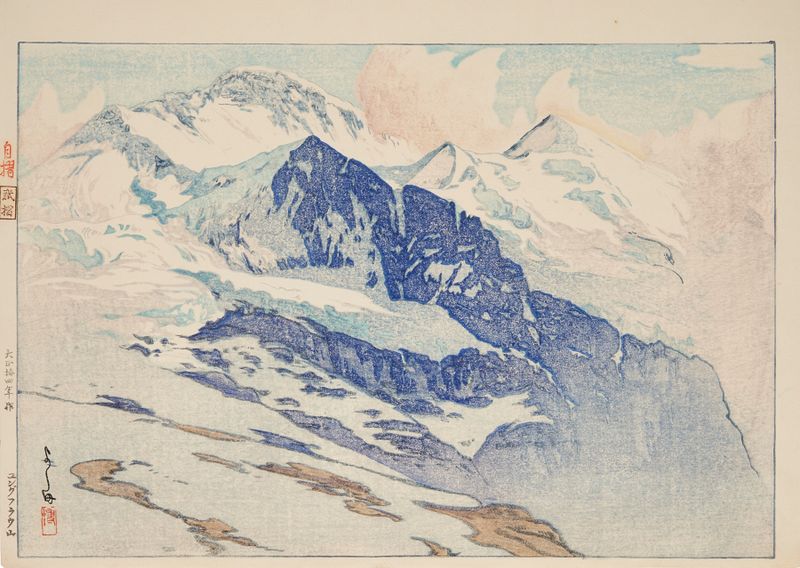
Yungufurau-yama (Jungfrau)
Yoshida Hiroshi
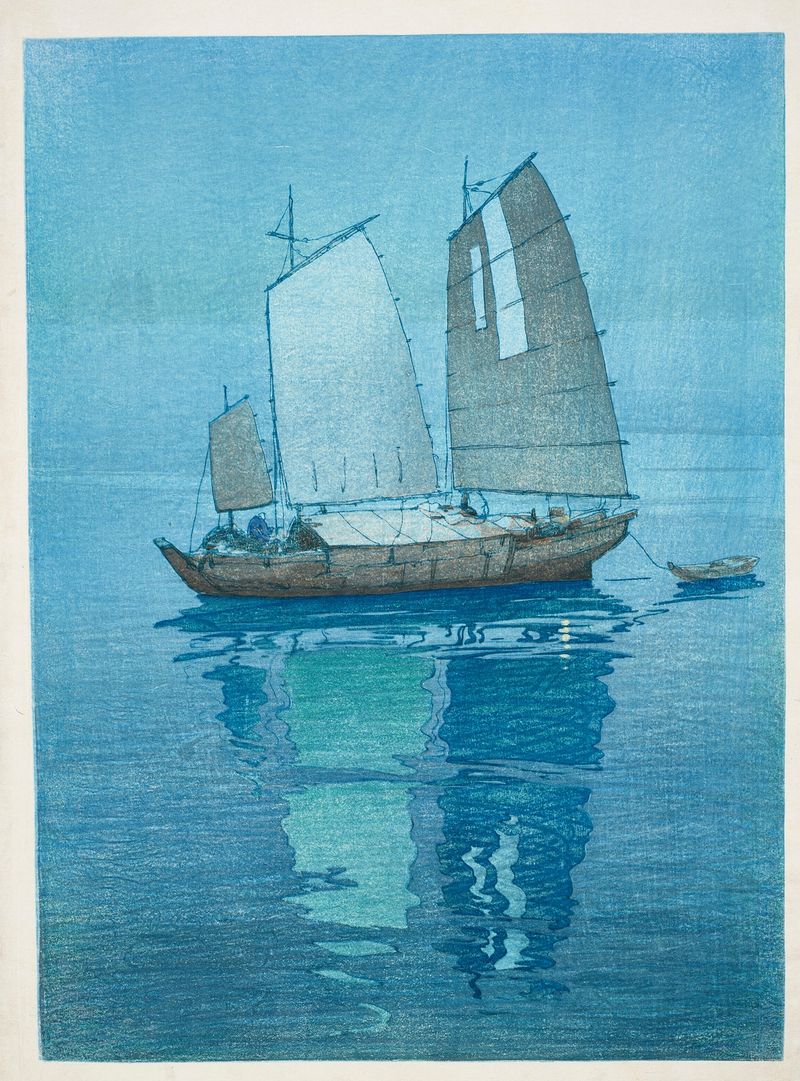
Hansen (Sailing Boats)
Yoshida Hiroshi
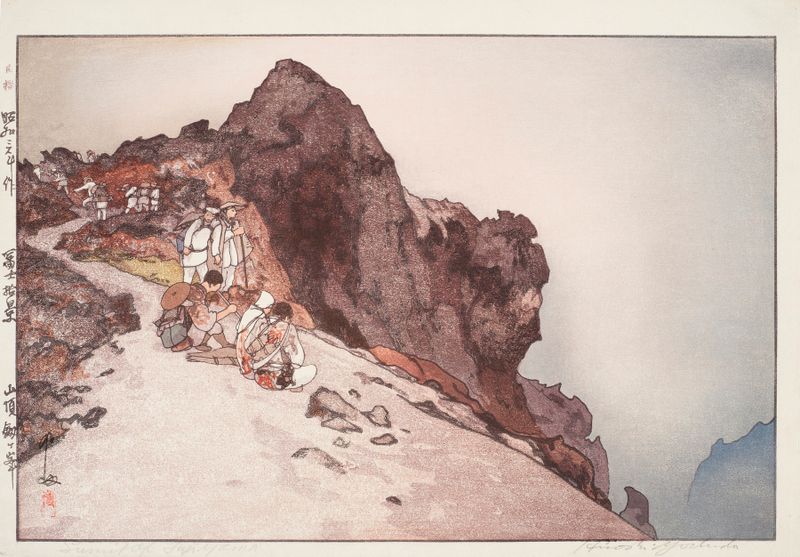
Summit of Mount Fuji
Yoshida Hiroshi

Sailing Boats — Night, from the series ‘The Seto Inland Sea’
Yoshida Hiroshi
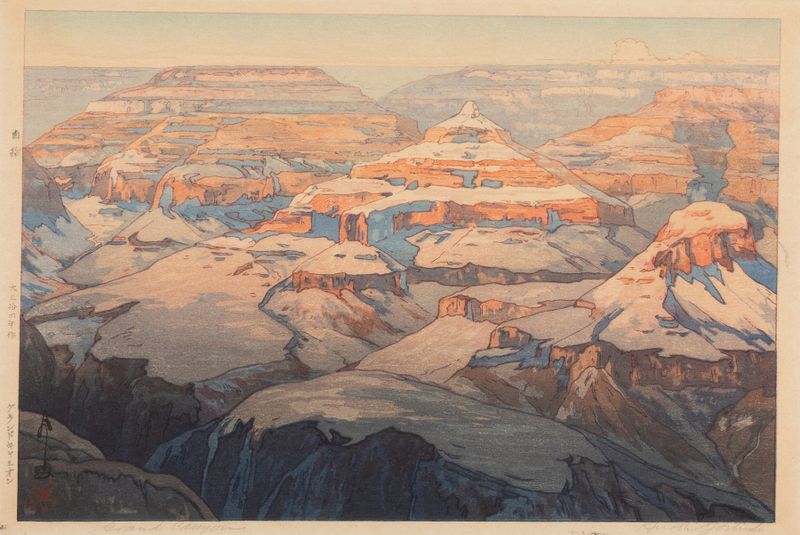
Grand Canyon (Gurando Kyanion)
Yoshida Hiroshi





