
On the Way to Golgatha ? — History & Facts
What first seizes the eye in On the Way to Golgatha ? is the sweep of the landscape, vast and almost dreamlike, dwarfing the small procession winding its way up the hill. The drama is not in a single figure, but in the sense of movement and burden that pulls the viewer’s gaze along the winding path toward the looming architecture in the distance. The crowd, pressed together and bristling with staffs and crosses, seems to dissolve into the earth itself, while a lone figure at the front holds a placard aloft—an odd, almost theatrical gesture that marks the gravity of the moment.
The palette is rich with earthy reds and ochres, the sky heavy with the weight of the coming event, yet the whole scene is suffused with a hazy, golden light that softens the brutality of the subject. Painted by Aert de Gelder between 1675 and 1700, this work stands at the crossroads of late Dutch Baroque painting and the enduring fascination with biblical narrative. In de Gelder’s time, such scenes were commissioned by private collectors and religious patrons eager to possess images that stirred both devotion and contemplation. The Yorck Project’s inclusion of this painting in its collection speaks to the ongoing interest in these meditative, story-rich canvases, even when the specifics of their origins are lost to history.
The painting’s ambiguity—its uncertain title, its almost anonymous crowd—invites us to linger, searching for meaning in the faces and gestures, and to imagine the world that produced such a vision.
More Artworks by Aert de Gelder

Portrait of a Young Woman
Aert de Gelder

Hermanus Boerhaave (1668-1738), Professor of Medicine at the University of Leiden, with his Wife Maria Drolenvaux (1686-1746) and their Daughter Johanna Maria (1712-91)
Aert de Gelder
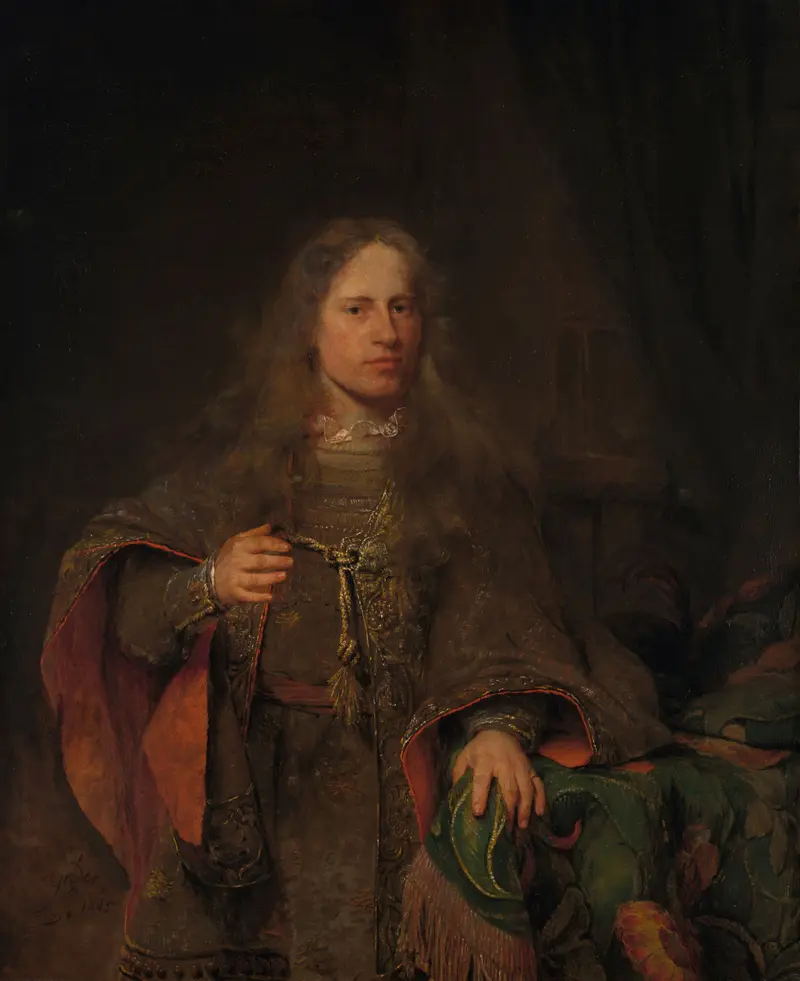
Portrait of Ernest de Beveren, Lord of West-IJsselmonde and De Lindt
Aert de Gelder
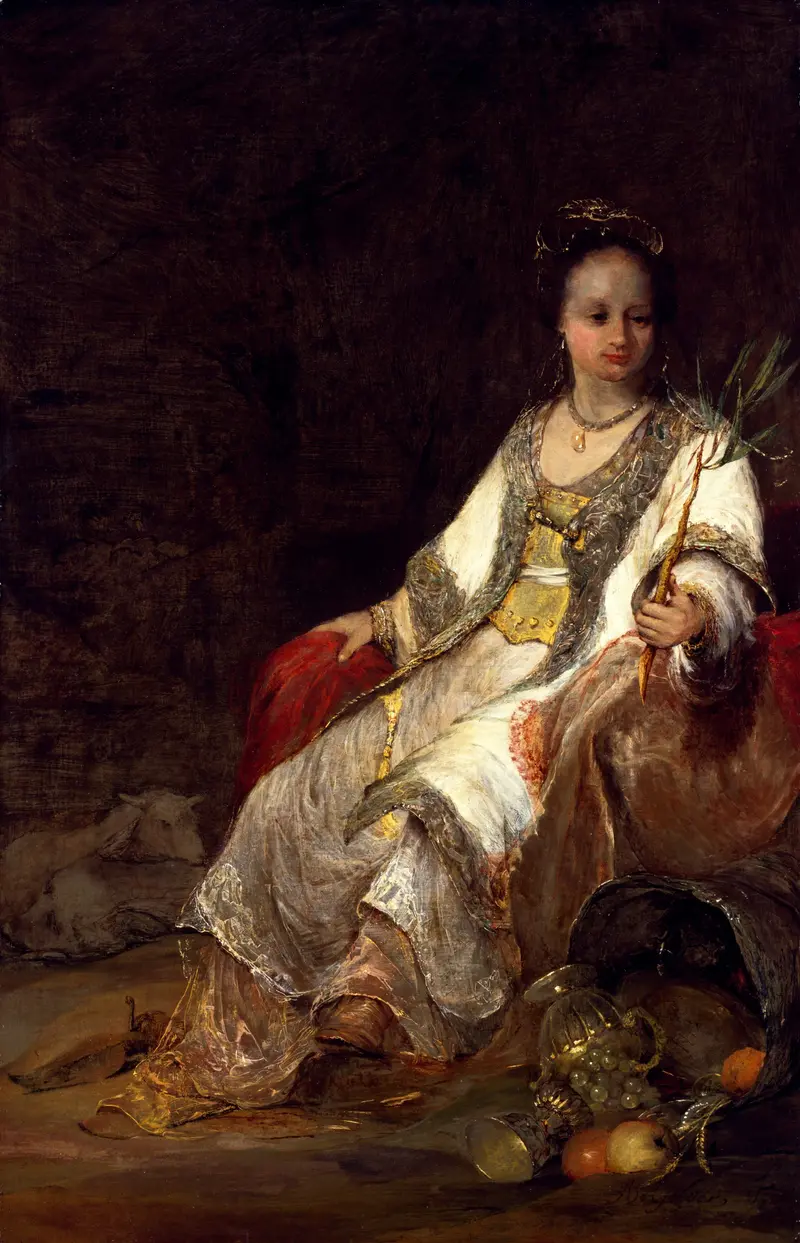
Allegory on Peace
Aert de Gelder
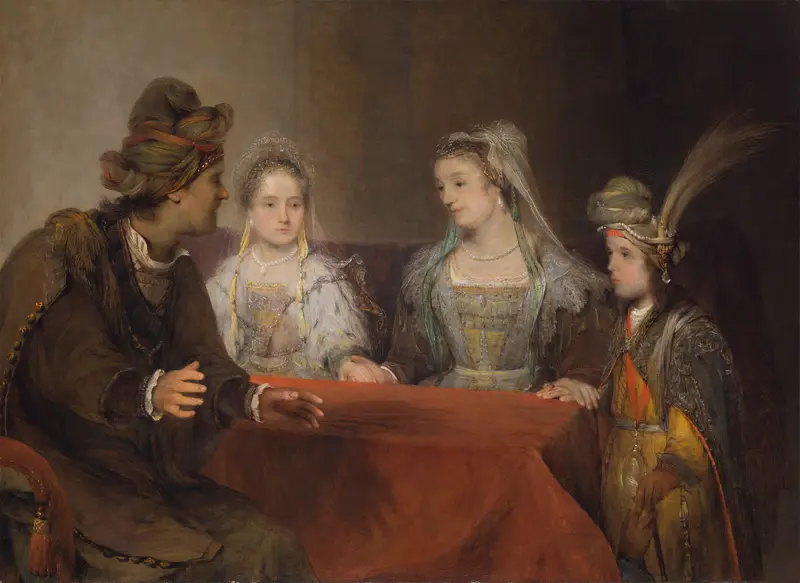
Edna Entrusting Tobias with Sarah
Aert de Gelder
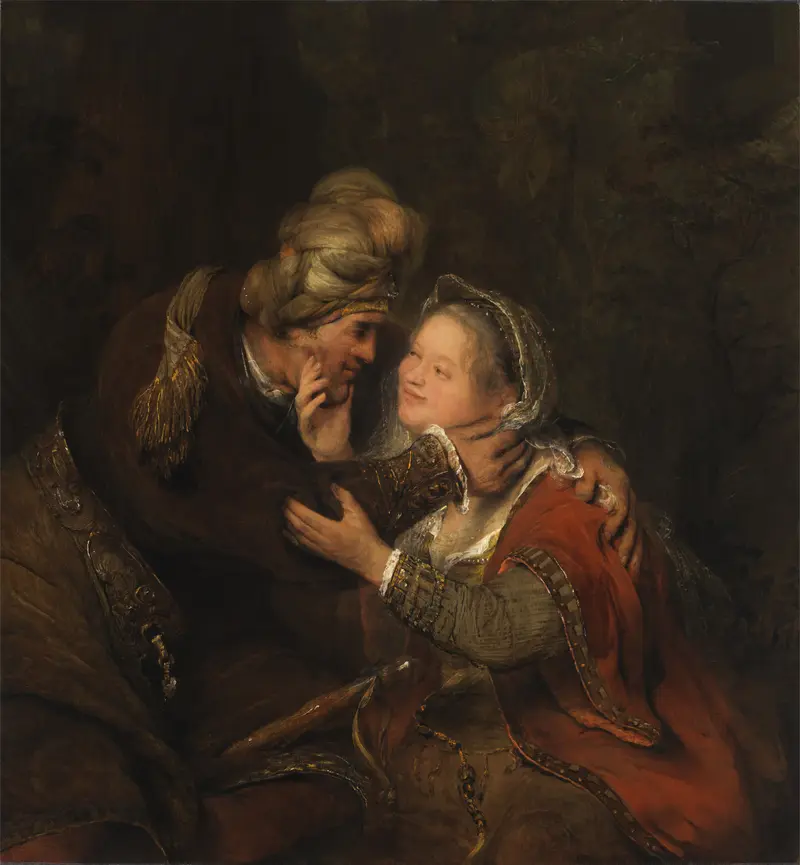
Judah and Tamar
Aert de Gelder
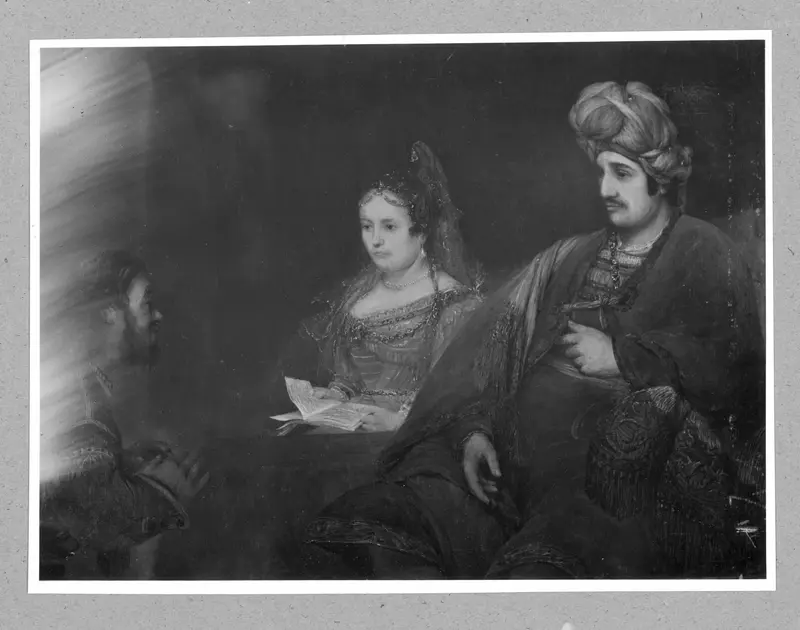
Hamas before Ahasver
Aert de Gelder
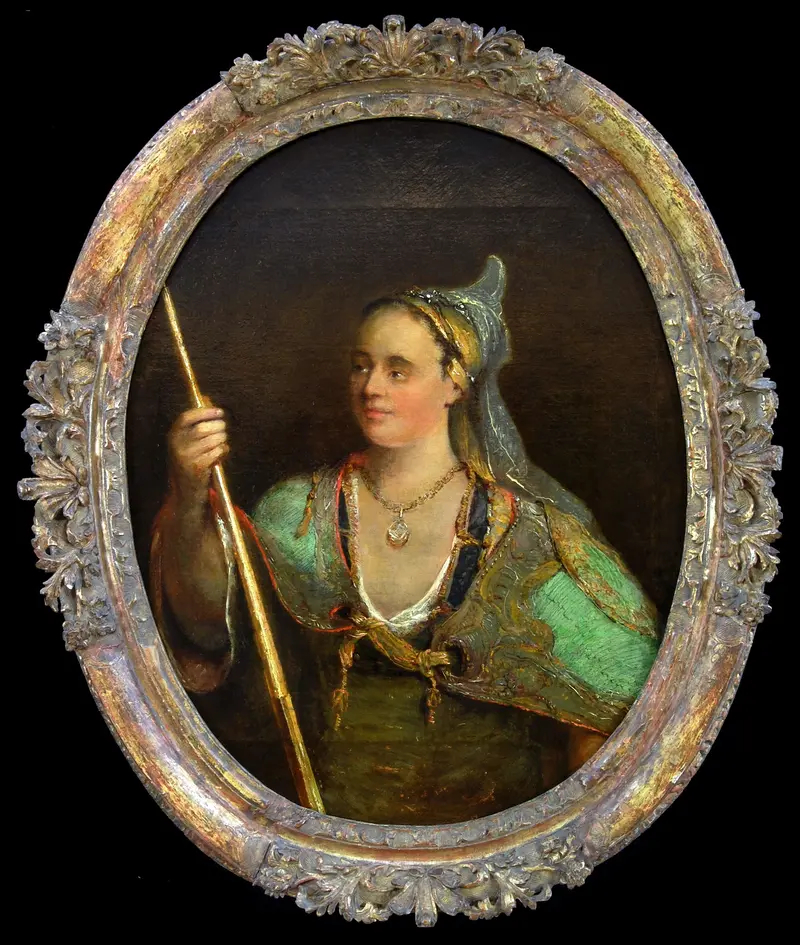
A female allegorical figure
Aert de Gelder
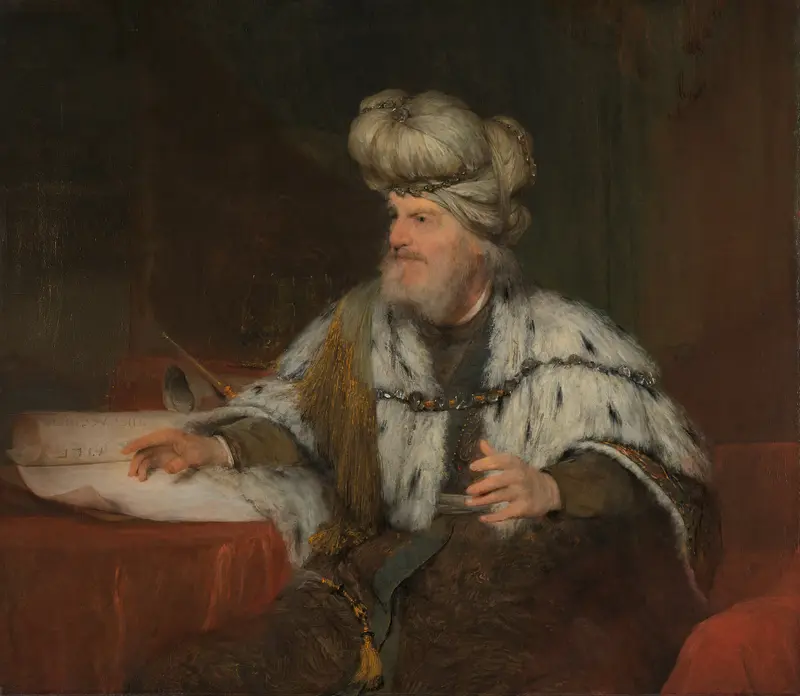
King David
Aert de Gelder
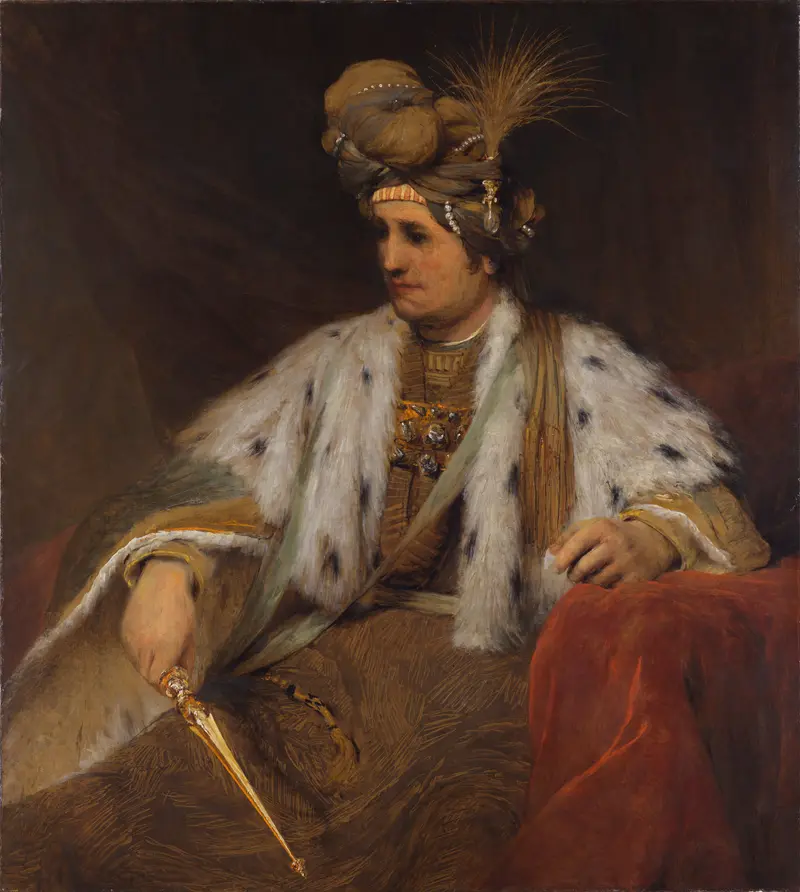
Old Testament Figure, Probably King Solomon
Aert de Gelder





