
Onvoltooid landschap — History & Facts
Onvoltooid landschap by Constant Permeke features a vibrant landscape filled with bold colors and abstract forms. The painting showcases a dynamic interplay of greens, blues, and yellows, creating a sense of movement and life. The figures in the landscape are stylized, blending into the environment rather than standing out.
This approach invites viewers to immerse themselves in the scene rather than focus on individual elements. The painting is executed in oil on canvas, a medium that allows for rich texture and depth. Permeke's brushwork is expressive, with thick strokes that add a tactile quality to the surface. The approximate dimensions of the artwork are 100 x 80 cm, making it a substantial piece that commands attention.
The colors are applied in a way that enhances the emotional resonance of the landscape. Constant Permeke was a prominent figure in Belgian expressionism, known for his depictions of rural life and landscapes. 'Onvoltooid landschap' reflects his interest in the relationship between humanity and nature. An interesting fact about this work is that it was created during a time when Permeke was exploring more abstract forms, moving away from traditional representation.
This painting exemplifies his unique style and the emotional intensity he sought to convey.
More Artworks by Constant Permeke
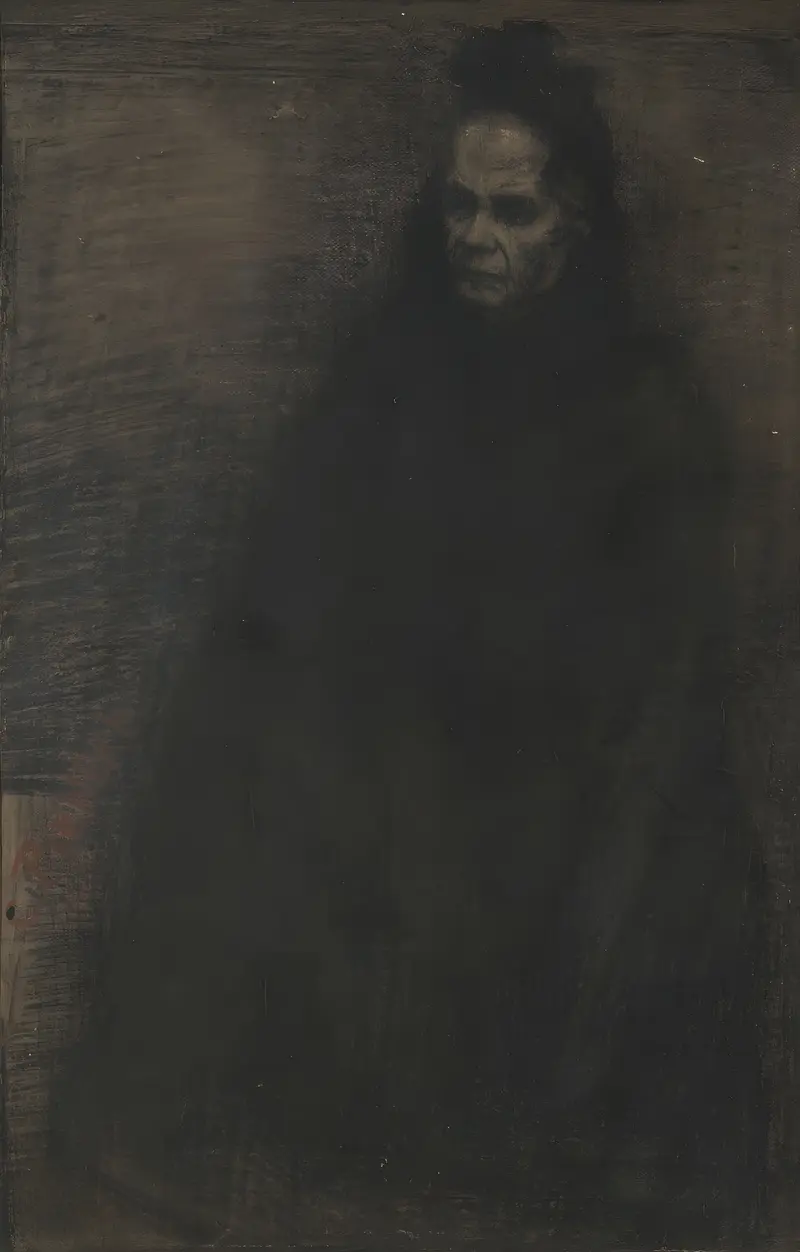
De moeder van de schilder
Constant Permeke
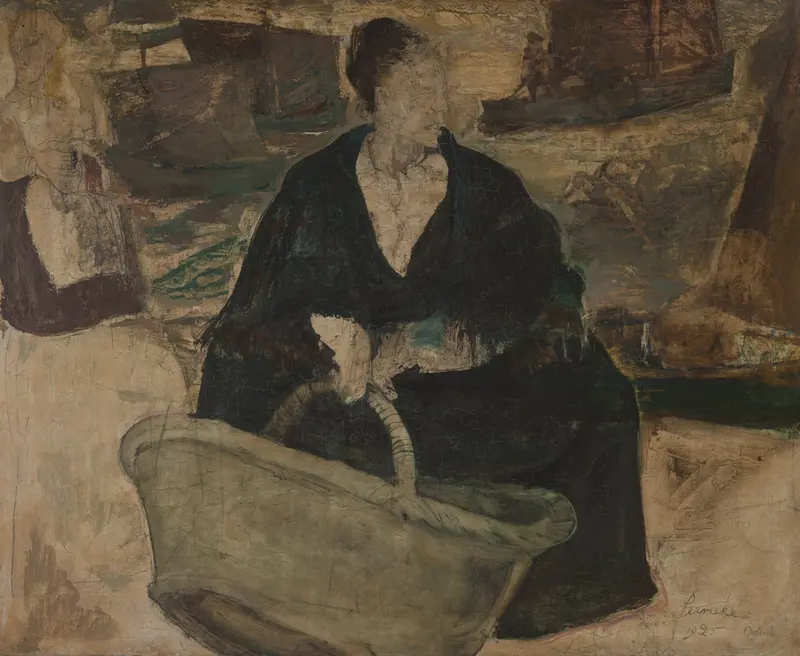
Fisherman’s Wife
Constant Permeke
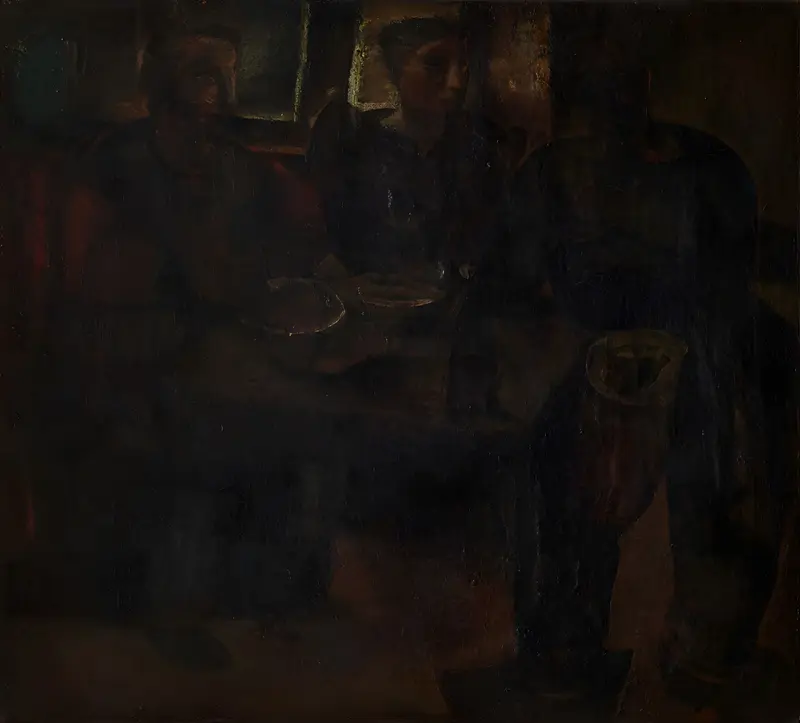
Het maal van de vissers
Constant Permeke

Rechtstaand naakt
Constant Permeke

De roeier
Constant Permeke

Den welgezinden
Constant Permeke
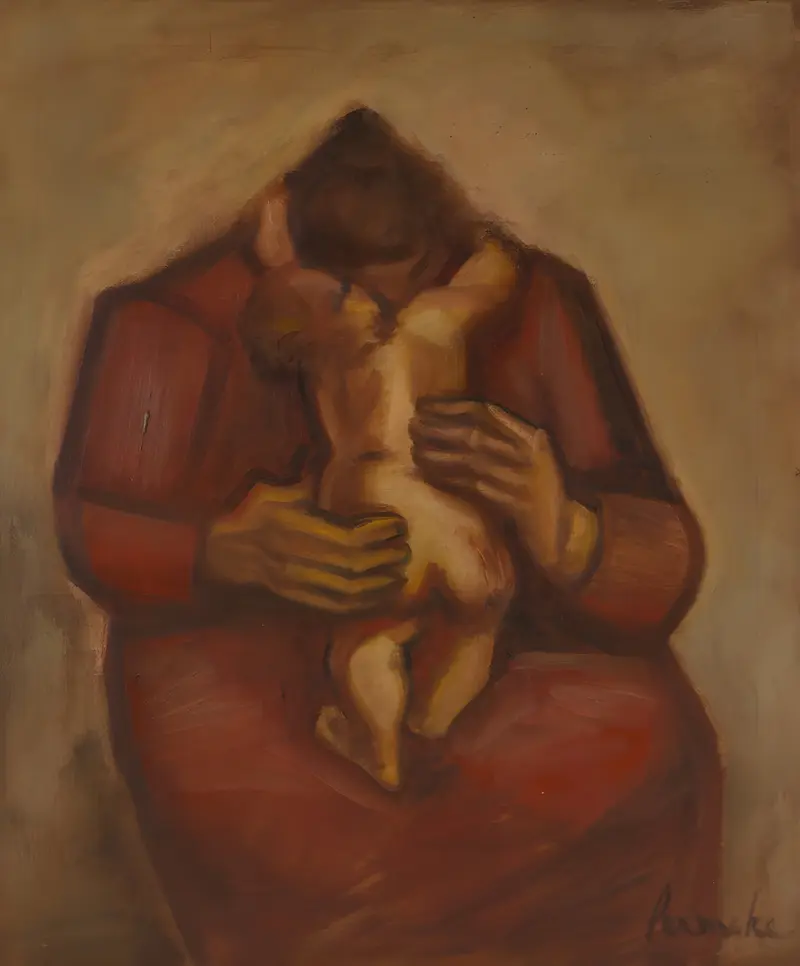
Moederschap
Constant Permeke
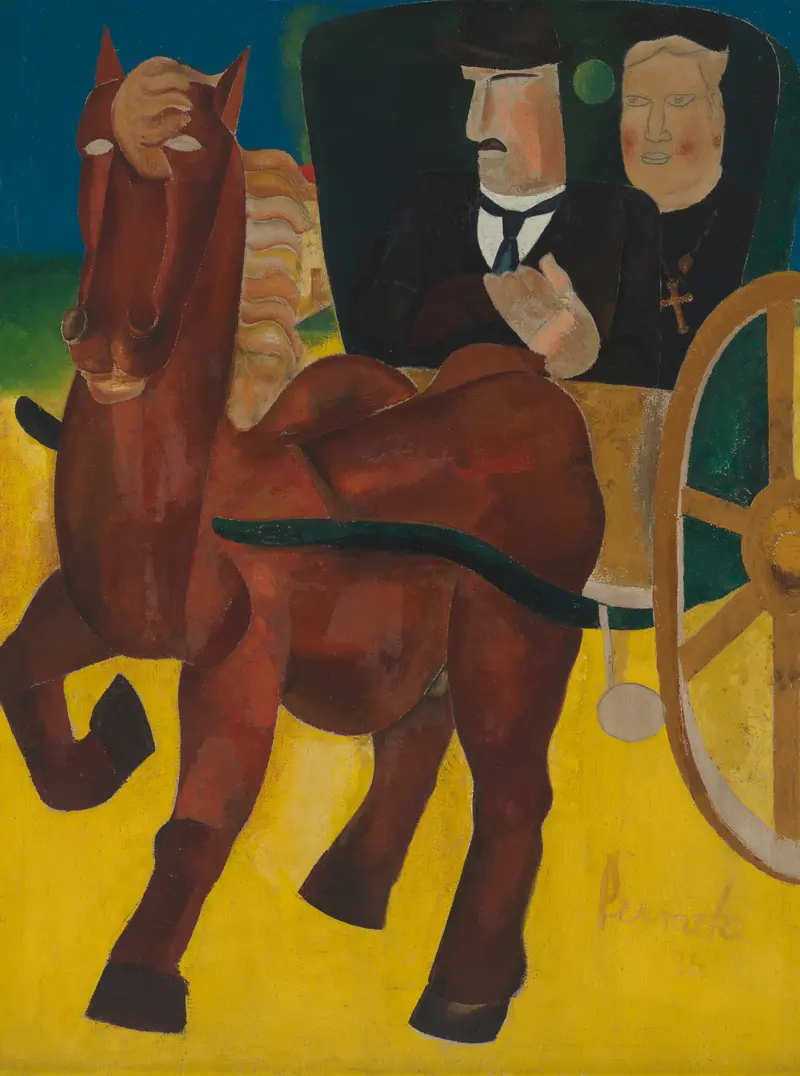
De Sjees
Constant Permeke
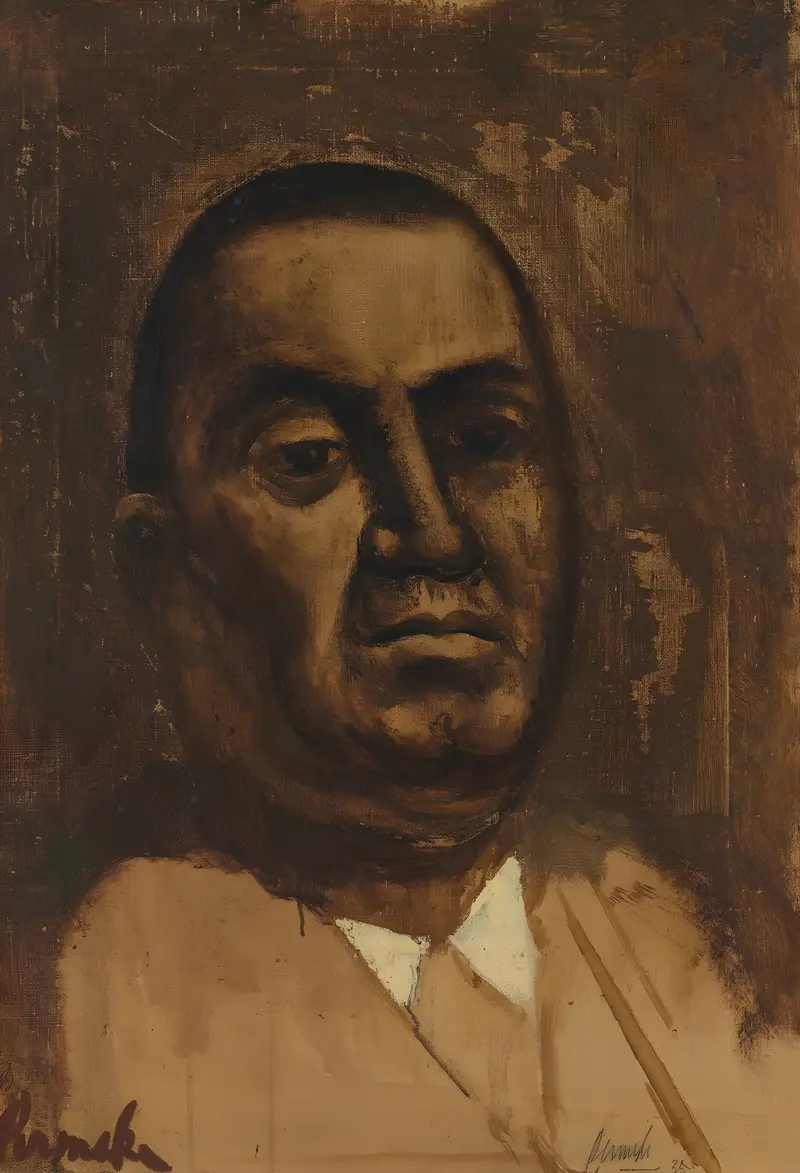
Portret van Gustave Van Geluwe
Constant Permeke
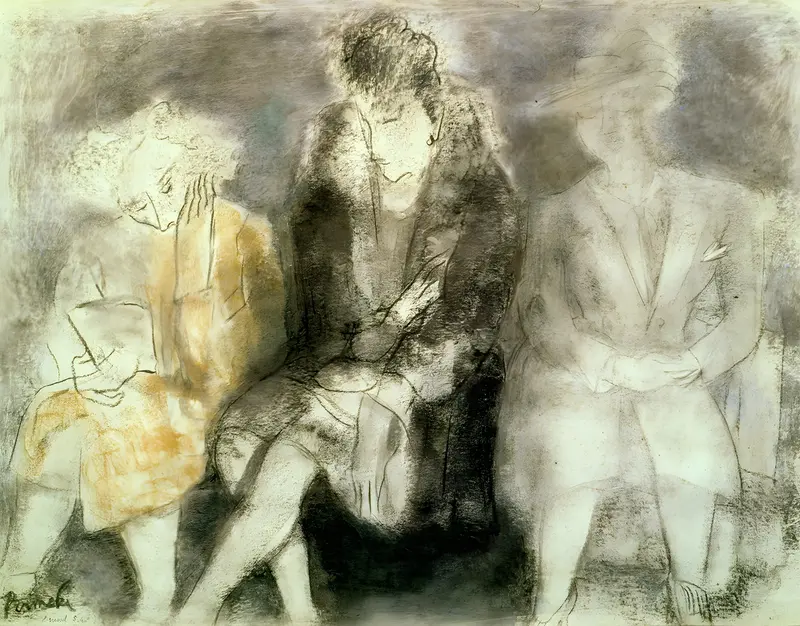
Drie Dames
Constant Permeke
More Landscape Art

The Starry Night
Vincent van Gogh

View of Delft
Johannes Vermeer

Water Lilies
Claude Monet

The Grand Canal, Venice, looking north-west from the Ca' Corner to the Ca' Contarini degli Scrigni, with the campanile of Santa Maria della Carità
Canaletto

Windsor Castle
Canaletto

The Grand Canal looking North-East from the Palazzo Dolfin-Manin to the Rialto Bridge
Canaletto