Ooi met twee lammeren — History & Analysis
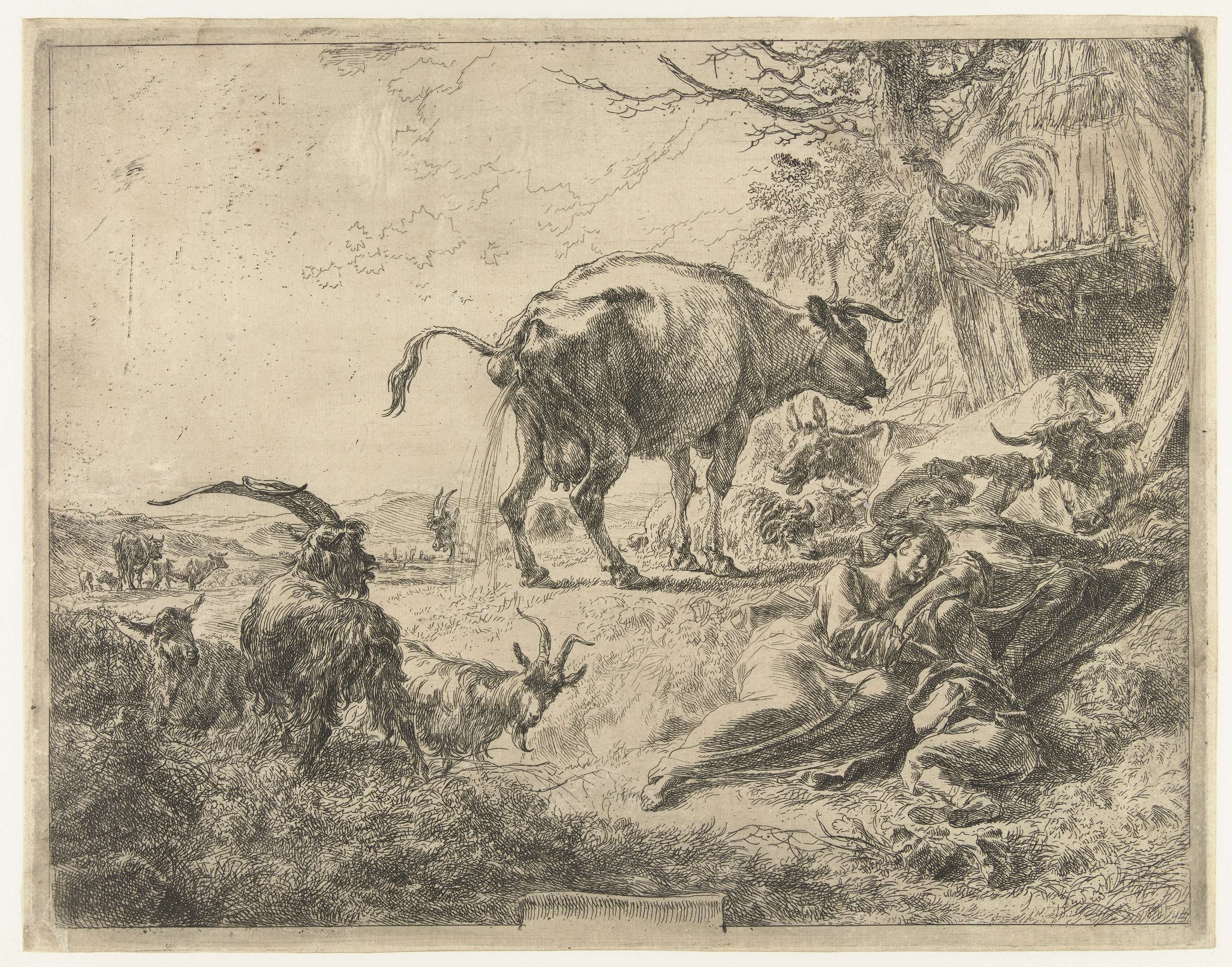
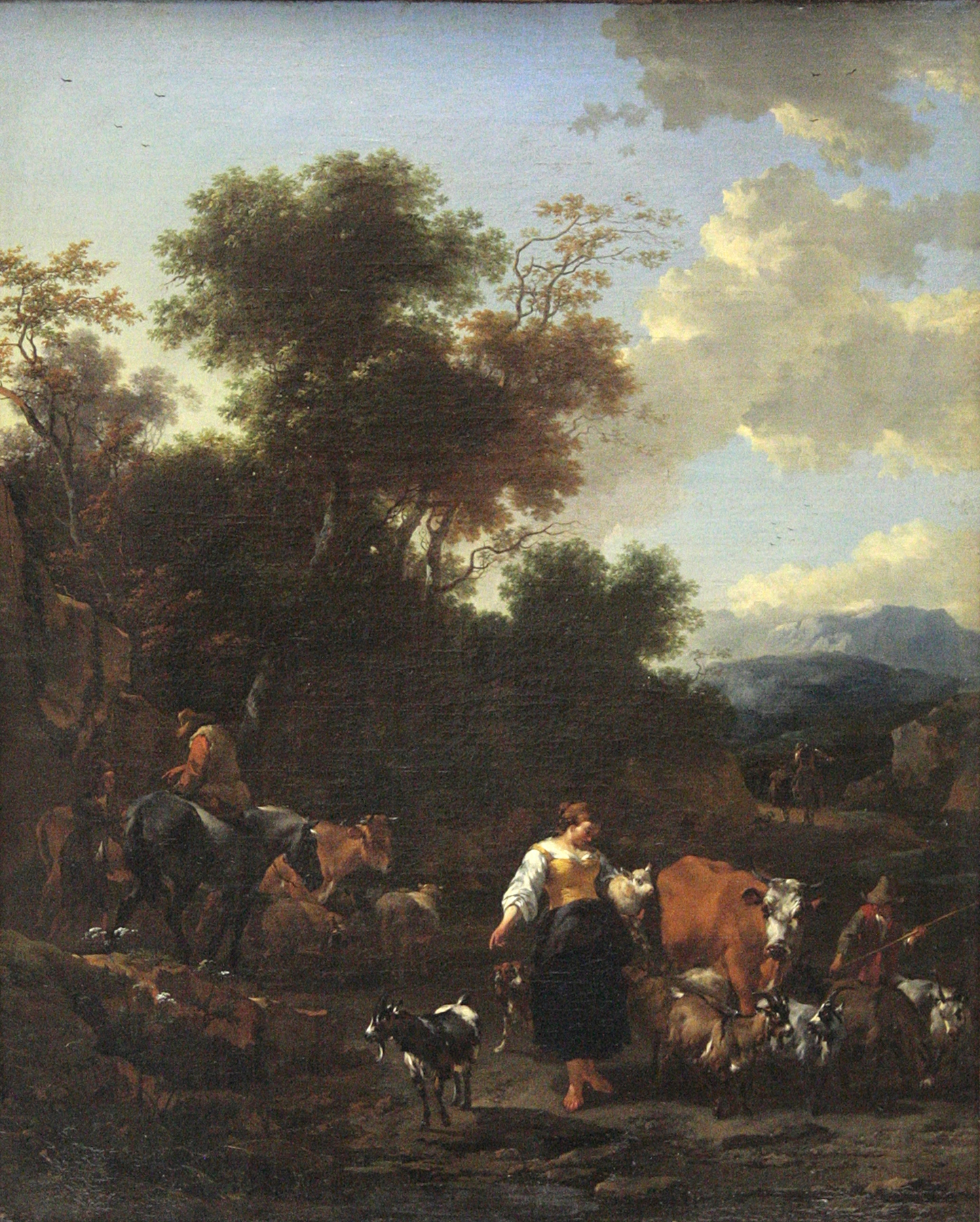
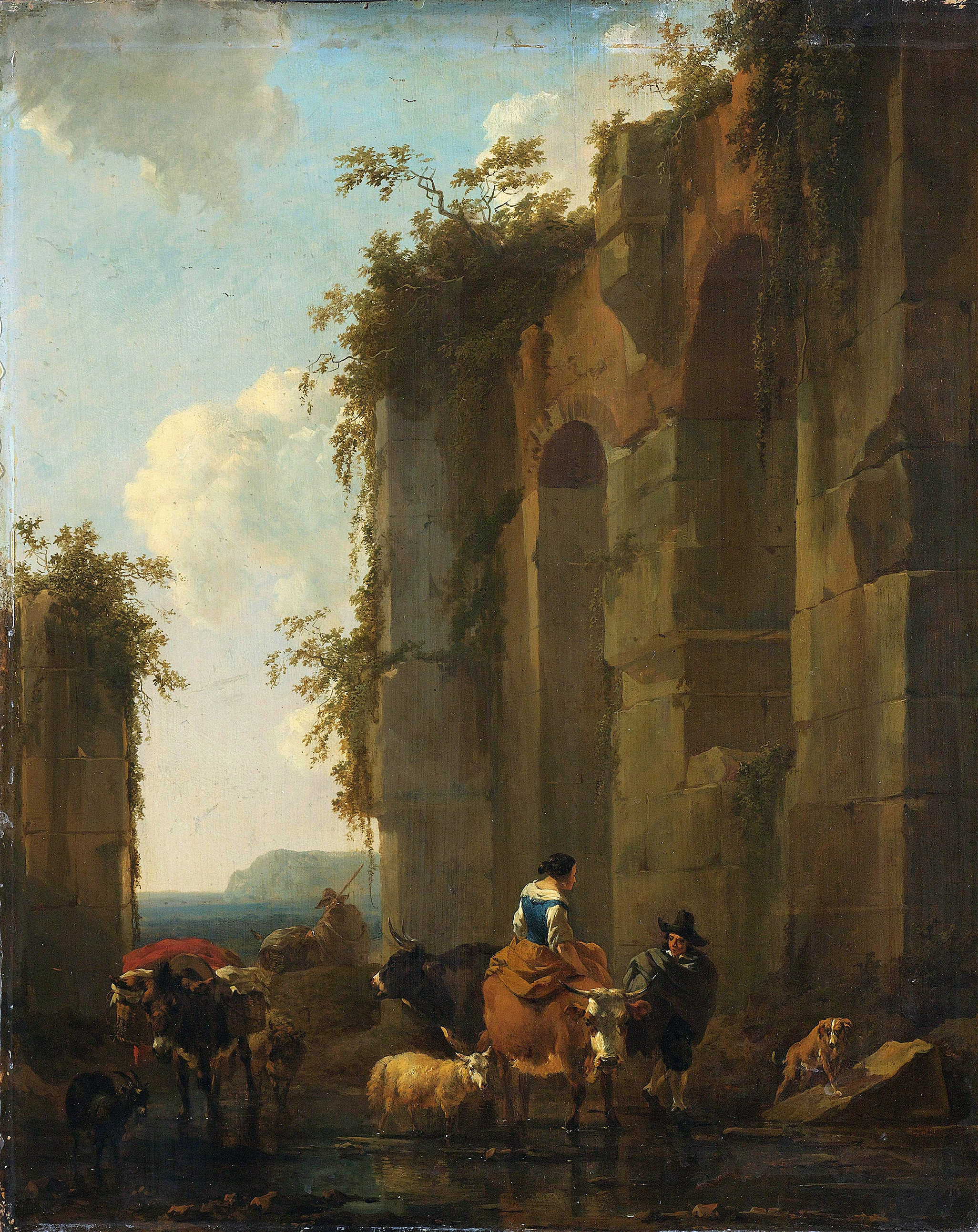
Can beauty exist without sorrow? In Ooi met twee lammeren, the gentle charm of innocence unfolds before us, whispering tales of tenderness amidst the inevitable passage of time. Look to the center of the canvas, where a serene ewe stands protectively over her two lambs. The soft outlines and warm colors create an inviting atmosphere, almost as if the viewer could reach out and touch the velvety wool.
Notice how the light cascades over the scene, illuminating the delicate features of the animals while casting soft shadows that hint at the underlying complexities of pastoral life. The harmonious composition draws one’s eyes to the mother, embodying both nurturing and vulnerability. Delve deeper, and you'll find an intriguing contrast between the gentle innocence of the lambs and the stark reality of their environment. The lush green backdrop, vibrant and alive, suggests a bountiful existence, yet the presence of the maternal figure evokes questions about protection and loss.
Each detail, from the shimmering highlights on the lambs’ coats to the earthy tones of the ewe, reflects a world that is both serene and tinged with the fragility of life. Between 1646 and 1652, Nicolaes Pietersz Berchem found himself in a dynamic period of his career in the Netherlands, marked by a flourishing art scene. His focus on pastoral scenes and rustic charm mirrored the interests of a society increasingly captivated by the beauty of nature and rural life. As he painted this work, Berchem was navigating the transition from his time in Italy, fusing influences and techniques to create a style that celebrated both innocence and the complexity of existence.