
Opal Beach — History & Facts
In Opal Beach, Whistler invites us into a dreamlike reverie where tranquility and sorrow intertwine, creating an ethereal landscape that transcends mere representation. Focus on the delicate hues of pastel blues and soft pinks that wash over the canvas, casting a languid glow reminiscent of twilight. The gentle curves of the shoreline lead your eye toward the horizon, where a shimmery interplay of light suggests the shimmer of water beneath an opalescent sky. Look closely at the figures dotting the beach; their forms are almost spectral, blending seamlessly into the soft background, as if they are mere echoes of a fleeting moment.
This placid composition is punctuated with hints of gold, emphasizing the beauty inherent in melancholy. Within this serene tableau lies an emotional duality. The calm surface of the sea belies the tumultuous feelings that such a setting can evoke—longing, nostalgia, and the fragility of memory. The use of soft brushstrokes creates a sense of intimacy, inviting viewers to reflect not just on beauty, but on the ephemeral nature of life and the bittersweet allure of dreams.
This painting captures the essence of a moment that feels both idyllic and haunting, drawing us into a contemplative space where the mind can wander. Painted between 1882 and 1884, this work emerged during a period when Whistler was deeply engaged in exploring color and light, moving away from traditional representation towards a more atmospheric style. Living in London, he was at the forefront of the Aesthetic Movement, which prioritized beauty for beauty's sake. His innovative techniques and mastery in blending tones marked a significant evolution in his artistic journey, making this piece a poignant reflection of his artistic philosophy at the time.
More Artworks by James Abbott McNeill Whistler
Browse all →
Nocturne in Blue and Silver
James Abbott McNeill Whistler
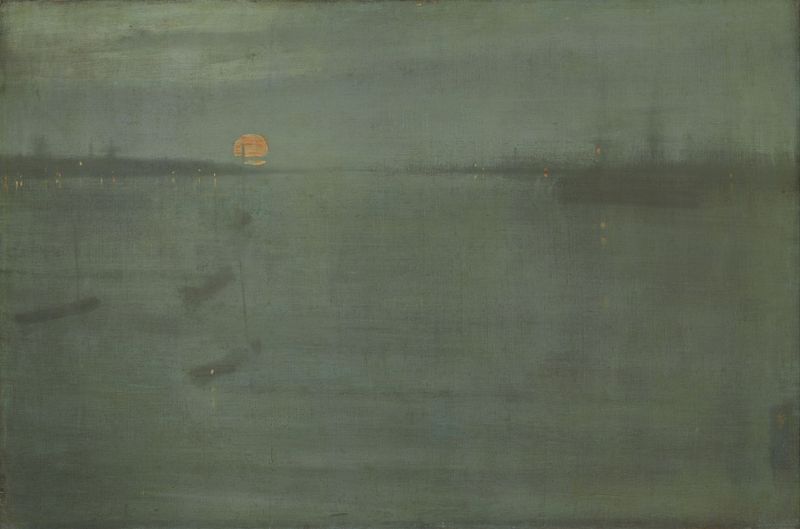
Nocturne: Blue and Gold–Southampton Water
James Abbott McNeill Whistler
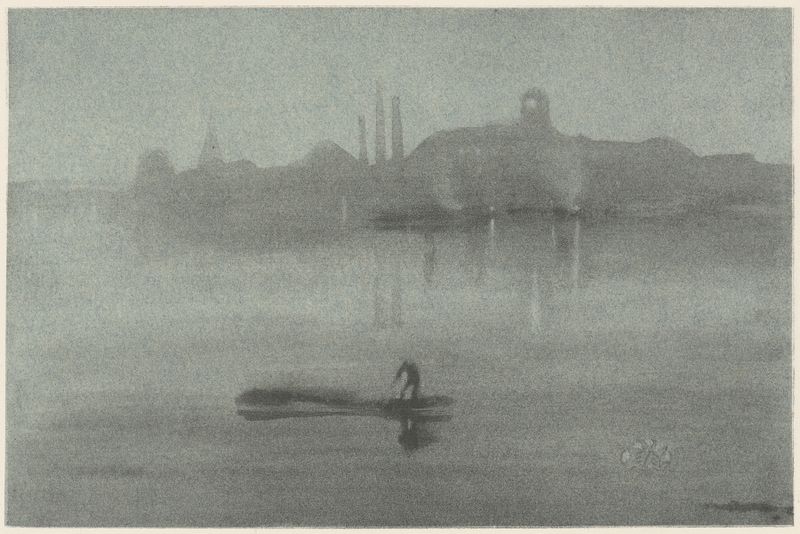
Nocturne
James Abbott McNeill Whistler
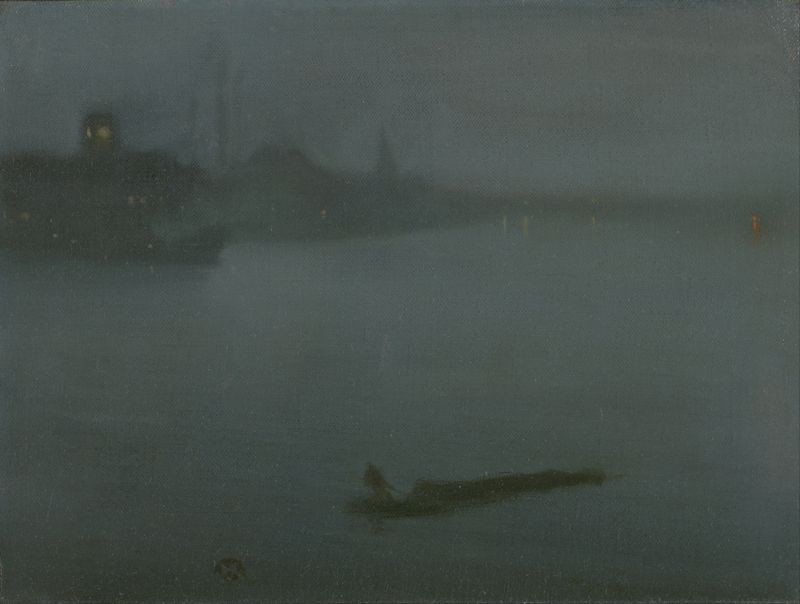
Nocturne in Blue and Silver
James Abbott McNeill Whistler
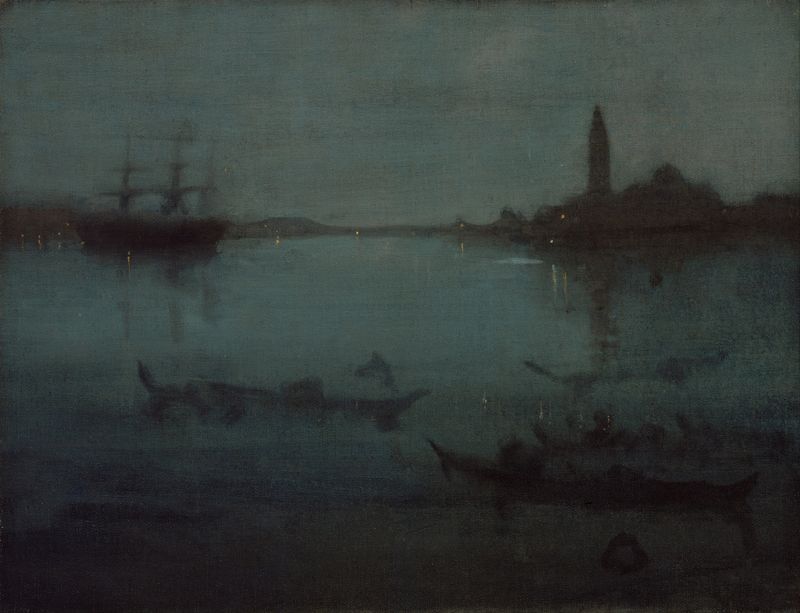
Nocturne in Blue and Silver- The Lagoon, Venice
James Abbott McNeill Whistler
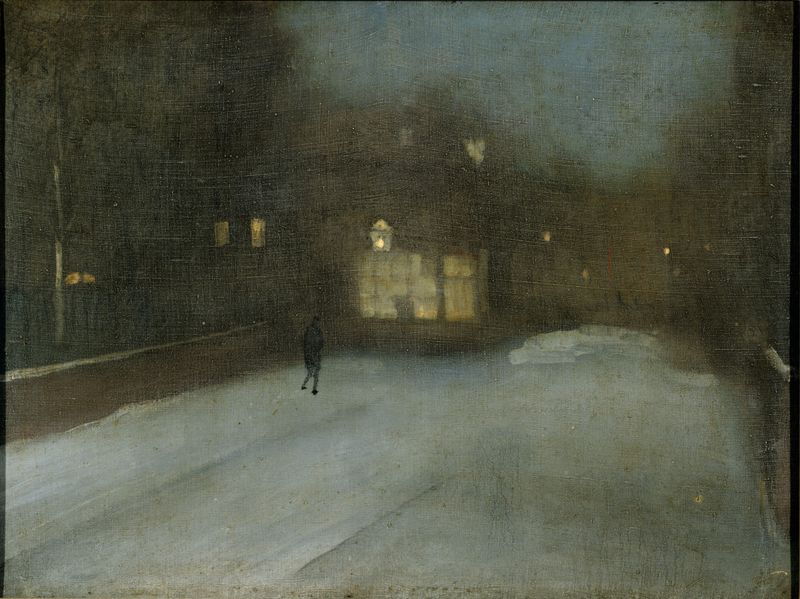
Nocturne in Grey and Gold: Chelsea Snow
James Abbott McNeill Whistler
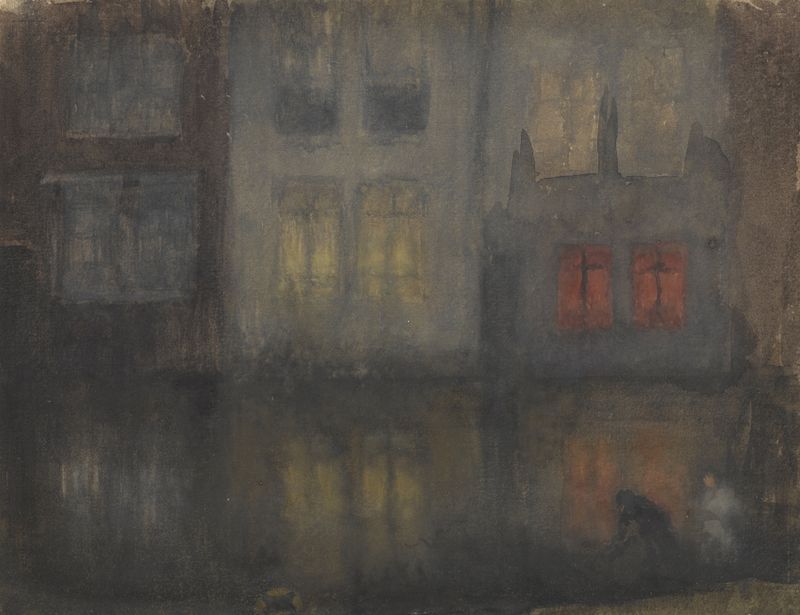
Nocturne: Black and Red—Back Canal, Holland
James Abbott McNeill Whistler
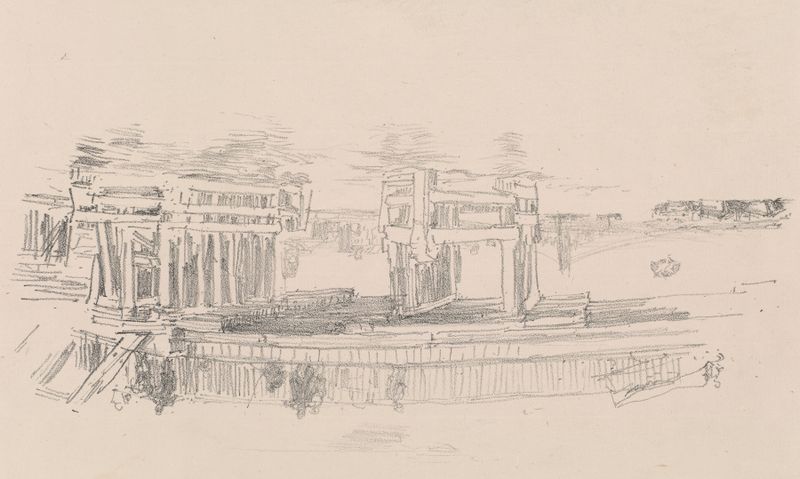
Old Battersea Bridge
James Abbott McNeill Whistler

Nocturne: Blue and Silver–Battersea Reach
James Abbott McNeill Whistler
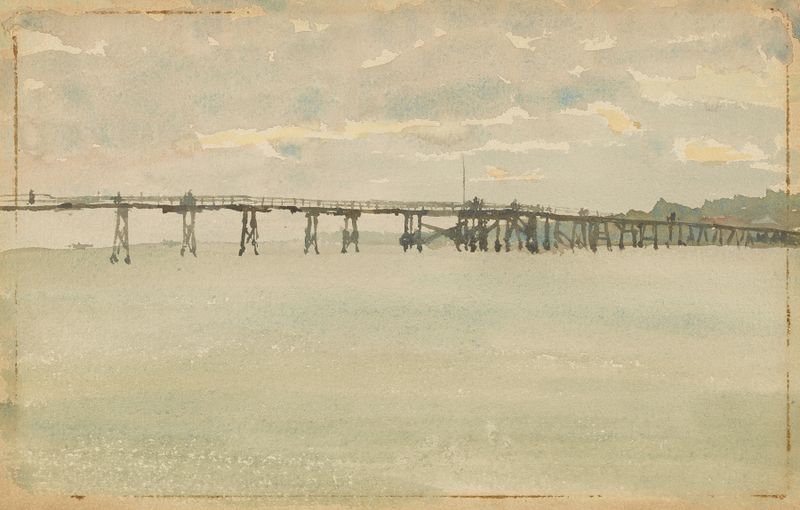
Grey and Silver–Pier, Southend
James Abbott McNeill Whistler





