Open Action — History & Facts
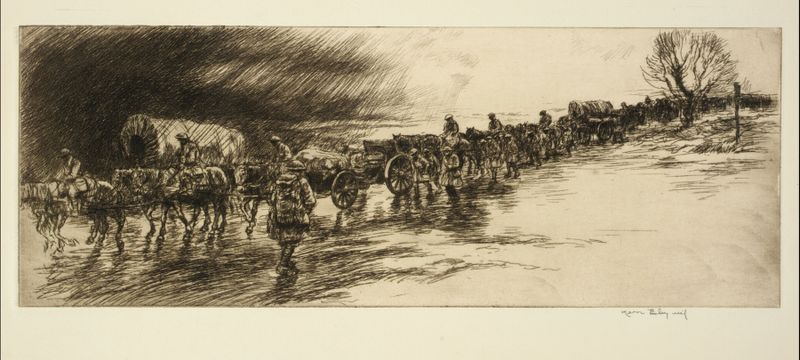
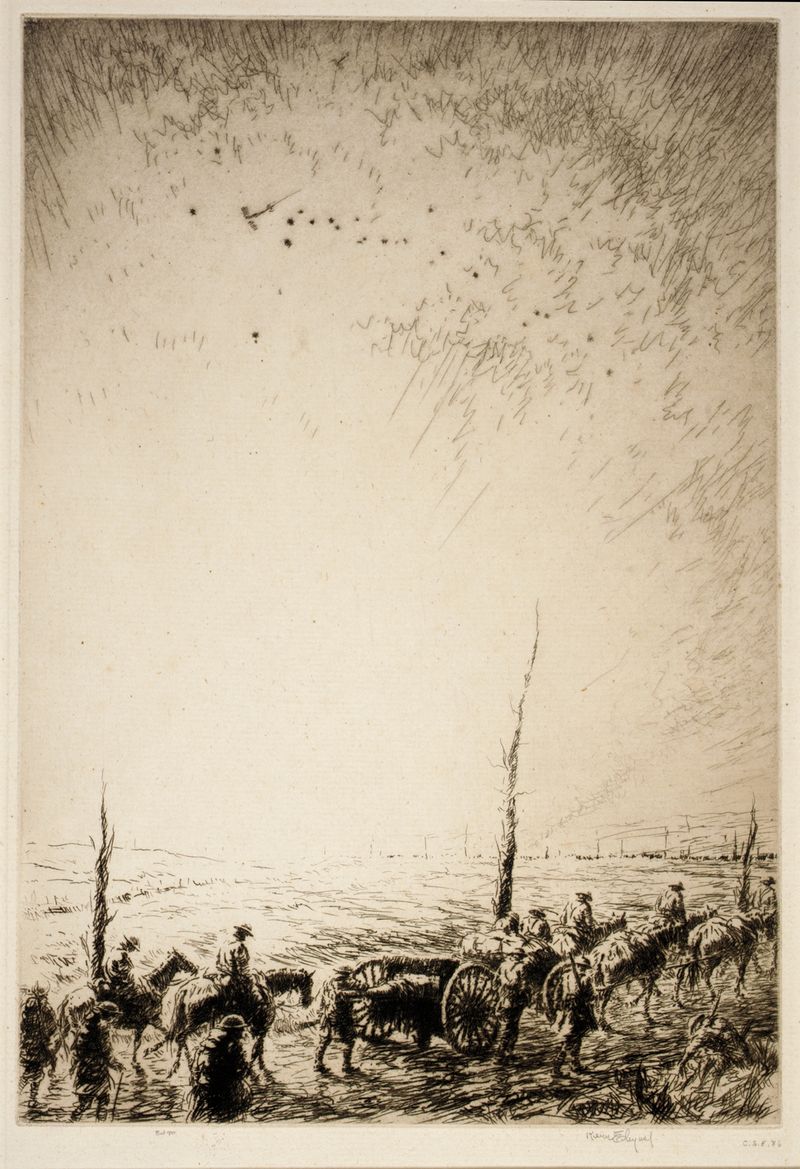
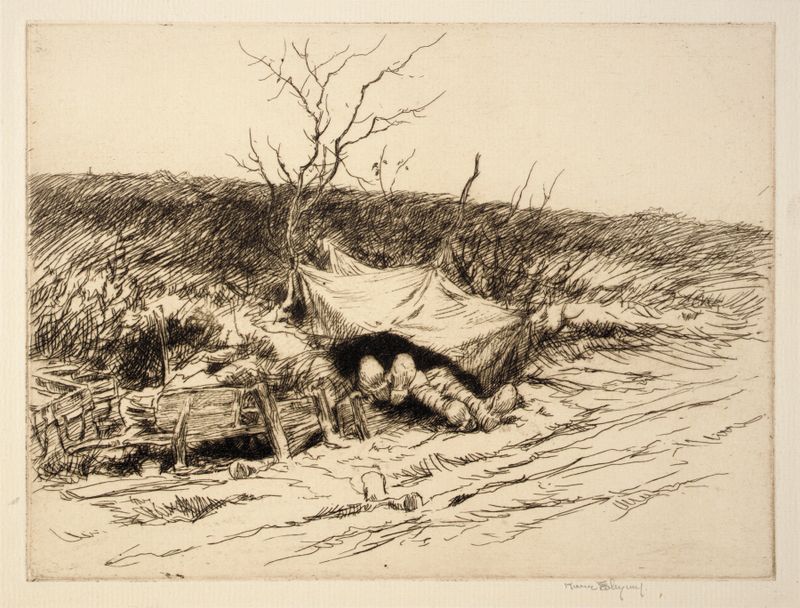
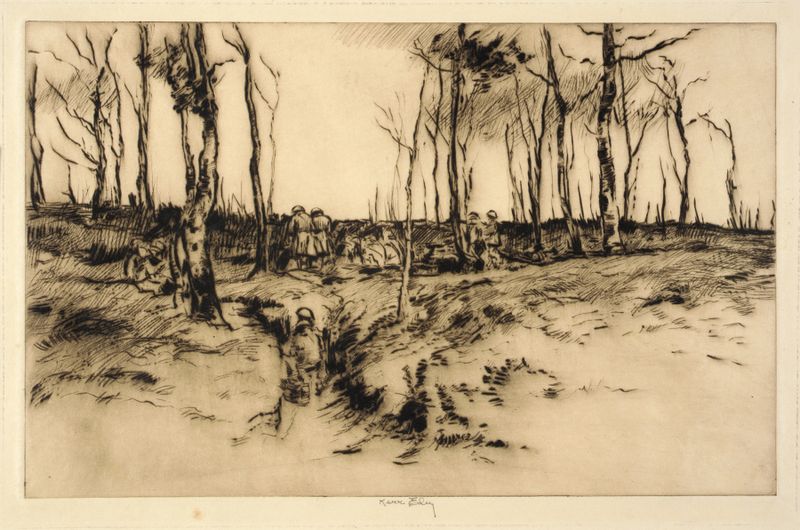
What secret hides in the quiet of the canvas? The stillness of Open Action invites contemplation, as the interplay of light and shadow speaks of unseen tales and silent longings. Focus your gaze on the foreground, where delicate lines converge to create a sense of movement, yet the figures remain frozen in time. The subtle palette—soft earth tones with whispers of gray—enhances the underlying tension, as each stroke pulsates with emotion. Notice how the composition draws you into an intimate space, encouraging you to explore its depths as if you might uncover the very heart of the scene. Beneath the surface, themes of loss and memory intertwine, evoking a poignant sense of absence.
The figures, though engaged in action, exude a quietude, suggesting a yearning for connection that remains just out of reach. The contrast between the vibrancy of their movements and the muted backdrop hints at a struggle—perhaps an inner turmoil that transcends the physical realm, leaving echoes of what once was. During the late 1920s, when Open Action was created, Eby was deeply influenced by the tumultuous aftermath of World War I and its impact on society. Working primarily in New York, he sought to capture the complexities of human emotion in a rapidly changing world.
This period marked a significant evolution in his artistic style, blending realism with abstraction to convey deeper truths about the human experience.