
Oprichting van de koperen slang — History & Facts
What if silence could speak through light? In Oprichting van de koperen slang, a haunting stillness lingers, transforming the moment into an obsessive reflection on faith and redemption. Look to the center, where a shimmering copper serpent rises, its scales expertly rendered, catching the light in a way that imbues the image with a life of its own. Surrounding the serpent are figures caught in various states of reverence and despair, their gazes drawn and expressions laden with emotion. Notice the stark contrast between the darkened background and the glowing serpent, a deliberate choice that heightens the tension between the sacred and the profane within the piece. As you delve deeper, recognize the layers of symbolism that lie beneath the surface.
The copper serpent, a biblical reference, embodies both salvation and fear, serving as a reminder of human frailty and the obsessive quest for divine favor. The figures’ postures, some kneeling while others stand in stunned awe, encapsulate the divided nature of belief — a collective yearning for understanding and connection, yet marred by doubt and despair. The interplay of light and shadow accentuates this emotional tug-of-war, inviting contemplation of the complexities of faith. Hans Holbein (II) painted this work in 1538 during a time when the Reformation was unsettling the foundations of religious thought across Europe.
Living in Basel, he was immersed in a vibrant artistic community, grappling with the shifting ideologies and the growing discord between Protestantism and Catholicism. This charged atmosphere influenced Holbein's exploration of themes of faith, identity, and the human condition, resulting in striking pieces that resonate with the anxieties of his time.
More Artworks by Hans Holbein (II)
Browse all →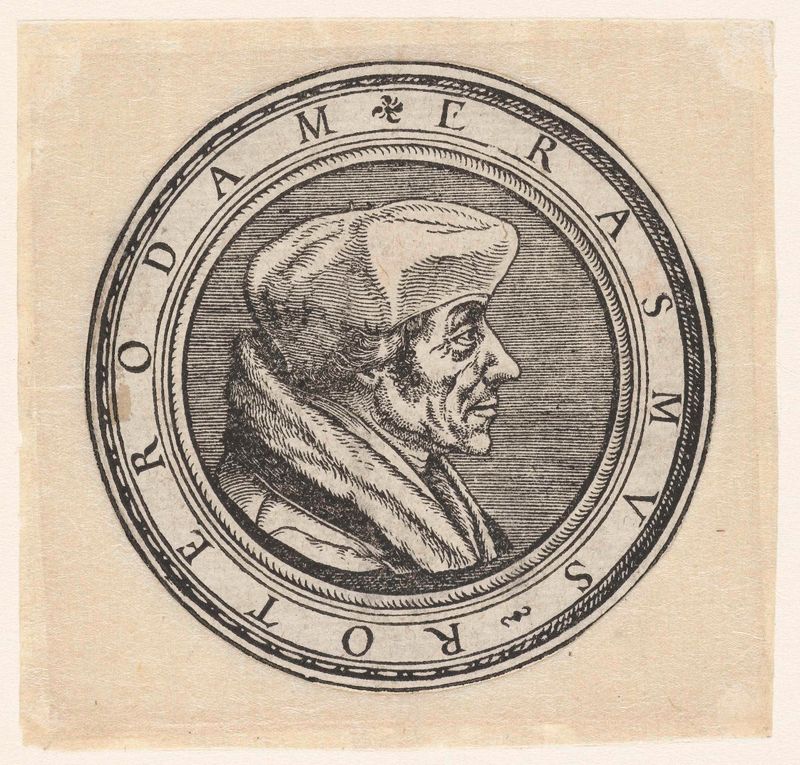
Portret van Erasmus
Hans Holbein (II)
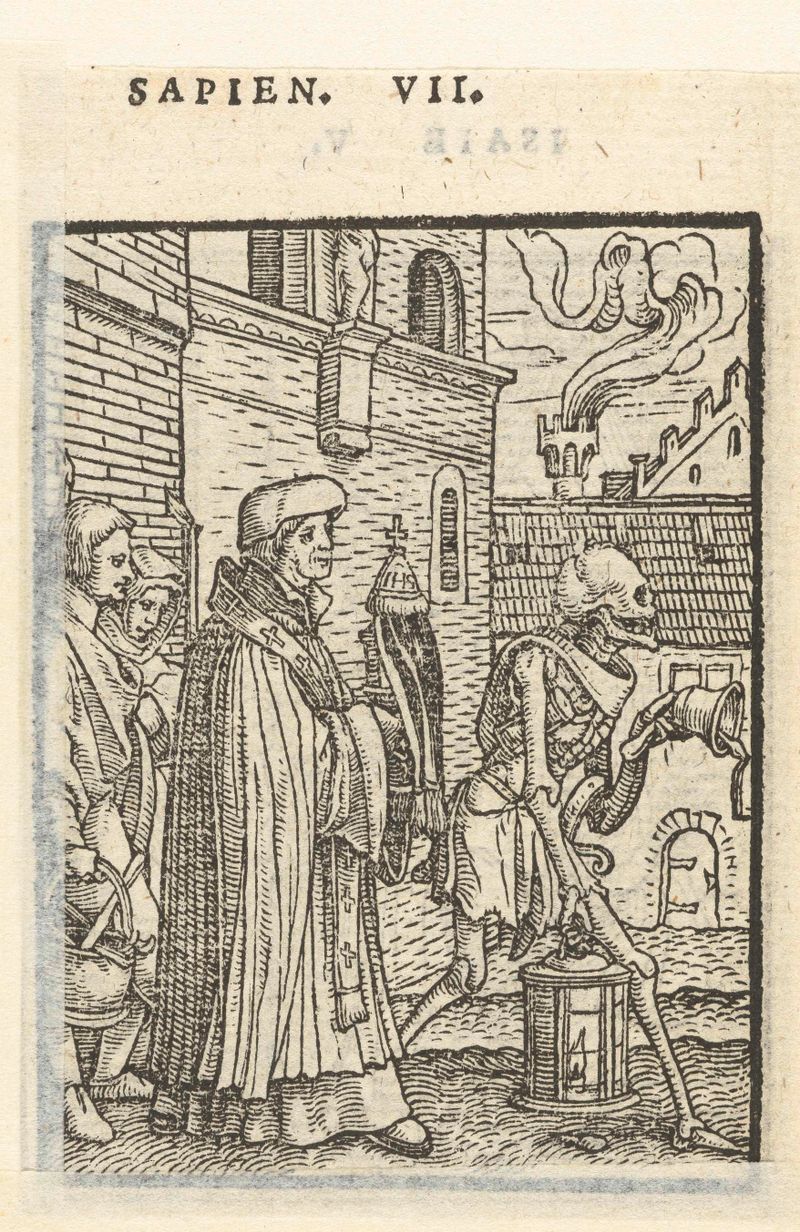
Priester en de Dood
Hans Holbein (II)
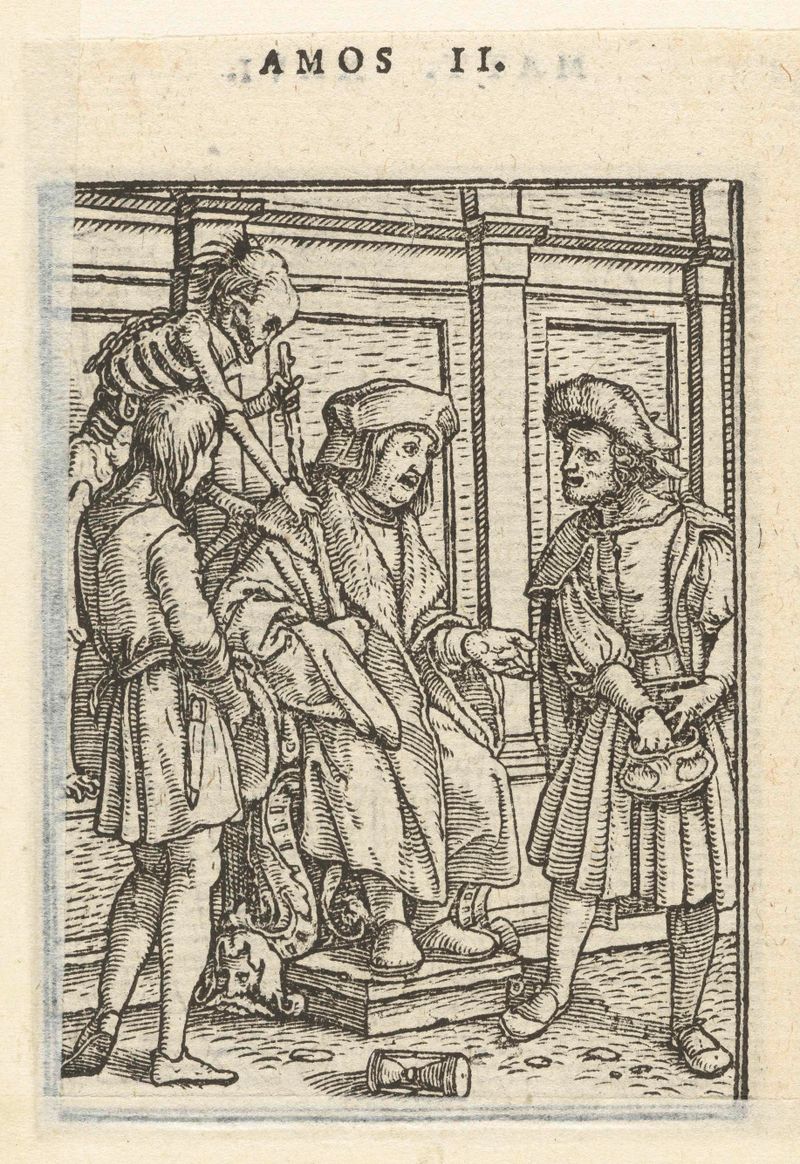
Rechter en de Dood
Hans Holbein (II)
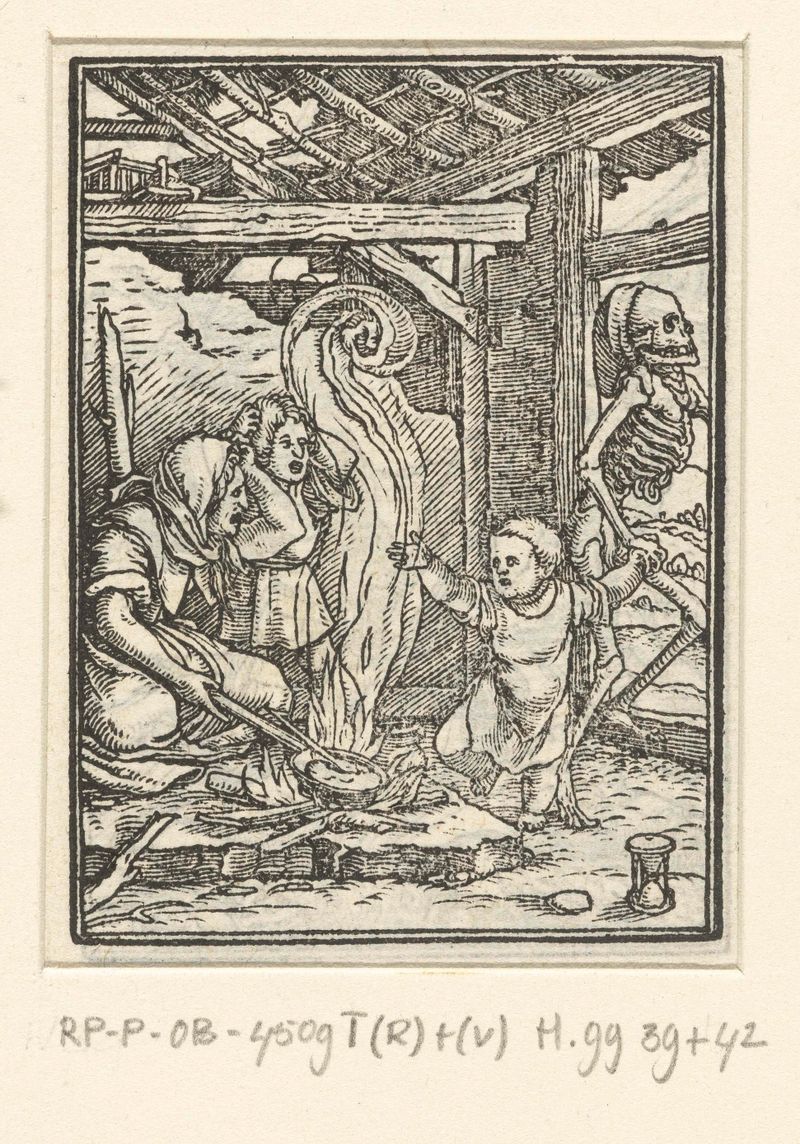
Kind en de Dood
Hans Holbein (II)
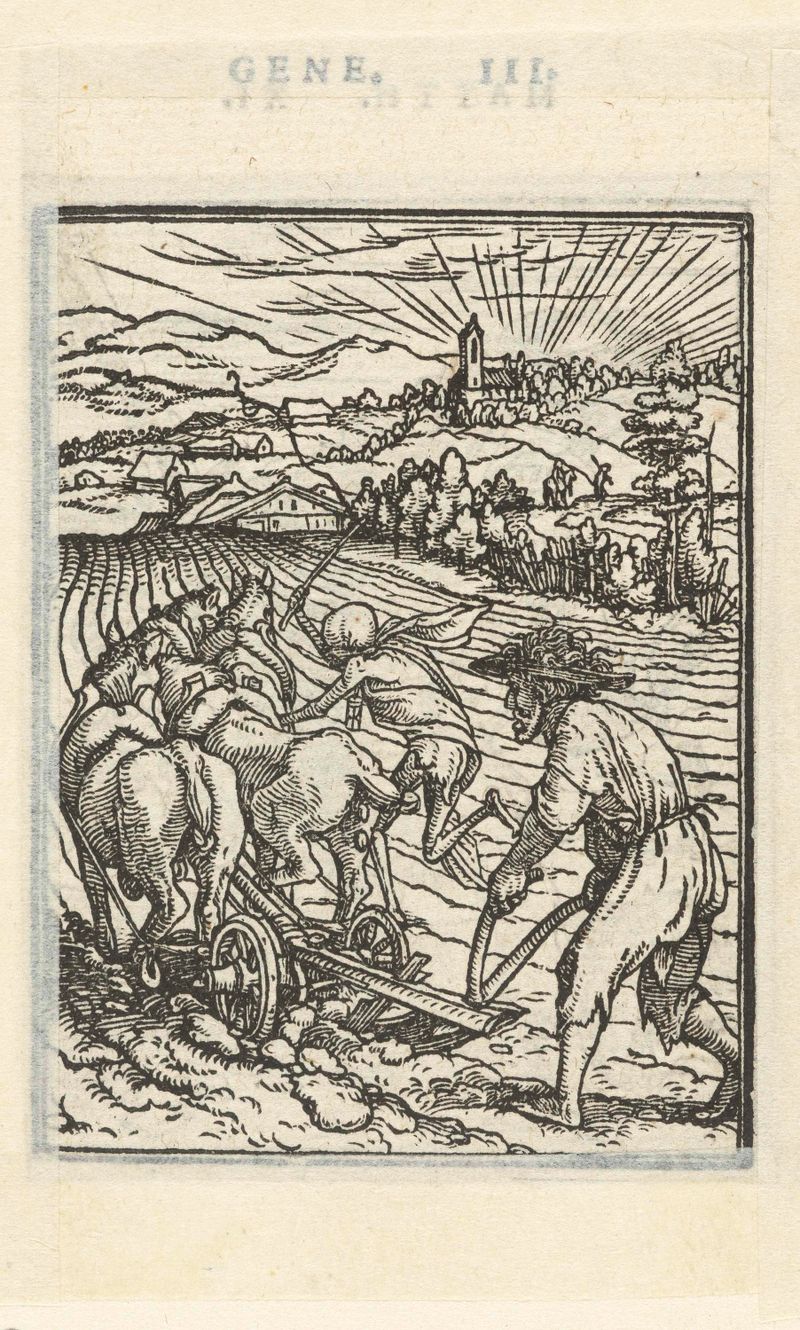
Boer en de Dood
Hans Holbein (II)
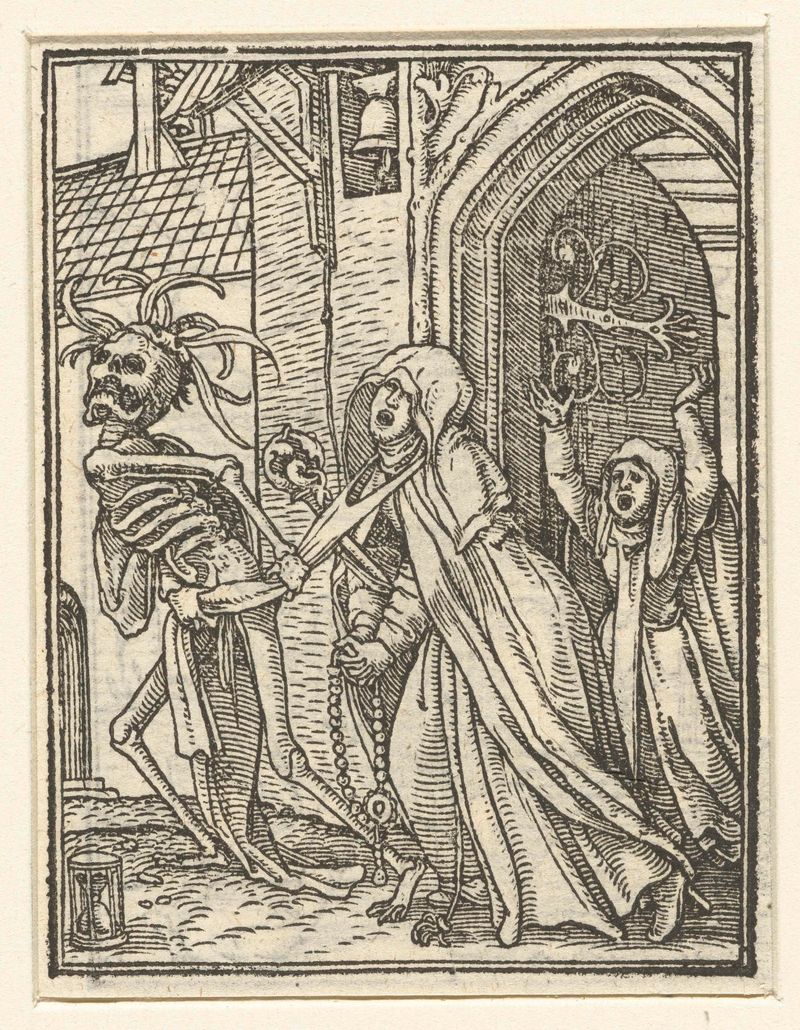
Abdis en de Dood
Hans Holbein (II)
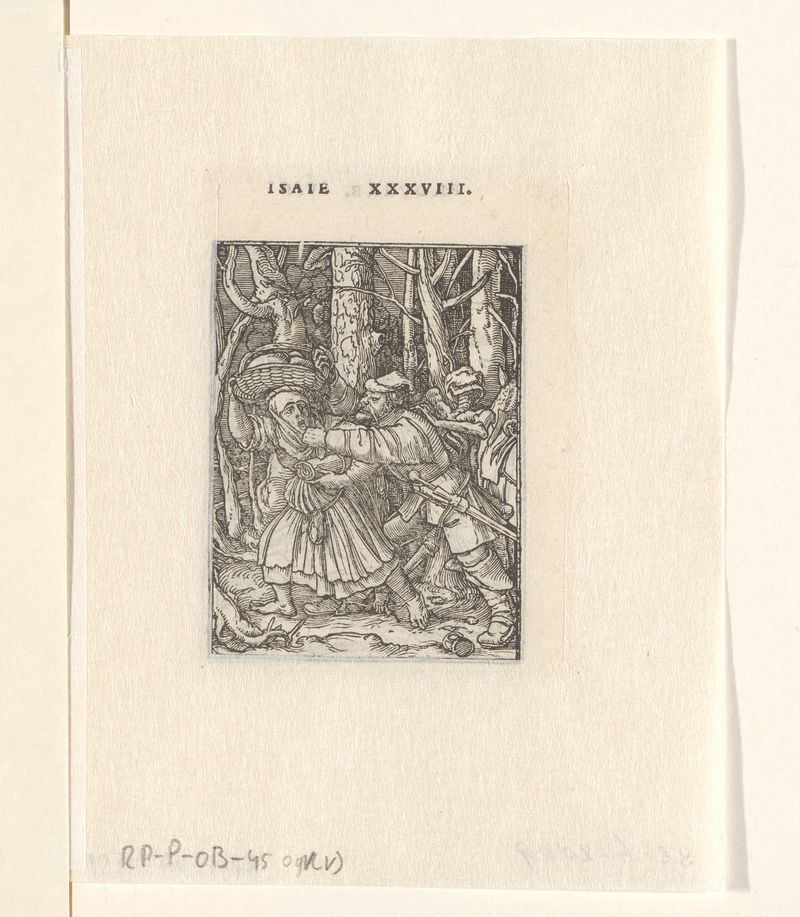
Dief en de Dood
Hans Holbein (II)
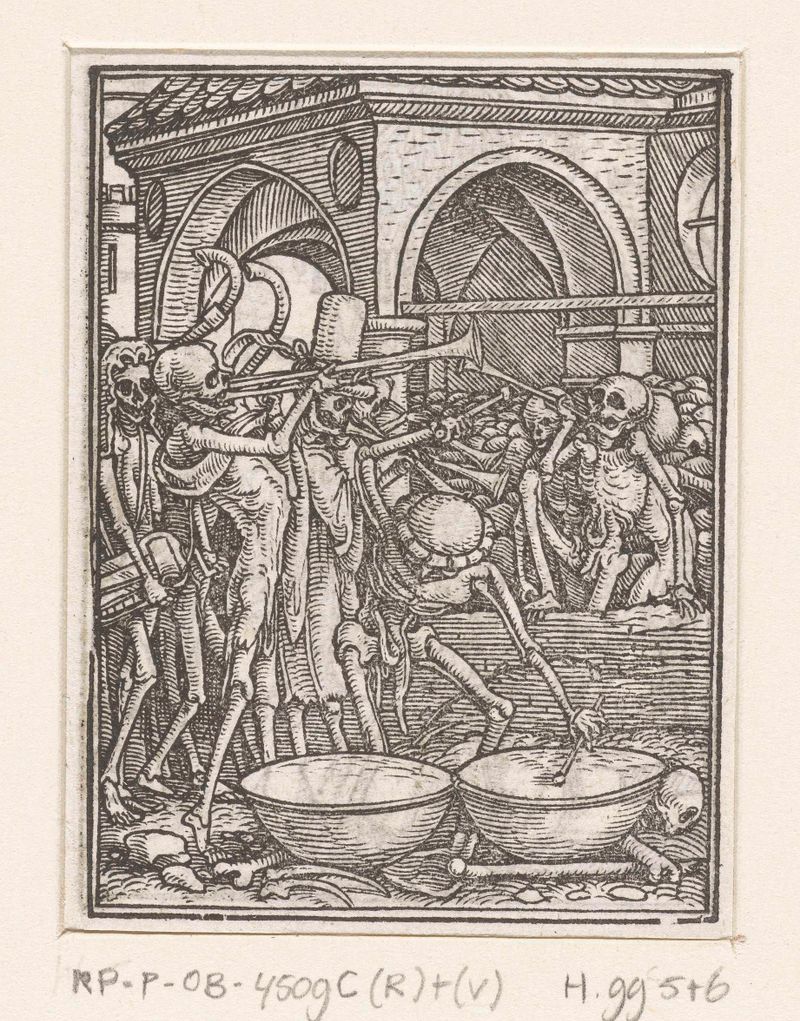
Skeletons Making Music from Dance of the Dead
Hans Holbein (II)
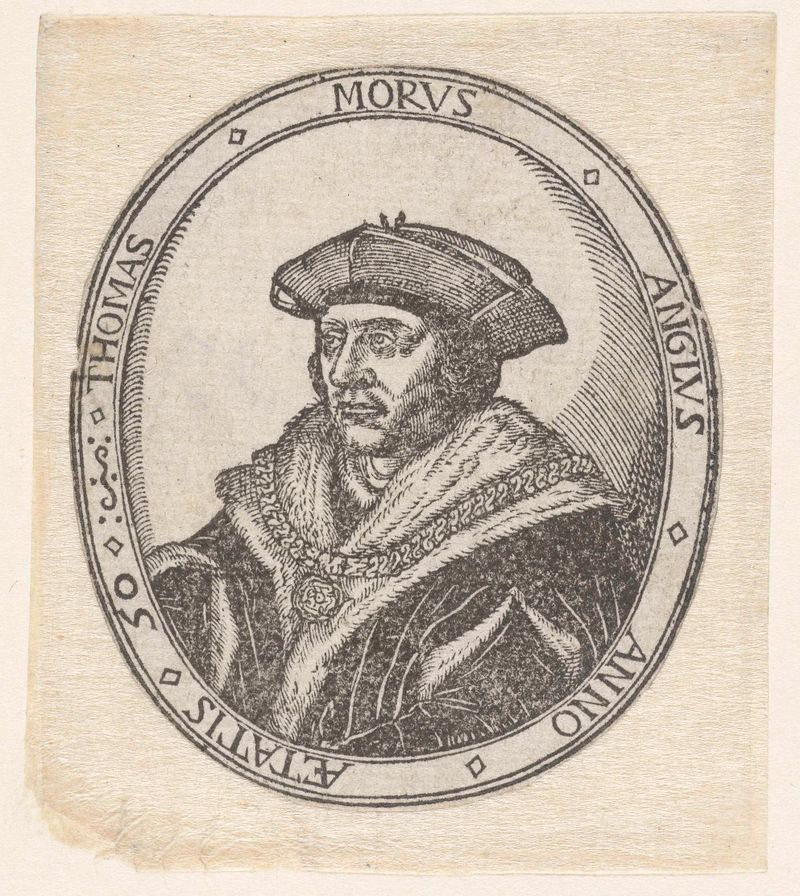
Portret van Thomas More
Hans Holbein (II)
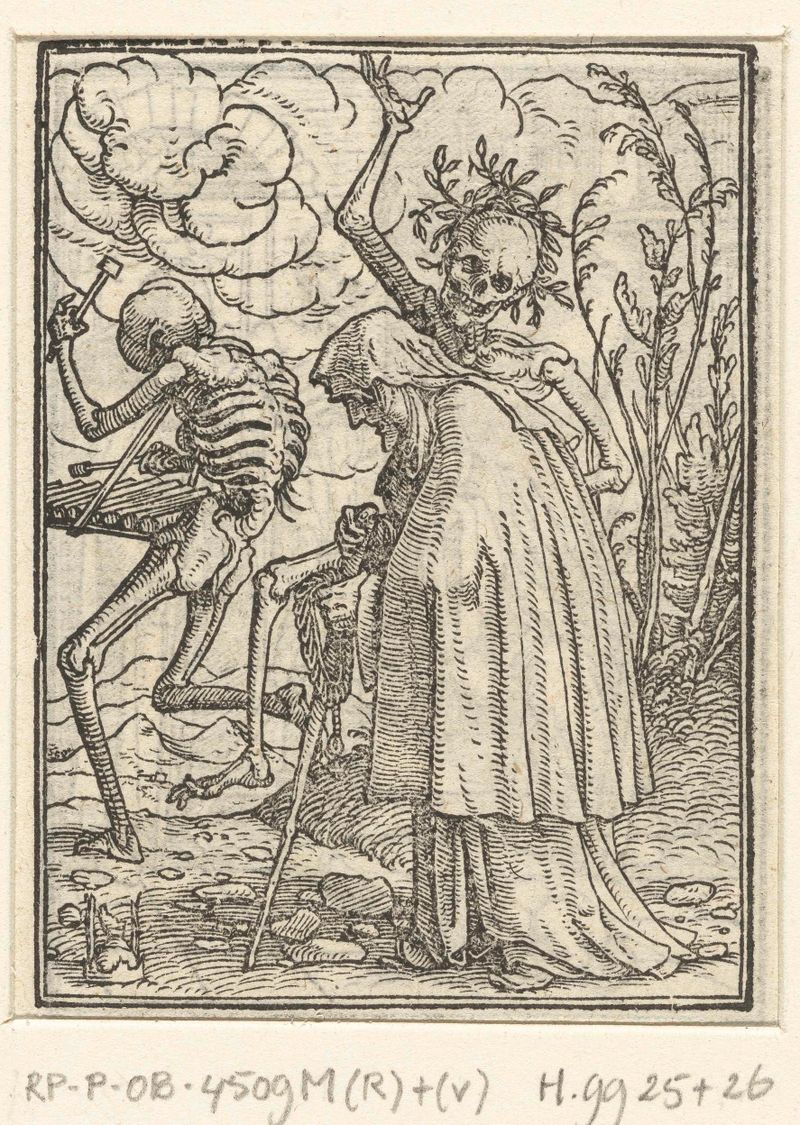
Oude vrouw en de Dood
Hans Holbein (II)
More Religious Art
Browse all →
The Return of the Prodigal Son
Rembrandt van Rijn

The Garden of Earthly Delights
El Bosco

Count Orgaz’ funeral
El Greco

The Hundred Guilder Print: the central piece with Christ preaching, the plate arched
Rembrandt van Rijn

The Descent from the Cross
Rogier van der Weyden

The return of the prodigal son
Rembrandt van Rijn