
Opstanding — History & Facts
Could a single brushstroke hold eternity? In Opstanding, Jacques Callot invites us into the depths of human emotion, exploring the delicate boundary between madness and tranquility through intricate detail and haunting imagery. Look to the center, where a figure rises, embodying both defiance and vulnerability. The dynamic movement captures the viewer’s gaze, contrasting sharply with the stillness of the surrounding figures. Notice how the interplay of light and shadow creates a tension that pulls at your heart—gentle strokes of white illuminate the figure, while darker tones wrap around the edges like encroaching doubt.
Each line dances with purpose, weaving a narrative that evokes both horror and beauty. As you delve deeper, hidden meanings unfurl. The chaotic intertwining of limbs and bodies suggests a collective struggle, reflecting the madness that can grip an individual or society. The swirling forms may represent the turmoil of life or the fight against despair, revealing how closely joy and sorrow can coexist.
Here, Callot challenges us to confront our own perceptions of sanity, urging us to consider the thin veil that separates clarity from chaos. Created between 1621 and 1635, this piece emerged during a tumultuous period in Europe, marked by the Thirty Years' War and a societal grappling with existential questions. Callot, residing in Nancy at the time, sought to capture the human experience amid conflict, and Opstanding stands as a testament to his ability to convey profound emotional truths through art. His work not only reflects his personal struggles but also resonates with the broader anxieties of a world teetering on the brink of madness.
More Artworks by Jacques Callot
Browse all →
Titelprent voor de prentreeks 'De kleine apostelen' (Het martelaarschap van de apostelen)
Jacques Callot
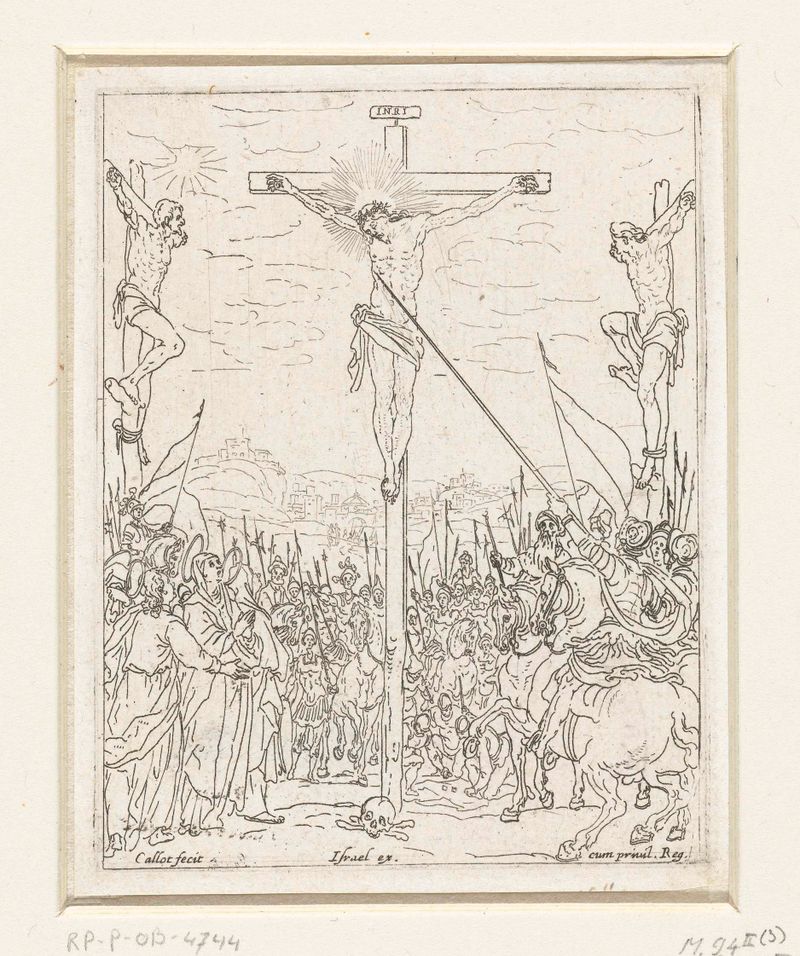
Kruisiging
Jacques Callot

De doortocht door de Rode Zee
Jacques Callot

De verloren zoon als zwijnenhoeder
Jacques Callot

Annunciatie
Jacques Callot
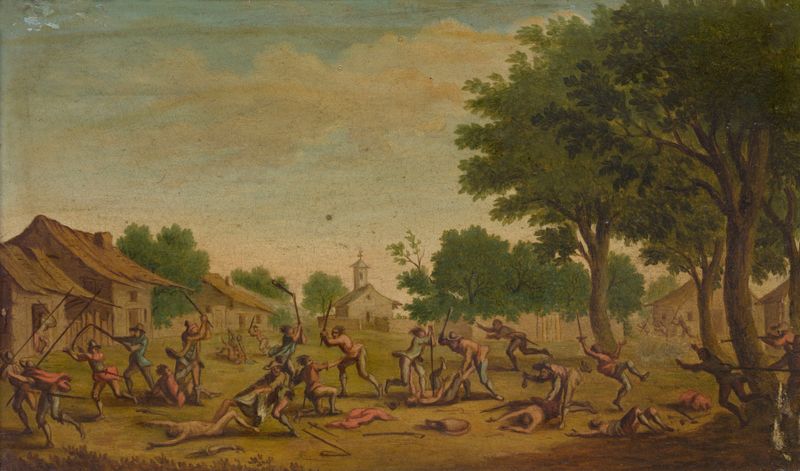
Village Fight
Jacques Callot

Titelprent voor prentreeks 'Het leven van Maria'
Jacques Callot
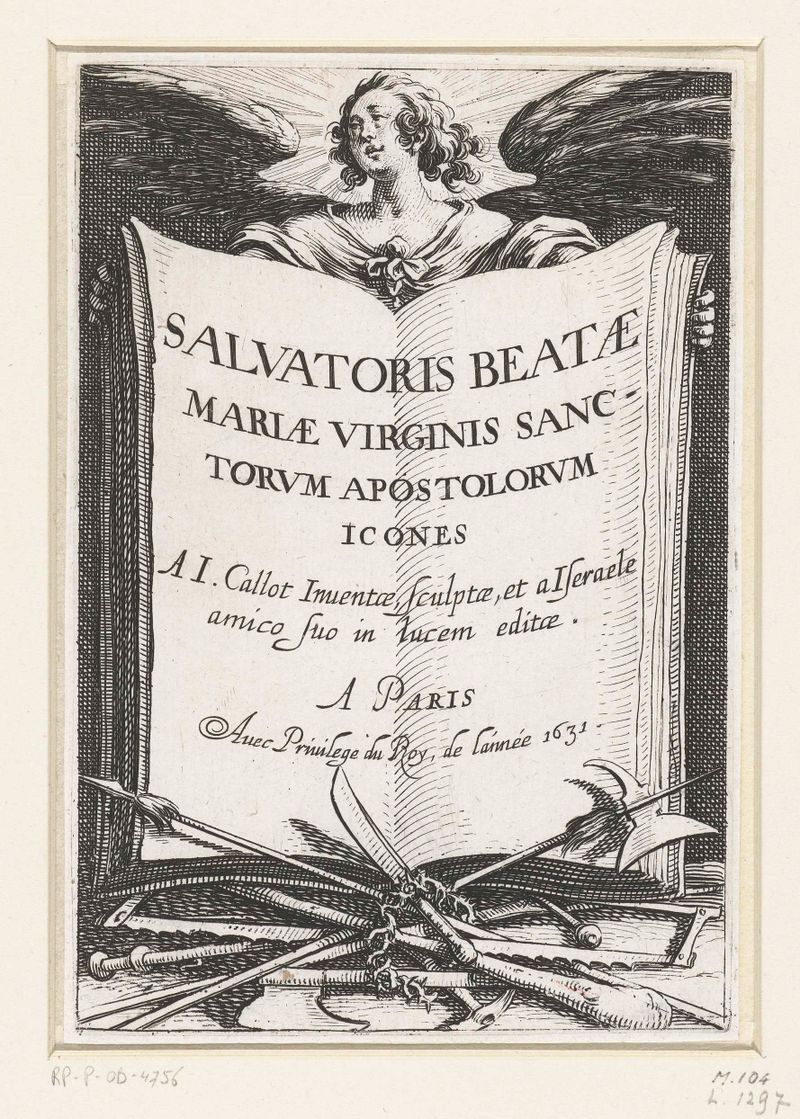
Titelprent voor de prentreeks 'De grote apostelen' (Christus, Maria en de apostelen)
Jacques Callot

Christus aan het volk getoond (Ecce homo)
Jacques Callot
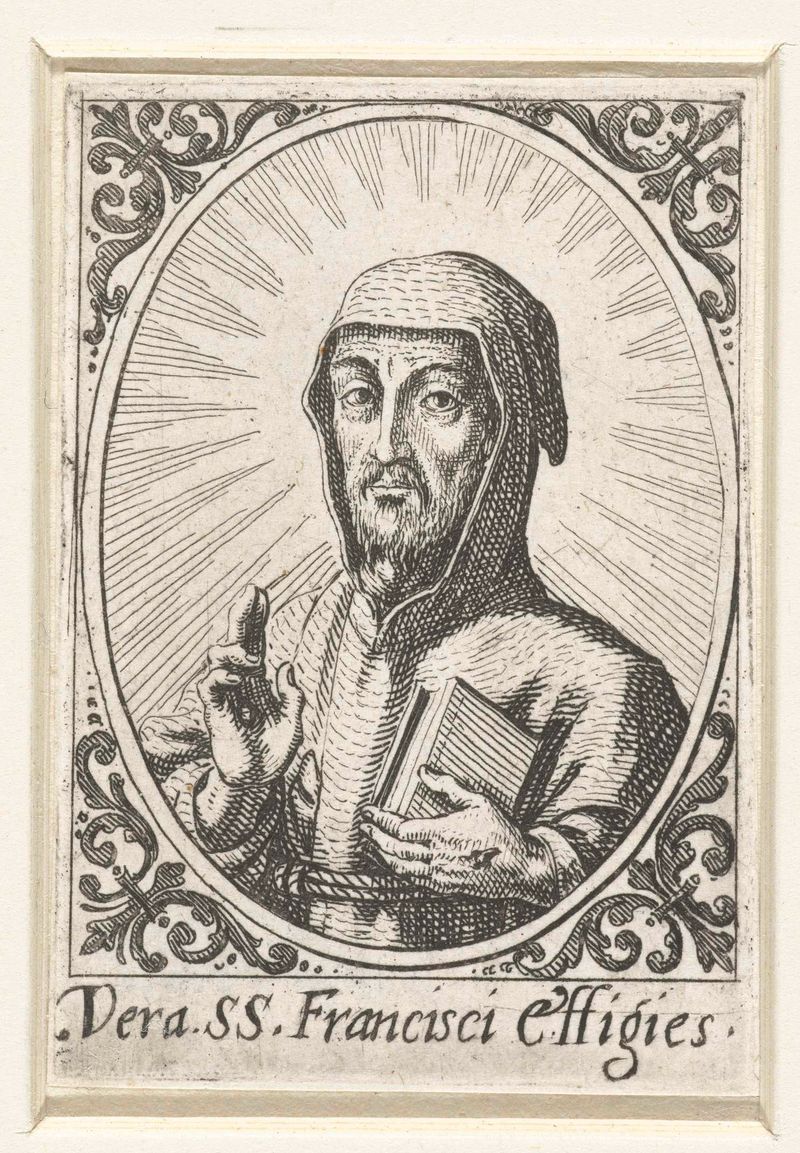
Portret van de Heilige Franciscus
Jacques Callot
More Religious Art
Browse all →
The Return of the Prodigal Son
Rembrandt van Rijn

The Garden of Earthly Delights
El Bosco

Count Orgaz’ funeral
El Greco

The Hundred Guilder Print: the central piece with Christ preaching, the plate arched
Rembrandt van Rijn

The Descent from the Cross
Rogier van der Weyden

The return of the prodigal son
Rembrandt van Rijn