
Opstanding — History & Facts
The intricate dance of shadow and light in this work offers a profound exploration of human experience and resonant truths. In Opstanding, layers of meaning unfold, inviting the viewer to linger in the quiet spaces between the vibrant hues. Look to the center of the composition, where a figure emerges, their posture suggesting a moment of awakening. Notice how the rich earth tones meld seamlessly with bursts of warm color, creating a tension that feels both dynamic and contemplative.
The delicate brushwork and meticulous attention to detail draw your gaze across the canvas, revealing the nuanced interplay between foreground and background, as vibrant elements pop against subtler shades, reflecting the complexities of the narrative. Digging deeper, one might consider the contrast between light and dark as a metaphor for enlightenment and ignorance. The mingling of figures suggests a collective struggle, possibly hinting at themes of resurrection or rebirth. Each gesture and expression reveals layers of emotional depth, from despair to hope, inviting an intimate dialogue with the viewer about the nature of existence and truth’s elusive quality amidst turmoil. Jacques Callot created Opstanding between 1621 and 1635 during a period marked by social upheaval and personal challenges.
Living in France, he was influenced by the Mannerist style, yet he also sought to convey deeper human emotions and societal narratives. This artwork reflects his mastery of printmaking and painting as he navigated an evolving art world, capturing the essence of resilience amidst the uncertainties of his time.
More Artworks by Jacques Callot
Browse all →
Titelprent voor de prentreeks 'De kleine apostelen' (Het martelaarschap van de apostelen)
Jacques Callot
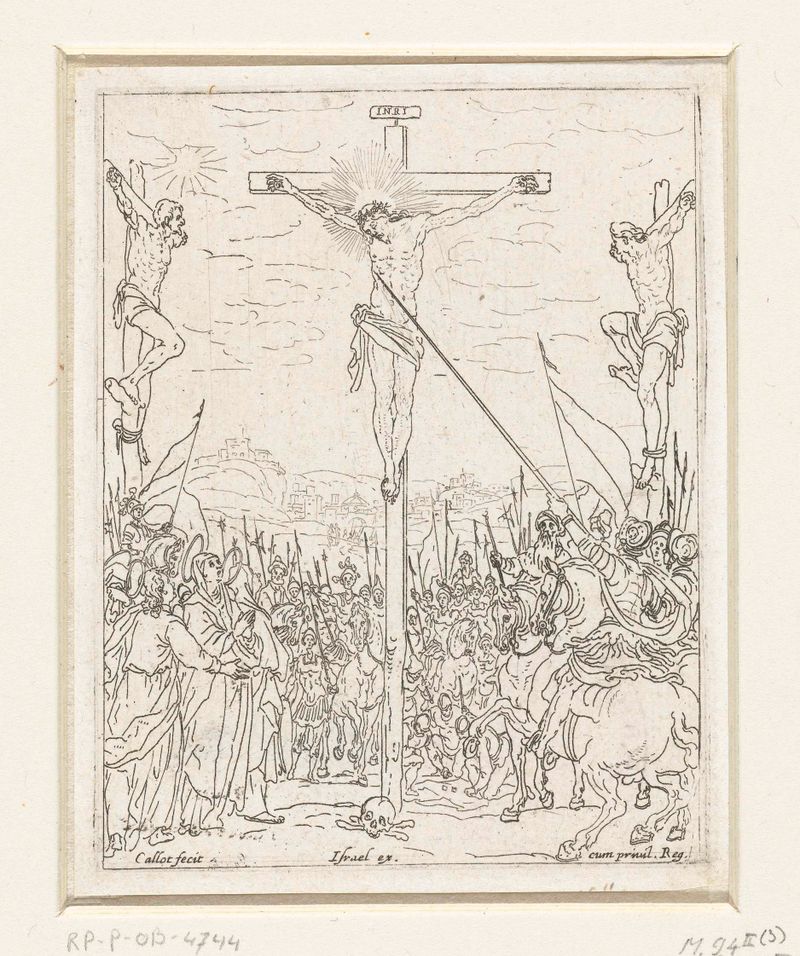
Kruisiging
Jacques Callot

De doortocht door de Rode Zee
Jacques Callot

De verloren zoon als zwijnenhoeder
Jacques Callot

Annunciatie
Jacques Callot
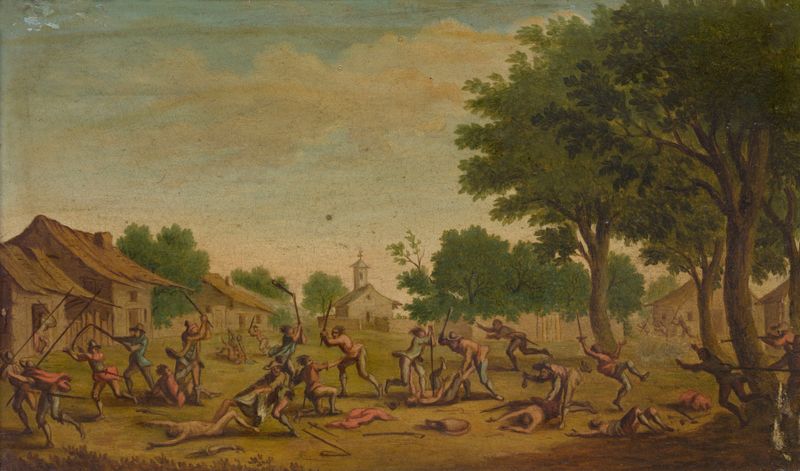
Village Fight
Jacques Callot

Titelprent voor prentreeks 'Het leven van Maria'
Jacques Callot
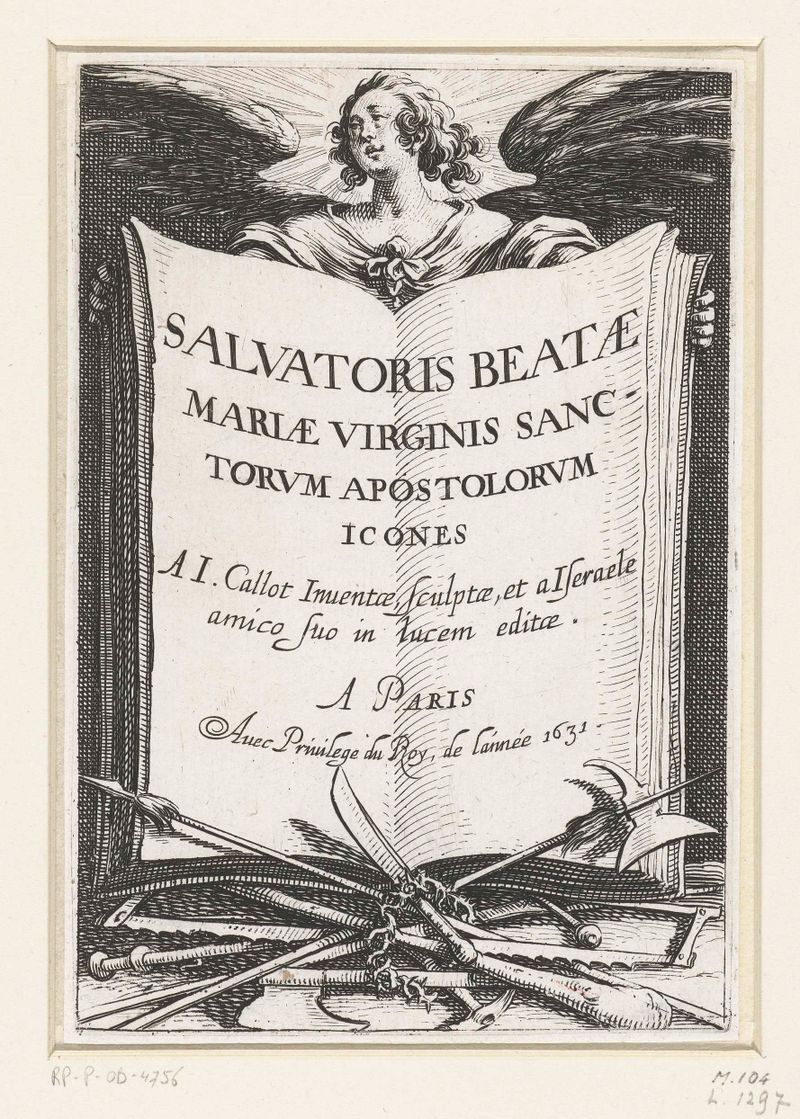
Titelprent voor de prentreeks 'De grote apostelen' (Christus, Maria en de apostelen)
Jacques Callot

Christus aan het volk getoond (Ecce homo)
Jacques Callot
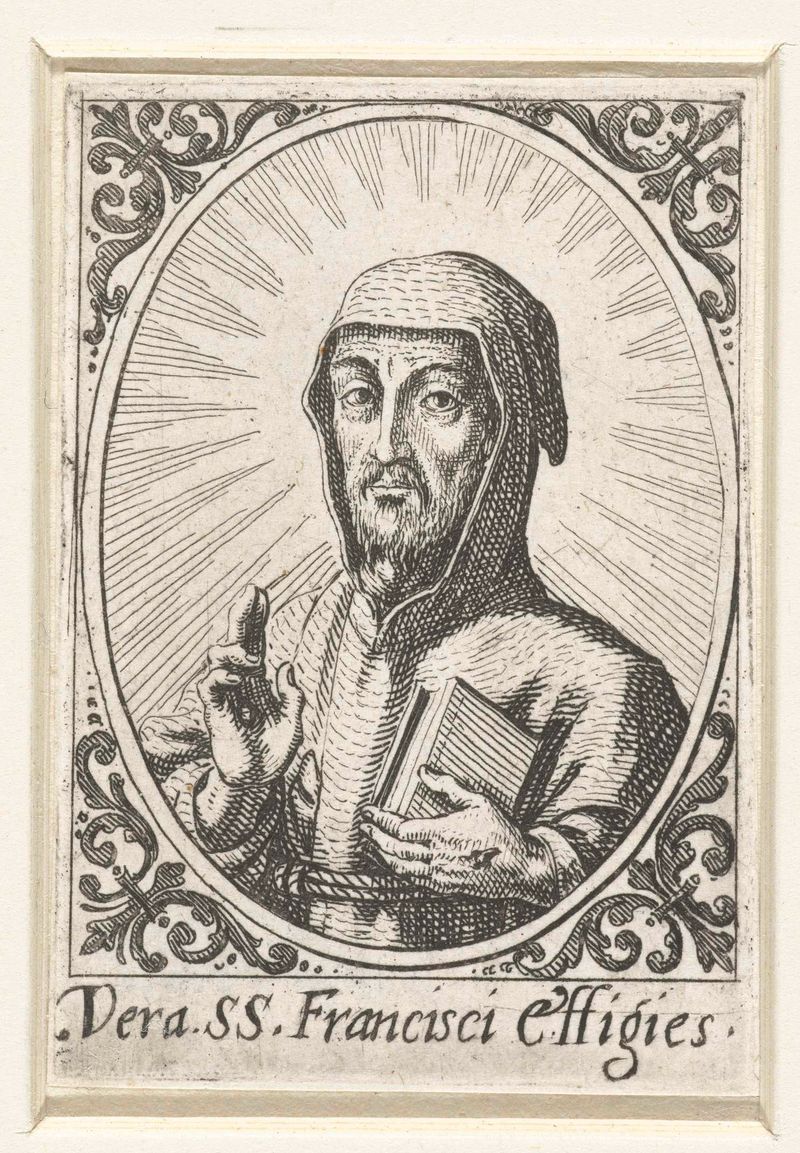
Portret van de Heilige Franciscus
Jacques Callot
More Religious Art
Browse all →
The Return of the Prodigal Son
Rembrandt van Rijn

The Garden of Earthly Delights
El Bosco

Count Orgaz’ funeral
El Greco

The Hundred Guilder Print: the central piece with Christ preaching, the plate arched
Rembrandt van Rijn

The Descent from the Cross
Rogier van der Weyden

The return of the prodigal son
Rembrandt van Rijn