
Opwekking van Lazarus — History & Facts
Could a single brushstroke hold eternity? In the turbulent whirl of chaos, a moment is captured that transcends time, allowing us to confront life, death, and the fragile boundary in between. Focus on the center of the composition, where Lazarus emerges from the grave, his figure awash in a mix of shadow and light. Notice how the tumultuous expressions of the onlookers frame this pivotal resurrection; their faces mirror astonishment and dread. The rich palette teeters between sepia tones and vibrant highlights, creating an urgent tension that pulses with vivid energy.
Each detail, from the complex folds of fabric to the squint of the crowd, invites you into the frenetic atmosphere of this miraculous event. Amidst the chaos, the artist captures the struggle between hope and despair. The juxtaposition of Lazarus’s serene awakening against the shock of the witnesses encapsulates the profound conflict of belief in the impossible. The swirls of movement around the figures suggest a world unmoored, echoing the uncertainty that accompanies such an extraordinary event.
Each gaze turned toward Lazarus becomes a reflection of the viewer’s own confrontation with mortality, blurring the lines between observer and participant. In 1635, Callot was deeply immersed in the Baroque movement, flourishing in France. This period was marked by a flurry of artistic innovation, exploring themes of life and spirituality. Living in Lorraine, Callot was influenced by the tumult of the Thirty Years' War, which shaped his perspective on human strife and resilience, deeply informing the poignant narrative encapsulated in this powerful work.
More Artworks by Jacques Callot
Browse all →
Titelprent voor de prentreeks 'De kleine apostelen' (Het martelaarschap van de apostelen)
Jacques Callot
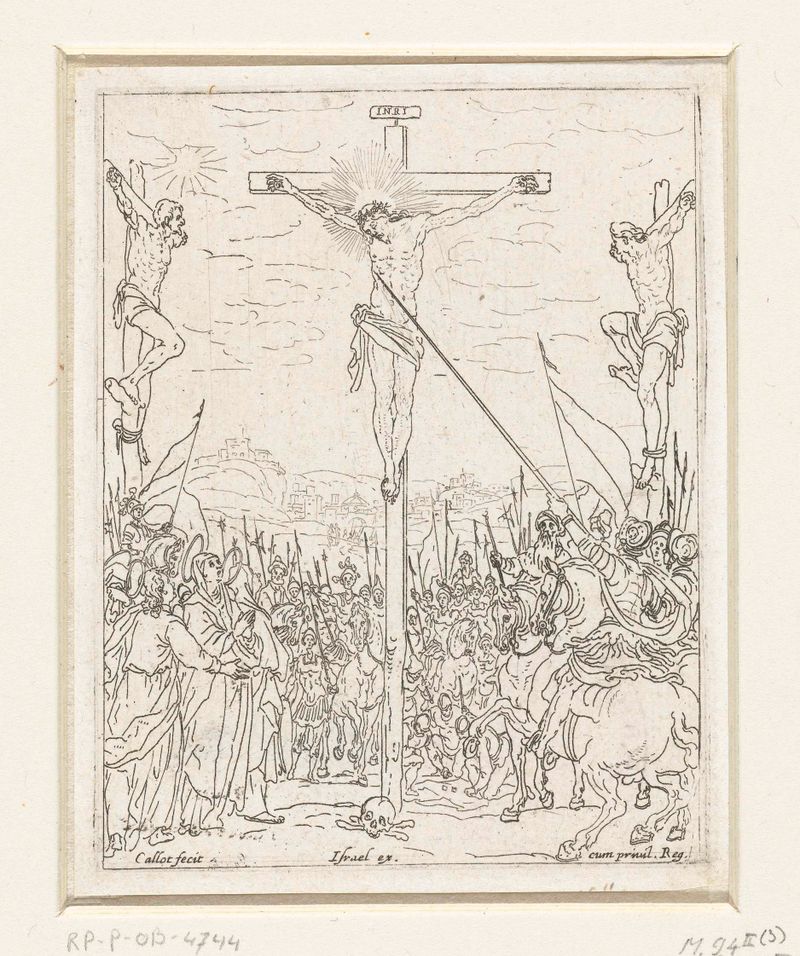
Kruisiging
Jacques Callot

De doortocht door de Rode Zee
Jacques Callot

De verloren zoon als zwijnenhoeder
Jacques Callot

Annunciatie
Jacques Callot
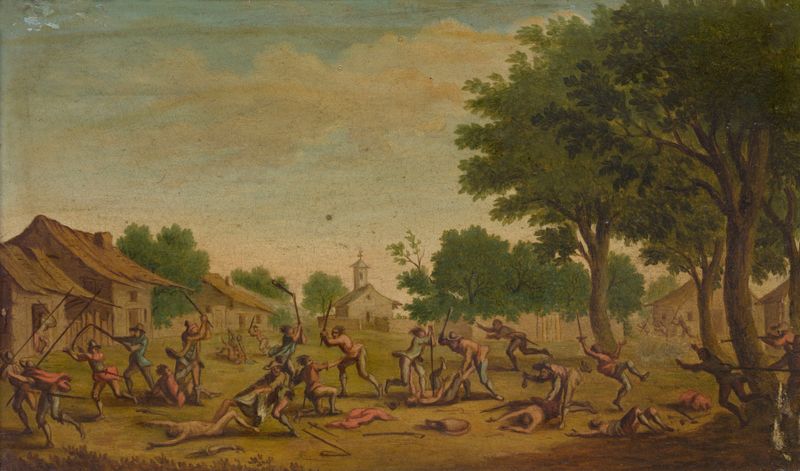
Village Fight
Jacques Callot

Titelprent voor prentreeks 'Het leven van Maria'
Jacques Callot
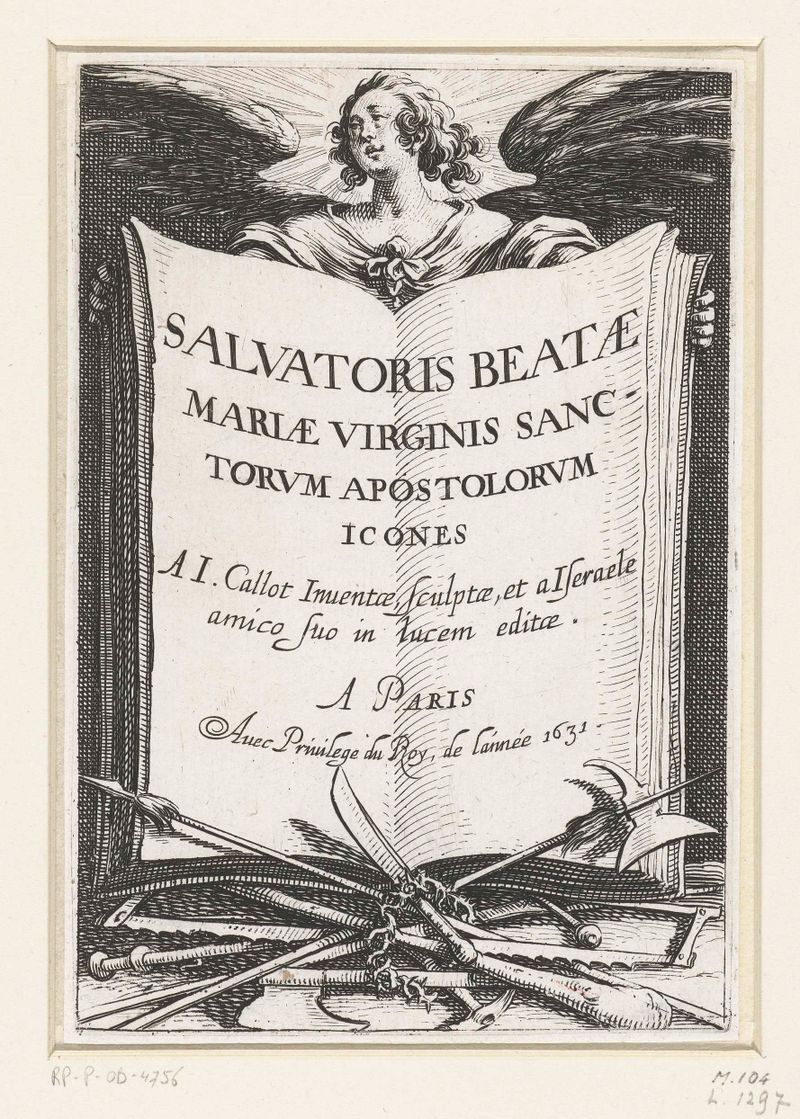
Titelprent voor de prentreeks 'De grote apostelen' (Christus, Maria en de apostelen)
Jacques Callot

Christus aan het volk getoond (Ecce homo)
Jacques Callot
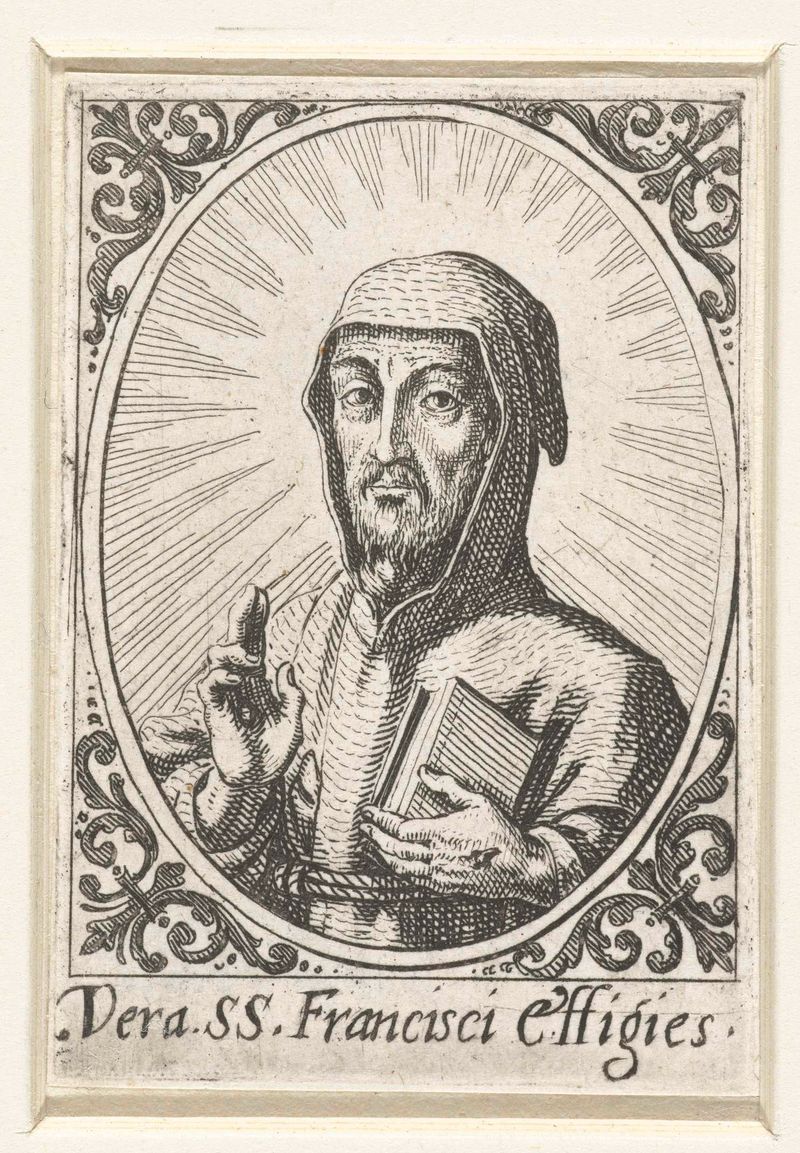
Portret van de Heilige Franciscus
Jacques Callot
More Religious Art
Browse all →
The Return of the Prodigal Son
Rembrandt van Rijn

The Garden of Earthly Delights
El Bosco

Count Orgaz’ funeral
El Greco

The Hundred Guilder Print: the central piece with Christ preaching, the plate arched
Rembrandt van Rijn

The Descent from the Cross
Rogier van der Weyden

The return of the prodigal son
Rembrandt van Rijn