
Orava — History & Facts
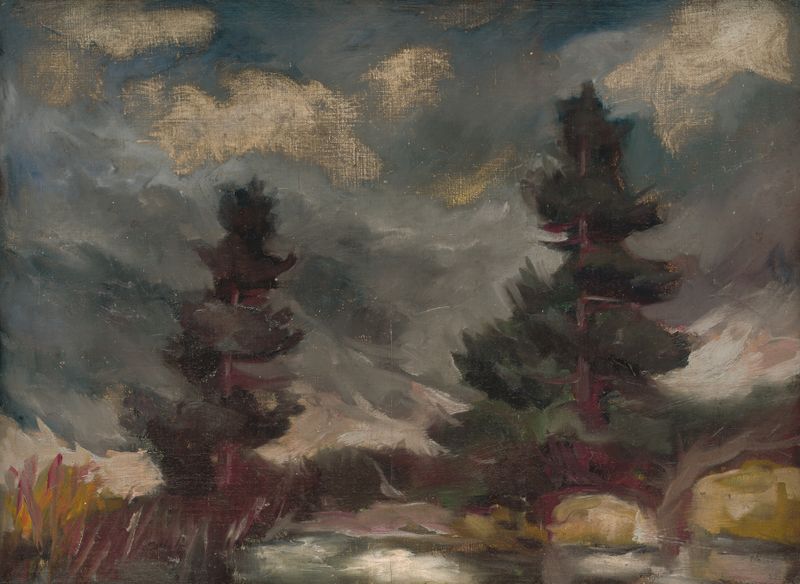
In Orava, Zolo Palugyay weaves a tapestry of illusion that invites us to reconsider the boundaries of memory and reality. Look to the center of the canvas, where the hills rise like gentle waves against a backdrop of an expansive sky. Notice the interplay of light and shadow, as soft hues of green and blue blend with strokes of warm gold. The artist’s use of layering creates a sense of depth, drawing the viewer into a serene landscape that feels both familiar and dreamlike.
The brushwork suggests movement, as if the trees are whispering secrets to the wind, accentuating the painting's ethereal quality. As you explore the scene, subtle contrasts emerge. The delicate interplay between the vibrant foreground and the muted horizon evokes a tension between the tangible and the ephemeral. There is a haunting stillness in the composition, inviting contemplation on the passage of time.
Each element—a fluttering leaf, a distant mountain—serves as a reminder of the memories we cherish yet know will fade, making the viewer acutely aware of the illusions we construct around nostalgia. Created in 1933, Orava reflects Palugyay’s exploration of landscape amidst a period marked by political upheaval and personal transition. Residing in Hungary during the rise of modernism, he sought to capture the emotional landscape of his surroundings while navigating the complexities of his own artistic identity. This painting stands as a testament to his ability to transcend reality, crafting a world that resonates with both beauty and a longing for remembrance.
More Artworks by Zolo Palugyay
Browse all →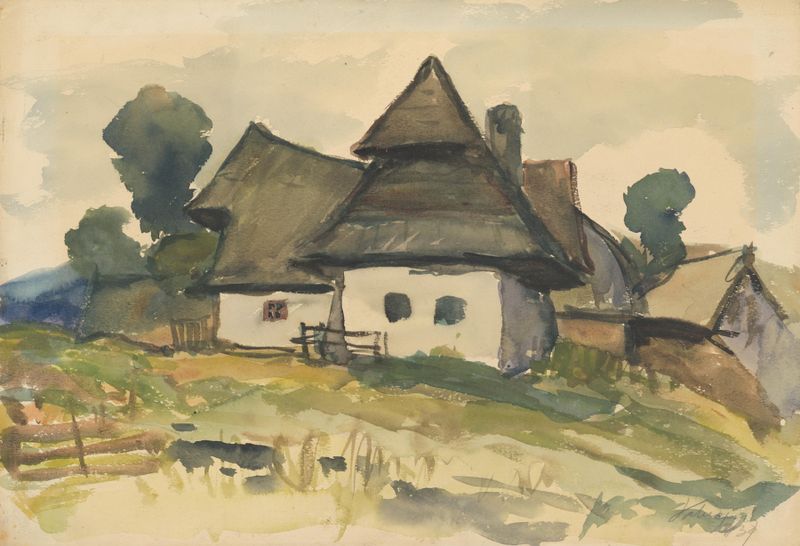
Dedinský motív
Zolo Palugyay
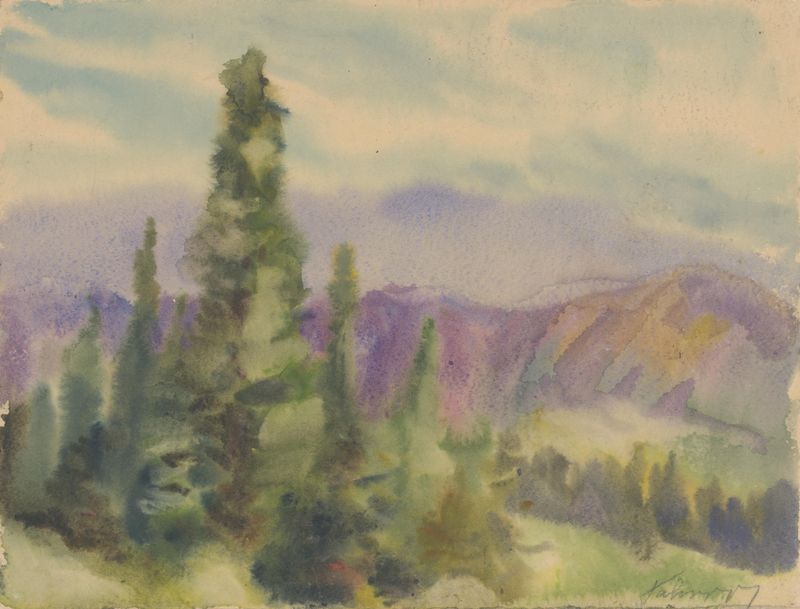
Motif from Liptov Mountains
Zolo Palugyay
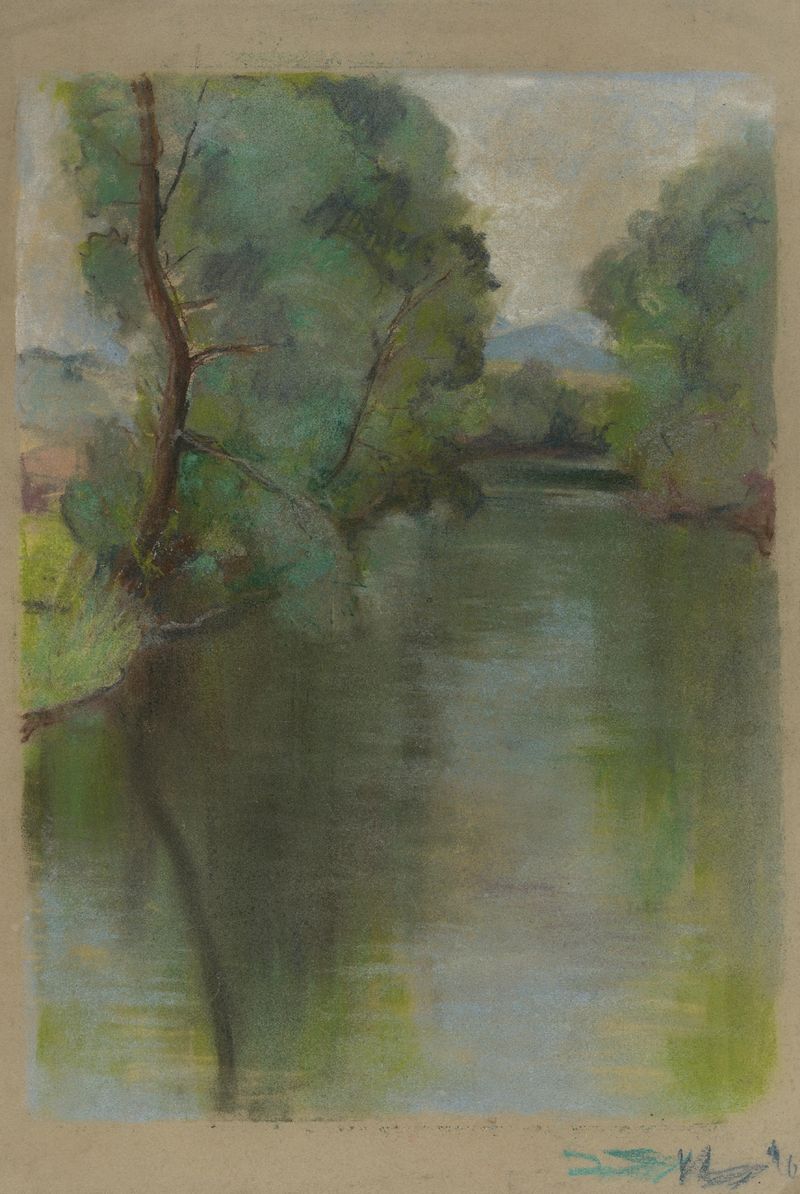
Silent River
Zolo Palugyay
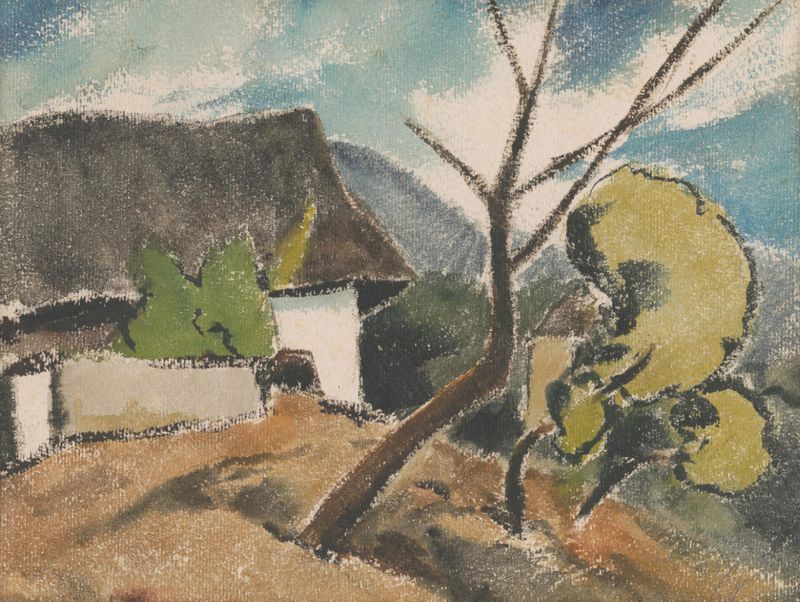
Oravská chalupa
Zolo Palugyay
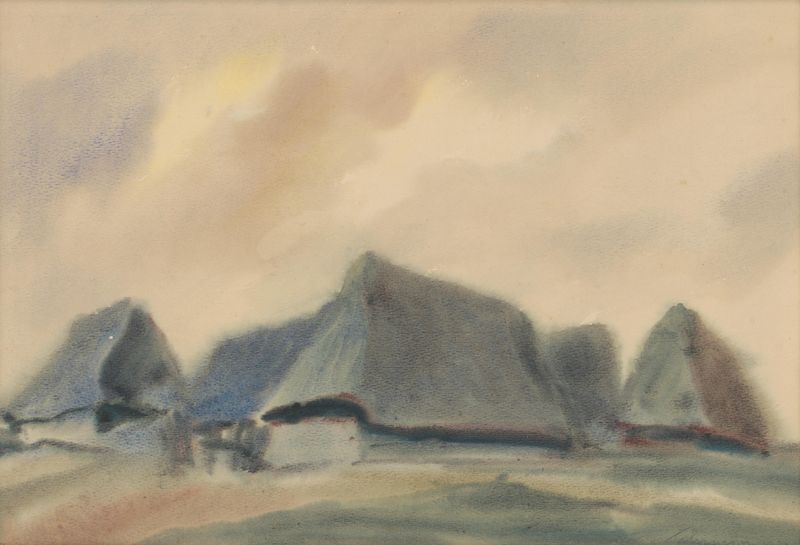
Modré chalupy
Zolo Palugyay
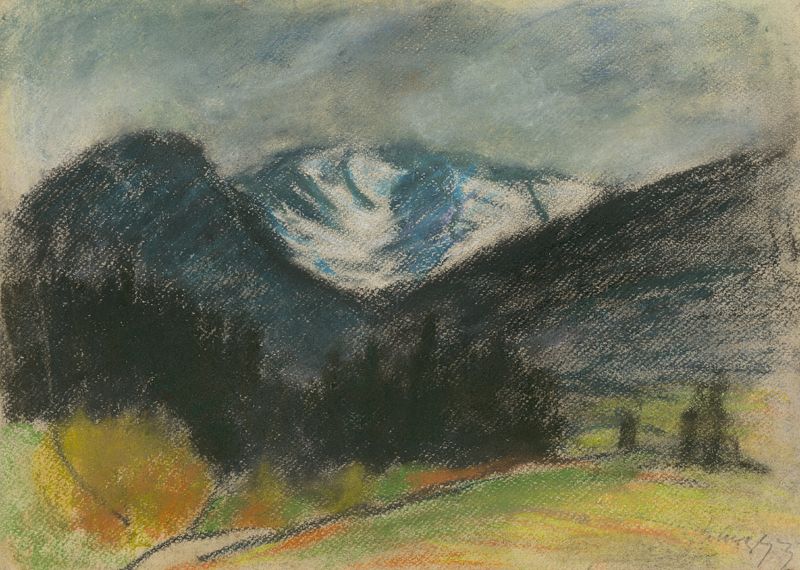
Mountain Landscape with Snowy Peaks
Zolo Palugyay
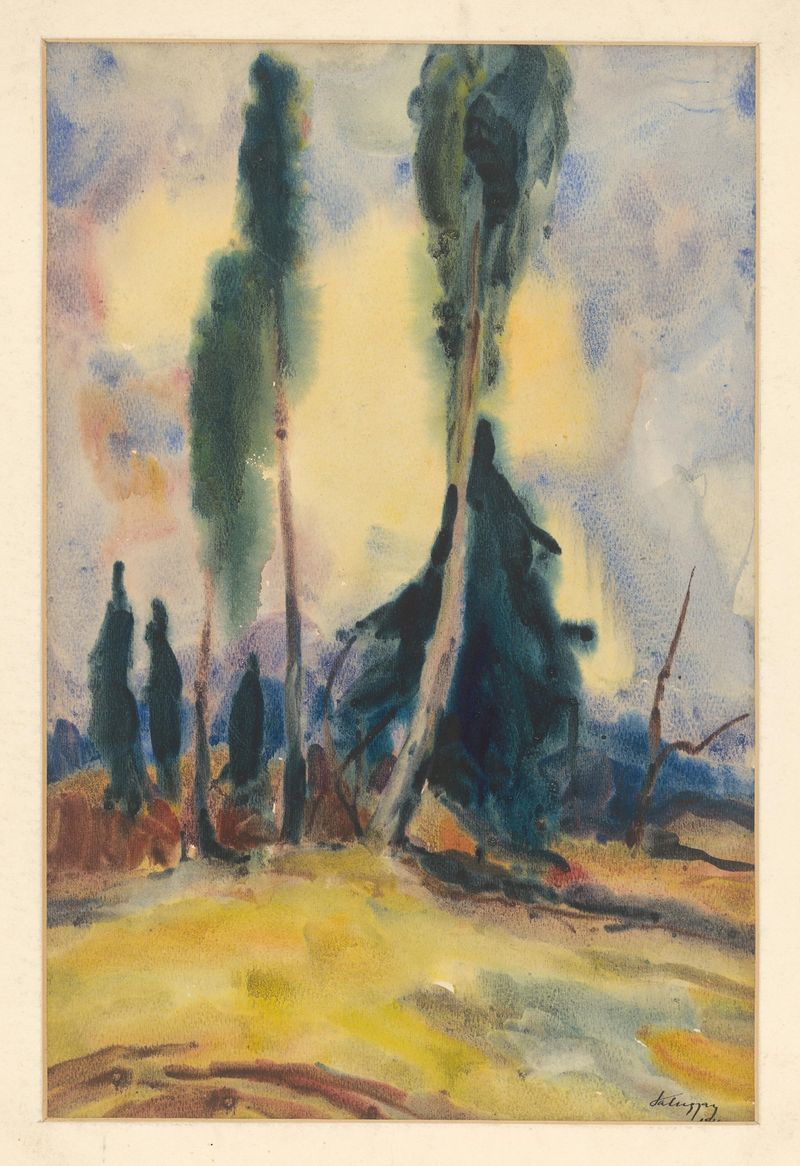
Three Trees on a Plain
Zolo Palugyay
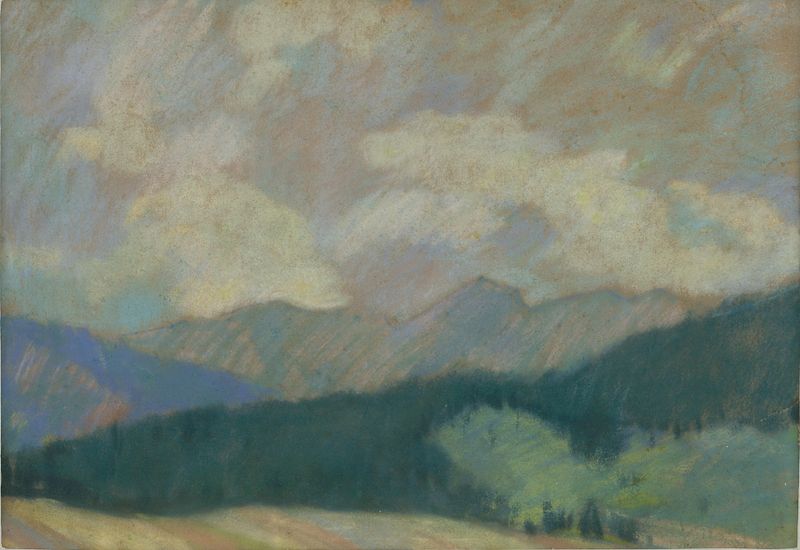
Horská krajina
Zolo Palugyay
Tatra Landscape
Zolo Palugyay
Spring Landscape
Zolo Palugyay





