
Orchard — History & Facts
Could a single brushstroke hold eternity? In the delicate embrace of nature, truth whispers through the leaves and blossoms, inviting us to pause and ponder. Focus on the vibrant greens nestled against a palette of soft earth tones. Look closely at the interplay of light and shadow, as dappled sunlight filters through the branches, creating a tapestry of warm illumination on the ground. Each brushstroke conveys a sense of depth and movement, guiding your eye across the canvas, from the intricately rendered blossoms to the serene expanse of the orchard beyond. Within the vibrant hues lies a contrast between the ephemeral beauty of the flowers and the steadfastness of the trees.
This tension encapsulates the fleeting moments of life, echoing both the transience of nature and the eternal cycle of growth and decay. The artist's meticulous attention to detail invites contemplation; it is not just an orchard, but a living testament to truth and beauty underpinned by the passage of time. In 1899, Jan Stanisławski painted Orchard during a period when he was deeply exploring the Impressionist movement in Poland. Living in Warsaw, he was surrounded by a burgeoning art scene that sought to capture the essence of the natural world.
This painting reflects not only his technical prowess but also a response to the cultural shifts of his era, as artists began embracing the immediacy of their surroundings, seeking to represent truth through the lens of nature's beauty.
More Artworks by Jan Stanisławski
Browse all →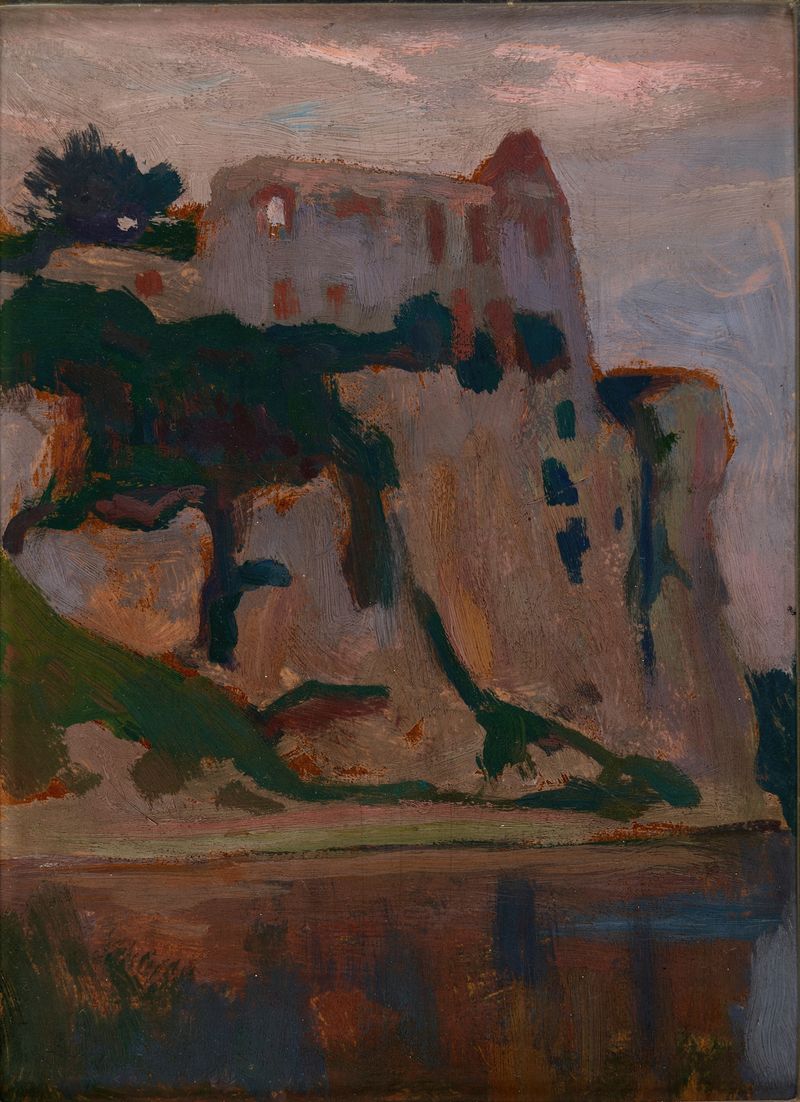
Tyniec at Dawn
Jan Stanisławski
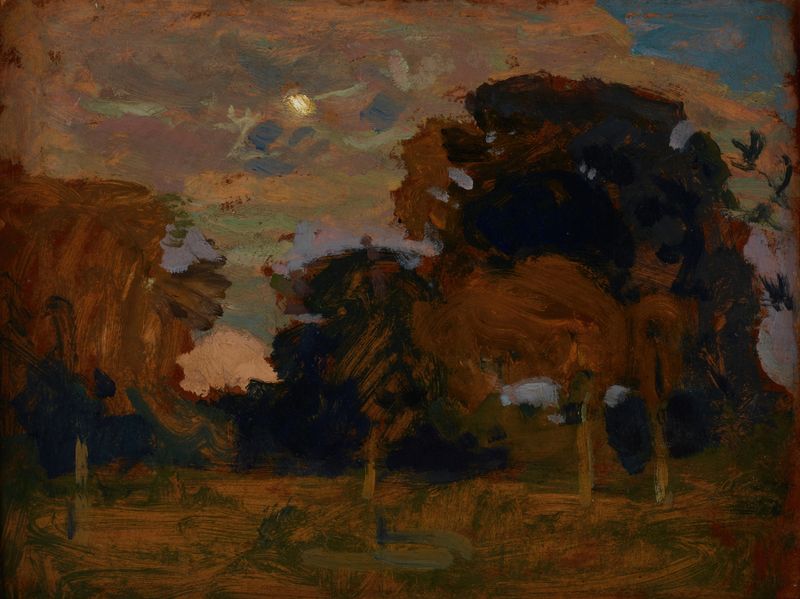
Moon in the Clouds
Jan Stanisławski
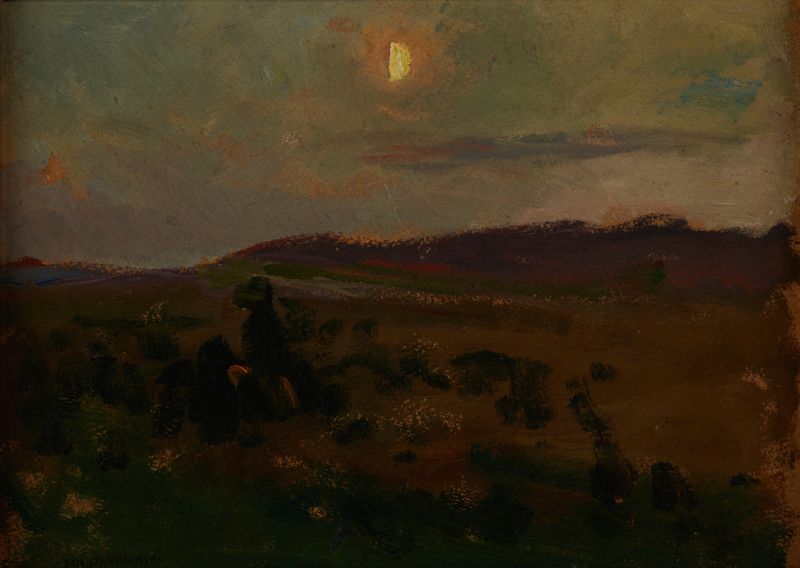
Moonrise
Jan Stanisławski
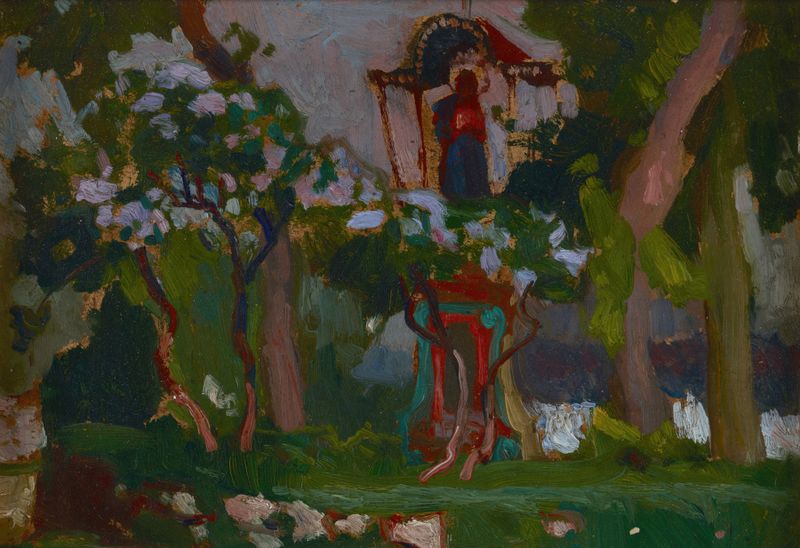
May
Jan Stanisławski
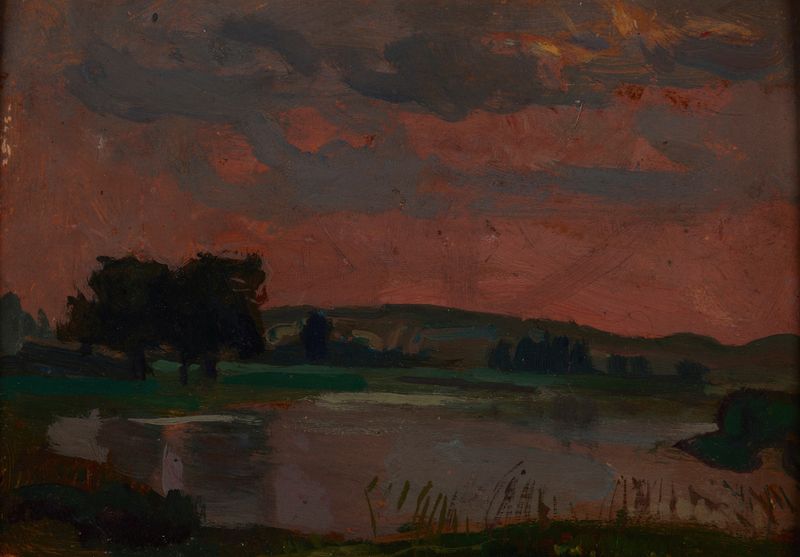
The Vistula in the Twilight
Jan Stanisławski
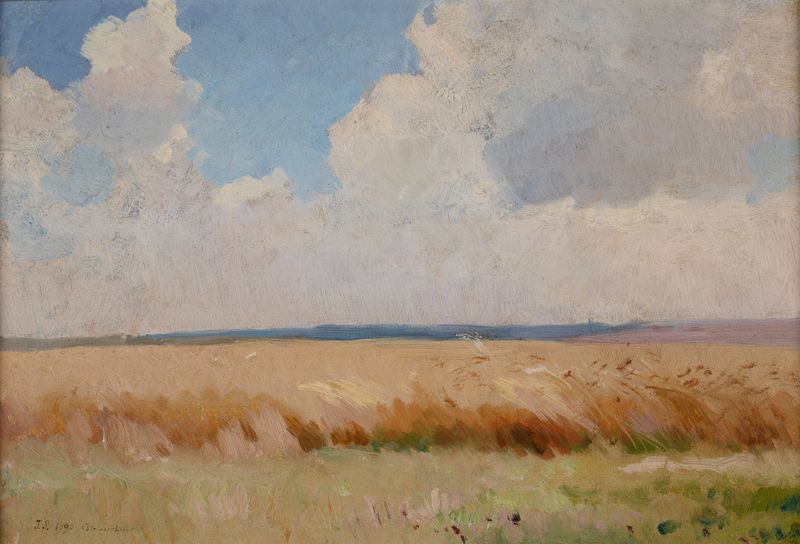
Field at Białocerkiew (Bila Tserkva)
Jan Stanisławski
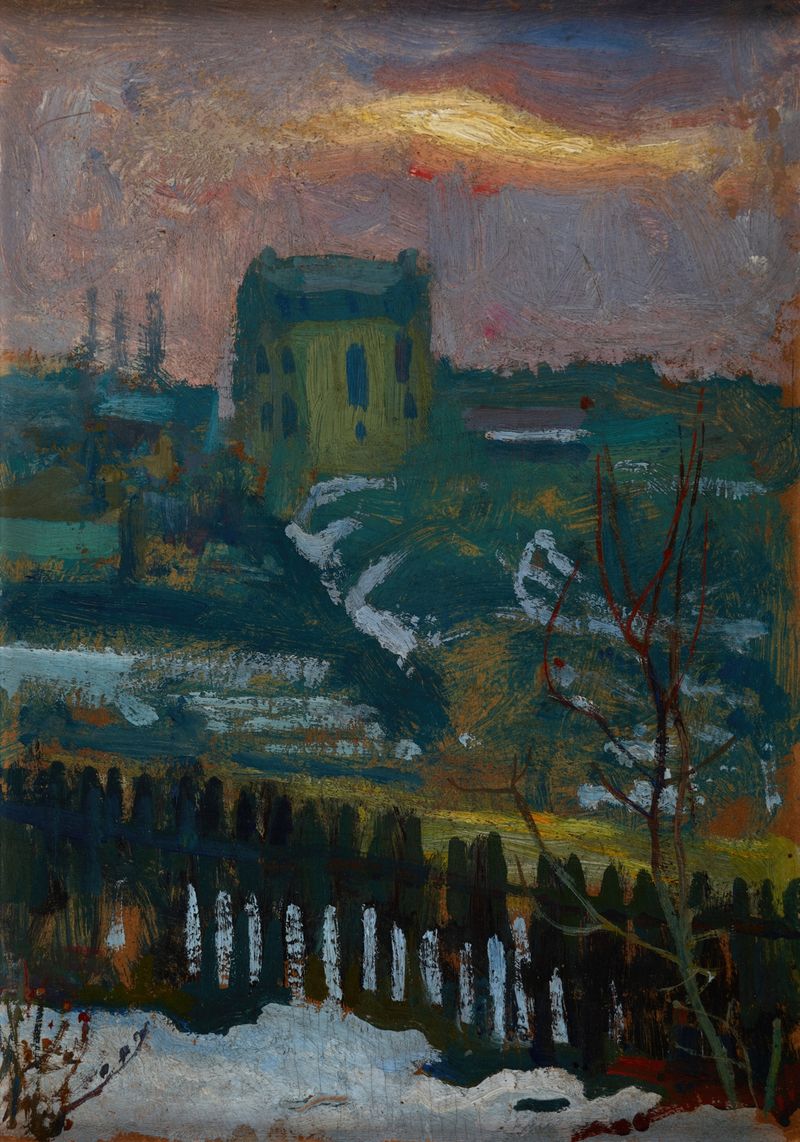
House in Winter
Jan Stanisławski
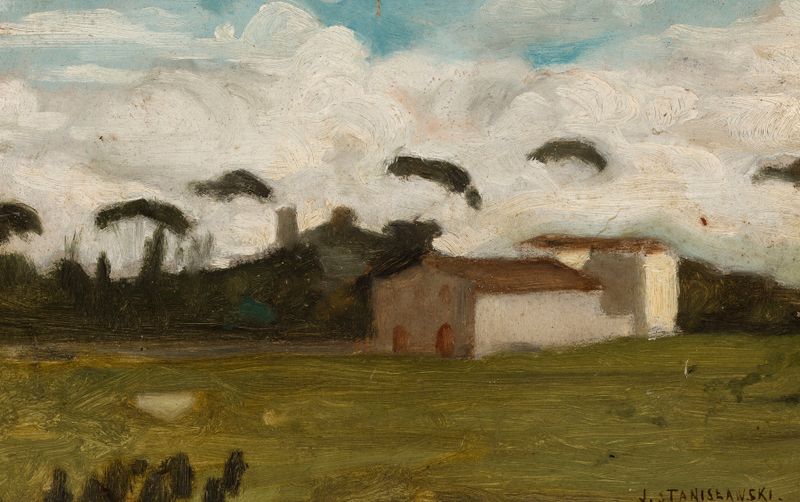
Landscape
Jan Stanisławski
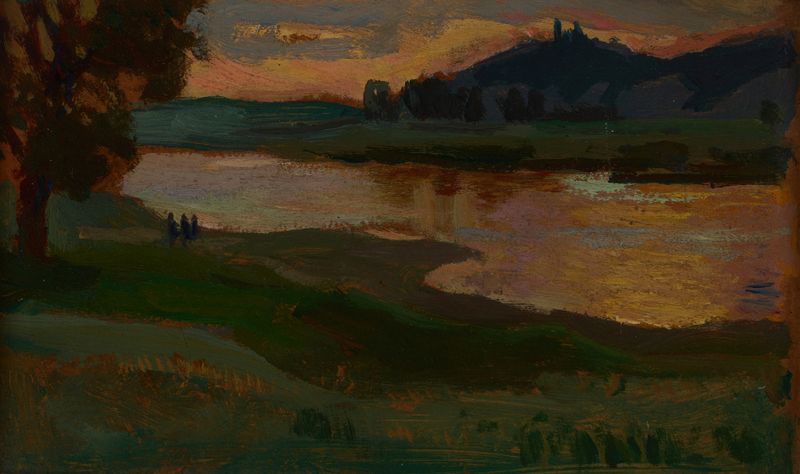
Bielany at Dusk
Jan Stanisławski
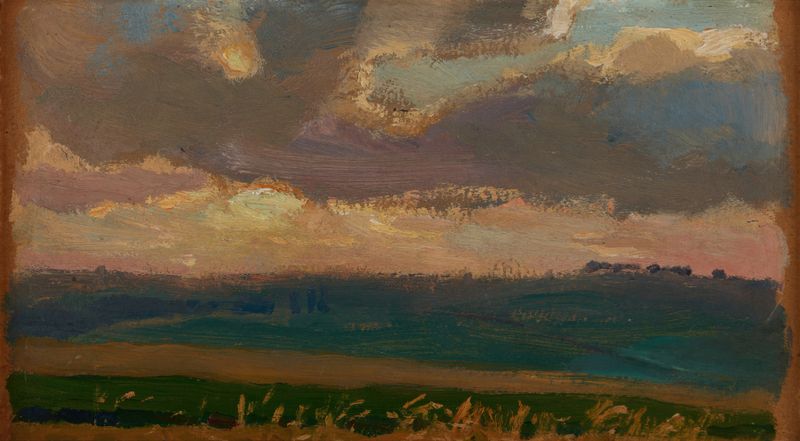
Fields at Proszowice
Jan Stanisławski





