
Orizava [Orizaba] — History & Facts
What if silence could speak through light? In Orizava, an expansive calm envelops the viewer, inviting contemplation and serenity amidst the grandeur of nature. Look to the center of the canvas, where the majestic silhouette of the volcano rises, dominating the horizon. The muted palette of blues and soft greens meld harmoniously, reflecting the gentle embrace of twilight. Notice how the golden rays of the setting sun bathe the peak in a warm, ethereal glow, creating a striking contrast with the cool tones of the sky.
The delicate brushwork captures the texture of the landscape, inviting you to explore the undulating hills that cradle the volcano with a sense of protective warmth. The interplay of light and shadow evokes a profound stillness, almost as if time has momentarily paused. The serene landscape hints at the passage of time and the enduring presence of nature against the fleeting human experience. Small details, such as the wisps of clouds delicately hovering above the peak, symbolize aspirations and dreams, contrasting the solid, unyielding form of the mountain below.
This duality between the ephemeral and the eternal resonates deeply, revealing the artist's meditation on existence. C. Castro created Orizava in 1869 during a period marked by a rising fascination with natural landscapes in art. Living in Mexico, he was part of a movement that sought to capture the beauty and emotional weight of the environment.
At this time, the world was undergoing significant change, yet Castro's work remains rooted in tranquility, inviting viewers to find peace amidst the chaos of life.
More Artworks by C. Castro
Browse all →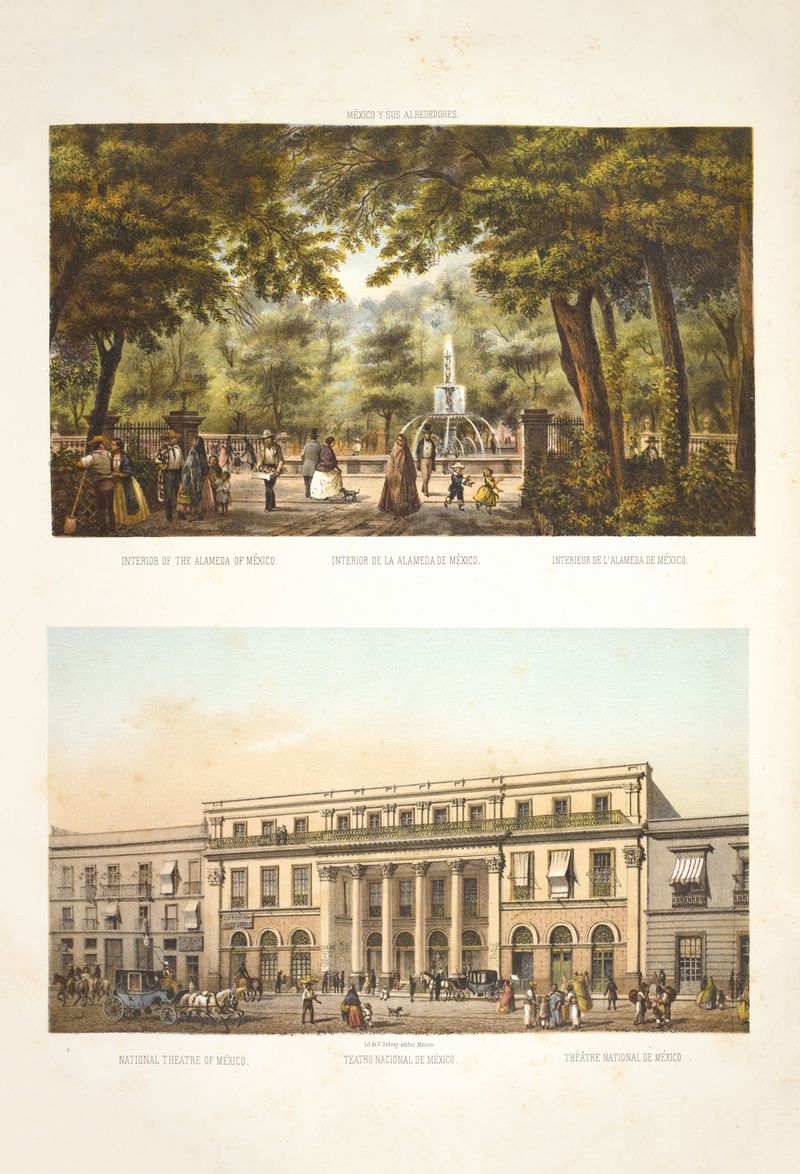
Interior of the Alameda of Mexico ; National Theatre of Mexico.
C. Castro
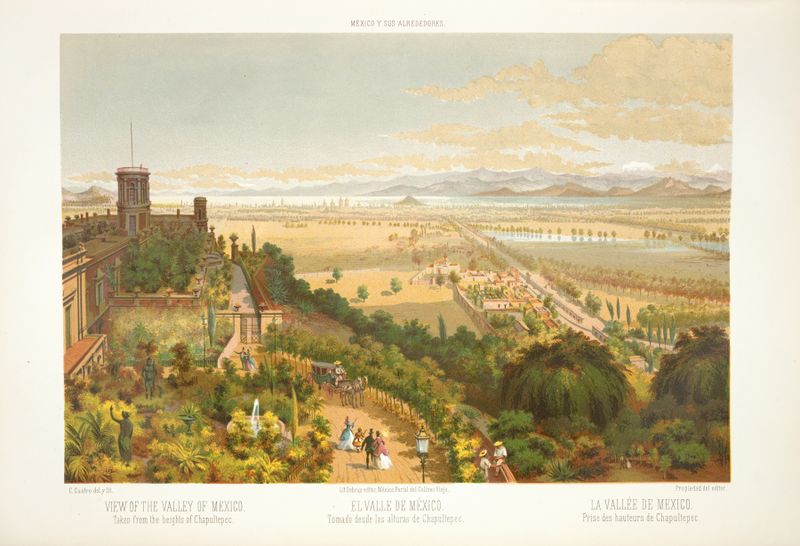
View of the Valley of Mexico, taken from the heights of Chapultepec.
C. Castro
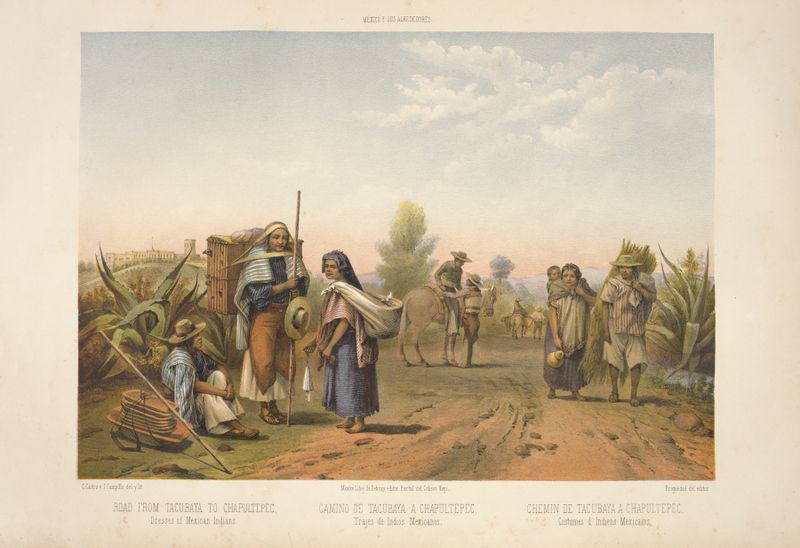
Road from Tacubaya to Chapultepec, dresses of Mexican Indians.
C. Castro
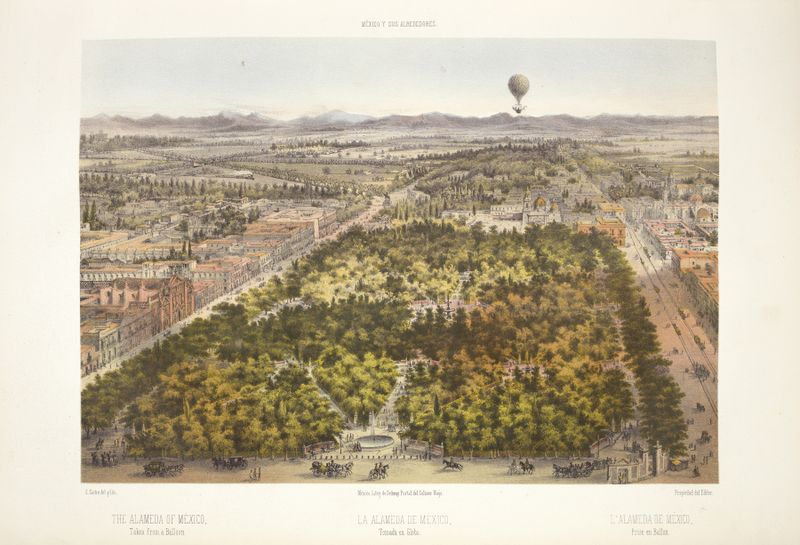
The Alameda of Mexico, taken from a balloon.
C. Castro
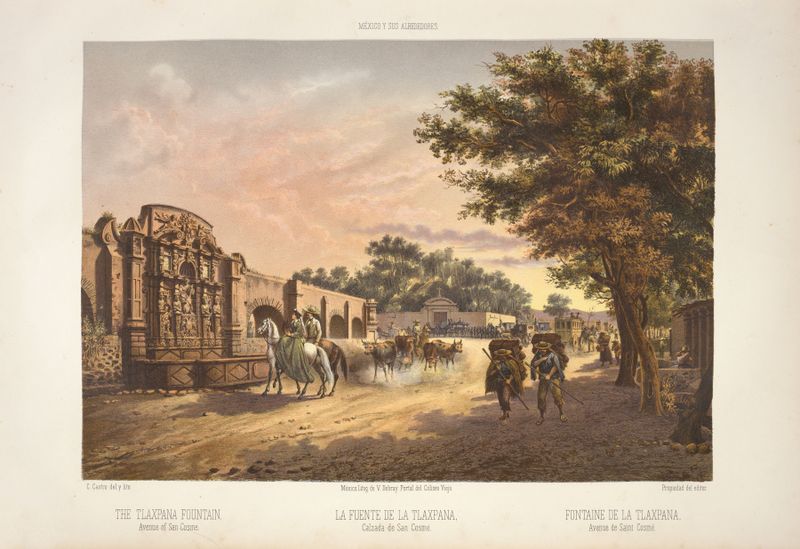
The Tlaxpana fountain, Avenue of San Cosme.
C. Castro
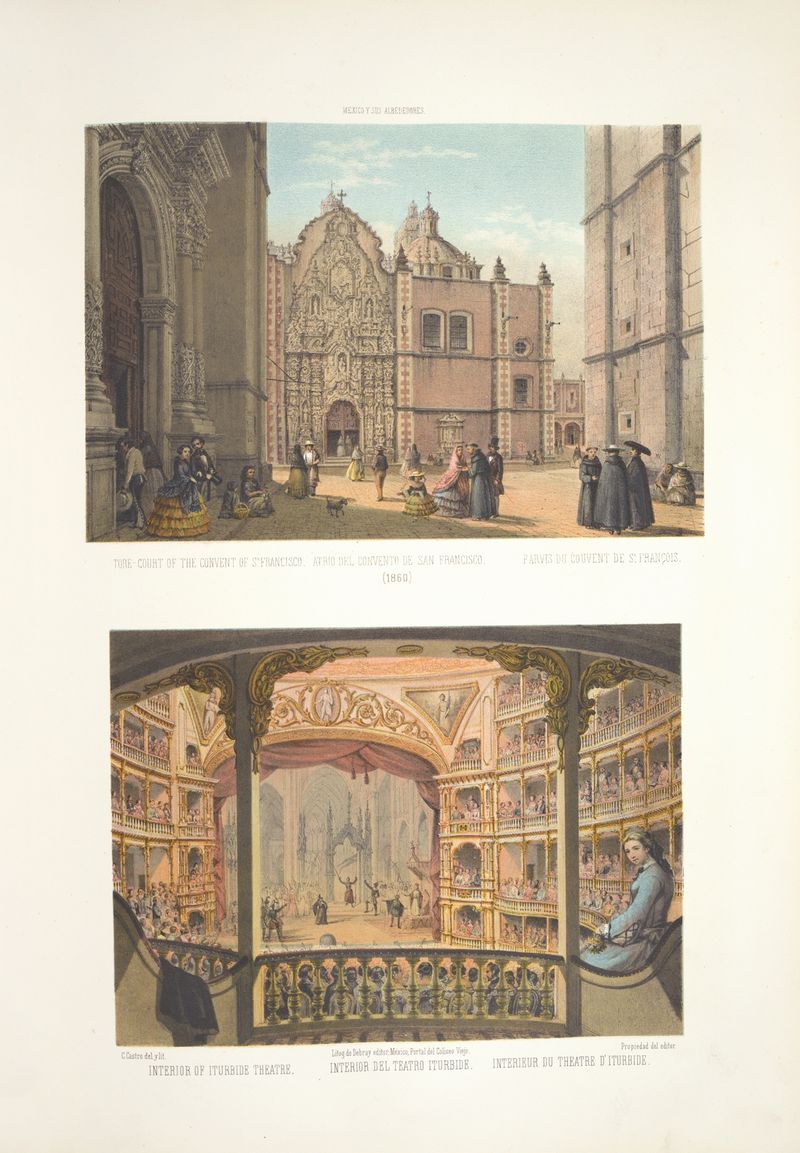
Tore-court of the convent of St. Francisco ; Interior del Teatro Iturbide
C. Castro
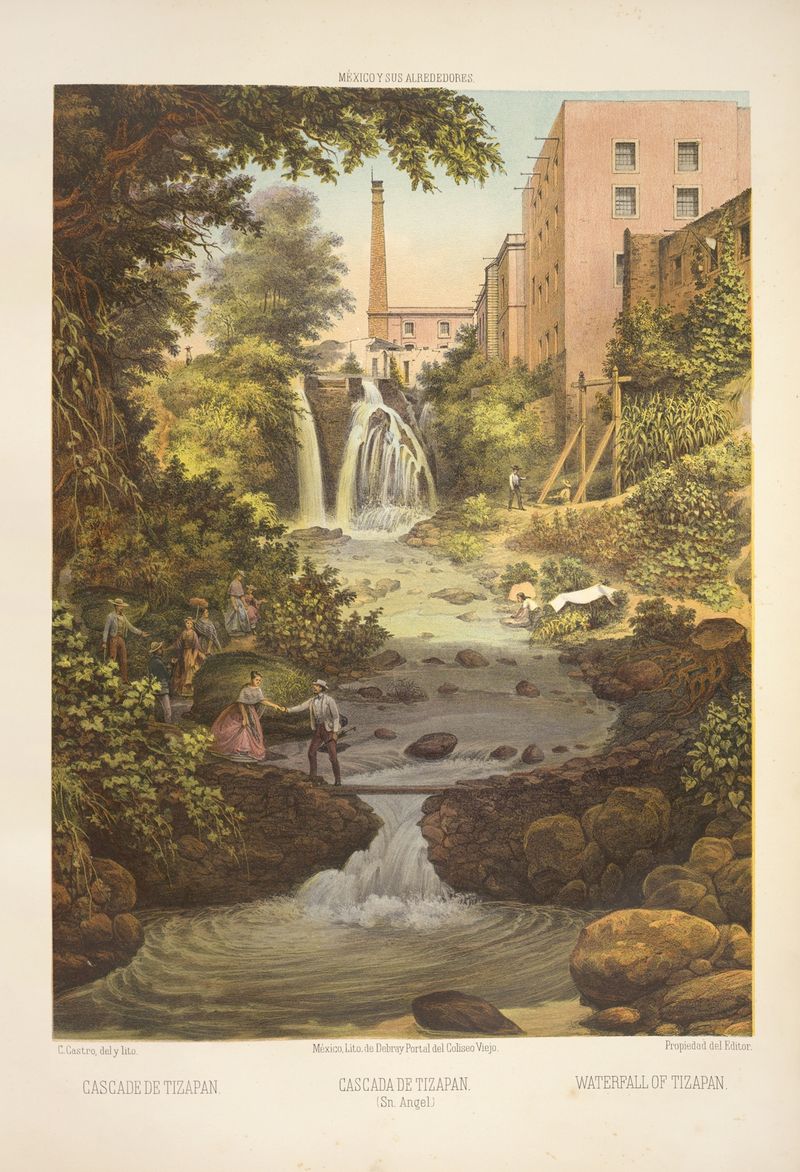
Waterfall of Tizapan
C. Castro
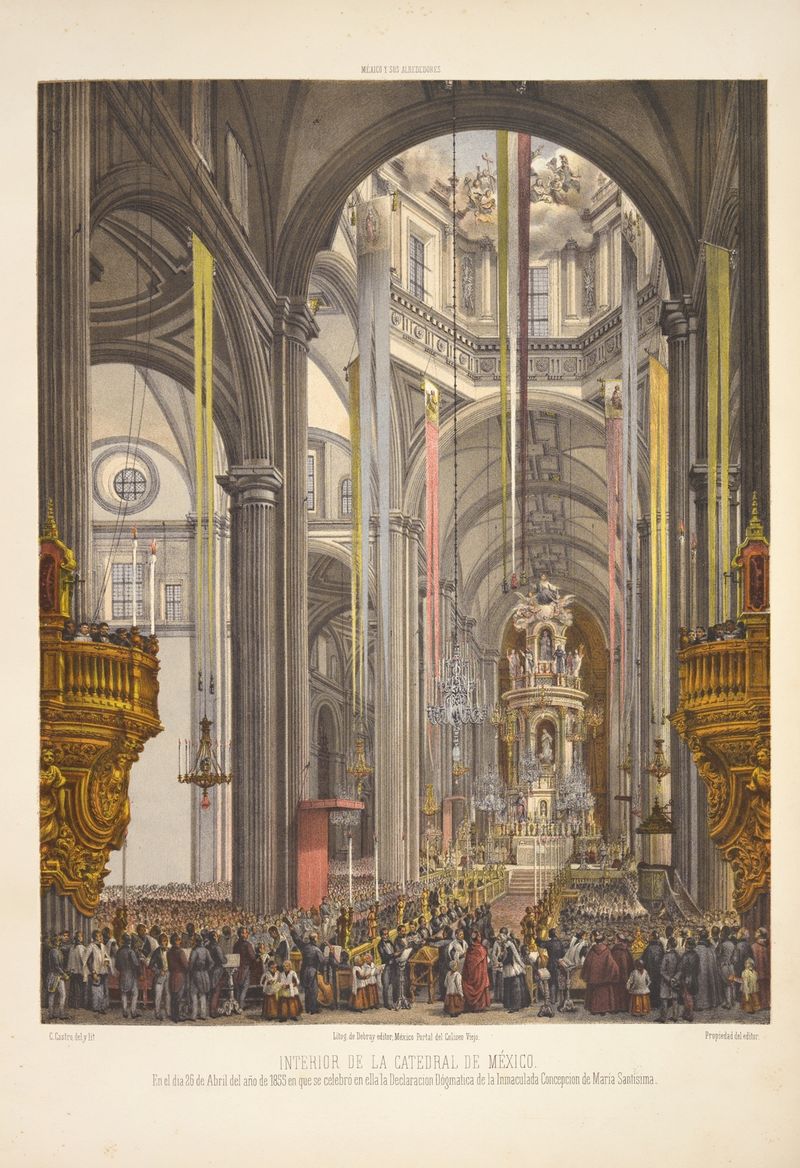
Interior de la Catedral de México. En el dia 26 de Abril del año de 1855 en que se celebró en ella la Declaracion Dógmatica de la Inmaculada Concepcion de María Santisima.
C. Castro
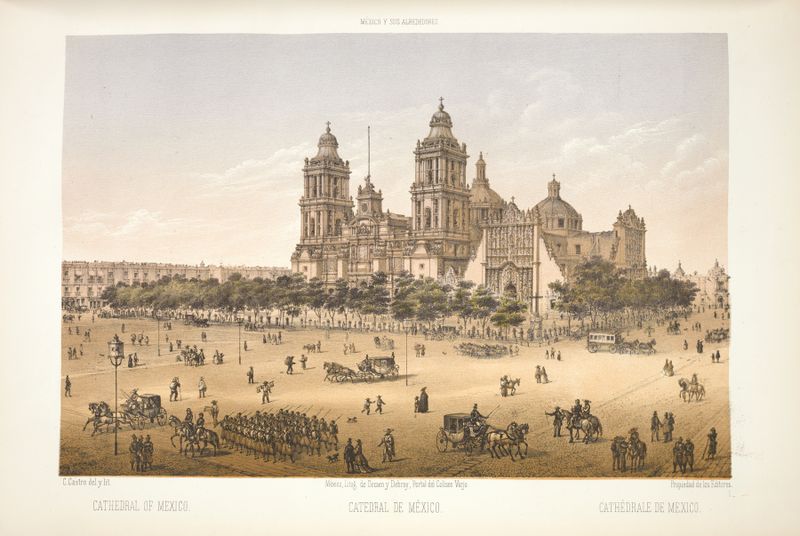
Cathedral of Mexico.
C. Castro
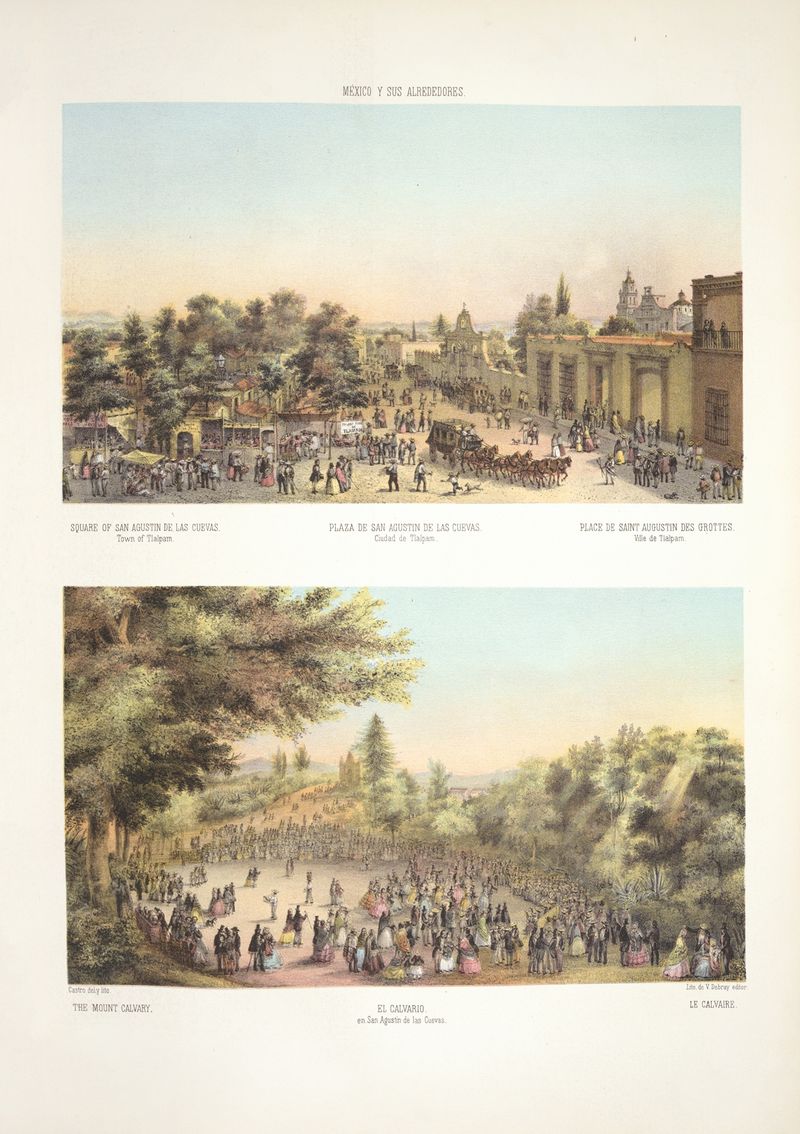
Square of San Agustin de las Cuevas, town of Tlalpam ; The Mount Calvary.
C. Castro





