
Ostende – bateaux de pêche — History & Facts
What if silence could speak through light? In Ostende – bateaux de pêche, the canvas hums with an intricate dance of boats and shadows, whispering the chaos of the sea's edge. Look to the left at the vivid blue hues of the water, rippling under the soft caress of the sunlight. The boats, rendered with quick, fluid brushstrokes, seem to sway gently as if caught in a moment of breath. Notice how the warm light spills over the fishermen's figures, their postures frozen in time, with each delicate contour accentuating their labor.
The palette vibrates with life, contrasting the stillness of the horizon, inviting the viewer to feel the energy pulsing beneath the serene surface. In this work, the chaos of human endeavor is juxtaposed with the tranquility of nature. The fishermen, symbols of resilience, navigate the unpredictable waters, embodying the strife of existence against a backdrop of unyielding calm. Additionally, the faint outlines of distant boats evoke a sense of isolation, hinting at the unseen struggles that accompany a life at sea.
Each stroke of paint encapsulates the tension between movement and stillness, reflecting the bittersweet dance of life and labor. Jean-François Taelemans painted Ostende – bateaux de pêche in 1928 during a time when the post-war art world was grappling with the remnants of chaos left by conflict. Living in Belgium, he was influenced by the local culture as well as the broader European art movements that sought to capture the essence of everyday life through simpler forms and vivid colors. This piece stands as a testament to his ability to reflect both the beauty and struggle inherent in human existence.
More Artworks by Jean-François Taelemans
Browse all →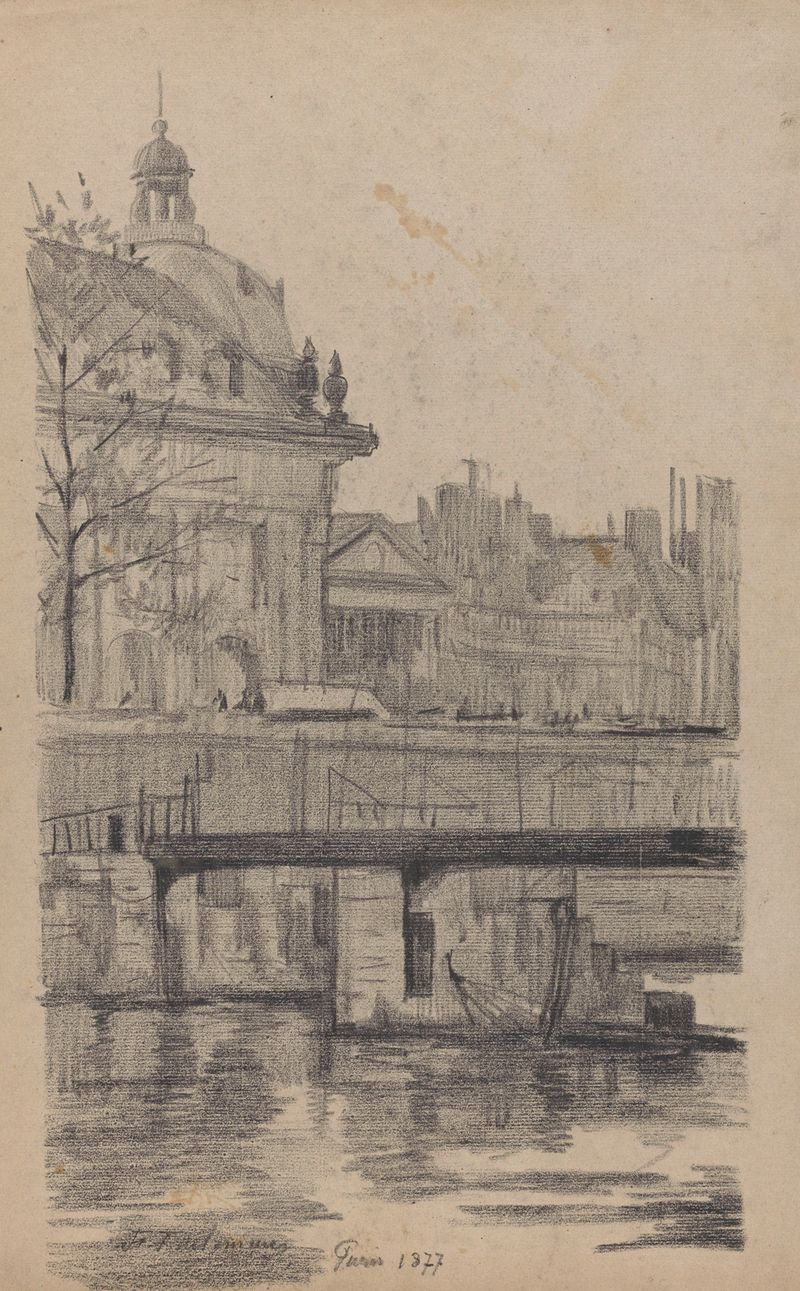
Paris (vue de la Seine et du Collège des Quatre Nations (actuellement siège de l’Institut de France)
Jean-François Taelemans
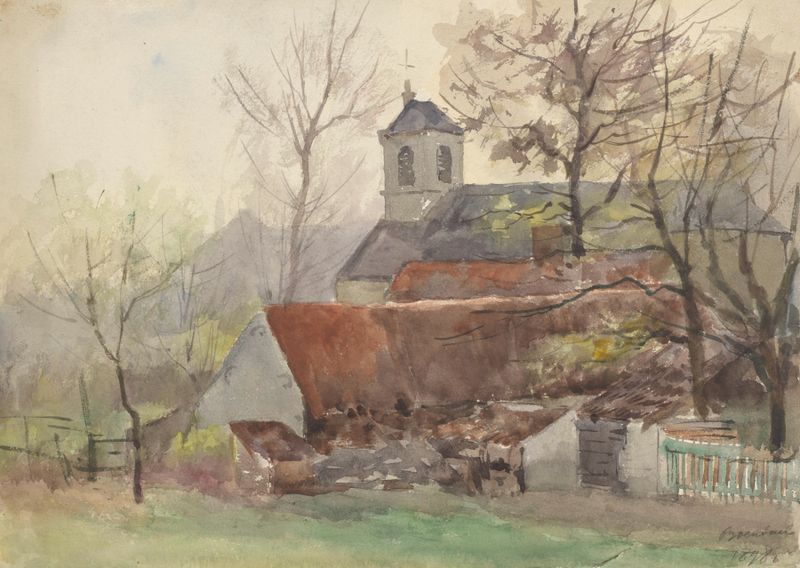
Boendael (église)
Jean-François Taelemans
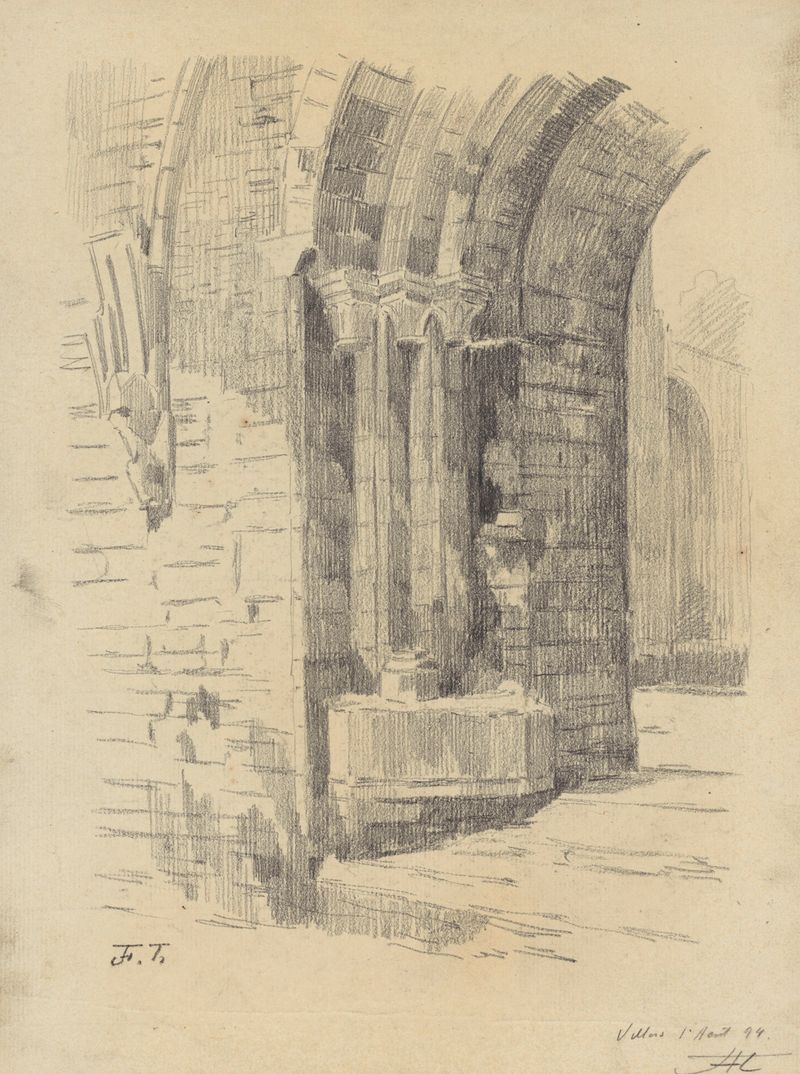
Ruines de l’abbaye de Villers-la-Ville – porche entre le cloître et l’église abbatiale (côté droit)
Jean-François Taelemans
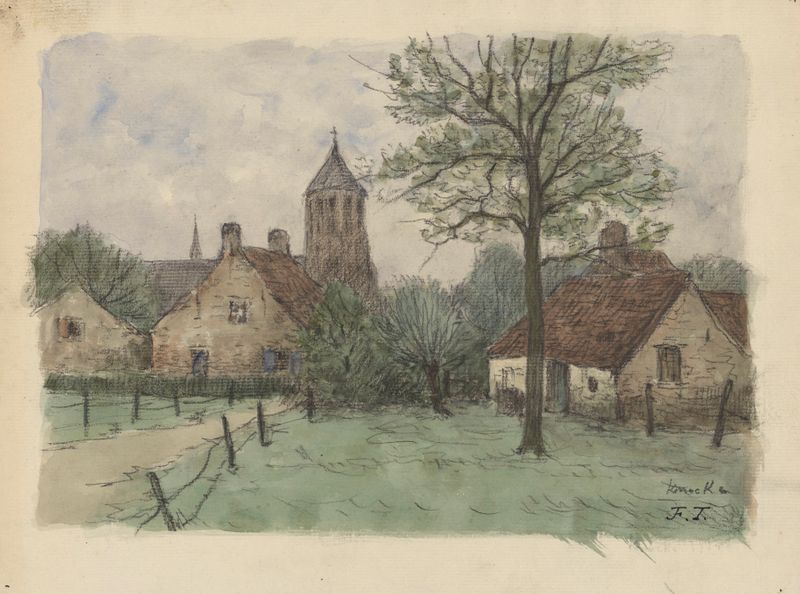
Village et église Sint Margaretha à Knocke
Jean-François Taelemans
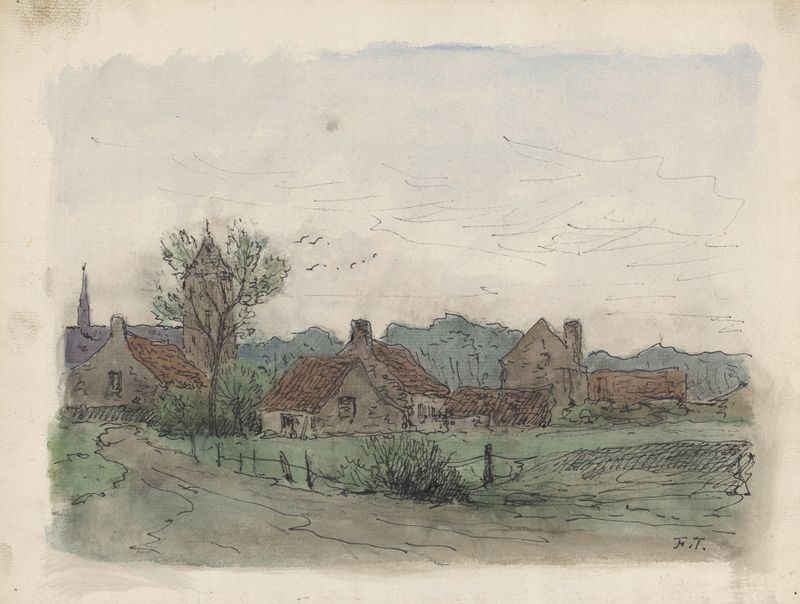
Village
Jean-François Taelemans
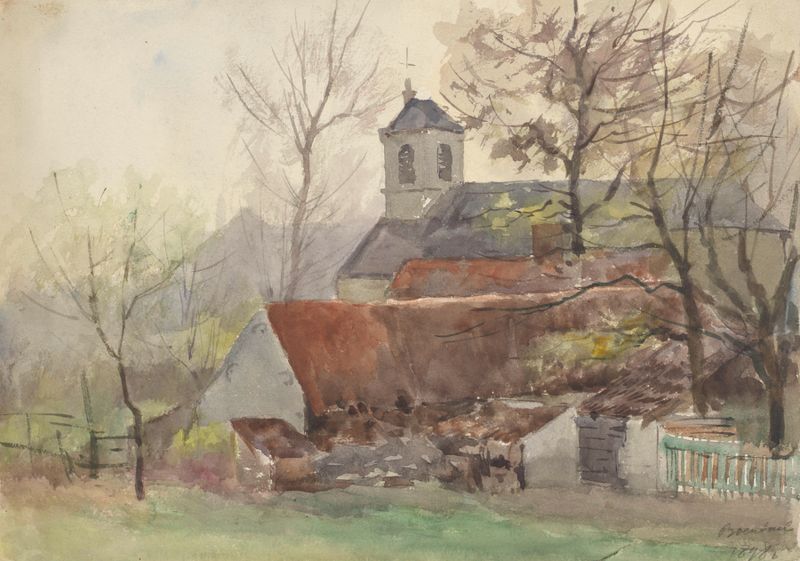
Boendael (église)
Jean-François Taelemans
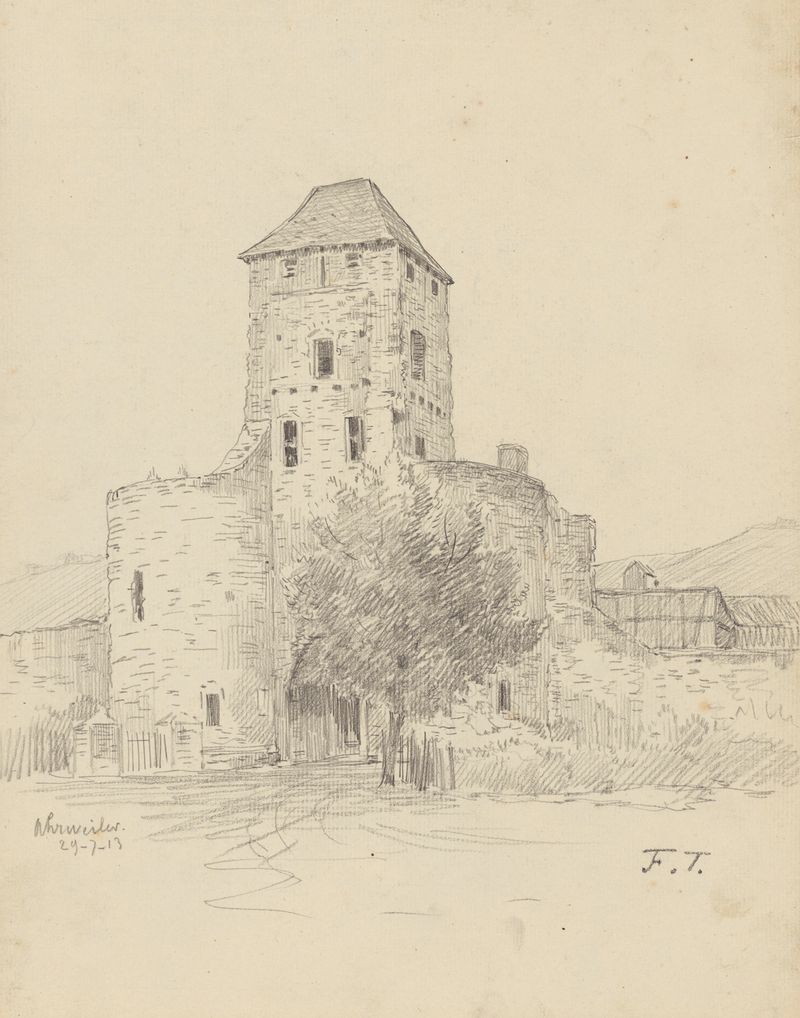
Vieille tour (porte) à Ahrweiler (Allemagne)
Jean-François Taelemans
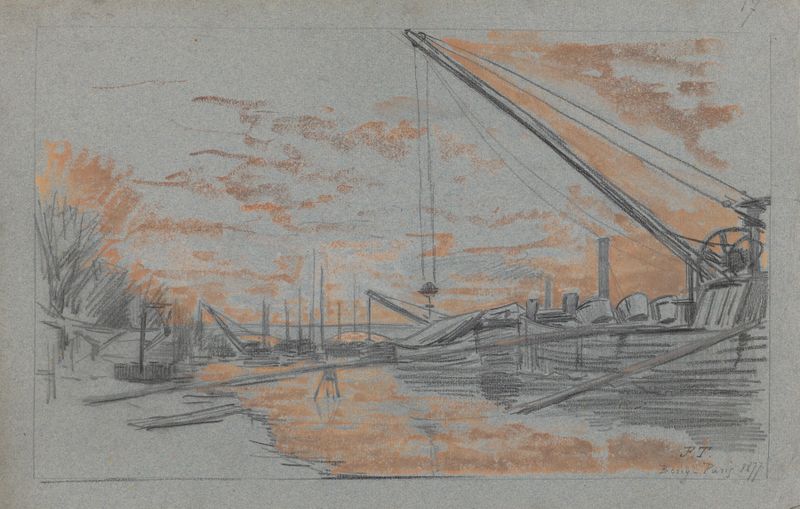
Bercy – Paris (bord de Seine avec chalands à l’ancre en cours de chargement, soleil couchant)
Jean-François Taelemans
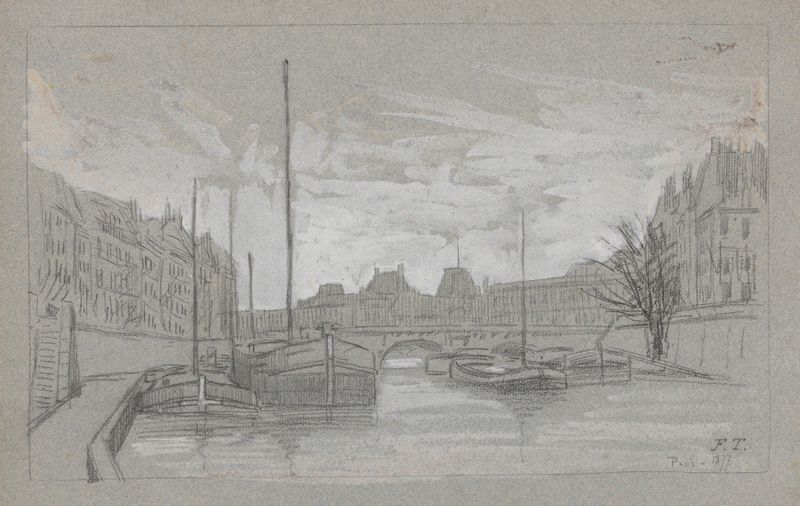
Paris (bateaux sur la Seine près d’un pont)
Jean-François Taelemans
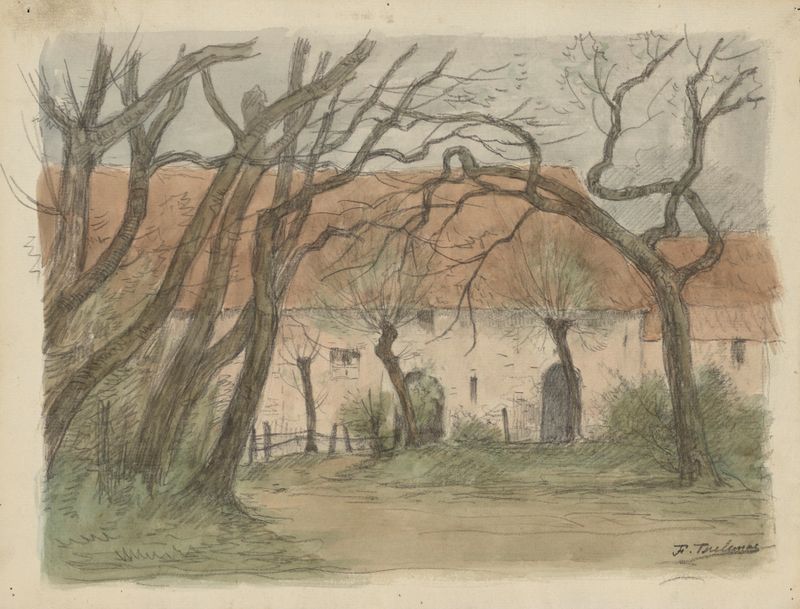
Grande maison campagnarde derrière un bouquet d’arbres
Jean-François Taelemans





