
Ostraciontes (Boxfish) — History & Facts
No one forgets their first encounter with a boxfish, and Ostraciontes (Boxfish) by Ernst Haeckel revels in that sense of discovery. Here, the page bursts with armored forms and improbable geometry: scales tessellate into honeycombs, fins radiate like fans, and each creature’s carapace seems engineered more than grown. The central specimen commands with its fortress-like ridges and twin horns, flanked by kin that echo its motifs in a riot of ochre, emerald, and gold.
Haeckel’s hand guides your gaze from the blunt, almost comical faces to the intricate latticework of their bony plates—each detail an invitation to marvel at nature’s inventiveness. This image belongs to the world of Kunstformen der Natur (1904), a landmark in the marriage of science and art. In the early twentieth century, naturalists and artists alike were captivated by the ocean’s hidden architectures, and Haeckel’s illustrations made these creatures newly visible to a public hungry for the wonders of evolution. Such works were not mere catalogues: they were celebrations of form, intended for both the scientific academy and the drawing room.
While history has kept few traces of the individual stories behind each plate, the enduring fascination of Ostraciontes (Boxfish) lies in its ability to make the unfamiliar unforgettable—one glance, and you find yourself tracing the logic of life’s most unlikely designs.
More Artworks by Ernst Haeckel
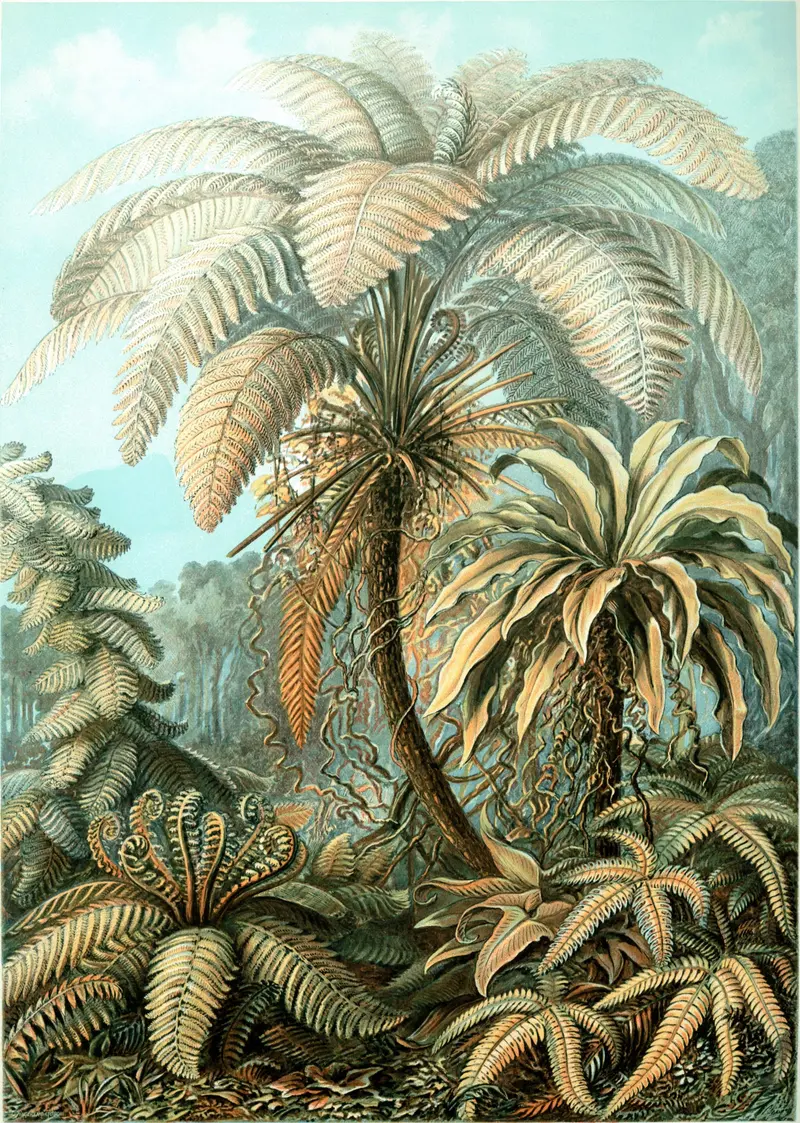
Filicinae (Ferns)
Ernst Haeckel
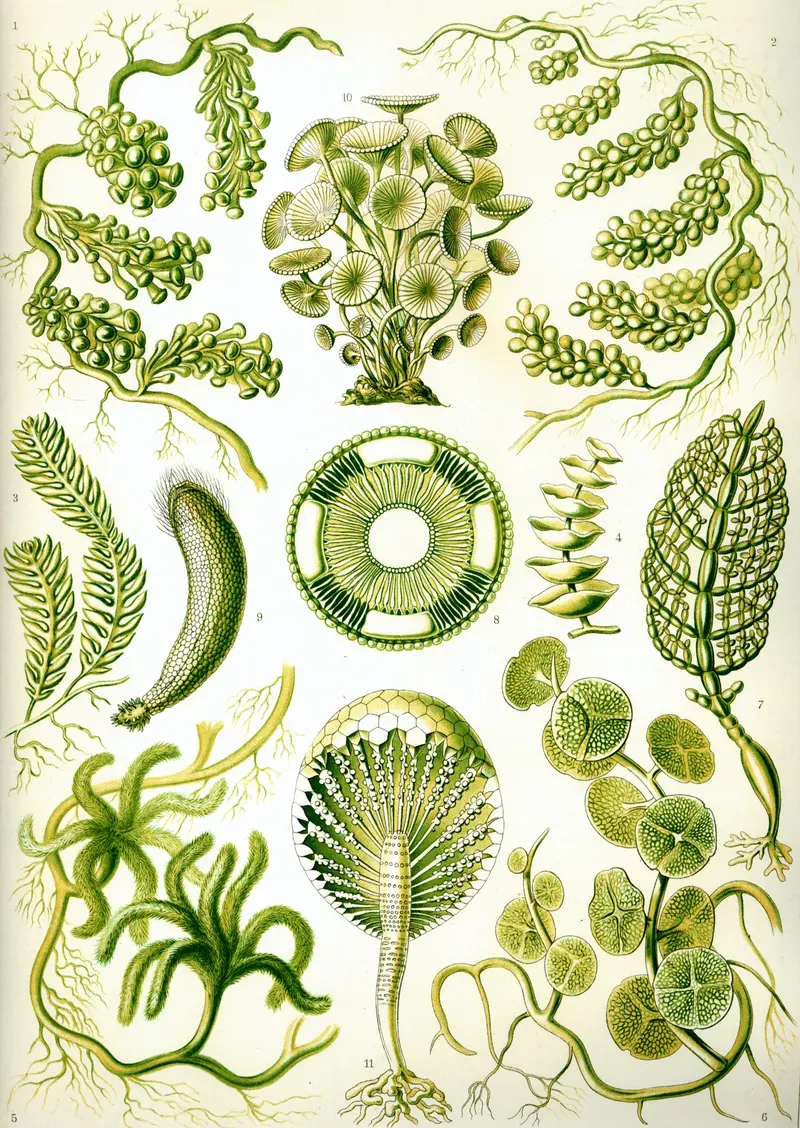
Siphoneae (Green Algae)
Ernst Haeckel

Cirripedia (Barnacles)
Ernst Haeckel

Actiniae (Sea Anemones)
Ernst Haeckel
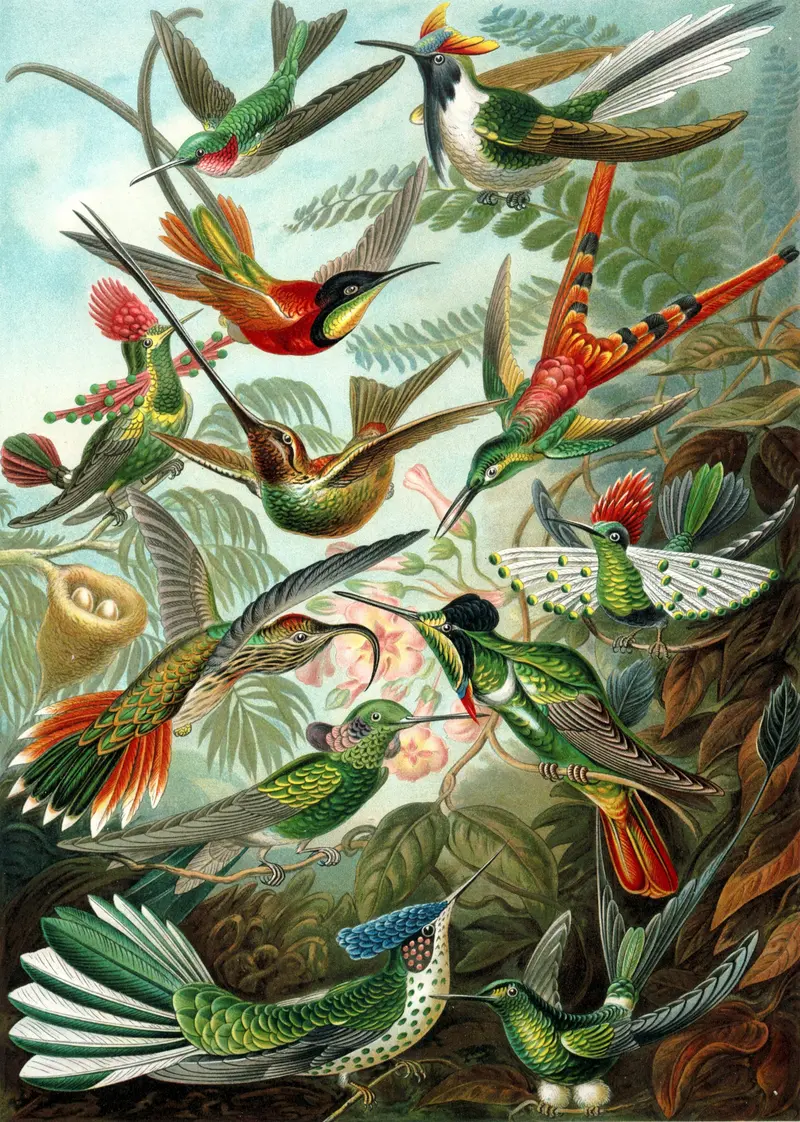
Trochilidae (Hummingbirds)
Ernst Haeckel
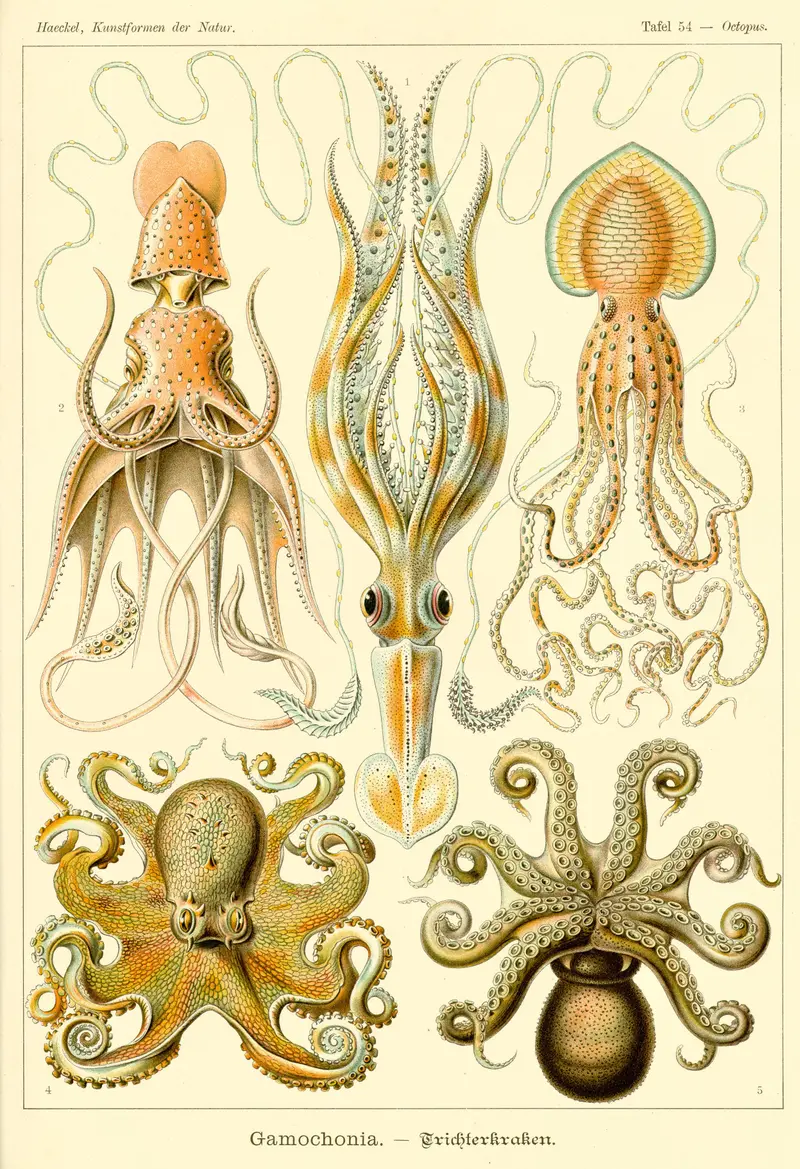
Gamochonia (Cephalopods)
Ernst Haeckel
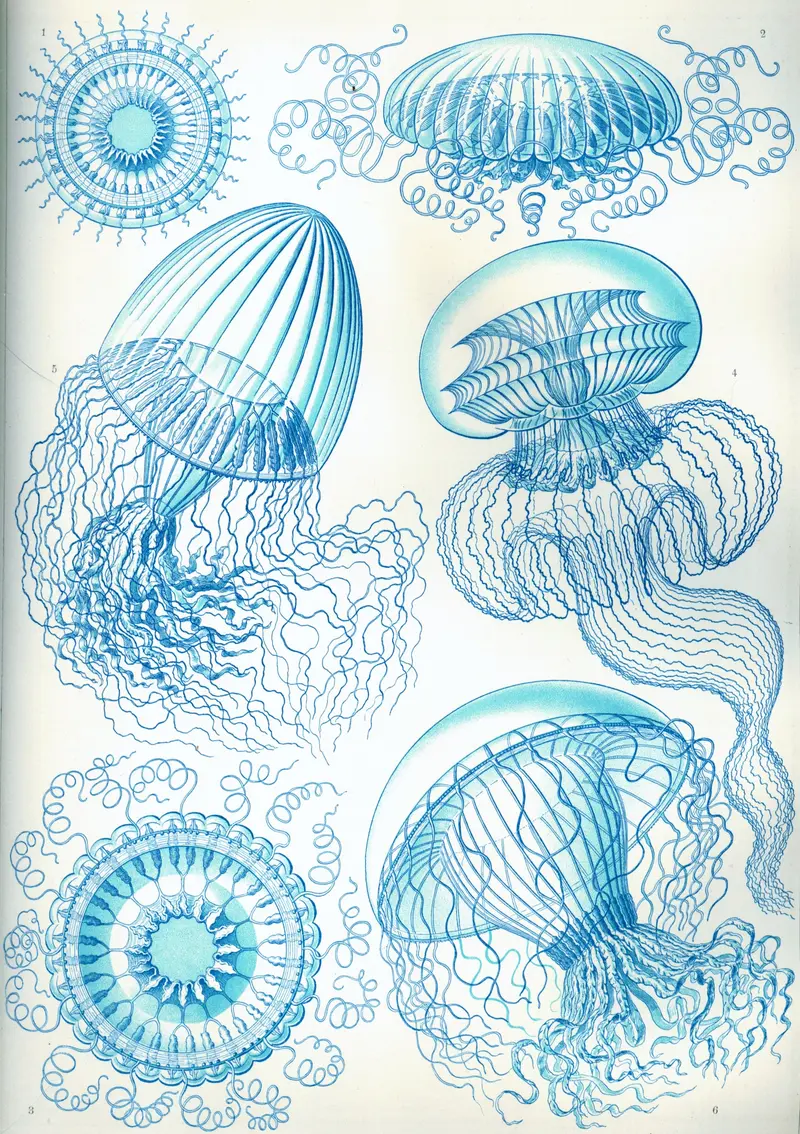
Leptomedusae (Jellyfish)
Ernst Haeckel
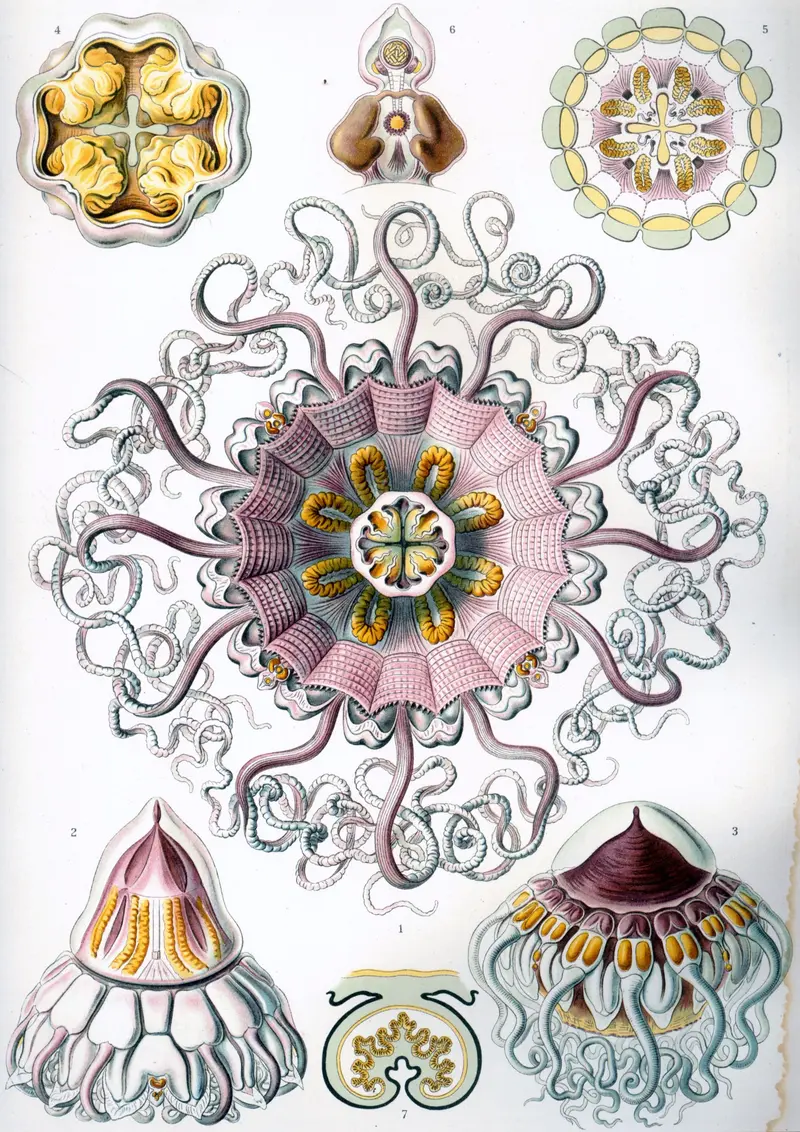
Peromedusae (Jellyfish)
Ernst Haeckel
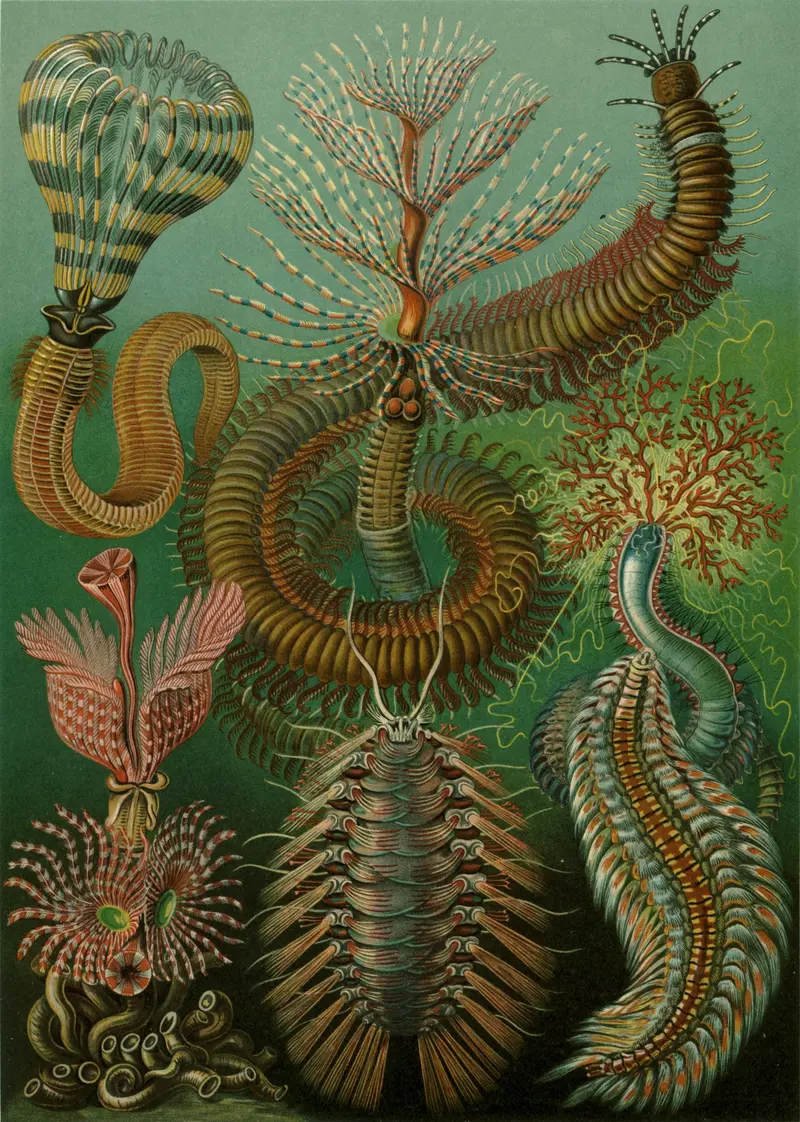
Chaetopoda (Bristle Worms)
Ernst Haeckel
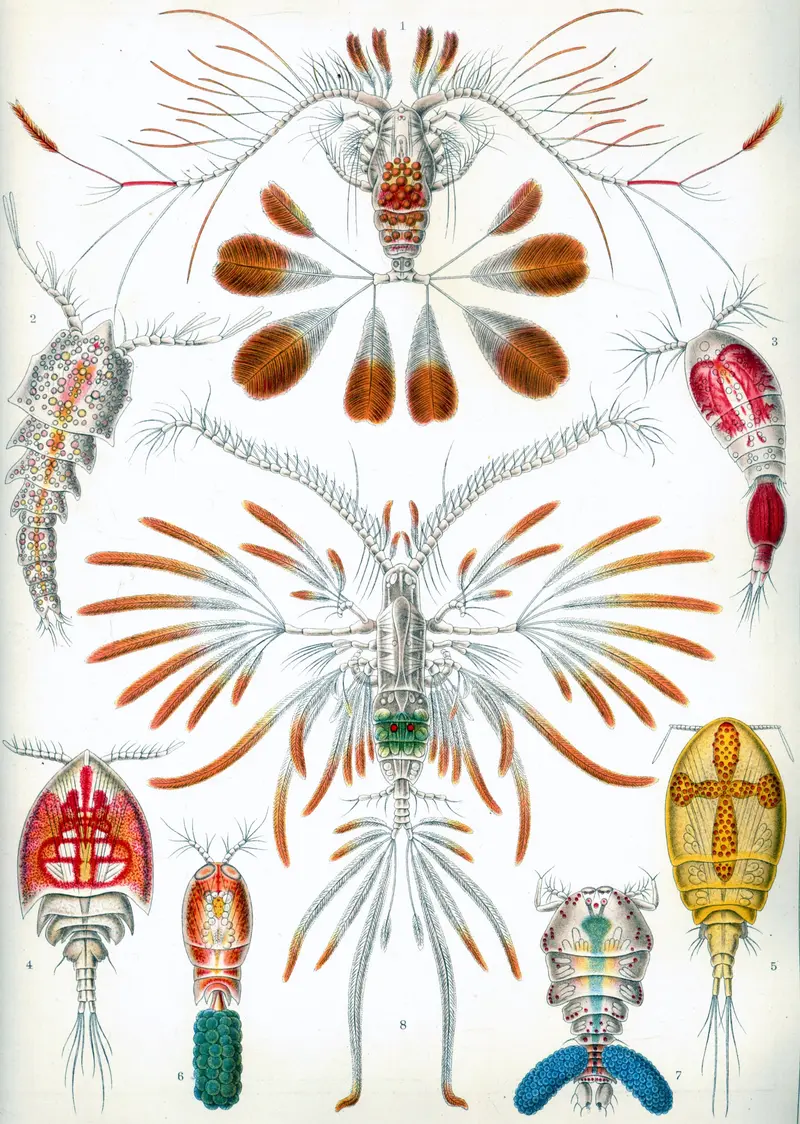
Copepoda (Copepods)
Ernst Haeckel





