
Ostrava — History & Facts
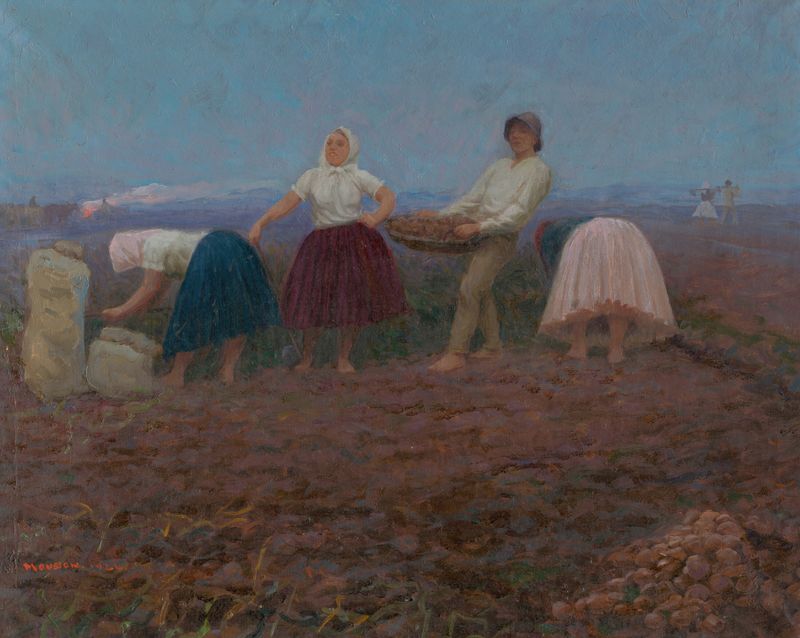
Could a single brushstroke hold eternity? In Ostrava, the essence of desire is captured, conveying an unspoken yearning for something beyond the surface. Focus on the interplay of muted earth tones and vibrant accents that draw you in. Notice how the sweeping curves and angular shapes create a dynamic rhythm across the canvas, suggesting a landscape that breathes in harmony with the human spirit. The light dances delicately, illuminating the foreground while casting shadows that hold secrets, inviting you to explore further. Delve deeper into the contrasts within this work: the tension between the soft, rounded forms and the sharp, jagged lines reflects the duality of yearning — the pursuit of beauty and the harsh realities of existence.
The layers of paint hold the weight of personal aspiration, while the rhythmic patterns evoke the pulse of a city alive with ambition. Each stroke seems to whisper stories of longing and perseverance, reminding us that desire can be both a guiding star and an aching void. In 1930, Jozef Teodor Mousson painted this piece in the context of a Europe grappling with the aftermath of the First World War. During this tumultuous period, artists sought to redefine their identities and engage with the rapidly changing world around them.
Mousson, influenced by modernist trends, explored the complexities of human emotion against the backdrop of a shifting societal landscape, making Ostrava a vivid reflection of both personal and collective desire.
More Artworks by Jozef Teodor Mousson
Browse all →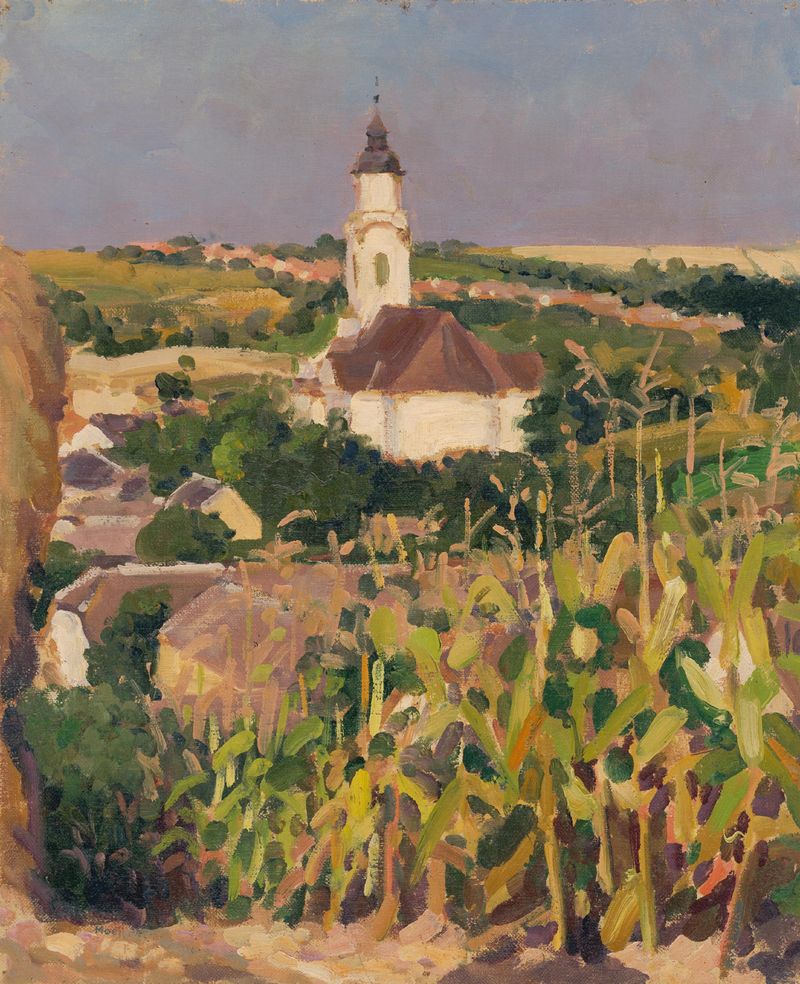
Eastern Slovakia Village
Jozef Teodor Mousson
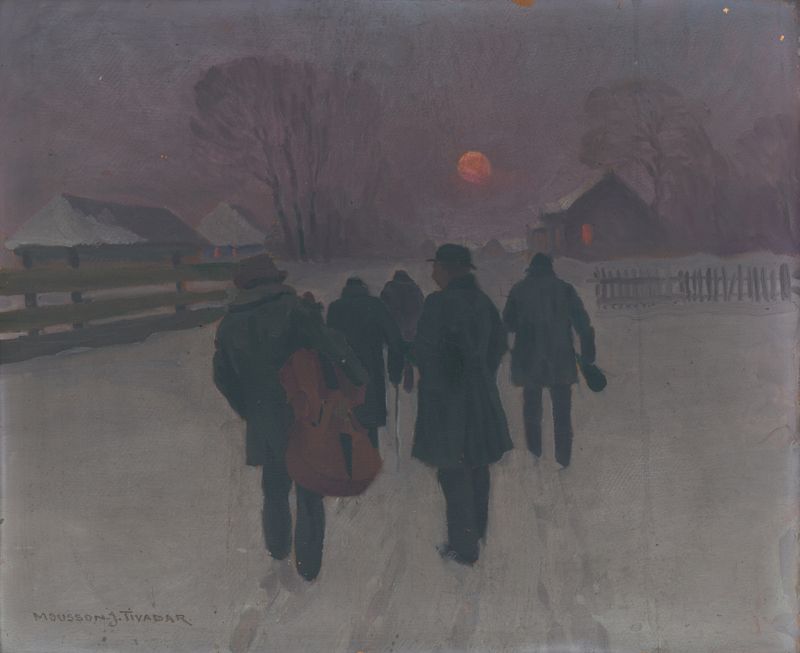
Musicians Returning in the Early Morning through Snowed Landscape
Jozef Teodor Mousson

Na pobreží
Jozef Teodor Mousson

V zime na dedine
Jozef Teodor Mousson

Trh v Michalovciach II.
Jozef Teodor Mousson
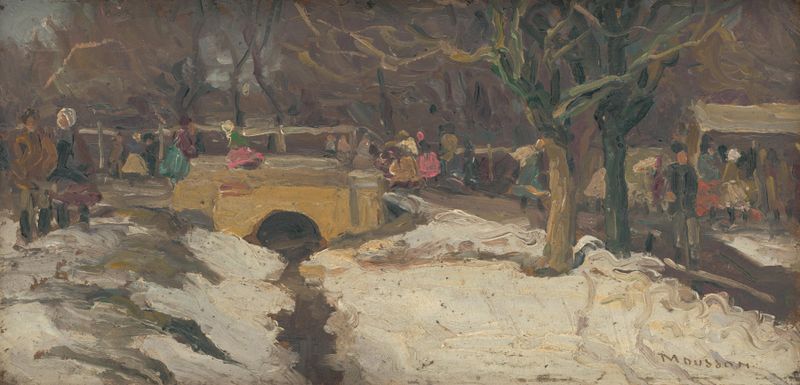
Market
Jozef Teodor Mousson
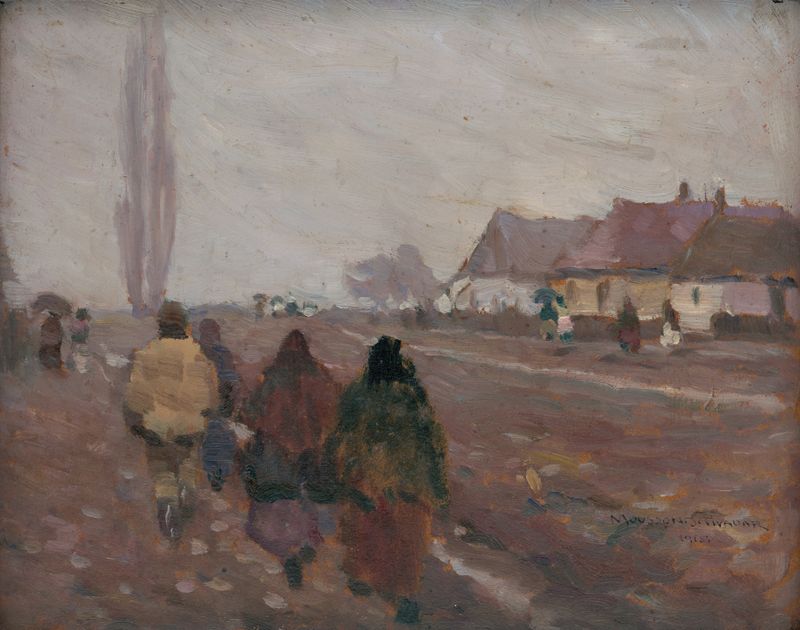
On the Road from the Michalovice Market
Jozef Teodor Mousson

Potato Digging
Jozef Teodor Mousson

Na dedine
Jozef Teodor Mousson
Potato picking
Jozef Teodor Mousson





