
Oud Scheveningen — History & Facts
What if beauty was never meant to be finished? In Oud Scheveningen, the canvas entices us into an obsessive world where the past lingers, transforming the present into a timeless echo. Look to the center; here, the intricate play of soft blues and earthy browns draws you into the fishing village's tranquility. Notice how the waves softly lap against the shore, the brushstrokes a delicate dance that suggests movement. The muted palette creates a sense of nostalgia, while the warm sunlight filtering through the clouds bathes everything in a golden hue, imbuing the scene with a dreamlike quality.
The distant figures, mere silhouettes, are rendered with an impressionistic touch, inviting you to ponder their stories. Yet, beneath this serene surface lies a tension between past and present; the shabbily beautiful cottages appear both charming and melancholic. The way the light accents the jagged rooftops speaks to the transient nature of existence, hinting that what once was is now fading away. The artist's choice to depict the fishermen's boats, laden with the weight of history, suggests an obsession with tradition, a longing for the untainted simplicity of life before modernity encroached. Arend Hendriks painted Oud Scheveningen during a period of profound change in the early 20th century, from 1911 to 1943, witnessing the shifting tides of art and society.
Living in the Netherlands amidst the rise of modernism, he navigated the tension between traditional themes and evolving artistic expressions. This work reflects not only his personal narrative but also the cultural shifts of a world on the brink of transformation.
More Artworks by Arend Hendriks
Browse all →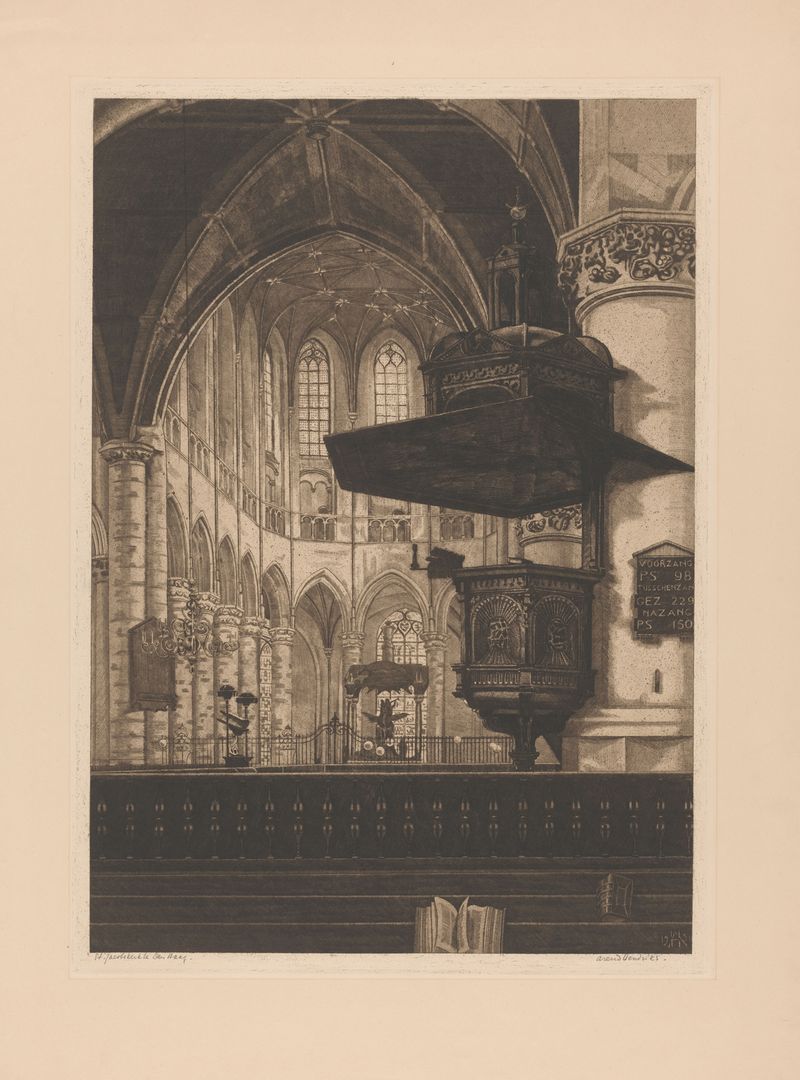
St. Jacobskerk te Den Haag
Arend Hendriks

Landschap met bloemen
Arend Hendriks
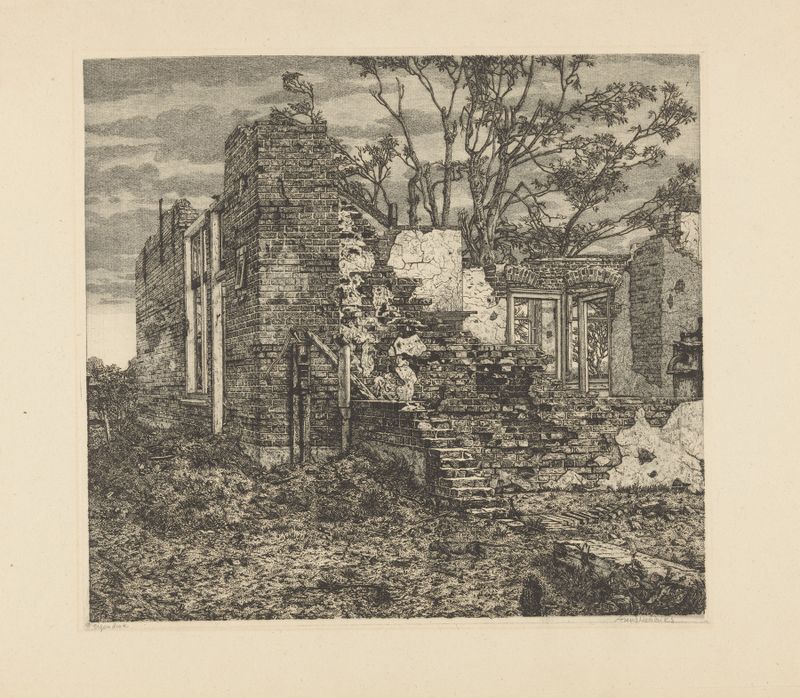
Ruïne van een huis
Arend Hendriks
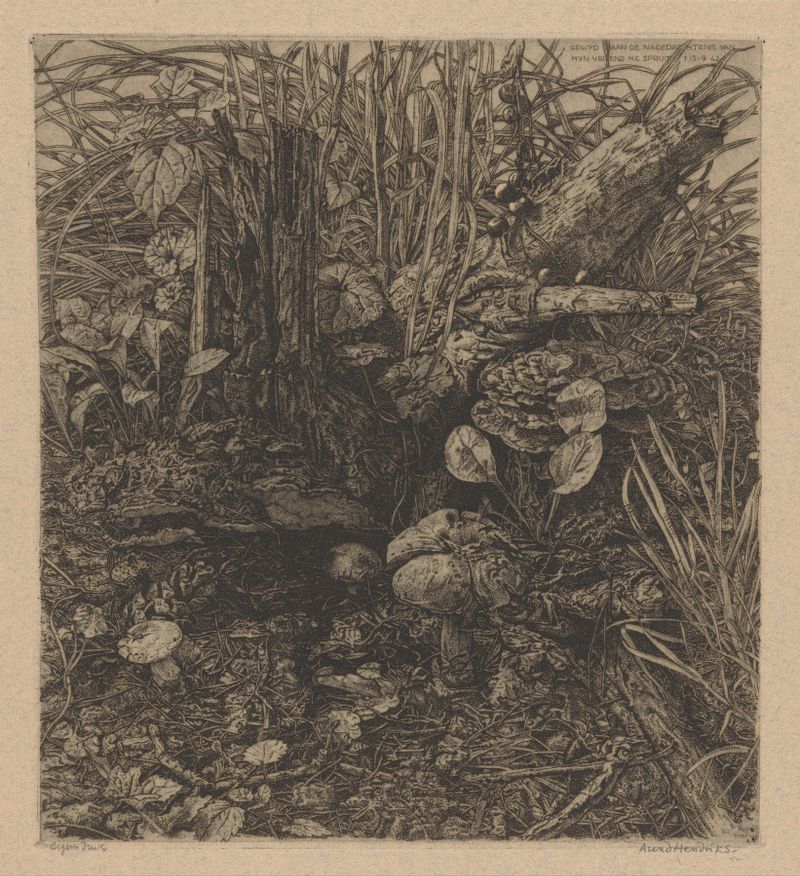
Paddenstoelen bij een boomstronk
Arend Hendriks

Gezicht op Huis ten Bosch, RP-P-2014-83-65
Arend Hendriks
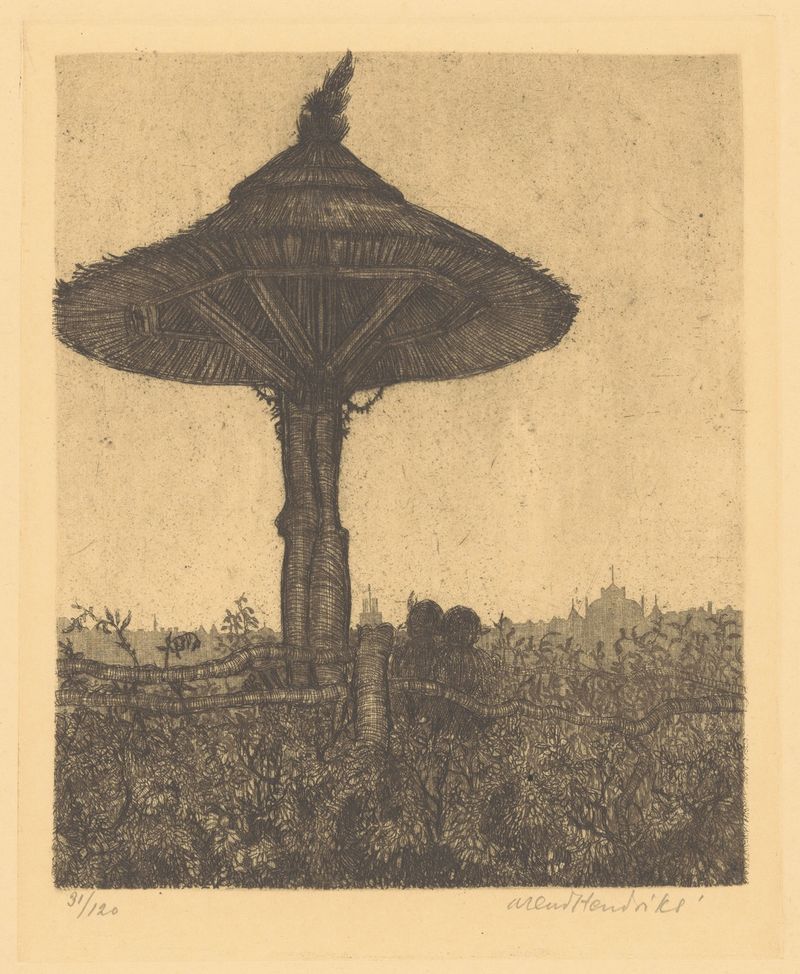
De paraplu
Arend Hendriks
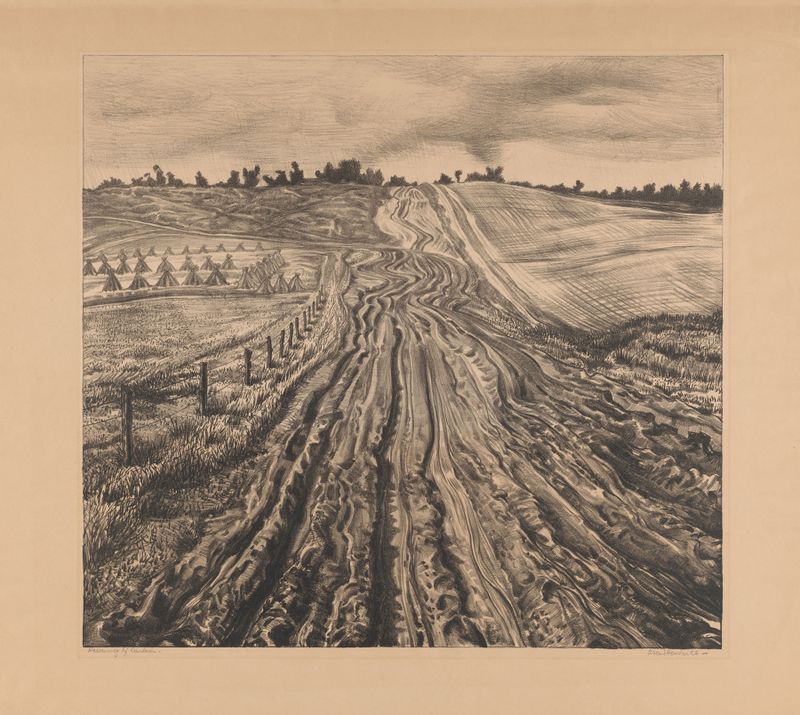
Hessenweg bij Lunteren
Arend Hendriks
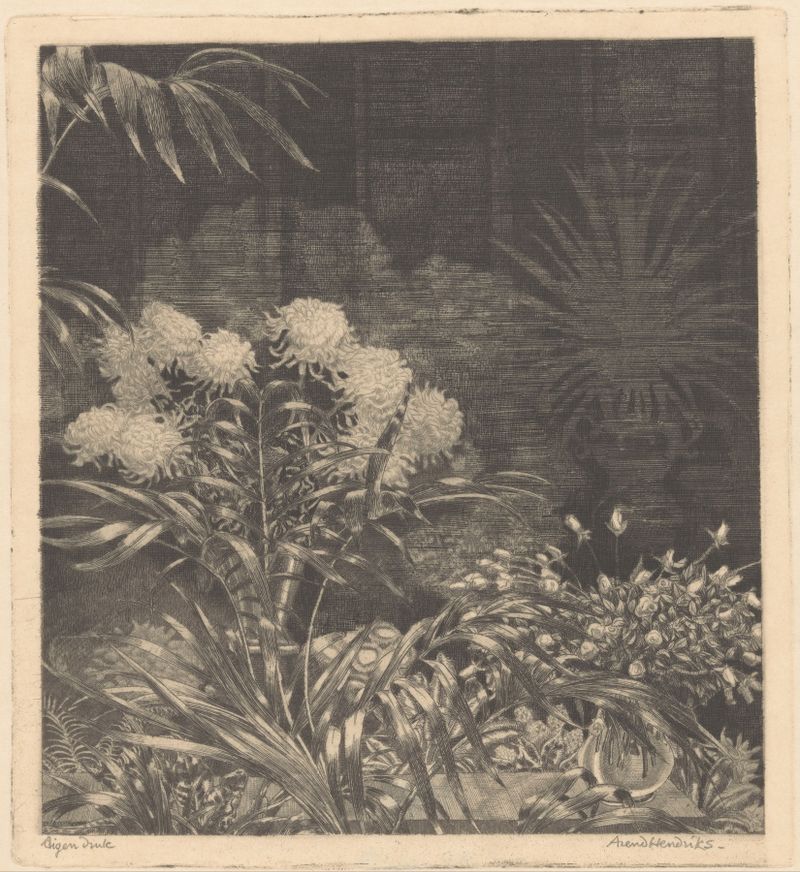
Interieur met bloemen in vazen en planten in potten
Arend Hendriks
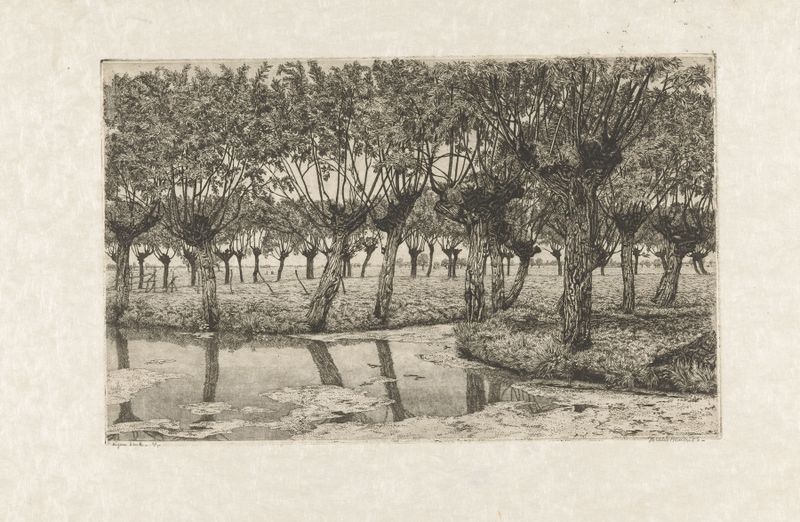
Polderlandschap met knotwilgen
Arend Hendriks
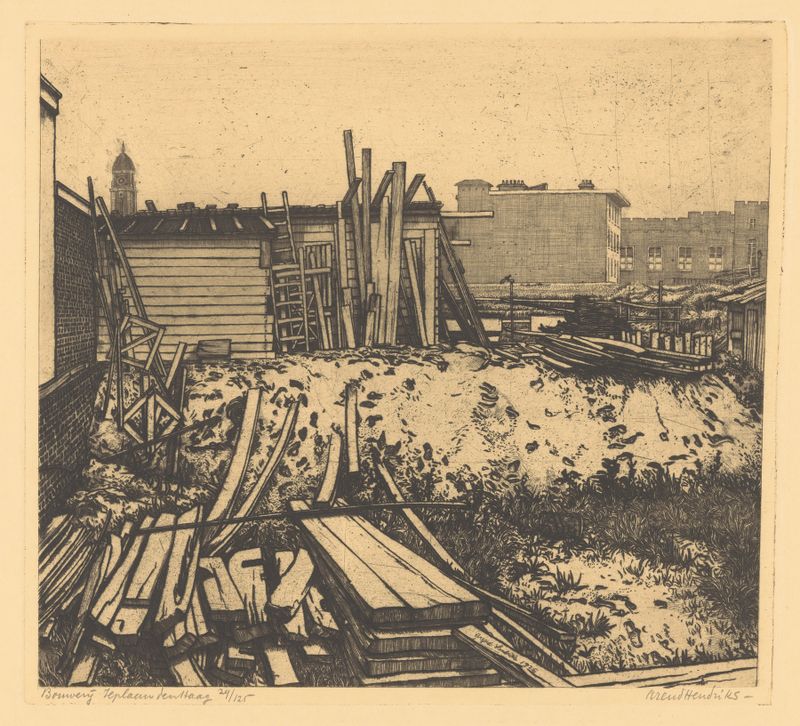
Bouwerij, Ieplaan, Den Haag
Arend Hendriks





