
Oude man en de Dood — History & Facts
What if beauty was never meant to be finished? In Hans Holbein's Oude man en de Dood, the tension between existence and oblivion is palpable, urging us to confront the void that awaits us all. Focus on the elderly man, his weary face a map of life’s trials. The contours of his skin are illuminated with soft yet stark light, accentuating the deep lines that tell stories of wisdom and regret. To the left, the skeletal figure of Death looms ominously, a haunting reminder of mortality.
Notice how the contrasting colors—warm flesh tones against the cold whites and grays of the figure of Death—heighten the emotional gravity of the confrontation. The painting teems with hidden meanings. The crumpled parchment and the hourglass symbolize the fleeting nature of time, while the lifeless corpse at Death's feet hints at the inevitable fate awaiting all. The old man's gaze, filled with resignation yet longing, creates a profound emotional tension, inviting the viewer to reflect on their own relationship with mortality and the passage of time.
Every detail, from the textures of fabric to the expressions captured, speaks of the fine line between life and the void. Holbein created this work in 1538 while living in Basel, Switzerland. At this time, he was establishing himself as a master painter, balancing the demands of a successful career with personal and political tumult in Europe. The painting reflects the Renaissance fixation on humanism, deftly merging the beauty of life with the harsh truths of death, ultimately capturing the era's complex relationship with mortality.
More Artworks by Hans Holbein (II)
Browse all →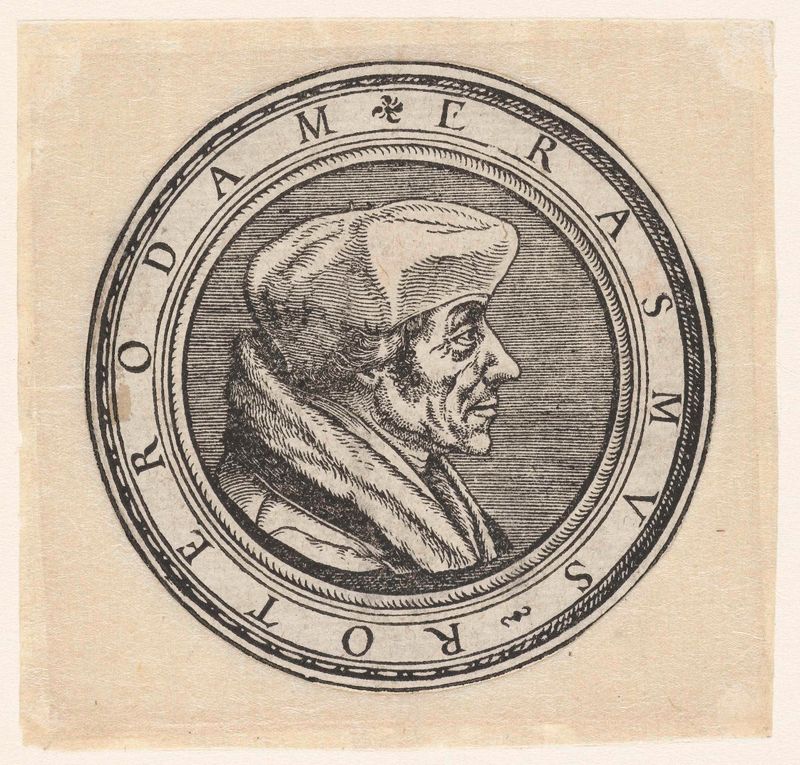
Portret van Erasmus
Hans Holbein (II)
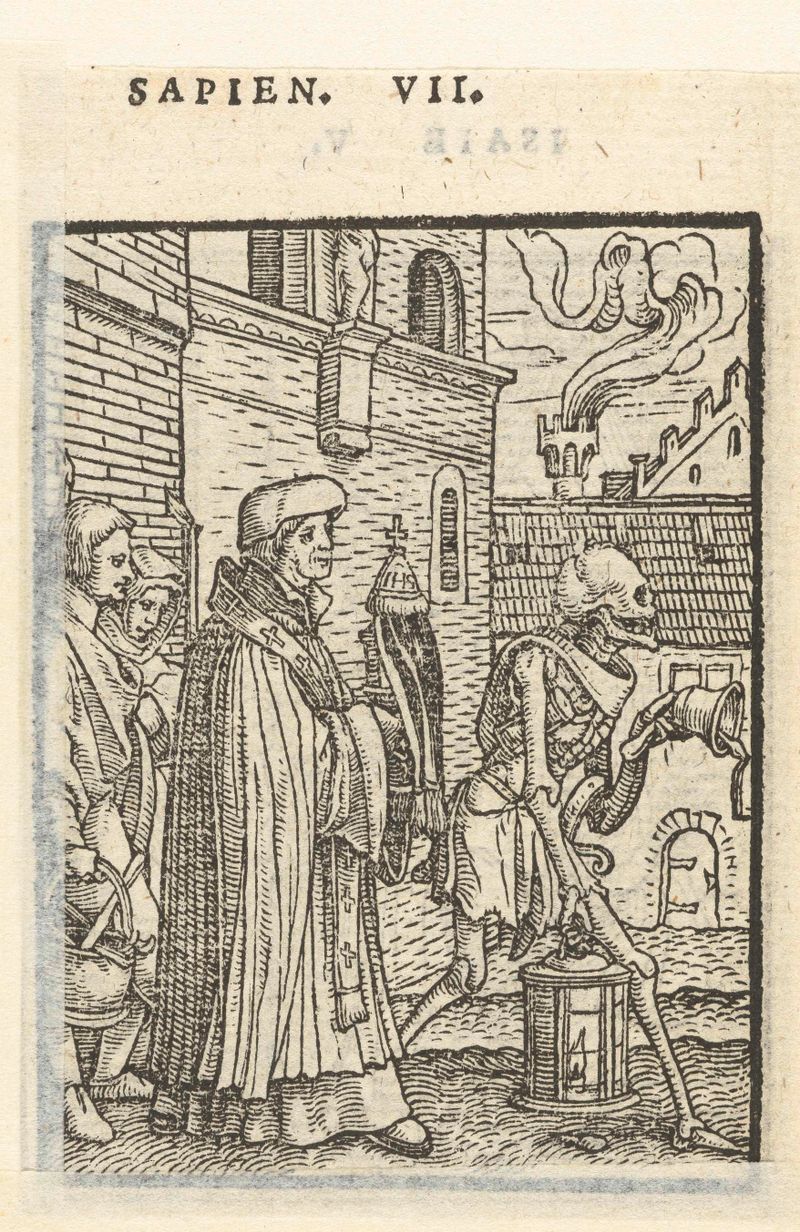
Priester en de Dood
Hans Holbein (II)
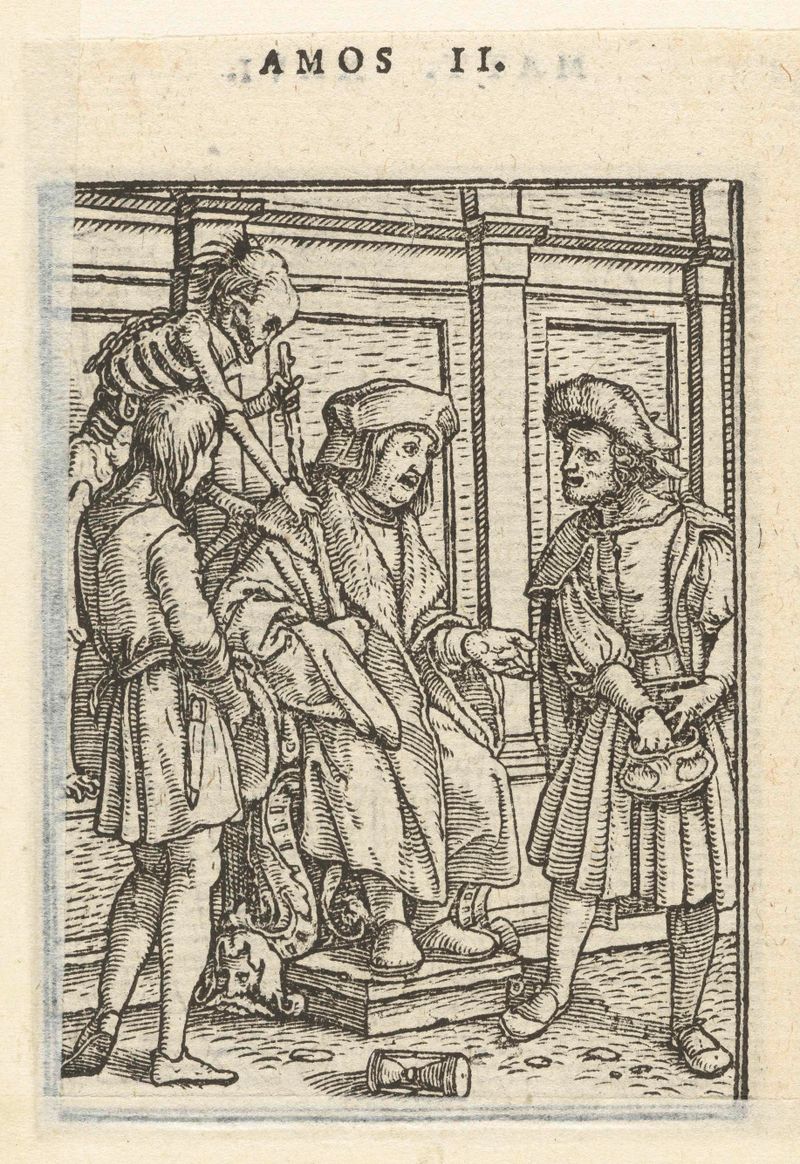
Rechter en de Dood
Hans Holbein (II)
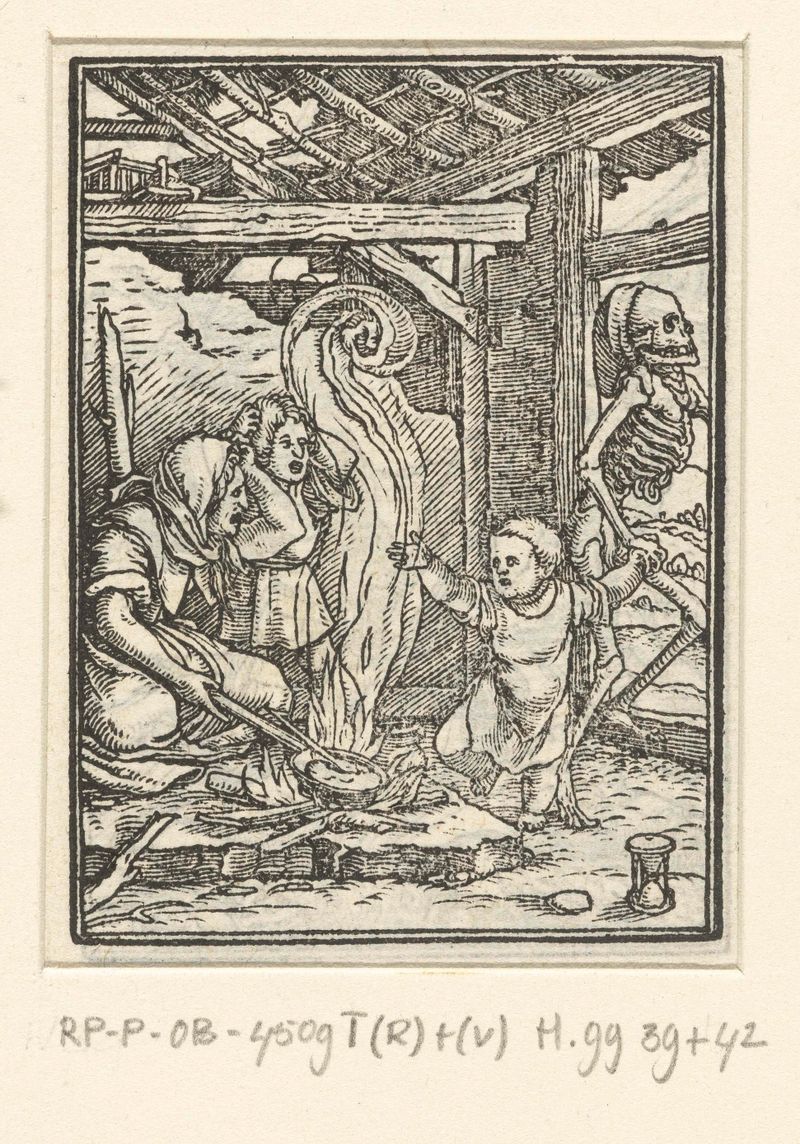
Kind en de Dood
Hans Holbein (II)
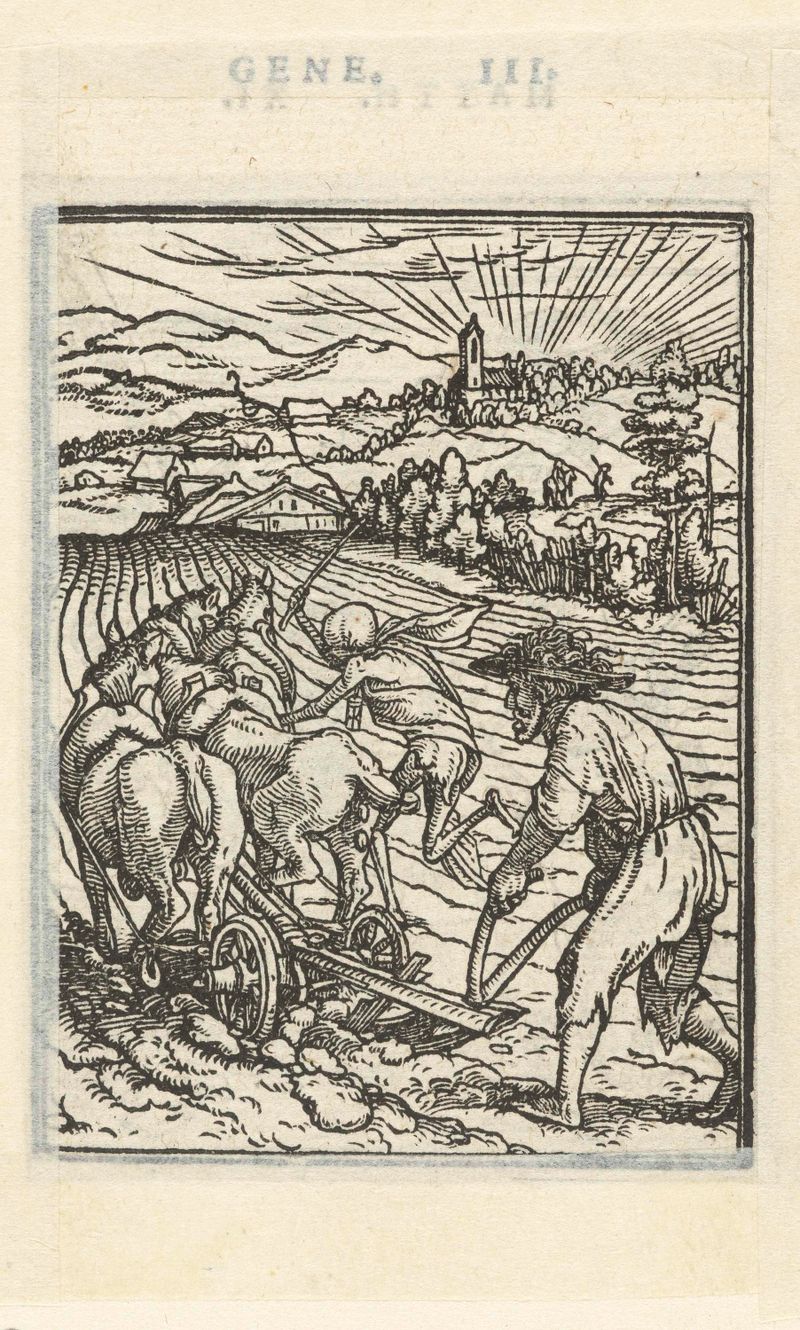
Boer en de Dood
Hans Holbein (II)
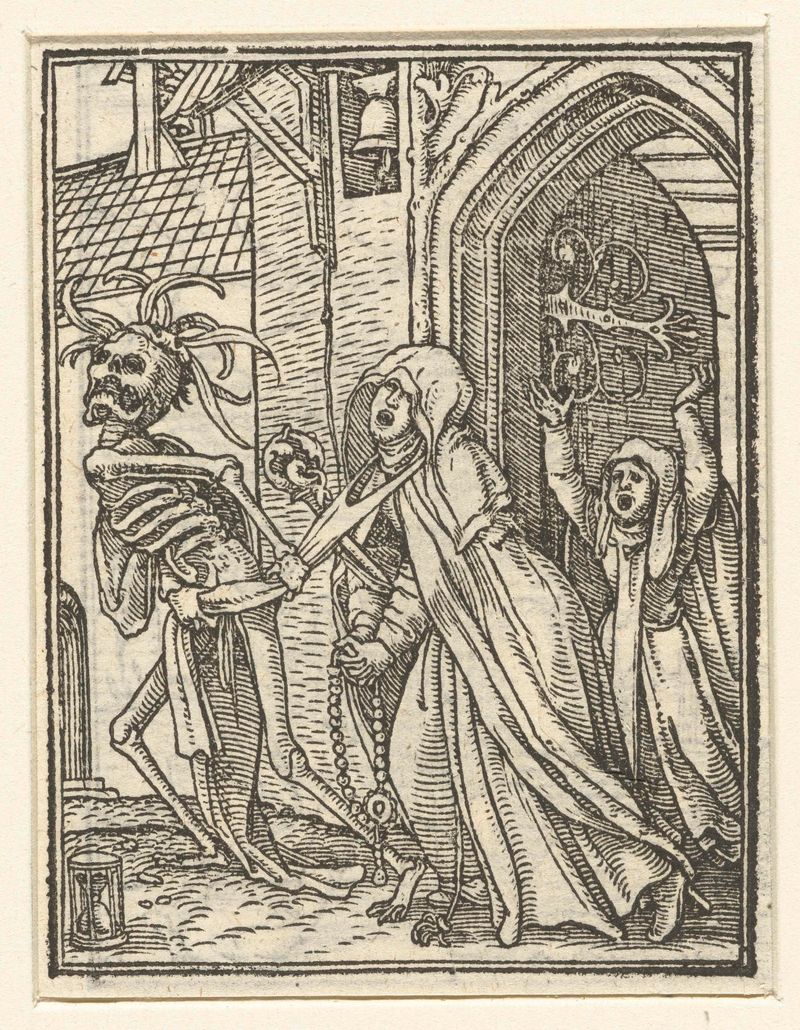
Abdis en de Dood
Hans Holbein (II)
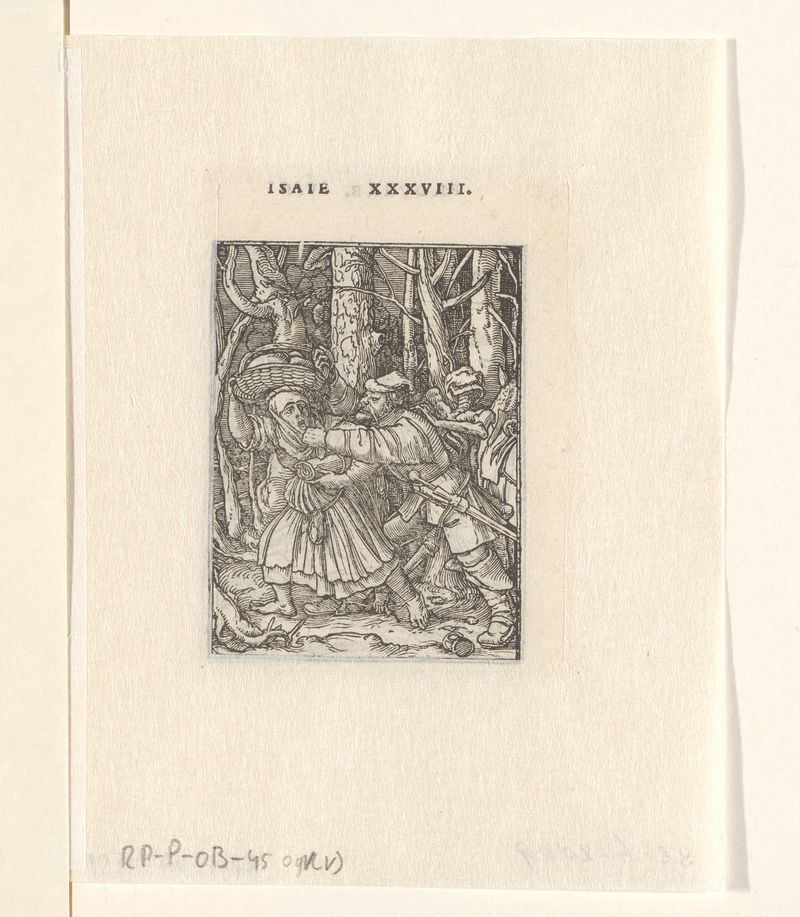
Dief en de Dood
Hans Holbein (II)
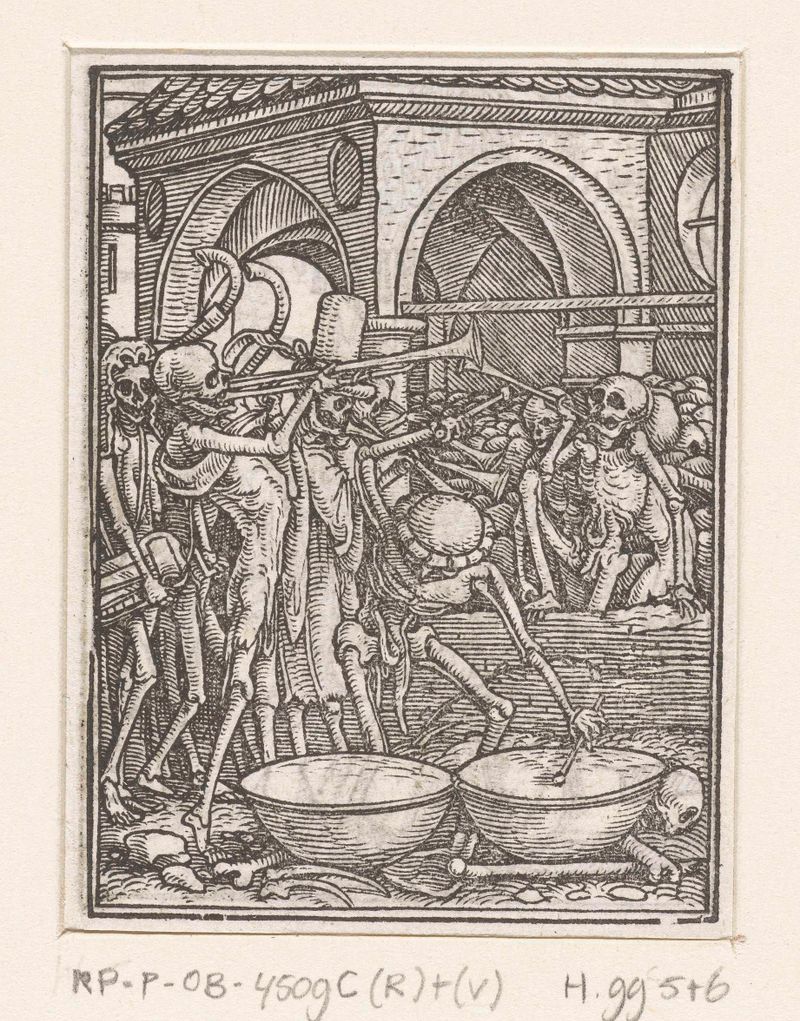
Skeletons Making Music from Dance of the Dead
Hans Holbein (II)
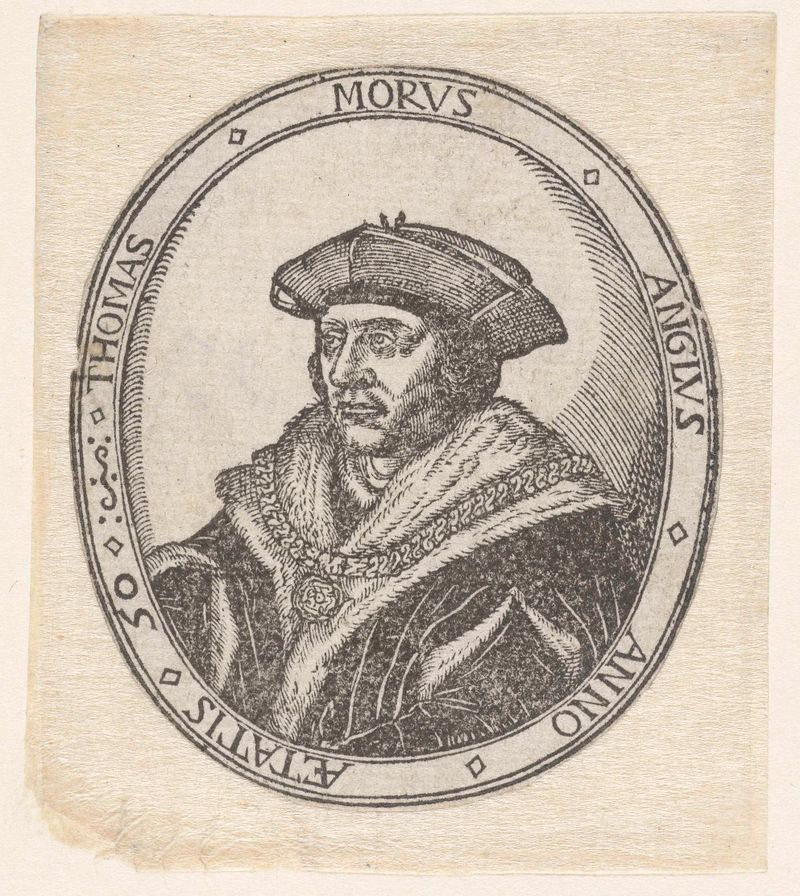
Portret van Thomas More
Hans Holbein (II)
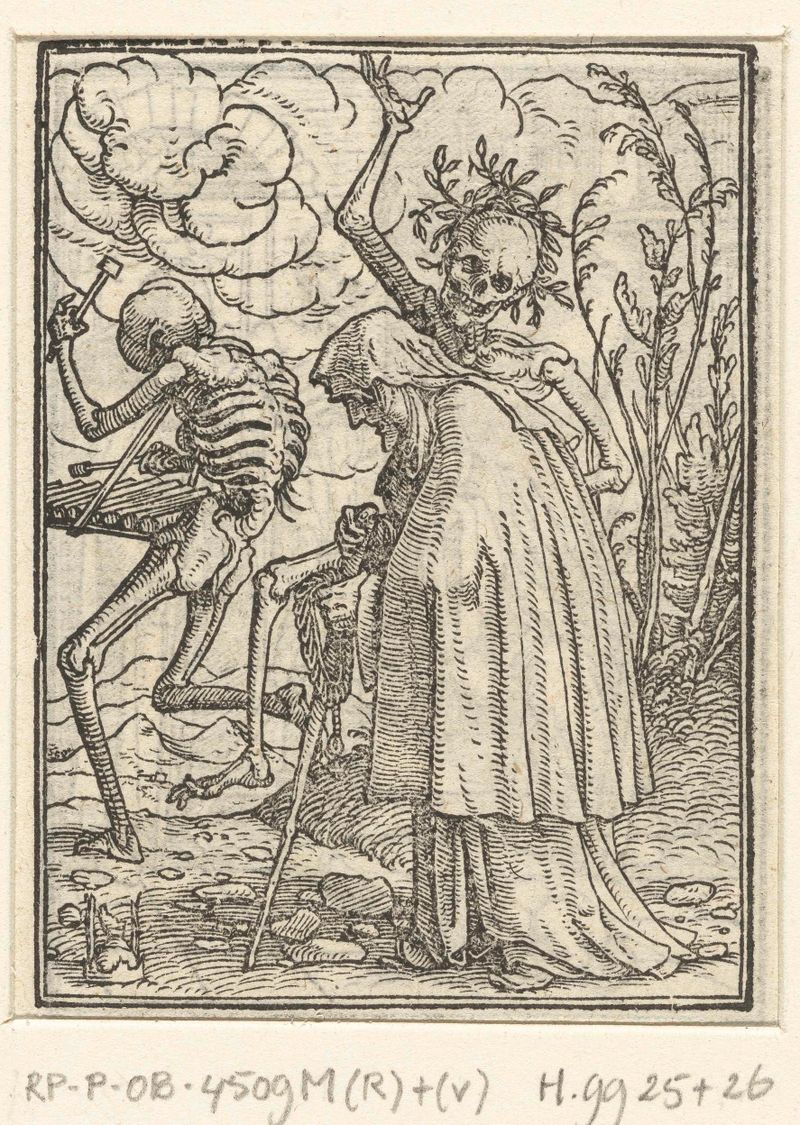
Oude vrouw en de Dood
Hans Holbein (II)
More Portrait Art
Browse all →
Las meninas
Diego Velázquez

Self-portrait with a Bandaged Ear and Pipe
Unidentified artist

Girl with a Pearl Earring
Johannes Vermeer

The Sampling Officials of the Amsterdam Drapers’ Guild, Known as ‘The Syndics’
Rembrandt van Rijn

The Hundred Guilder Print: the man seen on the back in the lower left corner
Rembrandt van Rijn

Portrait of Dr Gachet
Vincent van Gogh