
Ouistreham church in Normandy — History & Facts
Within the delicate strokes of a canvas, desire intertwines with the fleeting nature of memory, capturing the essence of a moment long gone. Focus first on the soft, muted hues that blanket the church in a gentle embrace, inviting the eye to linger on its weathered facade. Notice how the light dances across the stone, highlighting intricate details that speak of both age and endurance. The cool blues and warm earth tones work harmoniously, creating a sense of nostalgia that draws you in, as if whispering secrets of the past. There is a profound tension between the stillness of the church and the vibrancy of life that surrounds it.
The artist’s choice of perspective suggests a longing, a silent yearning for connection, as if the very walls hold stories of those who have come to pray and ponder. The interplay of shadow and light further emphasizes this desire, evoking a sense of peace that stands in stark contrast to the relentless passage of time. Stanislas Lépine created this work during a period of artistic exploration in the 19th century, where Impressionism began to influence the perception of light and landscape. Working in the tranquil surroundings of Normandy, Lépine sought to capture the essence of everyday scenes with a profound emotional depth, reflecting both personal desire and a collective memory of place.
More Artworks by Stanislas Lépine
Browse all →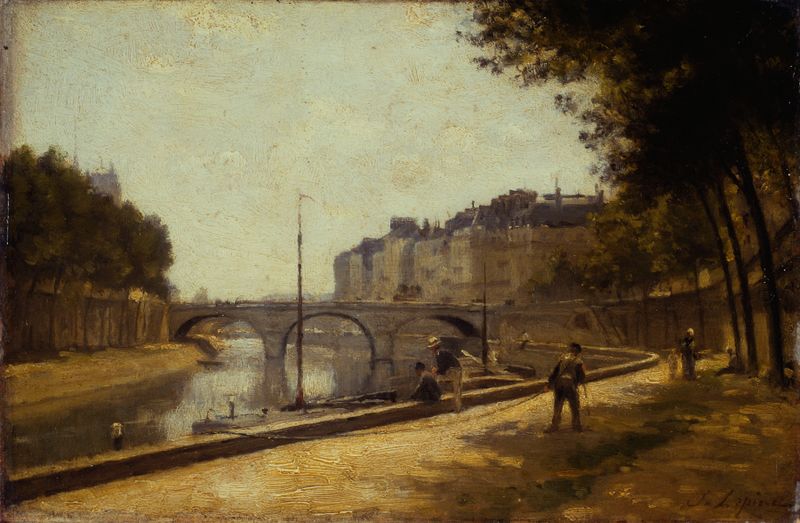
Le pont Saint-Michel
Stanislas Lépine
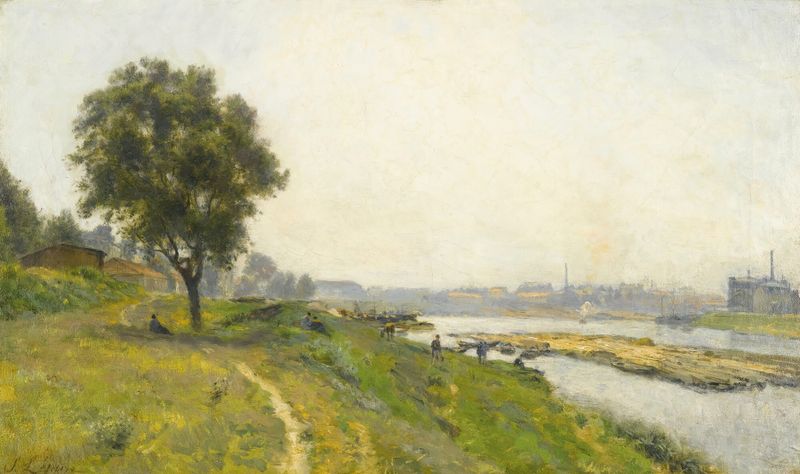
Ivry-Sur-Seine. Le Confluent Avec La Marne
Stanislas Lépine

View on the Seine, Paris
Stanislas Lépine
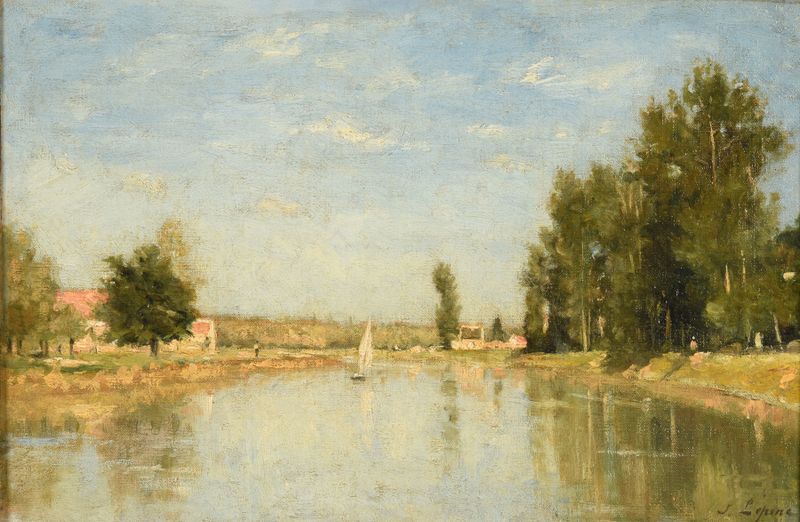
Les Bords de la Marne
Stanislas Lépine

L’île de la Cité et l’île Saint-Louis, vues du pont d’Austerlitz
Stanislas Lépine
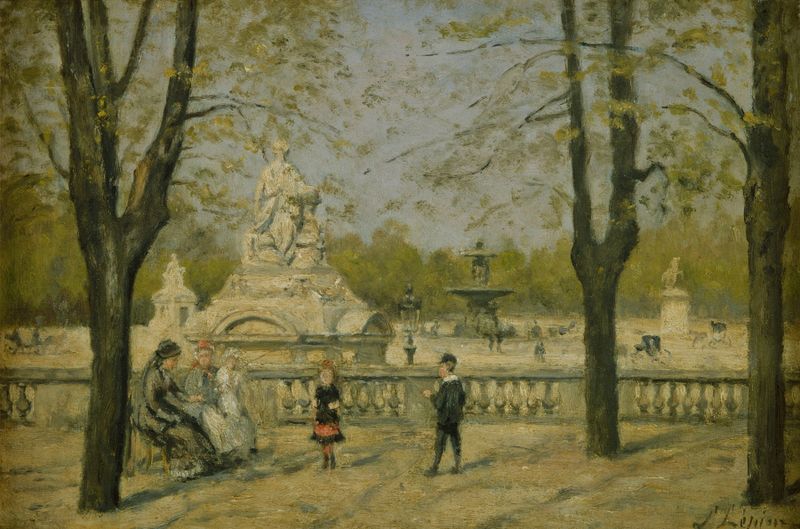
La place de la Concorde, vue de la terrasse des Tuileries
Stanislas Lépine
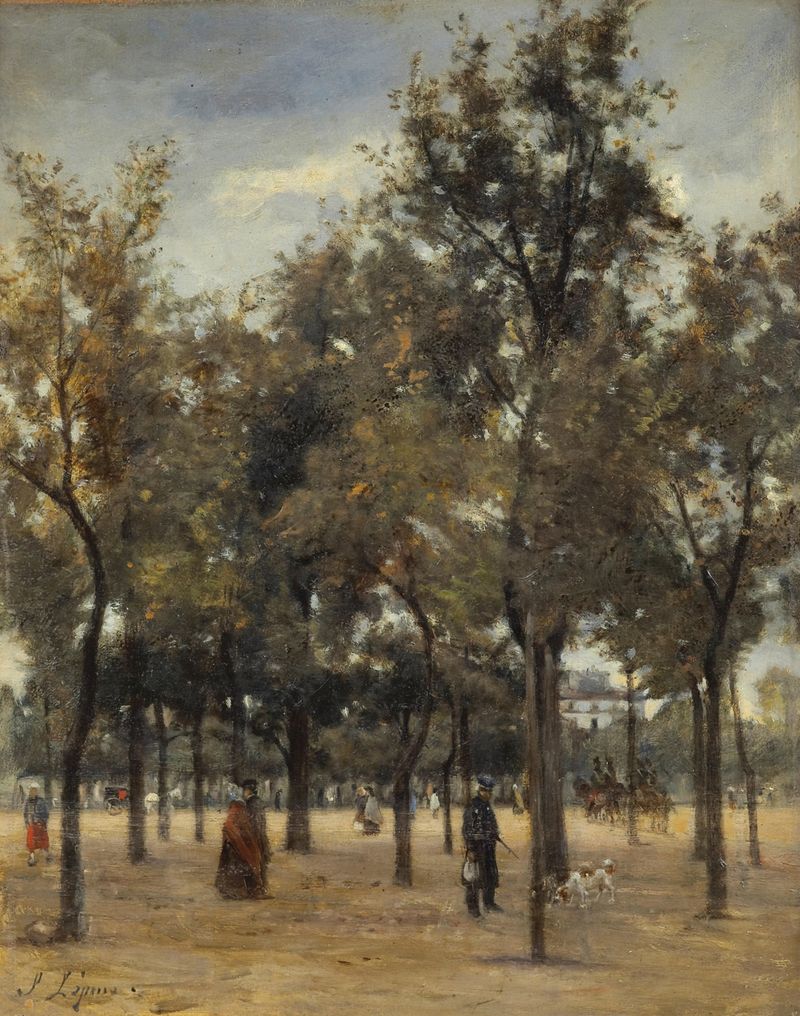
L’esplanade des Invalides
Stanislas Lépine
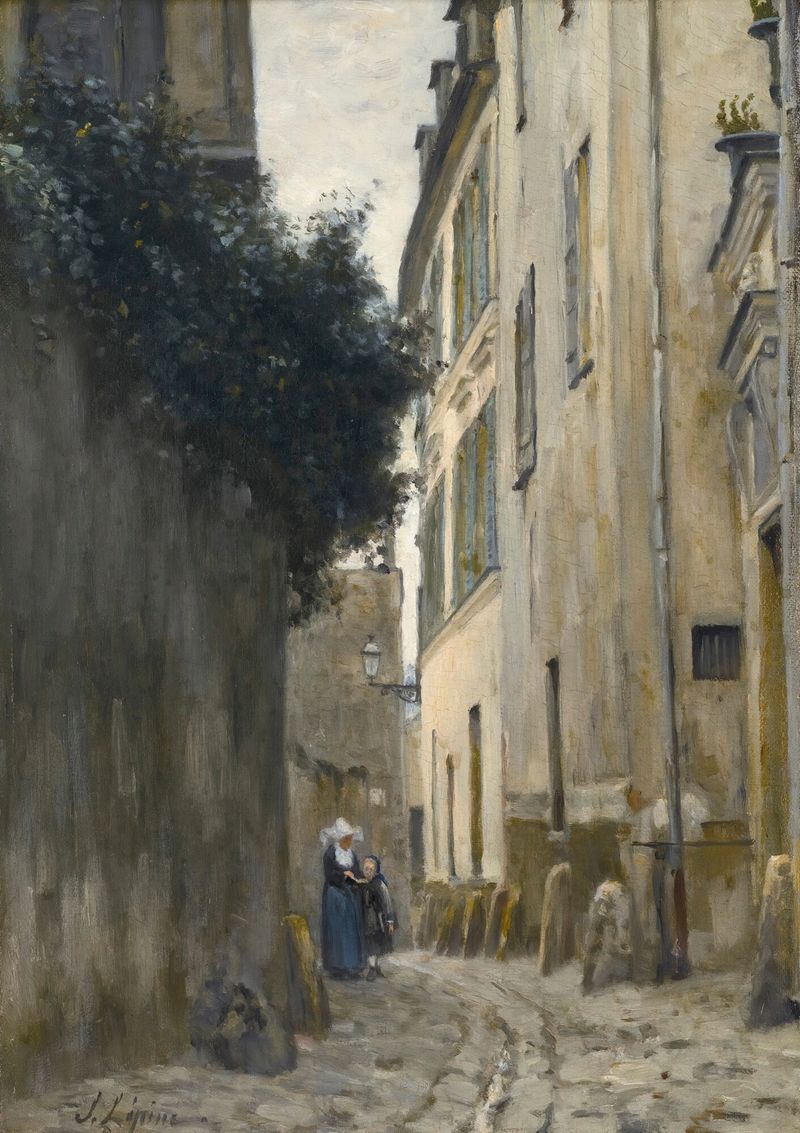
Montmartre. La Rue Saint-Vincent
Stanislas Lépine

Le Bassin de la Villette en hiver
Stanislas Lépine
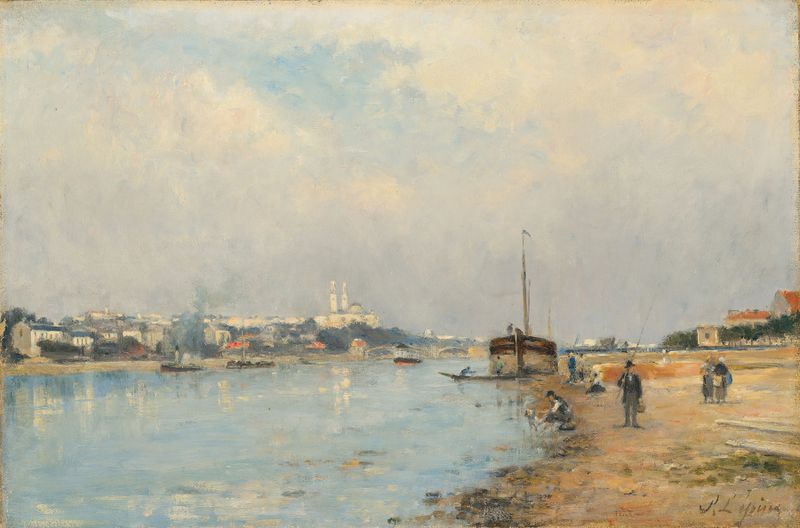
La Seine. Le Trocadéro et le pont de Grenelle, vus du quai de Javel
Stanislas Lépine





