
Outside The Cabin — History & Facts
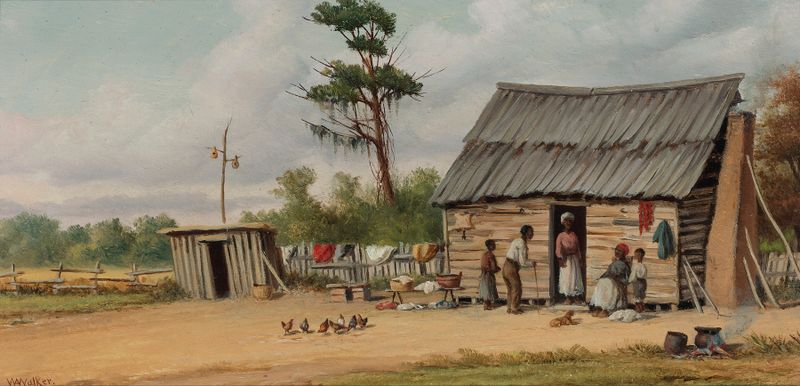
What secret hides in the quiet of the canvas? The stillness of the scene beckons, inviting a closer look at the unease that lingers just beneath the surface. Focus your gaze on the cabin nestled among the trees, its weathered wooden walls blending seamlessly with the earthy hues of the surrounding landscape. The soft glow of afternoon light spills across the foreground, illuminating the tall grasses swaying gently in a breeze that seems to whisper forgotten tales. Notice how the shadows stretch and contract, creating an atmosphere that is both inviting and eerily unsettling. The contrast between the serene exterior and the overwhelming isolation exudes a palpable tension, as if the cabin itself holds memories steeped in fear.
The absence of human figures heightens the sense of abandonment, making the viewer acutely aware of their solitude within the vast wilderness. Each brushstroke evokes a feeling of nostalgia, intertwining beauty with the unknown, suggesting that danger may lurk in the silence. Created during the late 19th century, Walker painted this piece against a backdrop of a rapidly changing America, where industrialization began encroaching upon the natural world. His work often explored themes of rural life, capturing both the charm and vulnerability of pastoral settings.
At this point in his career, Walker was deeply influenced by the realism movement, seeking to document the fleeting moments of beauty before the passage of time altered them forever.
More Artworks by William Aiken Walker
Browse all →
A South Carolina Cabin
William Aiken Walker

Louisiana Cabin Scene
William Aiken Walker
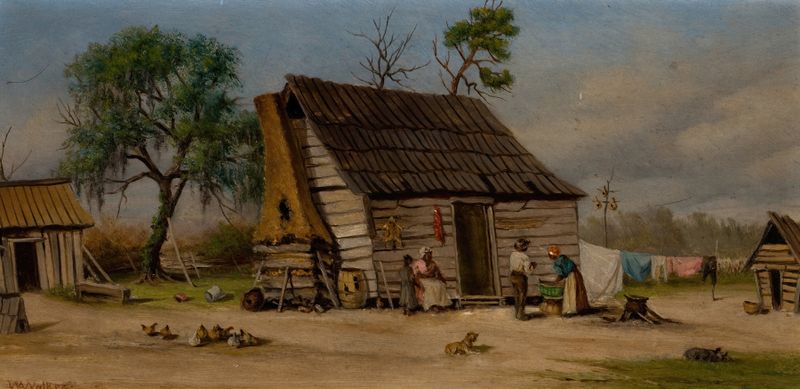
Cabin Scene
William Aiken Walker

Cabin Scene
William Aiken Walker

Cabin Scene, Wash Day
William Aiken Walker

Sharecroppers Gathering in the Yard
William Aiken Walker
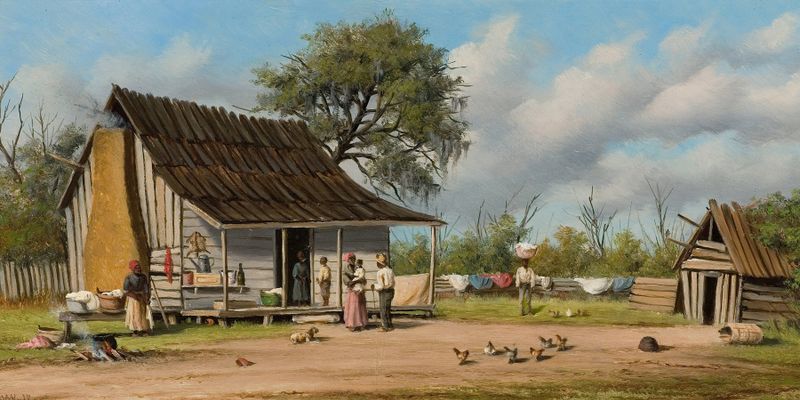
Cabin Scene
William Aiken Walker
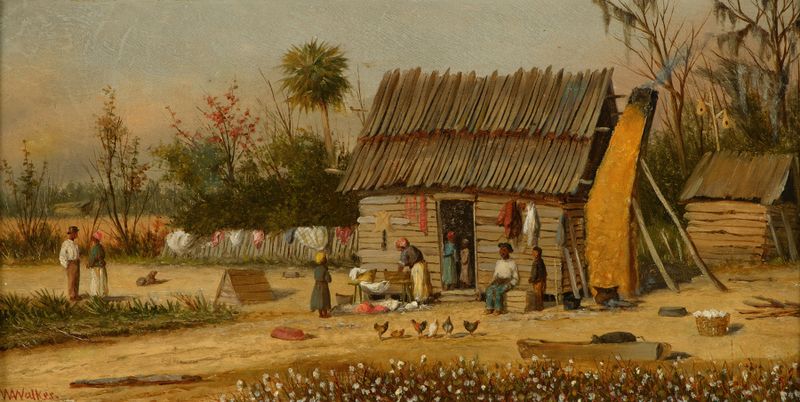
Wash Day
William Aiken Walker
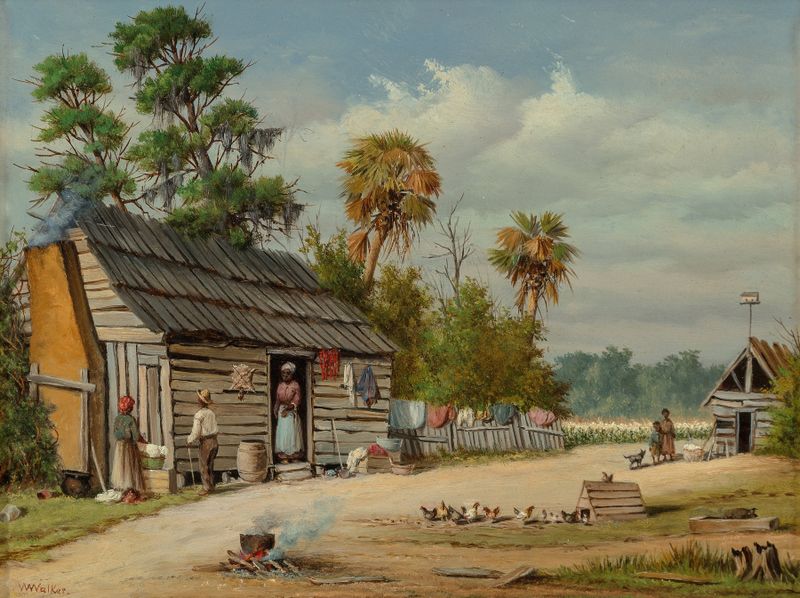
Cabin
William Aiken Walker
The Old Cabin
William Aiken Walker





