
Overgrown Rocks — History & Facts
Can paint confess what words never could? In Overgrown Rocks, the lush greenery envelops jagged stones, creating a poignant dialogue between nature and the remnants of a once-mighty landscape. The interplay of vibrant life and forgotten ruins evokes a sense of fleeting existence, whispering secrets of mortality through its colors and textures. Look to the left, where the lush greens cascade over the gray and brown rocks, inviting your gaze to travel along their contours. Notice how the delicate brushwork captures the intricate details of leaves, each stroke lending life to the otherwise inert stones.
The composition is balanced yet dynamic, with light filtering through the foliage, casting dappled shadows that enhance the depth and texture of the scene. This careful manipulation of light and color draws the viewer into a moment suspended in time, urging contemplation. Yet beneath the surface lies a profound tension. The juxtaposition of thriving vegetation against the rugged rocks hints at nature's relentless cycle of growth and decay.
Each overlapping layer speaks to the inevitability of change, where vitality eventually yields to erosion and silence. The mossy greens enveloping the stone hint at life's persistence, while the rough, unyielding surface represents mortality's grip, reminding us that beauty is often intertwined with decay. Josephus Augustus Knip painted Overgrown Rocks between 1809 and 1812, during a period of shifting artistic movements as Romanticism began to rise. Living in the Netherlands, he was immersed in a landscape that celebrated both the sublime and the pastoral.
This painting reflects his fascination with nature's power and its ephemerality, capturing a moment that resonates deeply with the human experience, where life and death dance in an eternal embrace.
More Artworks by Josephus Augustus Knip
Browse all →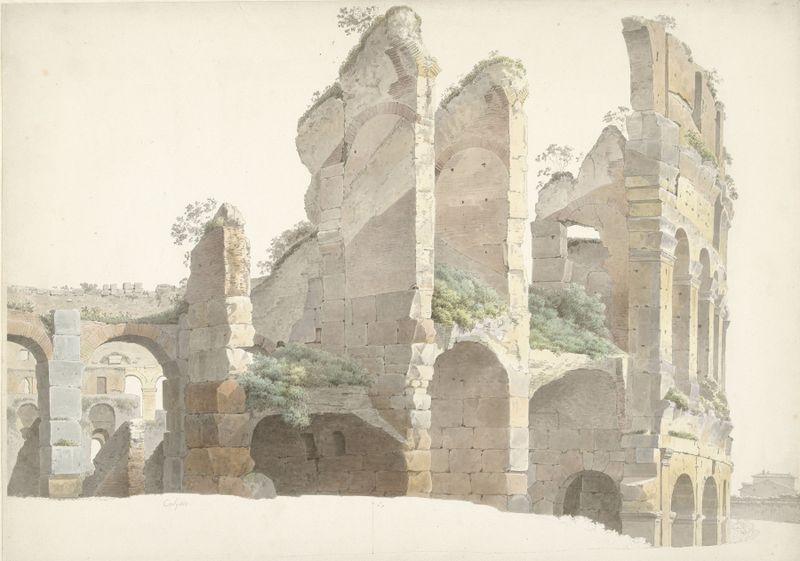
Het Colosseum te Rome
Josephus Augustus Knip
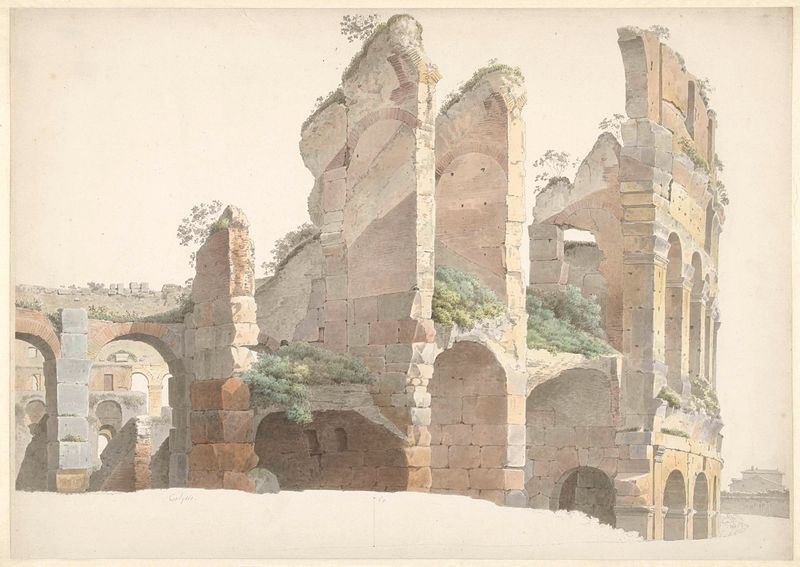
Het Colosseum te Rome
Josephus Augustus Knip
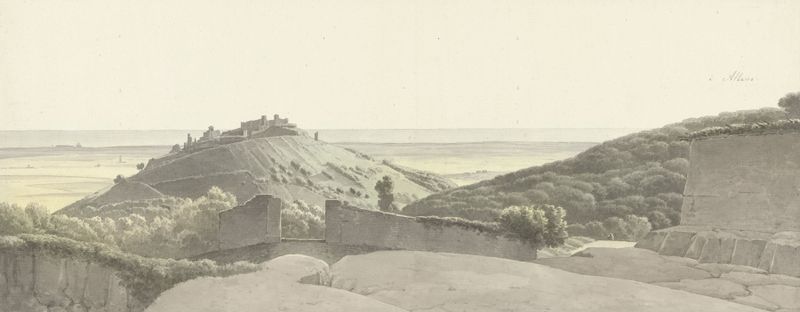
Landscape around Albano Laziale
Josephus Augustus Knip

View of Ariccia from Genzano
Josephus Augustus Knip
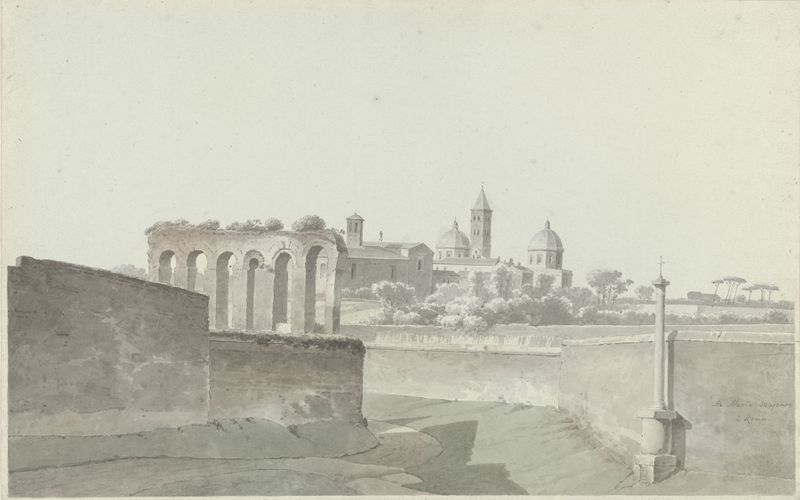
The Basilica of Santa Maria Maggiore in Rome
Josephus Augustus Knip
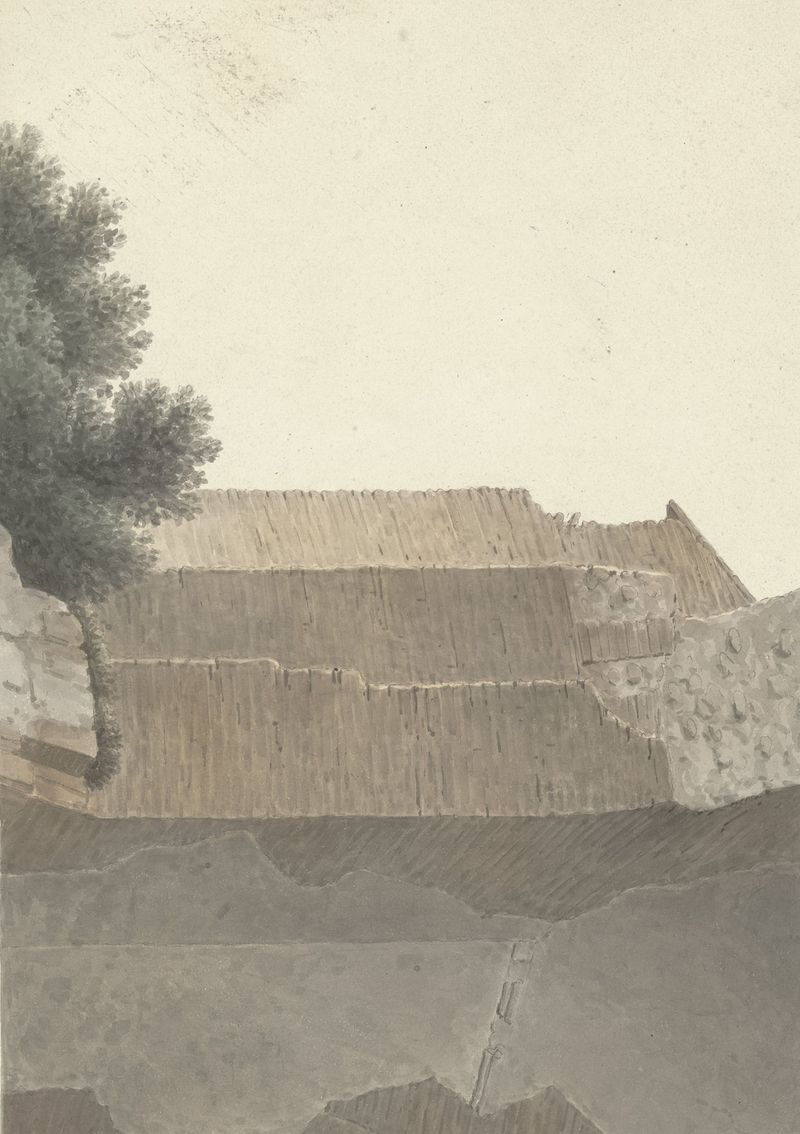
Part of the Vault of the Temple of Minerva Medica in Rome
Josephus Augustus Knip
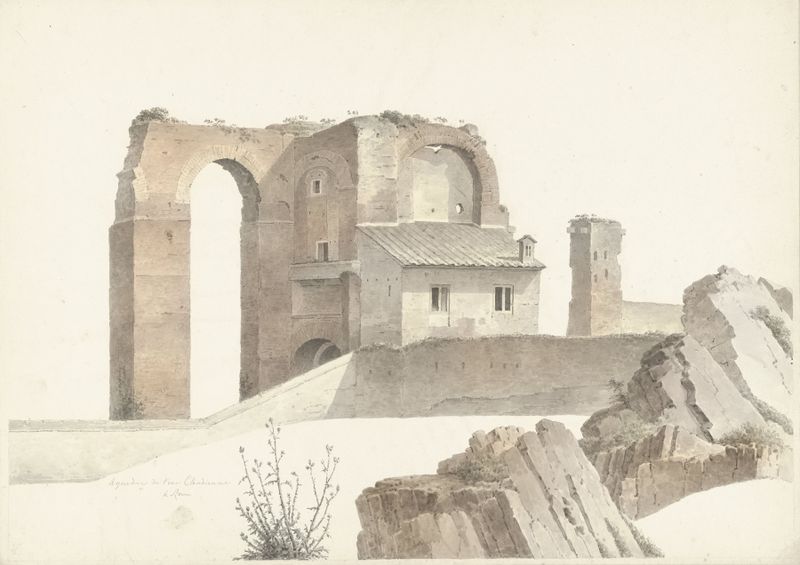
The Aqua Claudia in Rome
Josephus Augustus Knip
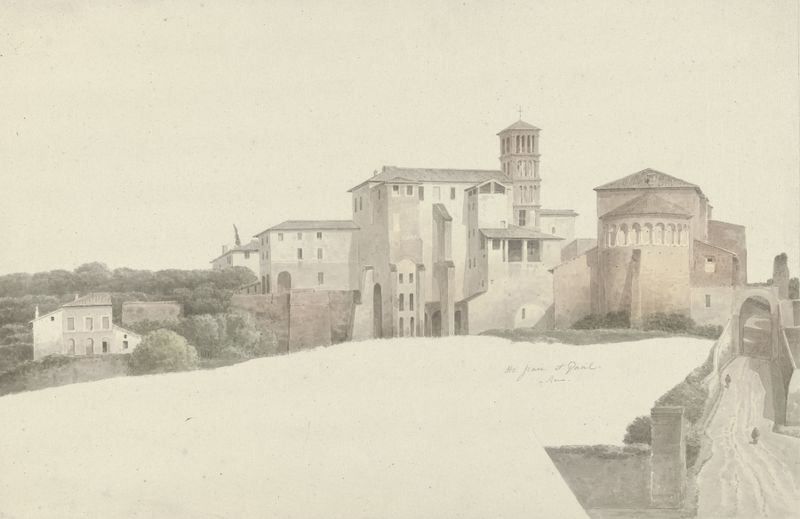
Basilica and Monastery of Santi Giovanni e Paolo in Rome
Josephus Augustus Knip
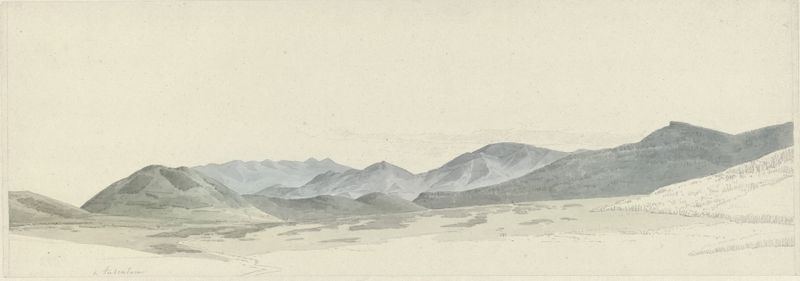
Mountain Landscape at Tusculum
Josephus Augustus Knip
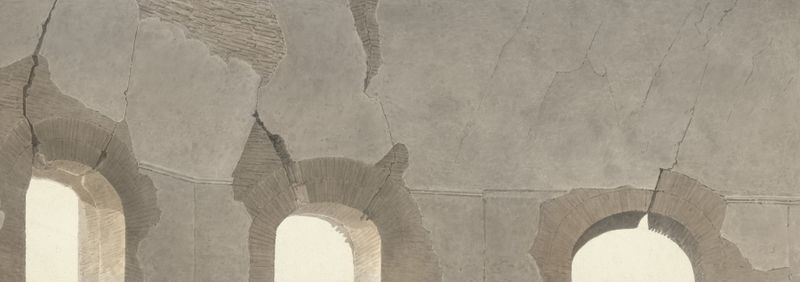
Part of the Vault of the Temple of Minerva Medica in Rome
Josephus Augustus Knip





