
Padua; The River Bacchiglione and the Porta Portello — History & Facts
Could a single brushstroke hold eternity? In the delicate interplay of light and shadow, Canaletto captures not just a moment, but whispers of time etched into the fabric of a fading world. The decay of grandeur is silently woven into the tapestry of his vision, inviting us to ponder what is left behind. Look to the right at the graceful arch of the Porta Portello, its stone façade softened by time and enveloped in warm, golden hues. The gentle flow of the River Bacchiglione glimmers beneath a muted sky, drawing our gaze toward the tranquil water that reflects both the architecture and the melancholic beauty of the scene.
Notice how the light dances on the surface, creating a sense of movement, while the meticulously placed figures, seemingly lost in their own thoughts, evoke the stillness of a moment caught between history and oblivion. Beneath the surface, this painting reveals deeper themes of transience and memory. The crumbling edges of the structures symbolize the slow march of time, a reminder of impermanence, while the vibrant colors of the landscape contrast with the quiet decay of human constructs. The serene water acts as a mirror for our own reflections on what remains when the hustle of life fades, inviting us to confront our mortality through the lens of a bygone era. In the 1750s, when this work was created, Canaletto was deeply rooted in the tradition of Venetian painting, having solidified his reputation for capturing the essence of his city.
During this time, he experienced a shift in artistic focus, as patrons sought intimate views of both Venice and its outskirts. The rise of tourism and a burgeoning interest in landscapes marked this period, allowing Canaletto to explore themes of nostalgia and the passage of time through serene scenes like this one.
More Artworks by Canaletto
Browse all →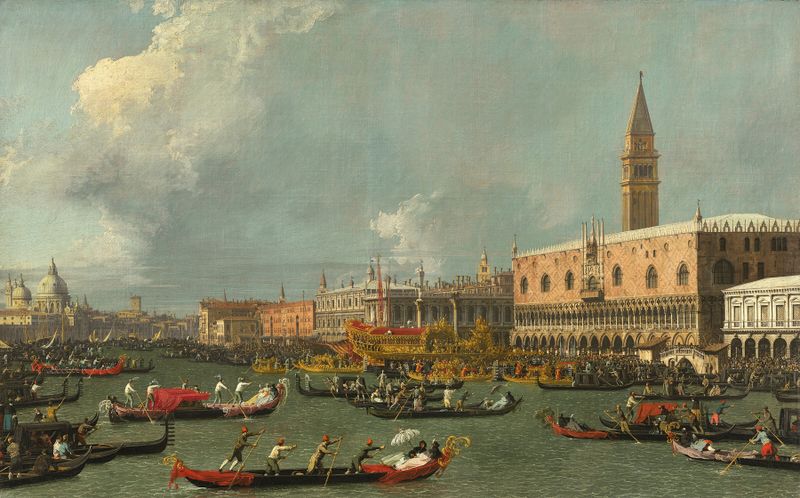
Venice, the Return of the Bucintoro on Ascension Day
Canaletto
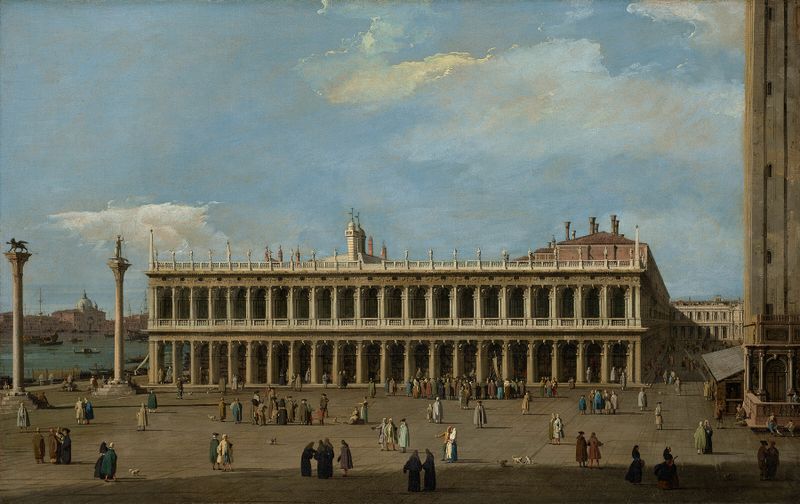
Venice, the Piazzetta, looking west, with the Libreria
Canaletto
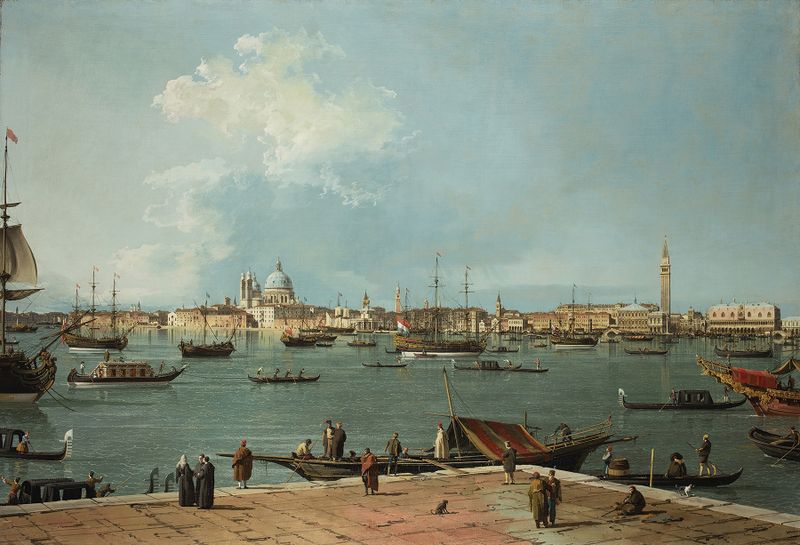
Venice, the Bacino di San Marco from San Giorgio Maggiore
Canaletto
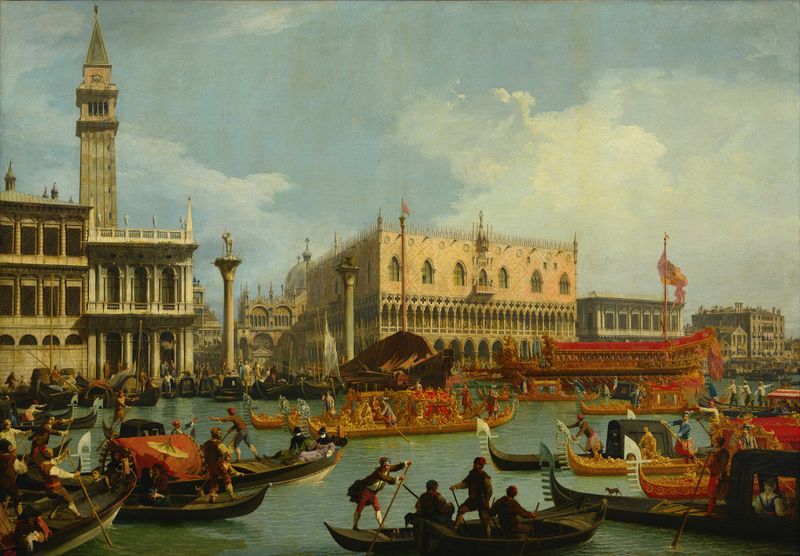
The Bucintore Returning to the Molo on Ascension Day
Canaletto
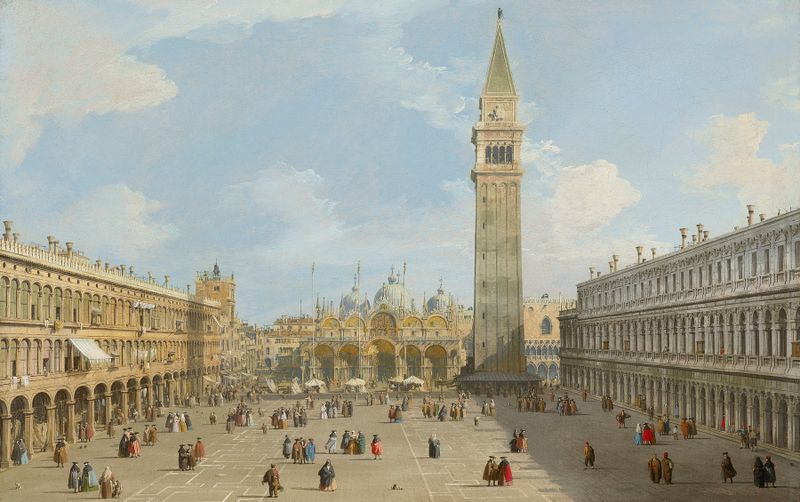
The Piazza San Marco, Venice, looking east towards the basilica
Canaletto
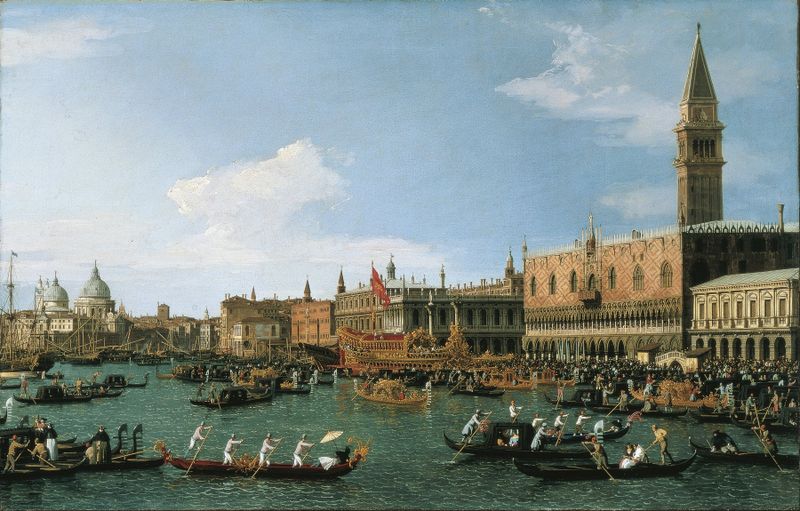
Return of ‘Il Bucintoro’ on Ascension Day
Canaletto
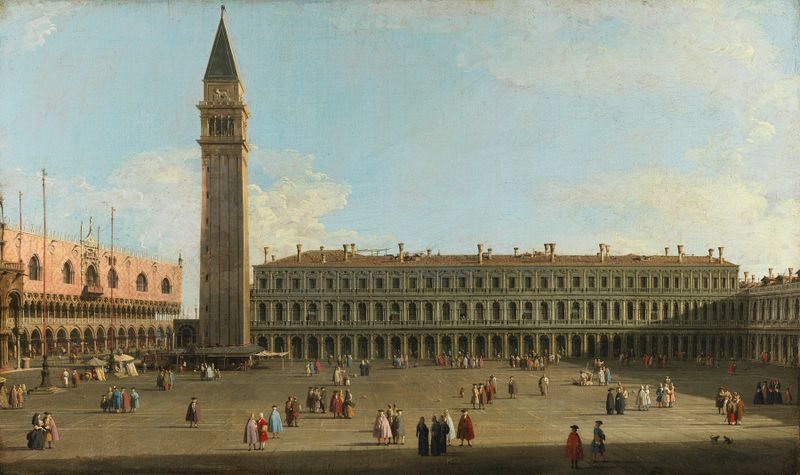
Saint Mark’s Square, Venice
Canaletto
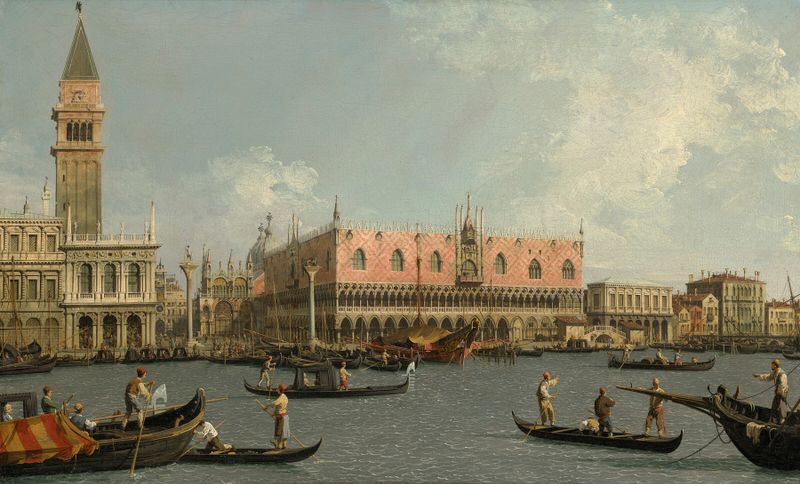
The Molo, with the Piazzetta and the Doge’s Palace, from the Bacino
Canaletto

The Entrance to the Grand Canal, Venice
Canaletto
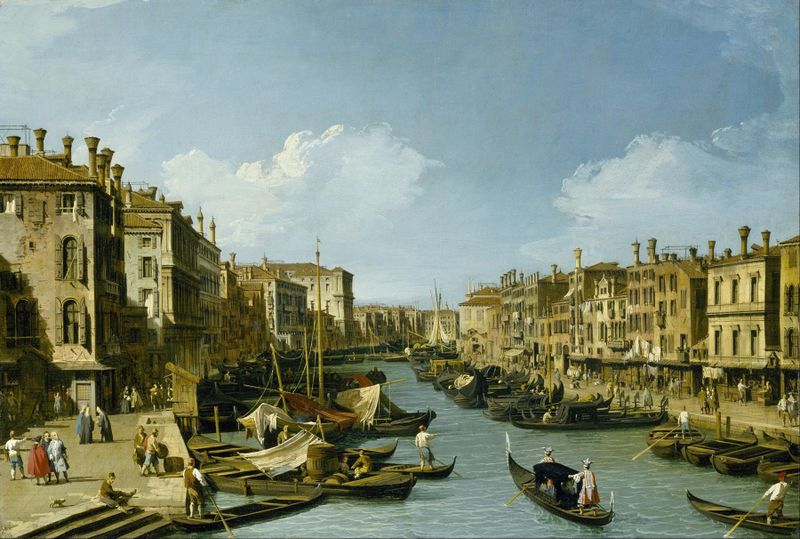
The Grand Canal near the Rialto Bridge, Venice
Canaletto
More Architecture Art
Browse all →
The statue of Liberty
Frédéric Auguste Bartholdi

View of Houses in Delft, Known as ‘The Little Street’
Johannes Vermeer

View of Houses in Delft, Known as ‘The Little Street’
Johannes Vermeer

The Cathedral in Rouen. The portal, Grey Weather
Claude Monet

The yellow house
Vincent van Gogh

The Church in Auvers-sur-Oise, View from the Chevet
Vincent van Gogh