
Paestum, Temple of Neptune — History & Facts
Every brushstroke is a heartbeat remembered. In Paestum, Temple of Neptune, the beauty of a bygone era is captured in vivid detail, inviting us to explore a world where history and nature intertwine. Focus on the majestic temple rising proudly against a deep azure sky. Look to the right, where the sunlight beautifully illuminates the ancient columns, each one exuding strength and resilience.
Notice how the artist employs a delicate palette of earth tones and soft greens to evoke the lush surroundings, creating a harmonious balance that grounds the structure in its natural habitat. The composition draws your eye upward, offering a sense of grandeur that both celebrates and critiques the passage of time. Digging deeper, the temple symbolizes not only architectural beauty but also the impermanence of human achievement. The juxtaposition of the crumbling stone against the vibrant landscape hints at the relentless march of nature reclaiming its territory.
Additionally, the distant mountains loom in the background, representing both the eternal landscape and the fleeting nature of civilization, leaving the viewer to ponder what remains when humanity fades. Frederic Edwin Church painted this work in 1868 during a period of intense exploration and appreciation for the classics within the American landscape movement. Living in a time when the romanticization of ancient ruins was gaining momentum, he sought to capture the sublime beauty of the Temple of Neptune, reflecting both his personal journey and the broader artistic currents that celebrated the intersection of nature, history, and human creativity.
More Artworks by Frederic Edwin Church
Browse all →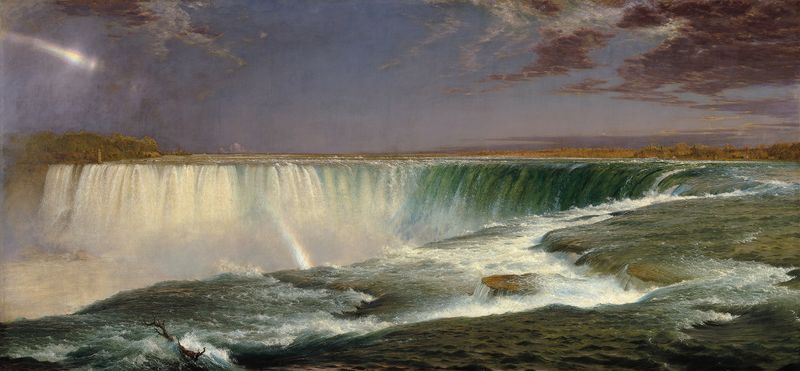
Niagara
Frederic Edwin Church
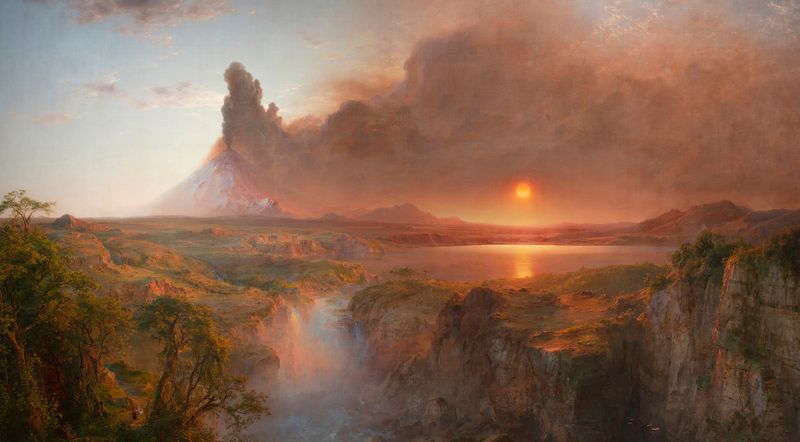
Cotopaxi
Frederic Edwin Church
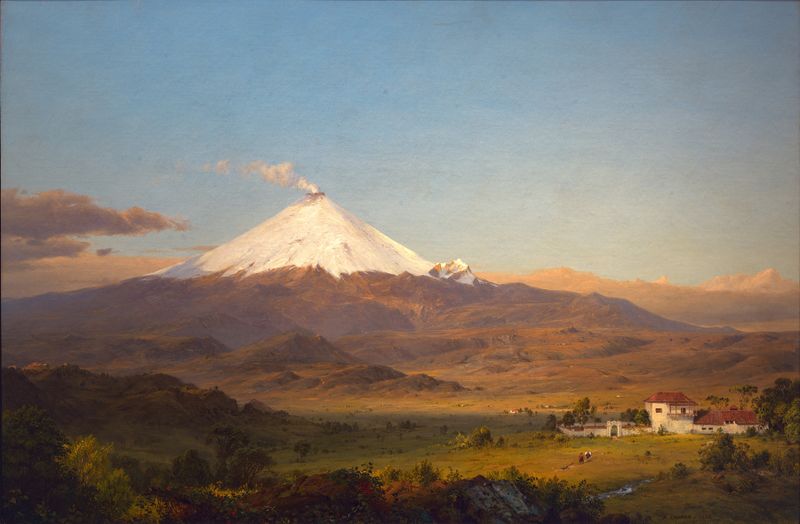
Cotopaxi
Frederic Edwin Church
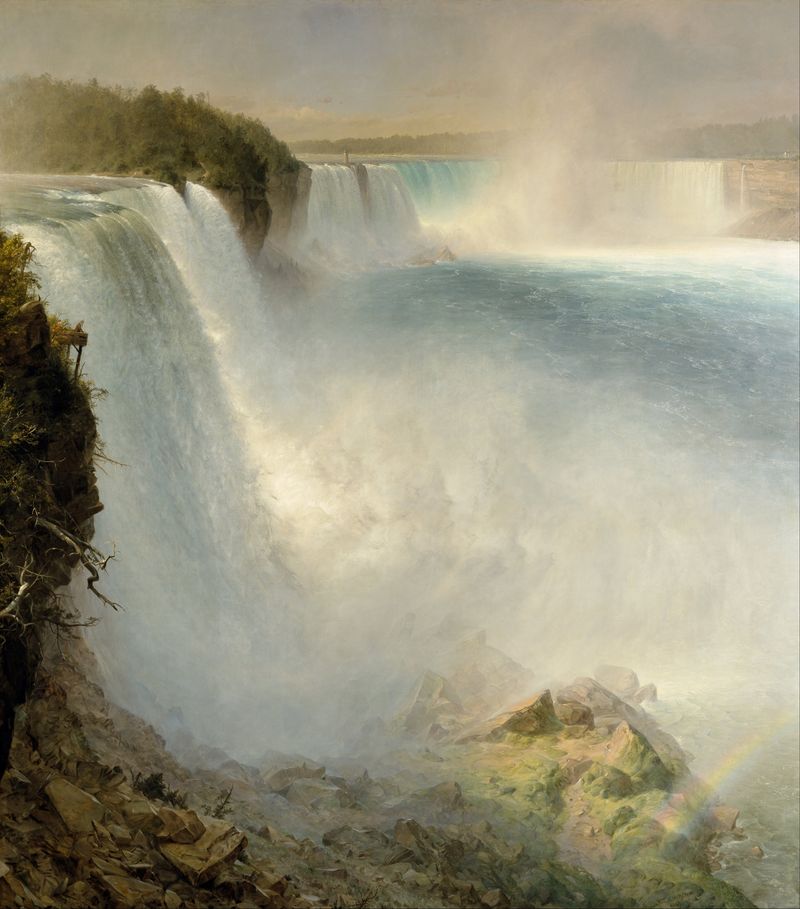
Niagara Falls, from the American Side
Frederic Edwin Church
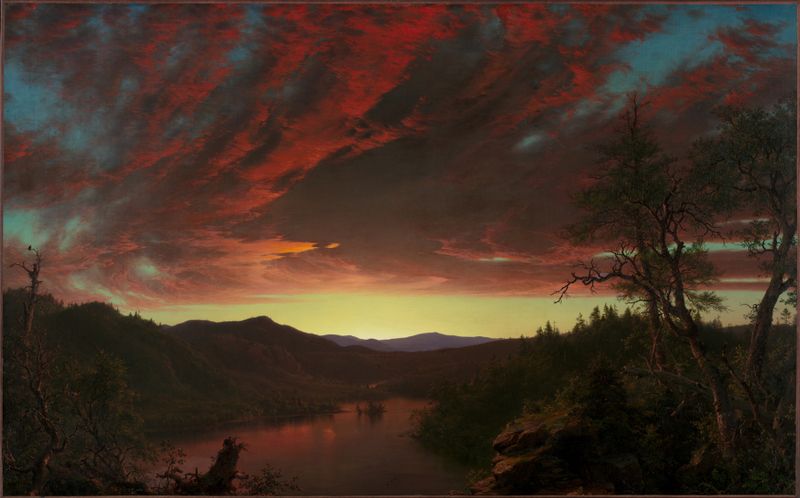
Twilight in the Wilderness
Frederic Edwin Church
Hudson Valley at Sunset
Frederic Edwin Church
The Hintersee, near Berchtesgaden, Bavaria
Frederic Edwin Church
Mountains near Baalbec
Frederic Edwin Church
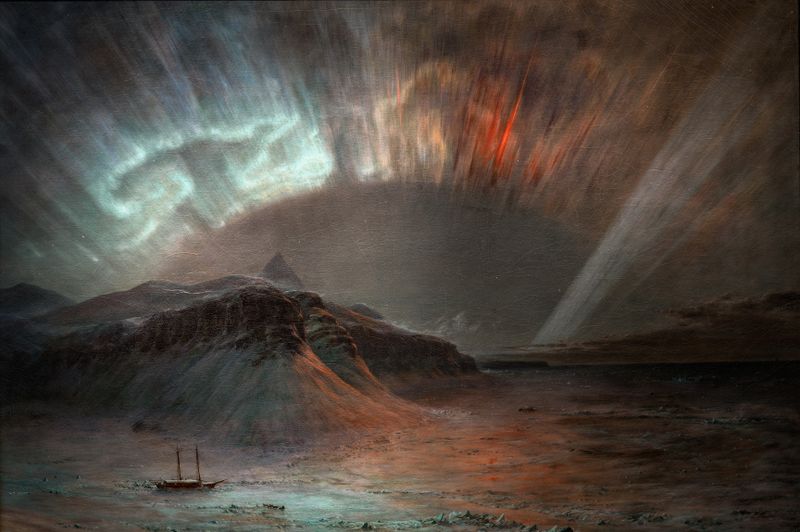
Aurora Borealis
Frederic Edwin Church
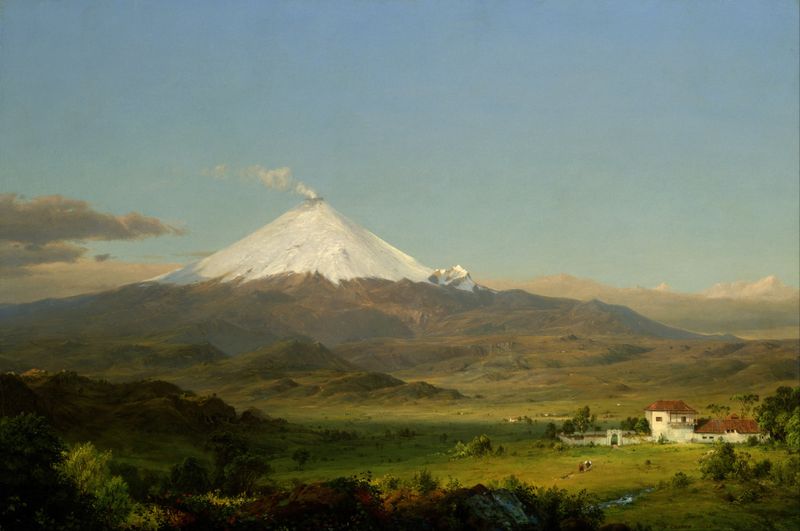
Cotopaxi
Frederic Edwin Church
More Architecture Art
Browse all →
The statue of Liberty
Frédéric Auguste Bartholdi

View of Houses in Delft, Known as ‘The Little Street’
Johannes Vermeer

View of Houses in Delft, Known as ‘The Little Street’
Johannes Vermeer

The Cathedral in Rouen. The portal, Grey Weather
Claude Monet

The yellow house
Vincent van Gogh

The Church in Auvers-sur-Oise, View from the Chevet
Vincent van Gogh