
Palm Tree, Jamaica — History & Facts
Could beauty survive in a century of chaos? In Palm Tree, Jamaica, the artist captures a moment of exquisite tranquility, inviting us to reflect on divine serenity amidst life's tumult. Focus on the towering palm that stands sentinel at the center, its fronds reaching toward the azure sky like whispered prayers. Notice how the dappled sunlight filters through the leaves, casting delicate shadows on the ground below. The vibrant greens and rich browns of the foliage contrast beautifully with the cerulean background, evoking a sense of lush paradise that beckons the viewer's gaze deeper into the scene. As you explore, consider the juxtaposition between the palm's strength and the underlying vulnerability of nature.
The gentle breeze implied by the tree's sway suggests a world in motion, yet the landscape remains still, a paradox symbolizing both resilience and fragility. This tension reflects the larger human experience—how we seek moments of divinity even as chaos encircles us. Frederic Edwin Church painted this work in 1865 during a time of personal and societal upheaval; the American Civil War had just ended, leaving a nation yearning for healing. Church, a prominent figure in the Hudson River School, sought to convey the beauty of nature as a source of inspiration and solace amidst the changing tides of his time, reinforcing the timeless quest for peace in a chaotic world.
More Artworks by Frederic Edwin Church
Browse all →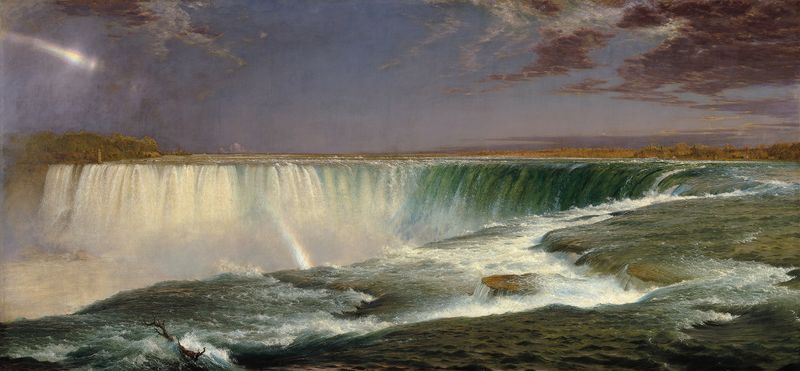
Niagara
Frederic Edwin Church
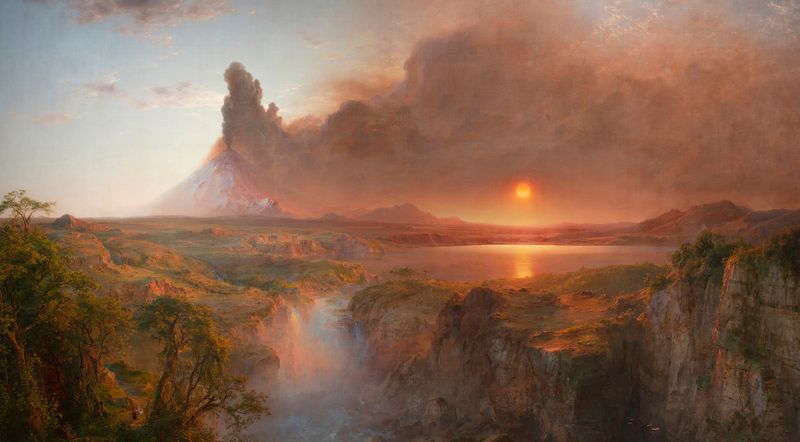
Cotopaxi
Frederic Edwin Church
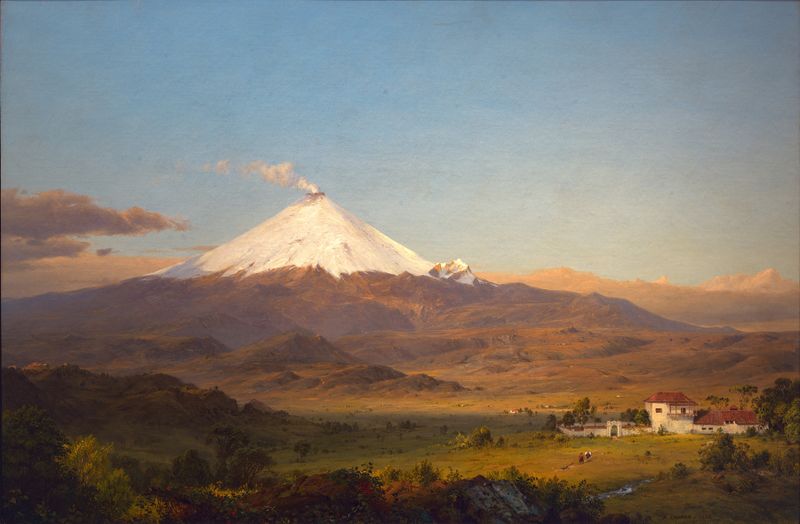
Cotopaxi
Frederic Edwin Church
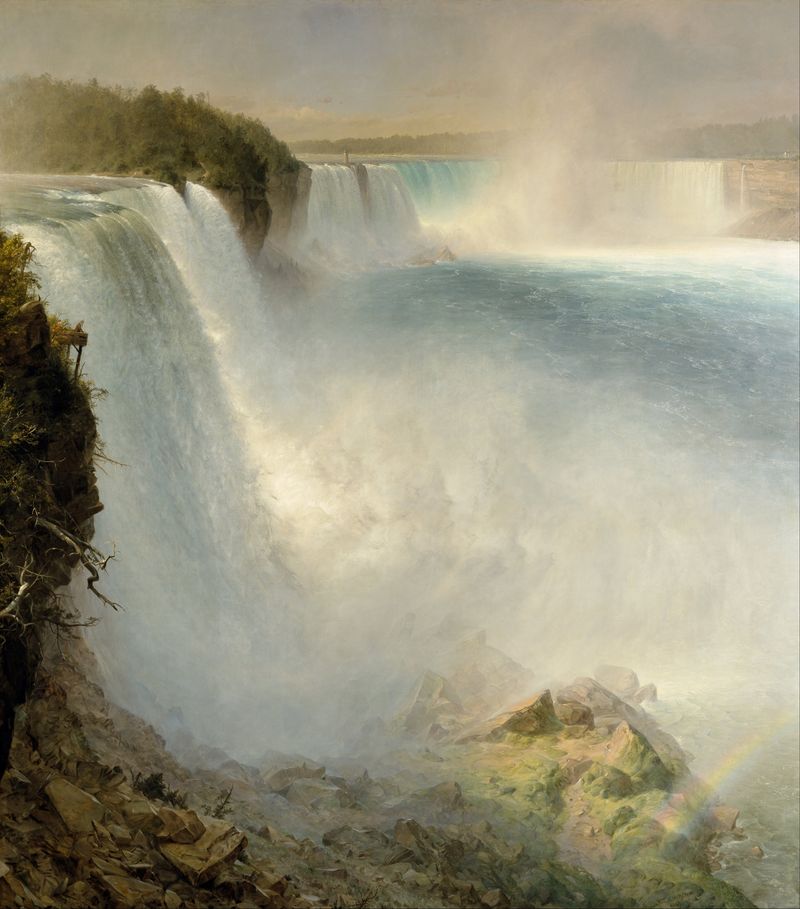
Niagara Falls, from the American Side
Frederic Edwin Church
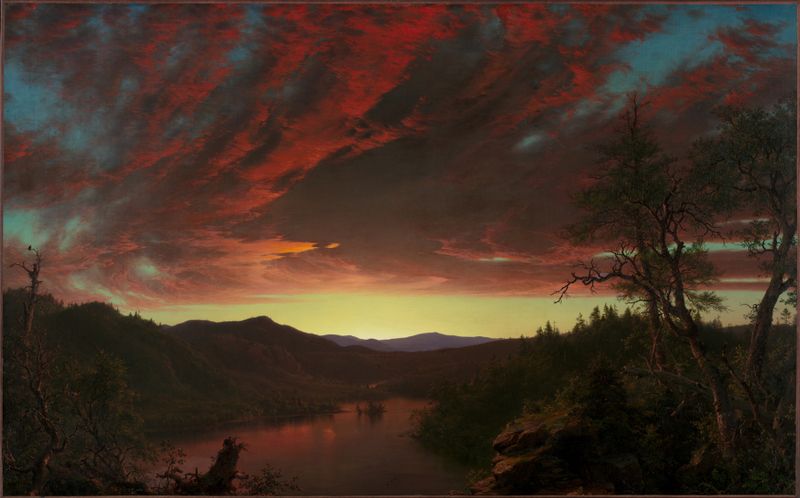
Twilight in the Wilderness
Frederic Edwin Church
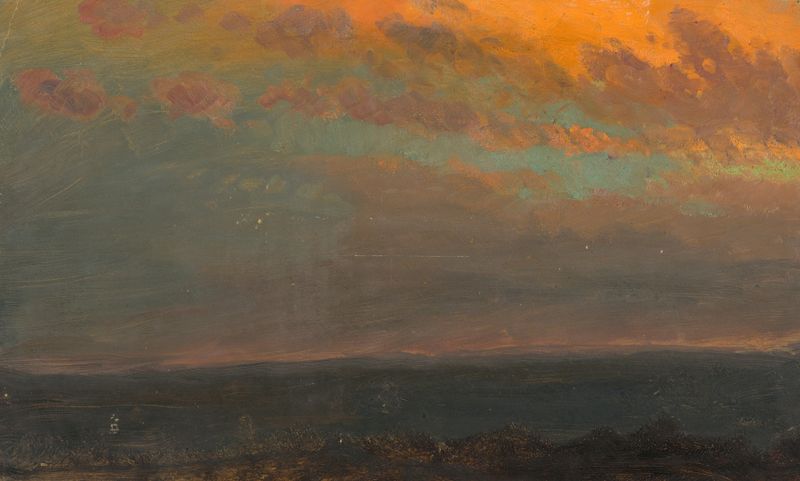
Hudson Valley at Sunset
Frederic Edwin Church
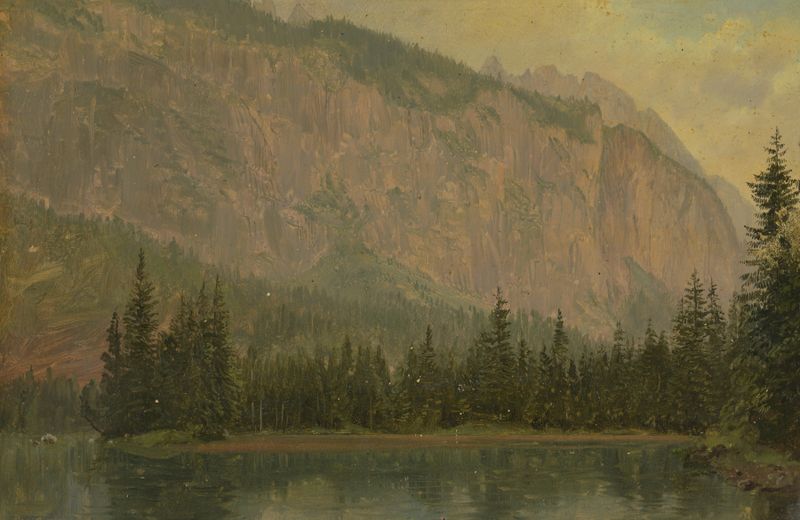
The Hintersee, near Berchtesgaden, Bavaria
Frederic Edwin Church
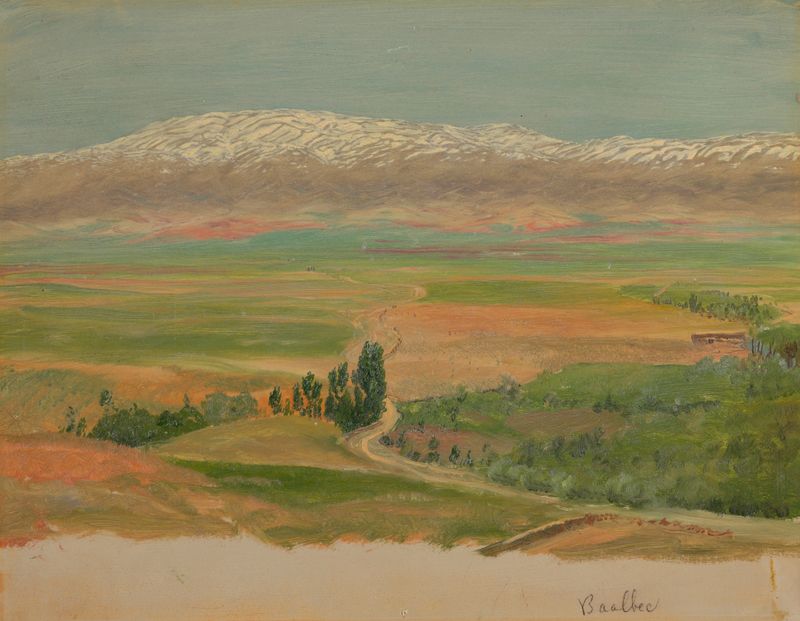
Mountains near Baalbec
Frederic Edwin Church
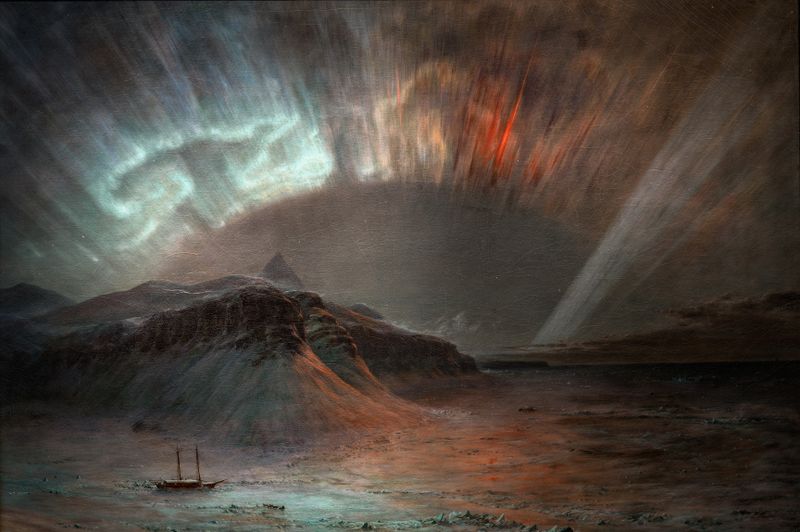
Aurora Borealis
Frederic Edwin Church
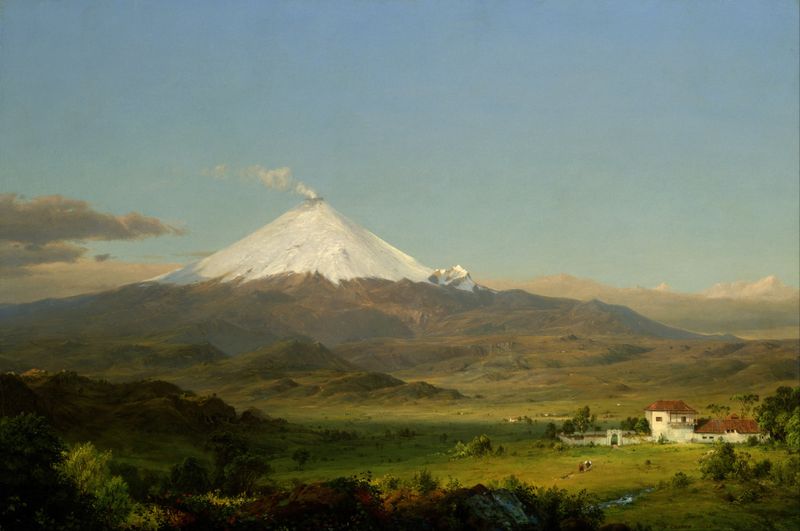
Cotopaxi
Frederic Edwin Church





