
Palm Trees, West Indies — History & Facts
Where does light end, and longing begin? In the lush greenery of a distant paradise, the vibrant colors conjure an intoxicating sense of yearning, beckoning the viewer to explore the depth of their own desires and dreams. Look to the left at the towering palm trees, their fronds gently swaying in a whisper of an unseen breeze. The artist employs a harmonious palette, with rich greens and warm golds that evoke the tropical sun bathing the scene. Notice how the light dances across the intricate textures of the foliage, creating a shimmering contrast against the azure sky.
Each brushstroke reveals the artist’s meticulous attention to detail, drawing you into this serene, sun-drenched oasis. Beneath the apparent tranquility lies a profound tension between the natural beauty and an underlying sense of isolation. The palm trees, while majestic, seem to stand sentinel over an emptiness, inviting contemplation of what lies beyond their confines. The interplay of light and shadow further emphasizes this duality, reflecting the push and pull between hope and solitude—a longing for connection in an idyllic yet distant realm. In 1865, Frederic Edwin Church painted this piece amidst his rise as a key figure in the Hudson River School, known for capturing the sublime beauty of nature.
During this time, America was experiencing rapid industrialization, creating a stark contrast with the untouched landscapes he cherished. In Palm Trees, West Indies, Church not only indulges in his fascination with exotic locales but also invites viewers to escape to a world bursting with both beauty and unfulfilled desire.
More Artworks by Frederic Edwin Church
Browse all →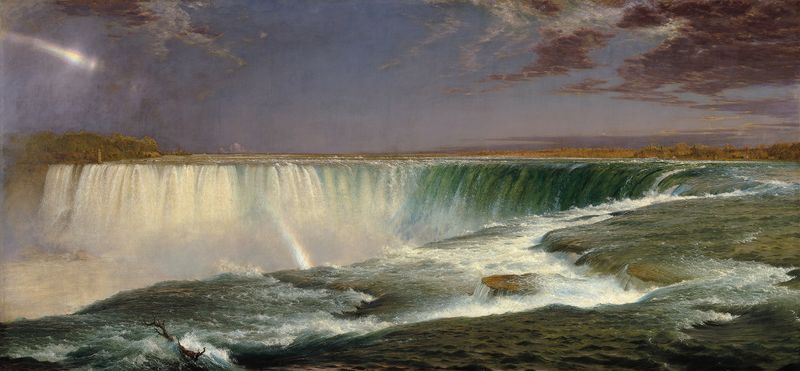
Niagara
Frederic Edwin Church
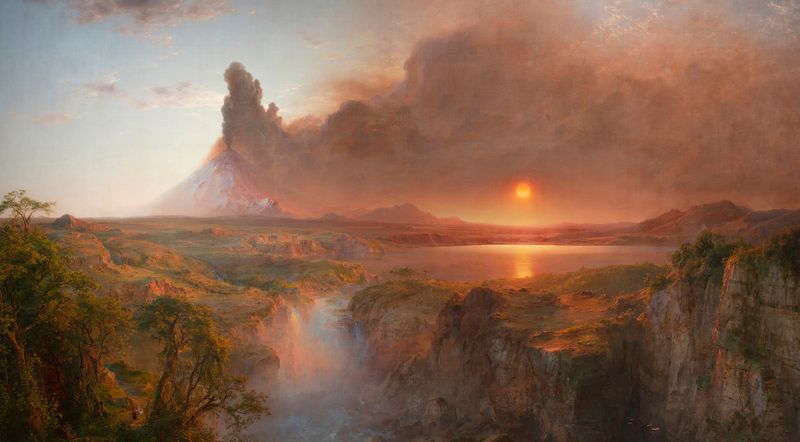
Cotopaxi
Frederic Edwin Church
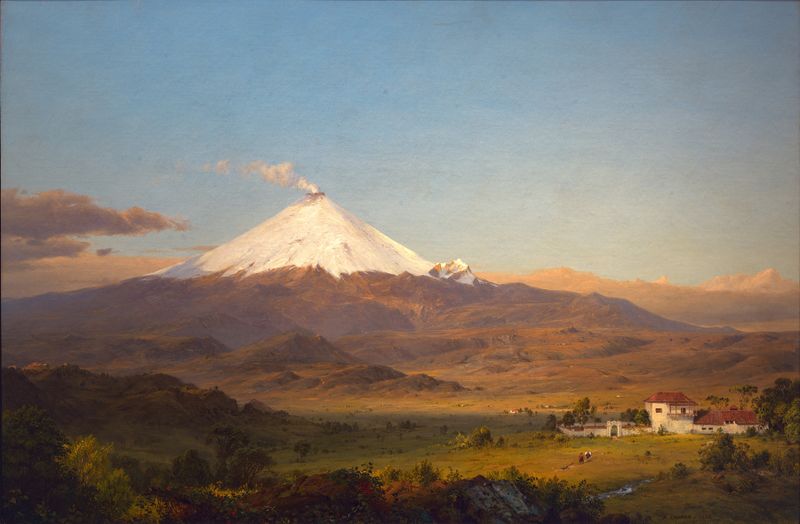
Cotopaxi
Frederic Edwin Church
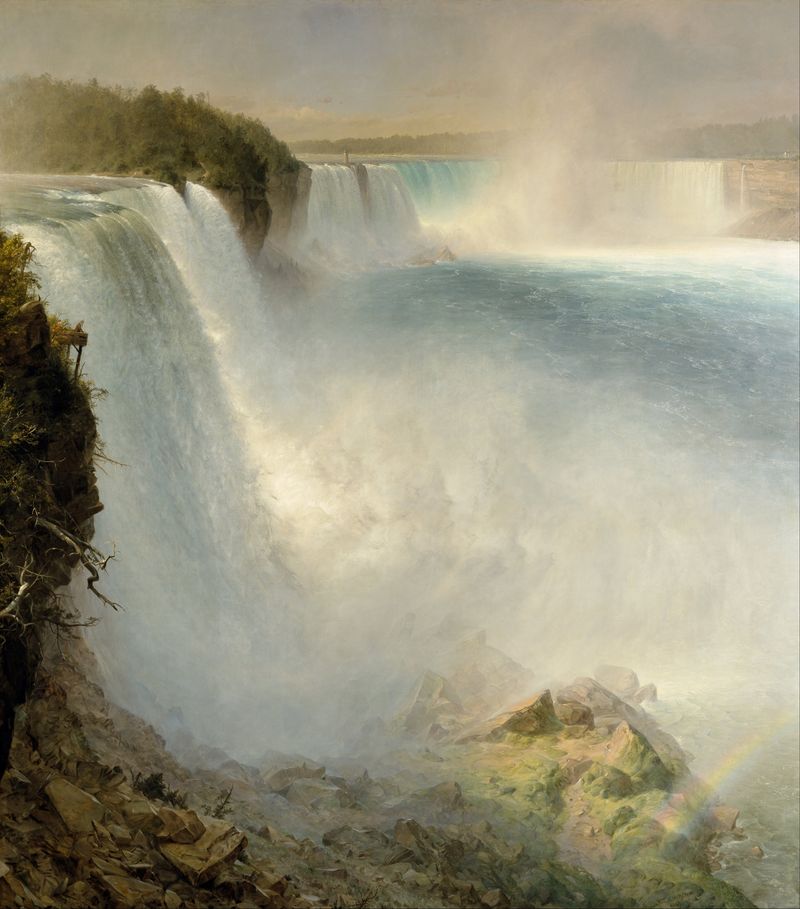
Niagara Falls, from the American Side
Frederic Edwin Church
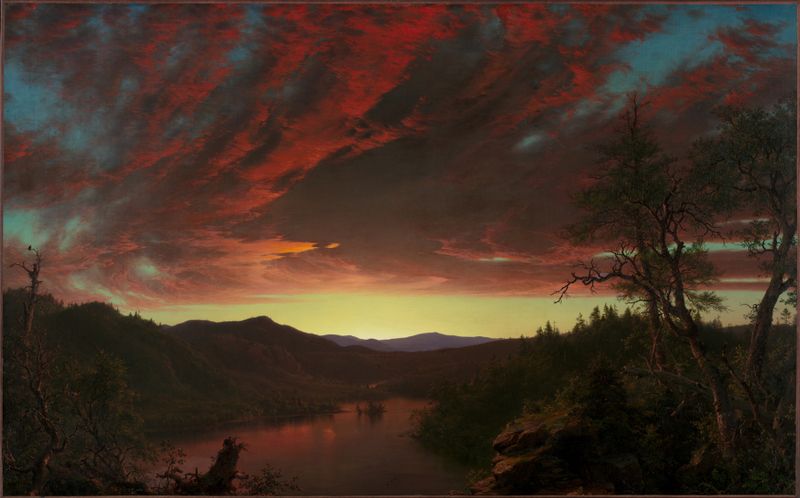
Twilight in the Wilderness
Frederic Edwin Church
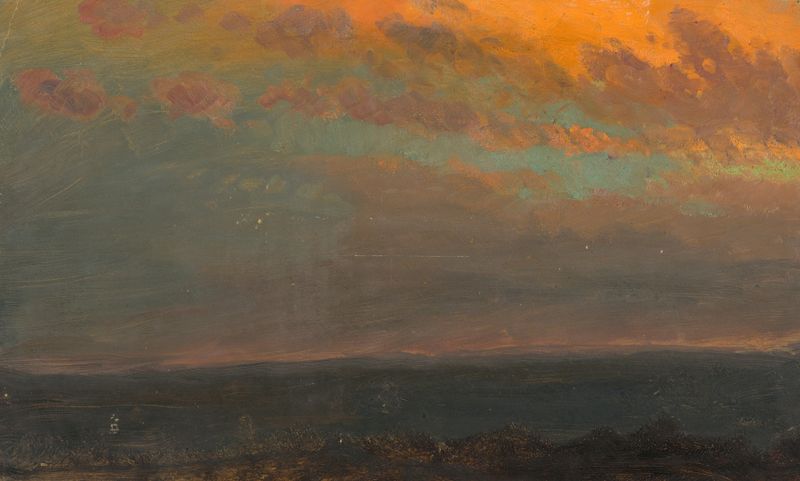
Hudson Valley at Sunset
Frederic Edwin Church
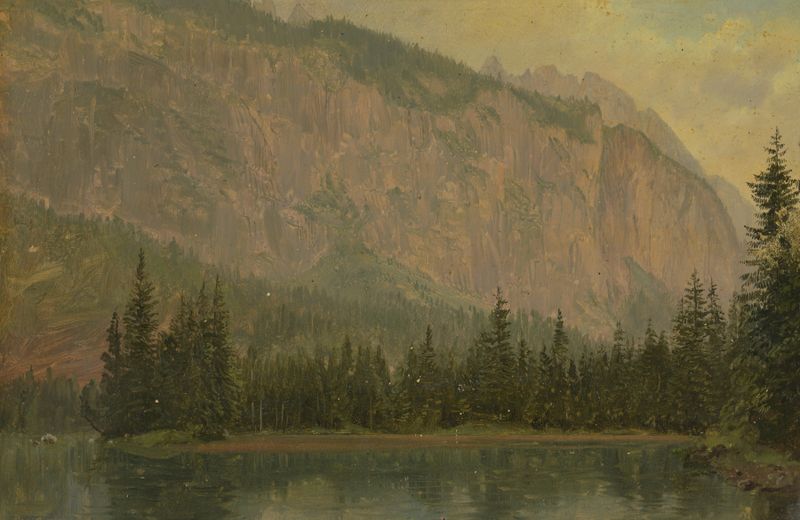
The Hintersee, near Berchtesgaden, Bavaria
Frederic Edwin Church
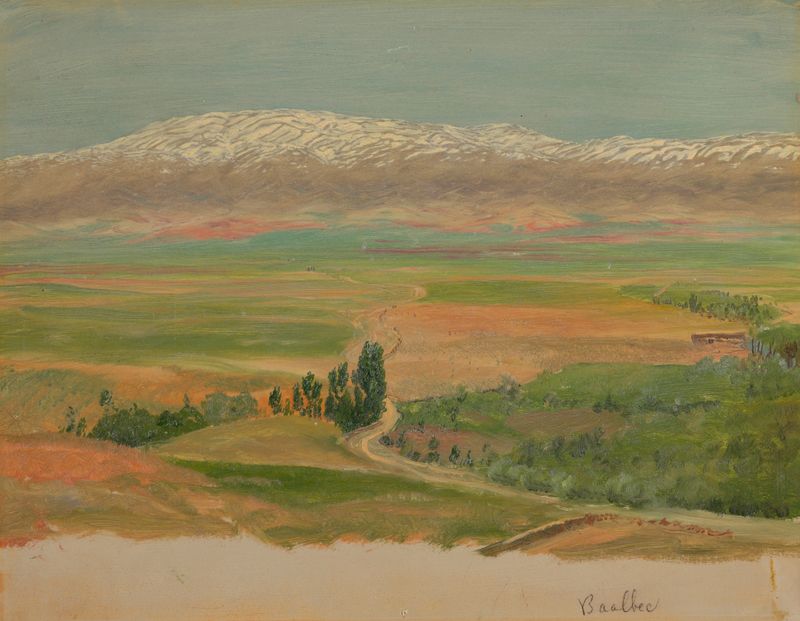
Mountains near Baalbec
Frederic Edwin Church
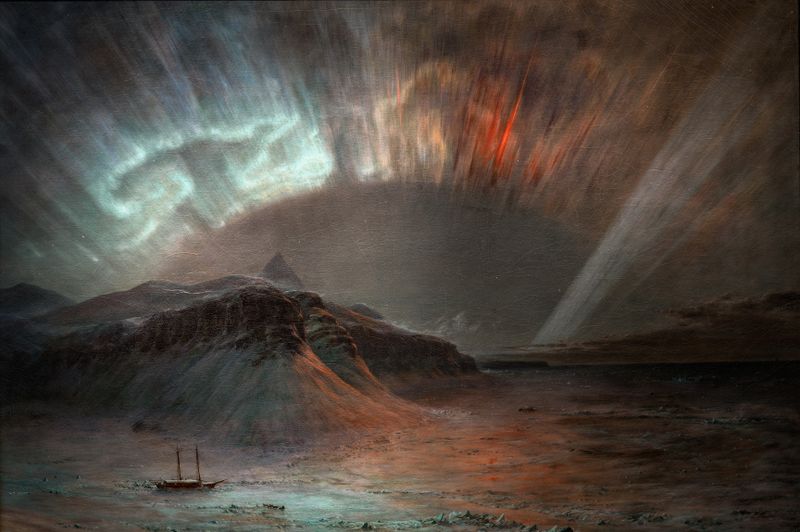
Aurora Borealis
Frederic Edwin Church
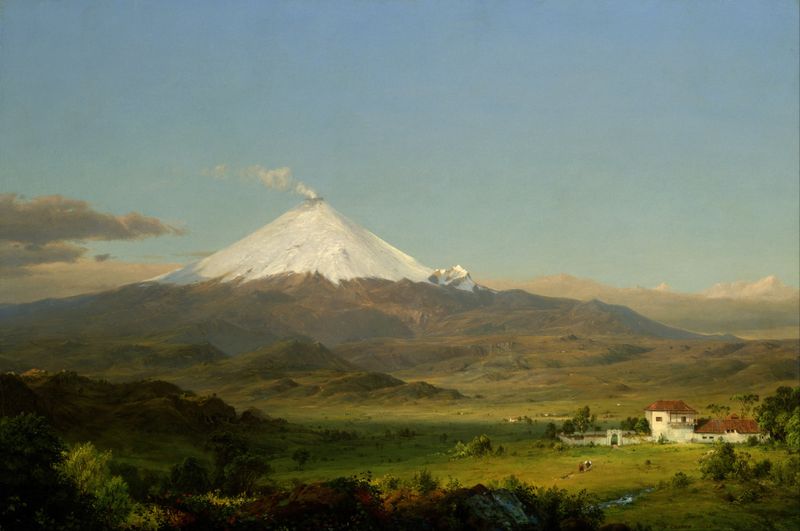
Cotopaxi
Frederic Edwin Church





