Pan in the Reed — History & Facts
In Pan in the Reed, hope emerges from a tumultuous landscape where nature's wildness is tamed by the artist’s deft hand. Look to the center of the canvas, where the figure of Pan, half-man and half-goat, is serenely positioned amidst lush reeds. His pipe, a conduit of harmony, brings life to the surrounding greenery, while dappled sunlight filters through the foliage, casting a delicate glow upon his form. The swirls of earthy greens and browns contrast with the ethereal lightness of the scene, creating a balance that teeters between chaos and tranquility. As you explore the artwork, consider the dichotomy of Pan’s existence, embodying both the primal and the sublime.
The reeds, though vibrant and alive, also suggest confinement, hinting at the tensions of nature’s duality—wild yet restrained. The figure's expression carries a somber joy, inviting viewers to ponder the dualities of life: the struggle for acceptance and the joyous pursuit of beauty and music. In 1856, Böcklin was immersed in the Symbolist movement, which sought to convey deeper emotional truths through poetic imagery. Living in Switzerland during a period of personal and artistic exploration, he was inspired by ancient mythology and nature, themes that resonate through this piece.
Pan in the Reed reflects both the artist's inner journey and the broader search for meaning in a rapidly changing world.
More Artworks by Arnold Böcklin
Browse all →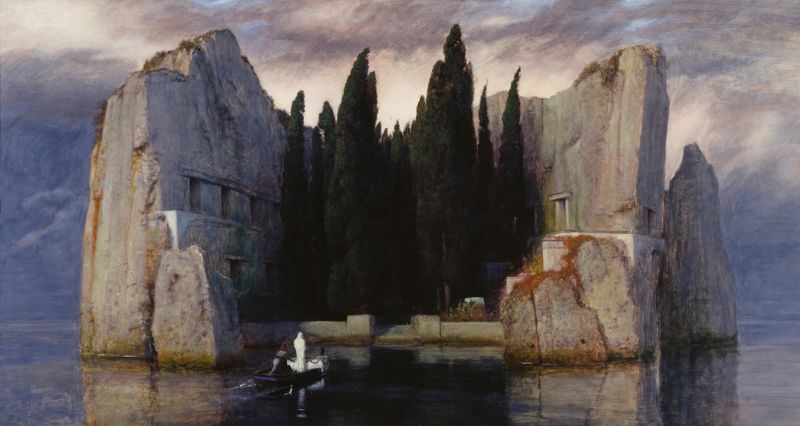
Die Toteninsel III
Arnold Böcklin
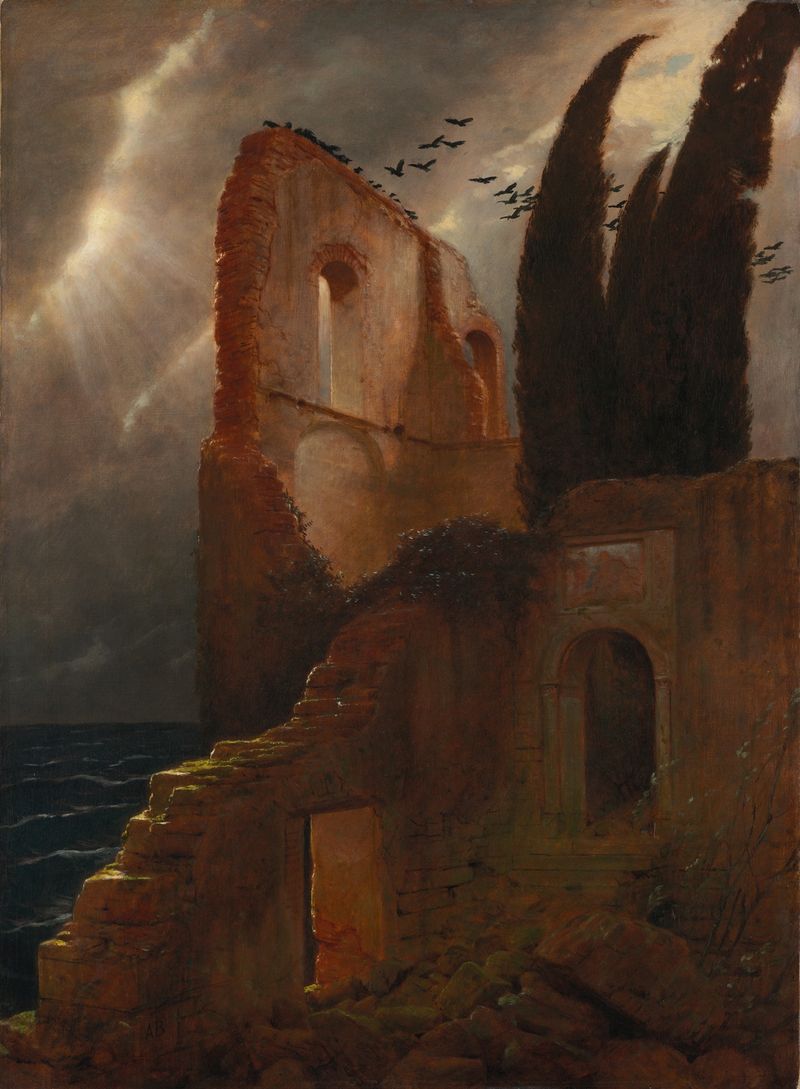
Ruin by the Sea
Arnold Böcklin
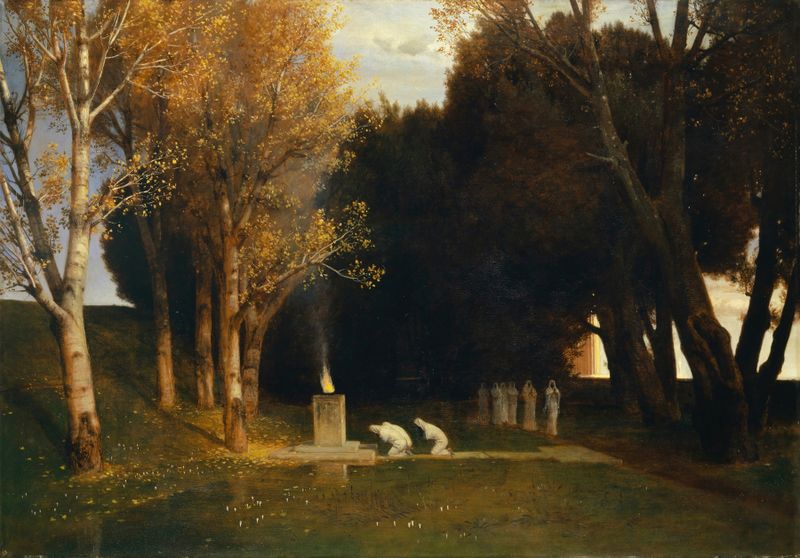
The Sacred Grove
Arnold Böcklin
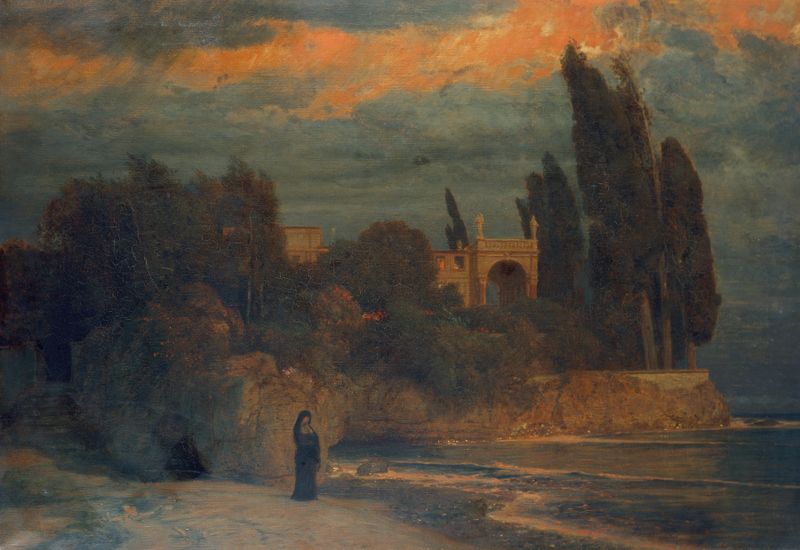
Villa by the Sea
Arnold Böcklin
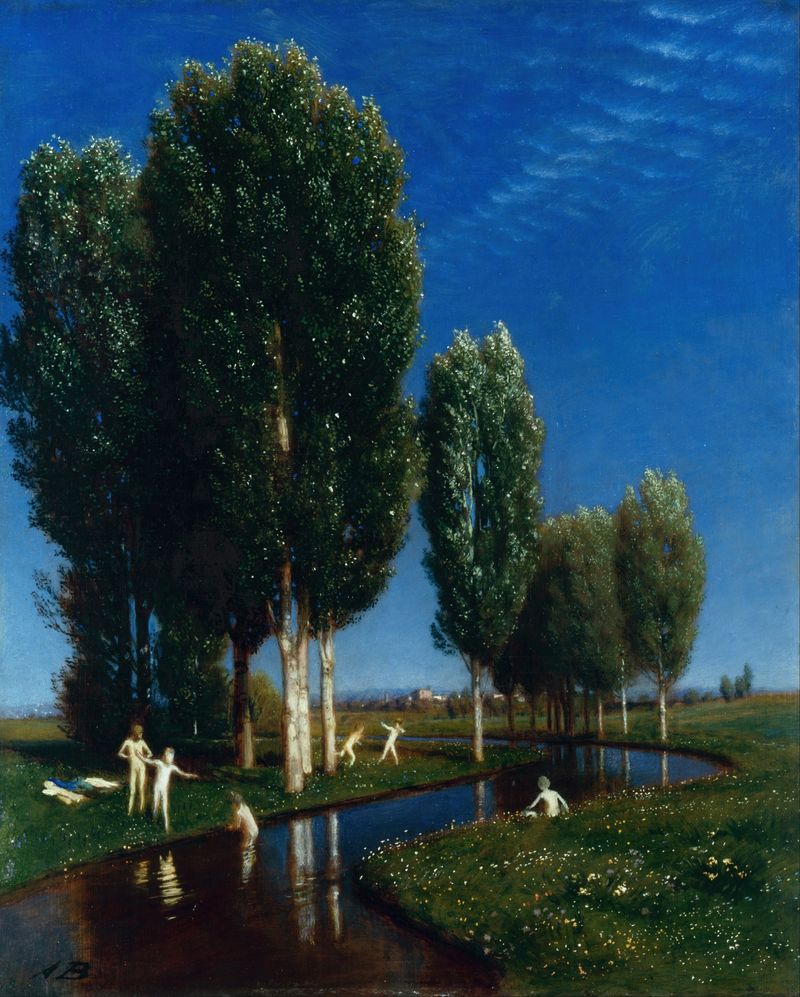
Summer Day
Arnold Böcklin
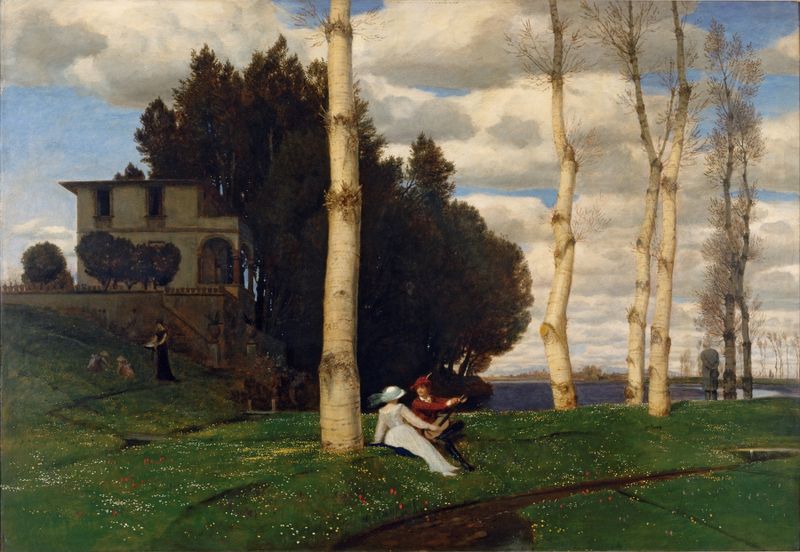
Spring Day (The Three Life Ages)
Arnold Böcklin
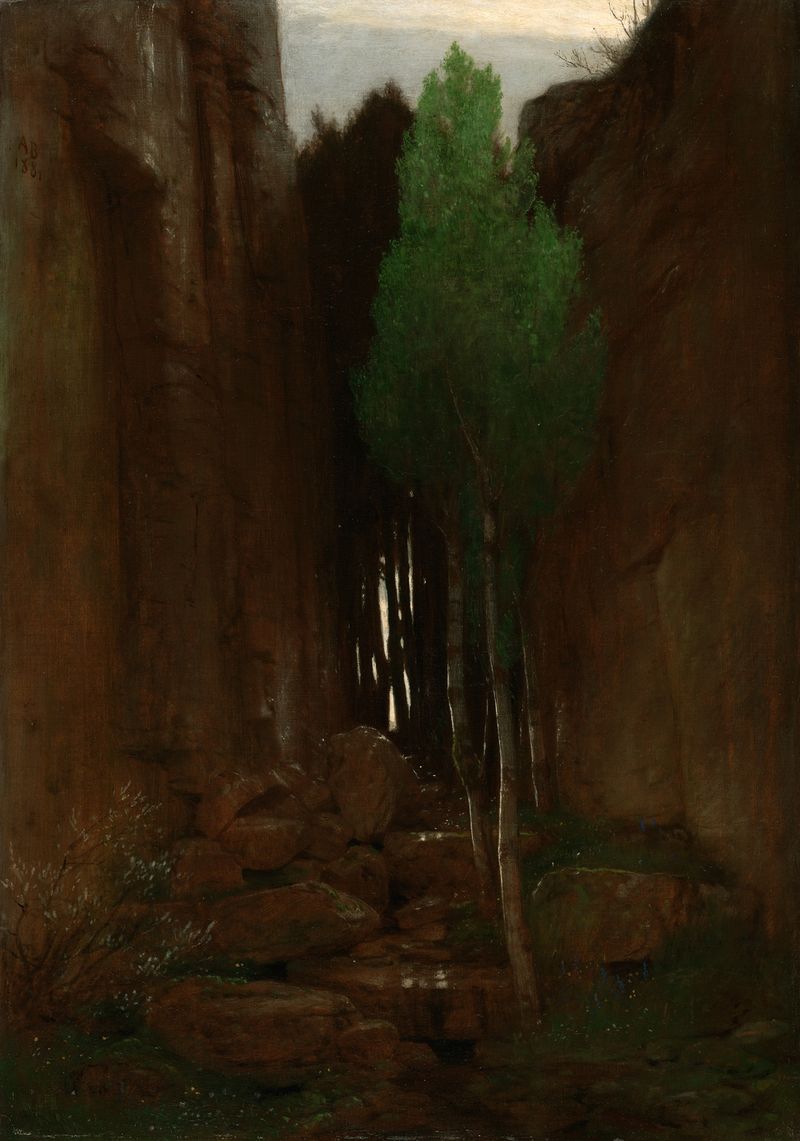
Spring in a Narrow Gorge (Quell in einer Felsschluct)
Arnold Böcklin
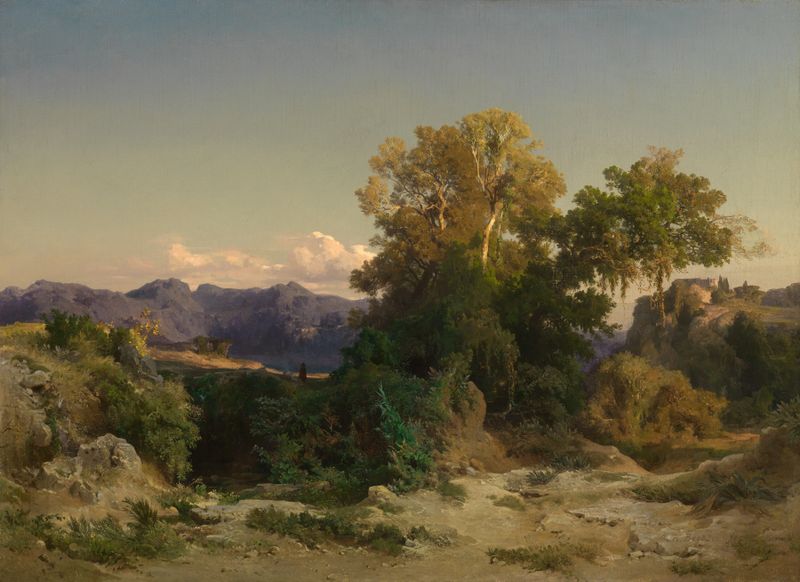
Landscape in the Roman Campagna
Arnold Böcklin
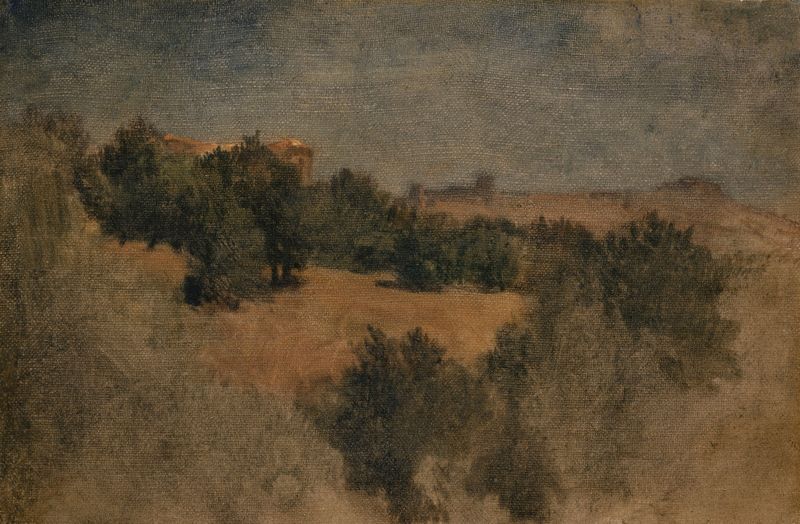
Landscape near Palestrina
Arnold Böcklin
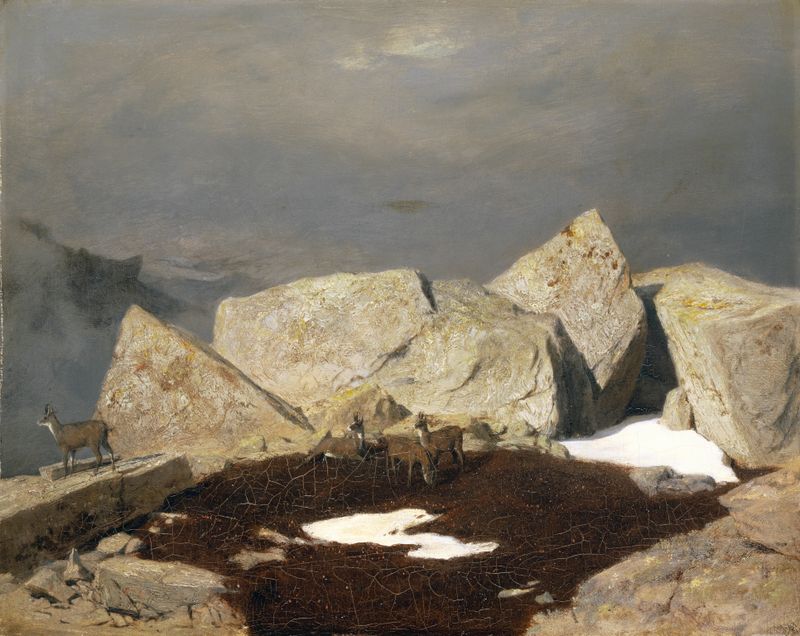
High Mountain Landscape With Chamois
Arnold Böcklin