Pantheon — History & Facts
Could a single brushstroke hold eternity? In Pantheon, the viewer is drawn into an introspective void where the echoes of fear and grandeur intertwine, inviting contemplation of our fleeting existence beneath a vast, unyielding cosmos. Look to the center, where a swirling abyss of deep blues and blacks seems to stretch infinitely. The texture of the brushwork draws the eye, revealing layers of rich pigment that suggest an otherworldly depth. Surrounding this core, lighter hues flicker like distant stars, illuminating the otherwise dark canvas.
Silhouettes of ancient architectural forms emerge at the periphery, their crumbling facades a stark contrast to the vitality of the central void, evoking a sense of loss and nostalgia. In this visual narrative, the tension between the expansive cosmos and the fragile structures of human creation is palpable. The interplay of light and shadow captures the struggle between awe and trepidation, reflecting humanity's eternal quest for meaning in a seemingly indifferent universe. Each stroke seems to whisper stories of ambition, failure, and the unrelenting passage of time, prompting the viewer to confront their own fears of insignificance and oblivion. Created in 1882, while living in Munich, the artist was navigating both personal challenges and a rapidly changing art scene.
This period saw a shift towards more expressive, emotional works, as artists began to explore the inner workings of the human soul rather than adhering to strict realism. Ziegler's own journey mirrored this evolution, as he sought to capture not just the physical world, but the profound emotions that reside within it.
More Artworks by Christoph Ziegler
Browse all →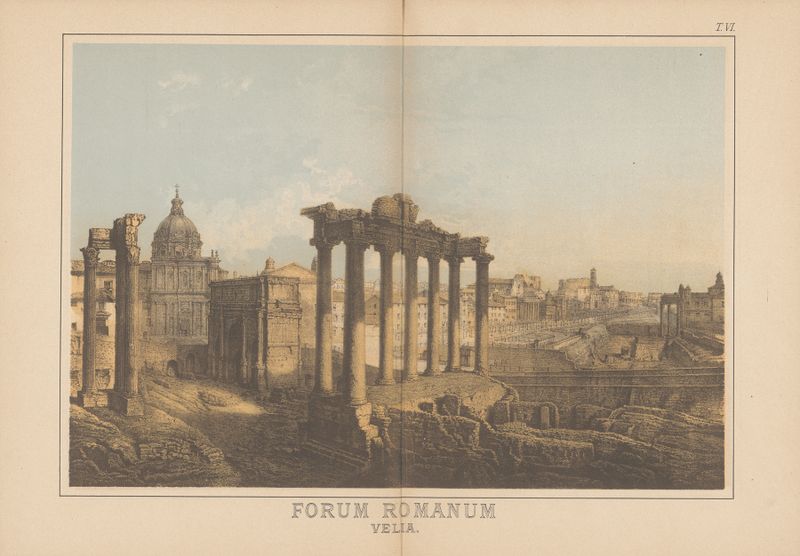
Forum Romanum
Christoph Ziegler
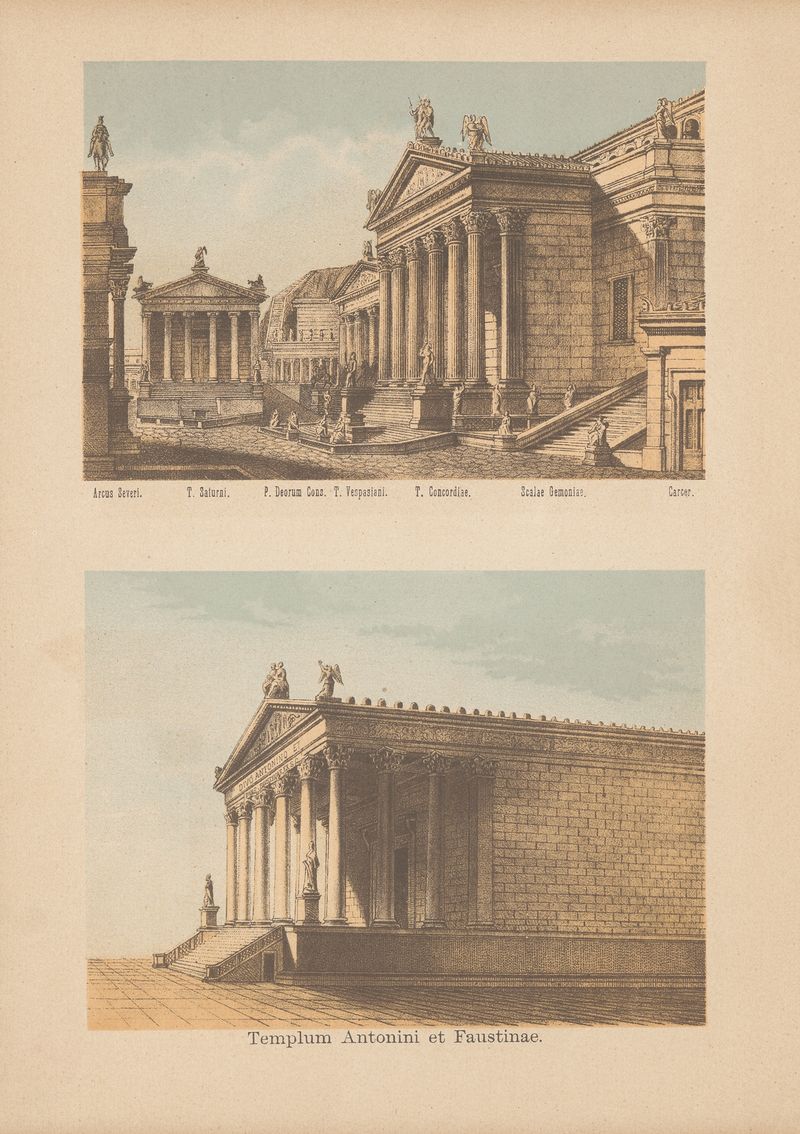
Templum Antonini et Faustinae
Christoph Ziegler
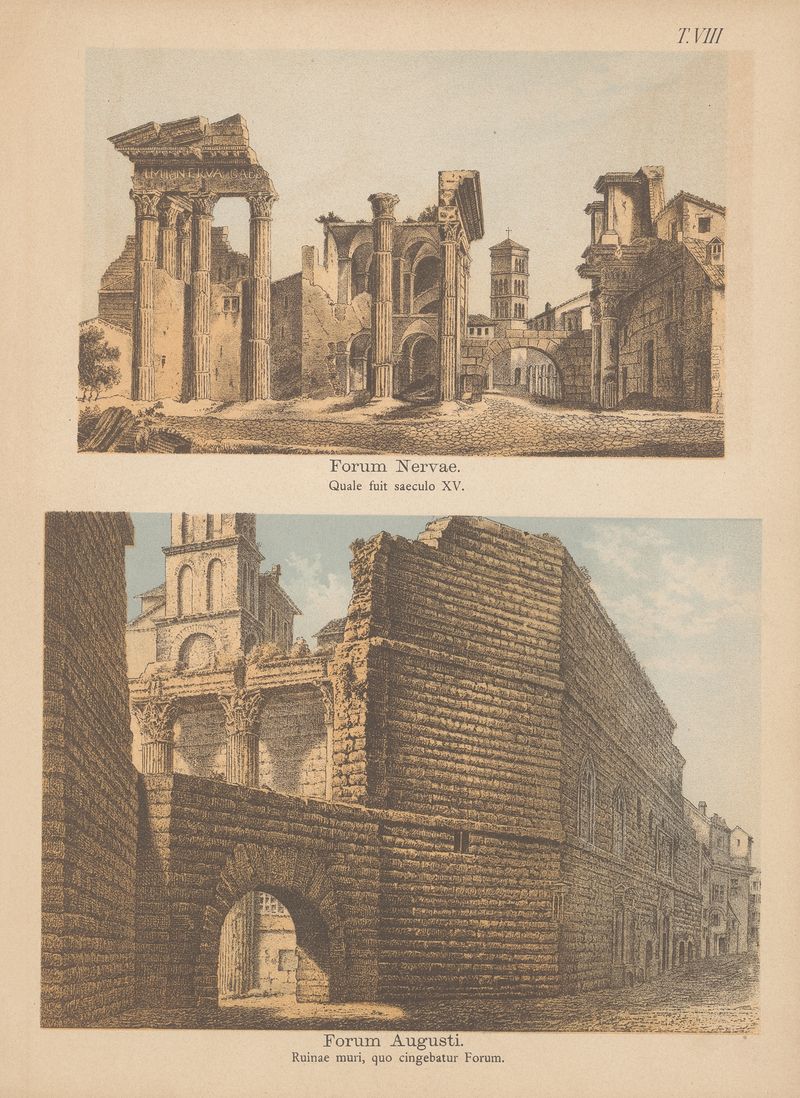
Forum Nervae, Forum Augusti
Christoph Ziegler
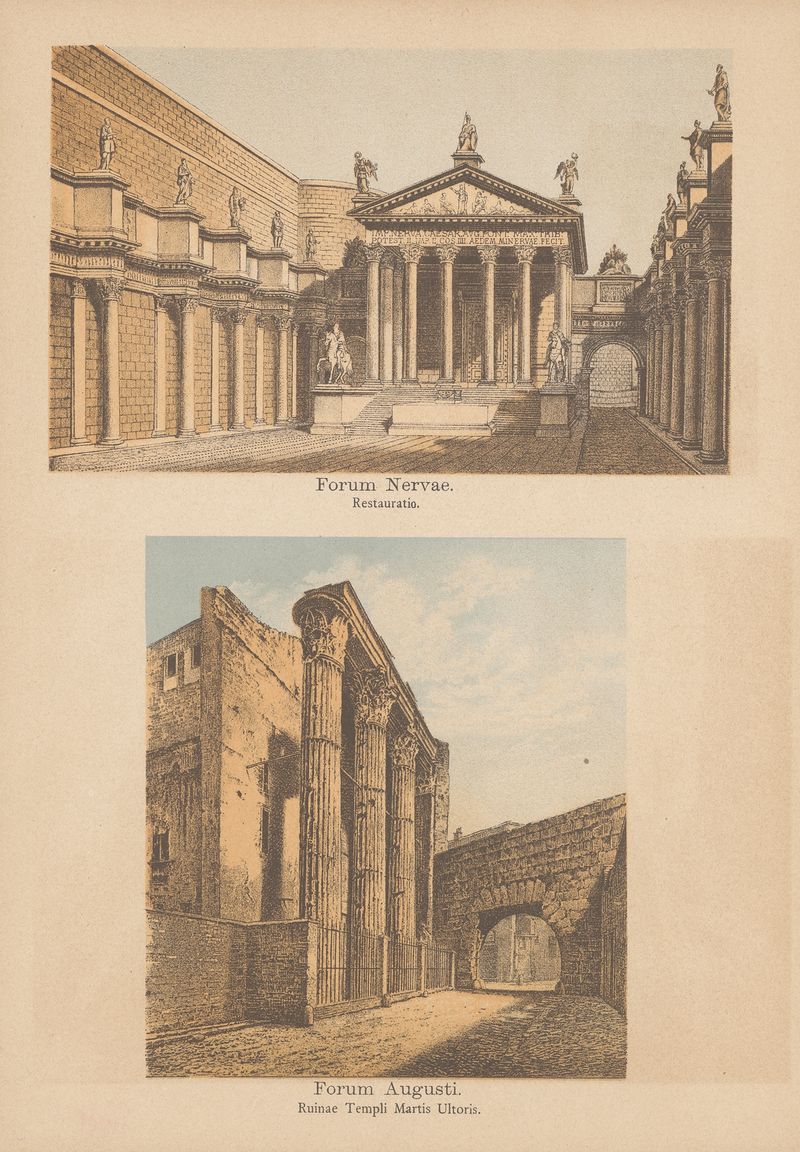
Forum Nervae, Forum Augusti
Christoph Ziegler
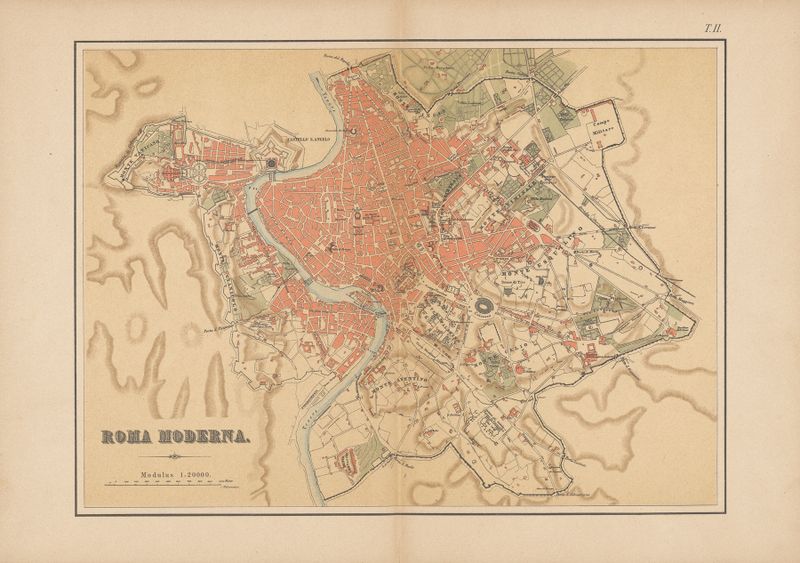
Plan des neuen Rom
Christoph Ziegler
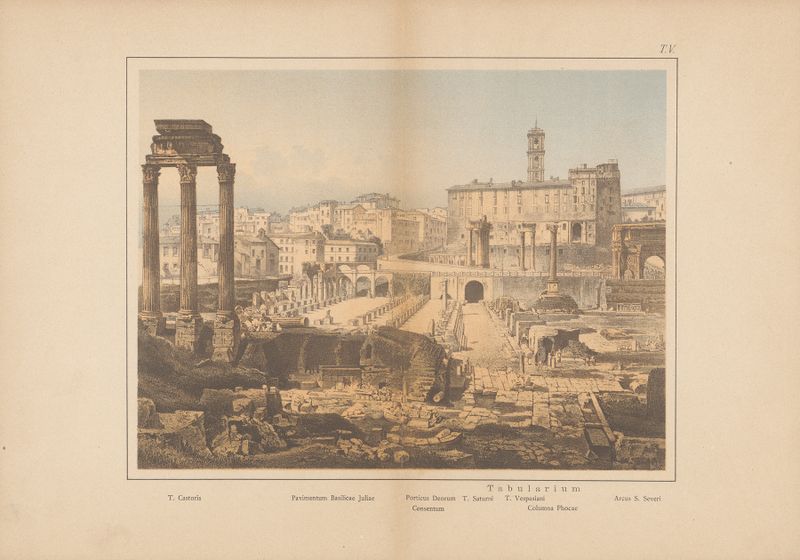
Tabularium
Christoph Ziegler
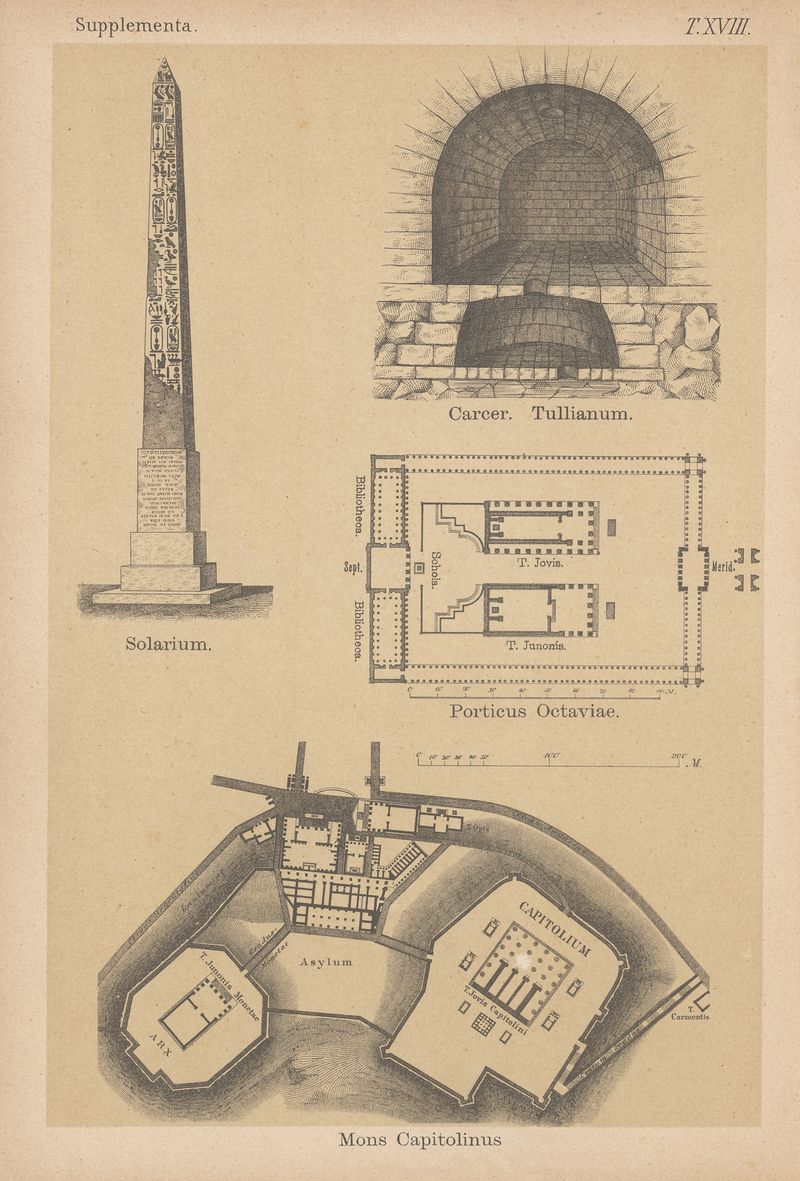
Mons Capitolinus
Christoph Ziegler
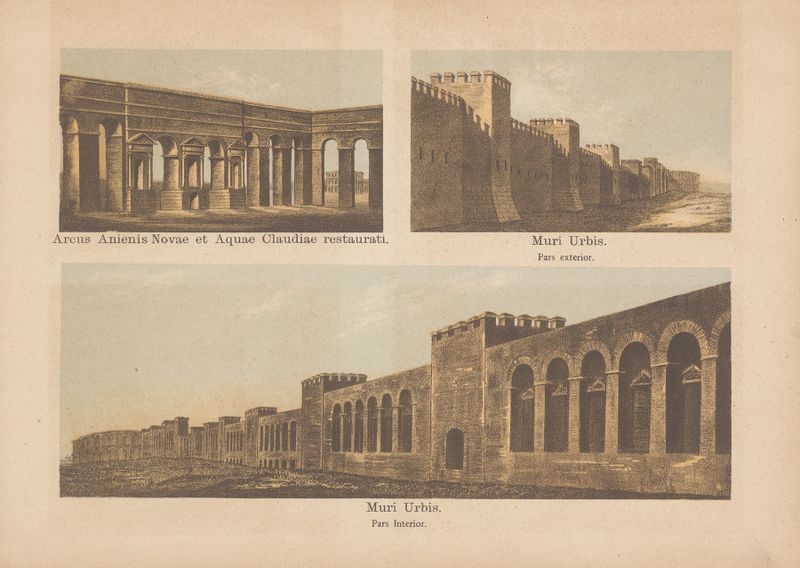
Arcus Anienis Novae, Muri urbis
Christoph Ziegler
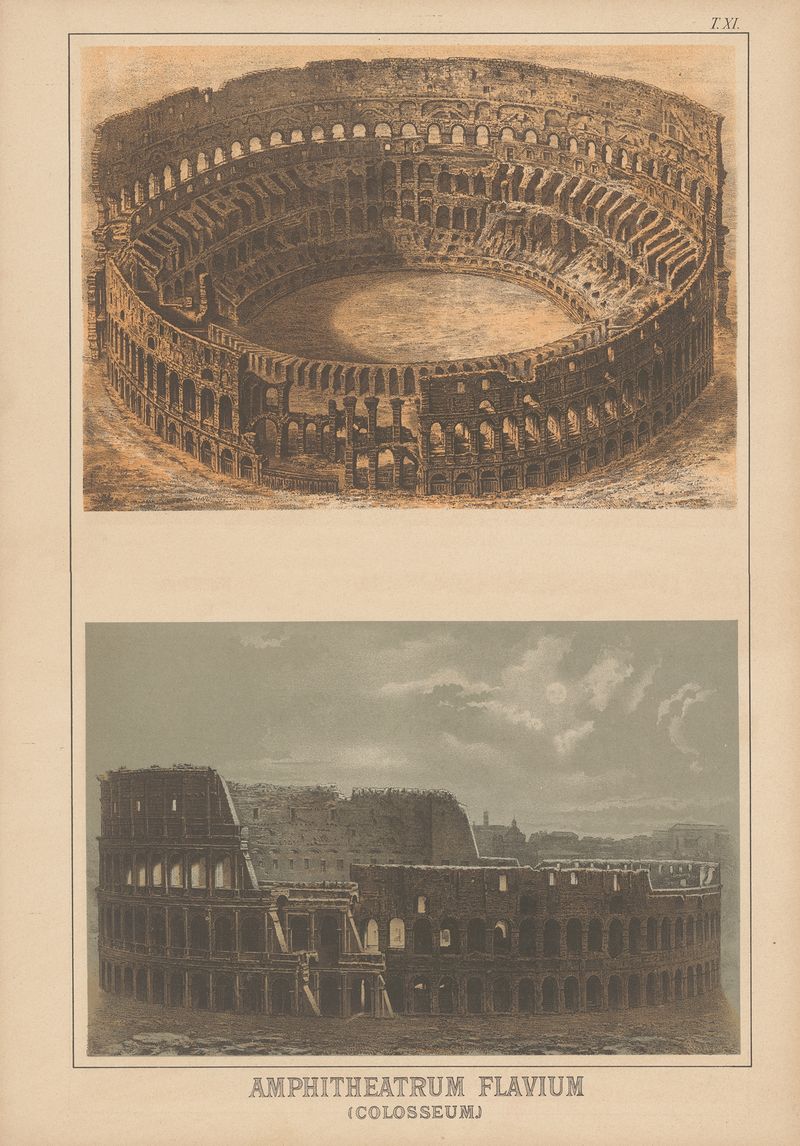
Amphitheatrum Flavium (Colosseum)
Christoph Ziegler
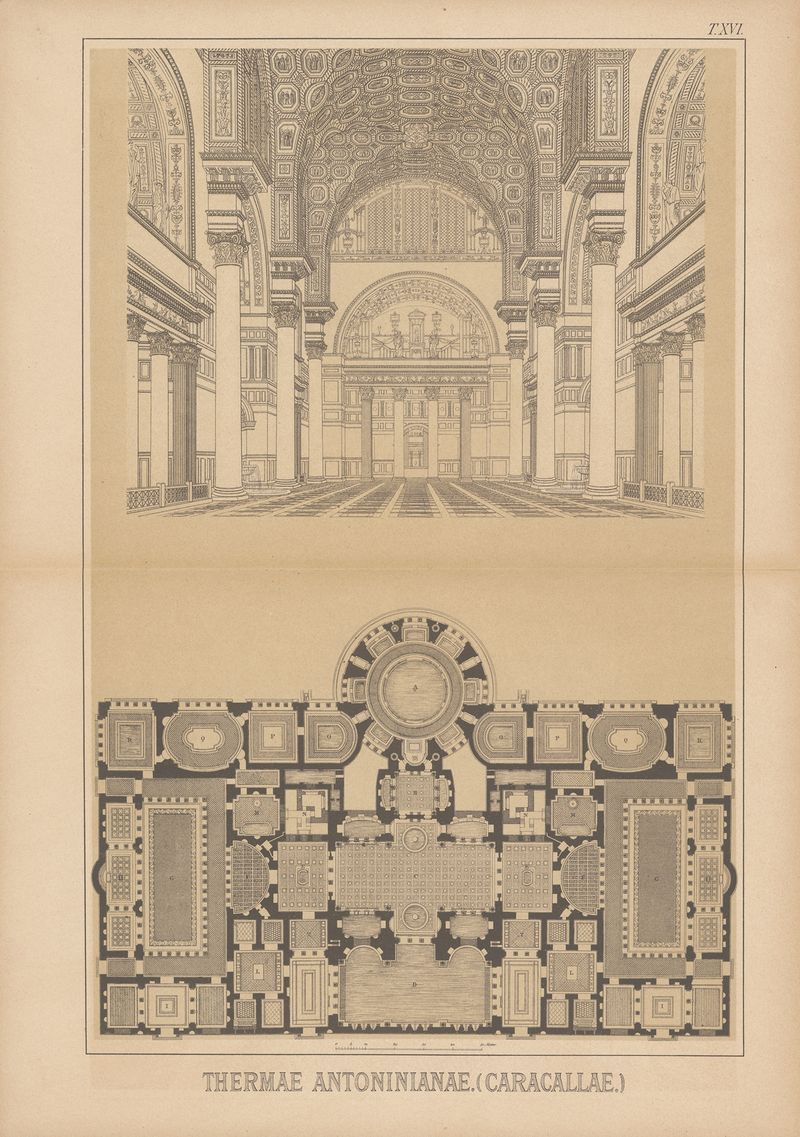
Thermae Antoninianae (Caracallae)
Christoph Ziegler