
Pantheon from the Terrace of the Luxembourg Gardens — History & Facts
Beneath a delicate sky, the soft light of late afternoon bathes the terrace in a warm glow. A lone figure stands at the edge, gazing toward the distant Pantheon, its dome a symbol of resilience against the backdrop of a city alive with whispers. The tranquil gardens around them seem to hold their breath, lending an air of reverence to the moment, as if time itself has paused to embrace hope. Look to the left where the figure leans slightly forward, a gesture of longing interwoven with contemplation.
The sweeping composition draws the eye beyond the lush greenery of the Luxembourg Gardens to the majestic architecture in the distance. The gentle brushwork evokes an ethereal quality, blending soft pastels with deeper, muted hues that suggest a meditative stillness. This contrast between the foreground and the grandeur of the structure captures an intimate dialogue between the individual and the monumental. Within the serene scene lies a profound tension: the juxtaposition of personal reflection against the weight of history embodied by the Pantheon.
The lush foliage might represent the richness of life and the nurturing of dreams—a hope that flourishes even amid uncertainty. The figure's solitude speaks to the universal human experience, each gaze toward the horizon pregnant with aspirations and unanswered questions. In 1893, Pantheon from the Terrace of the Luxembourg Gardens was created during a period of artistic experimentation for Whistler, who was redefining his relationship with color and light. Living in Paris, he was influenced by the evolving atmosphere of Impressionism and the symbolism of modernity.
As the world around him shifted, this painting not only reflects his artistic journey but also captures a poignant moment of introspection at a time when hope was an elusive yet vital pursuit.
More Artworks by James Abbott McNeill Whistler
Browse all →
Nocturne in Blue and Silver
James Abbott McNeill Whistler
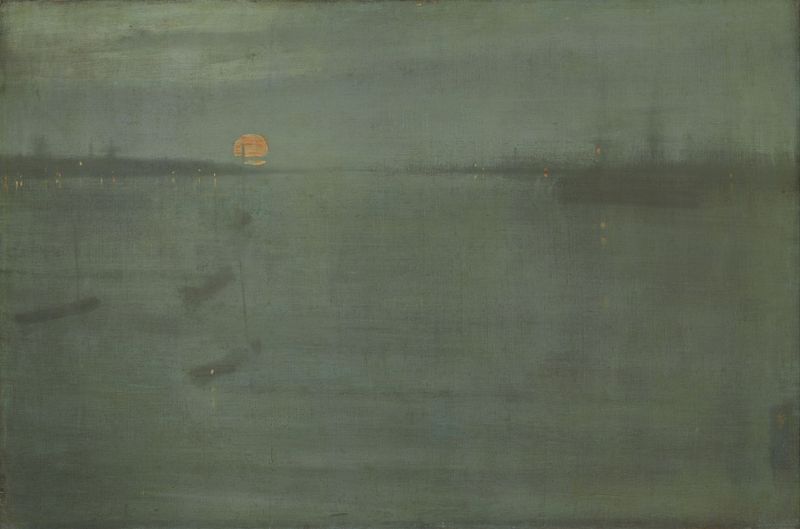
Nocturne: Blue and Gold–Southampton Water
James Abbott McNeill Whistler
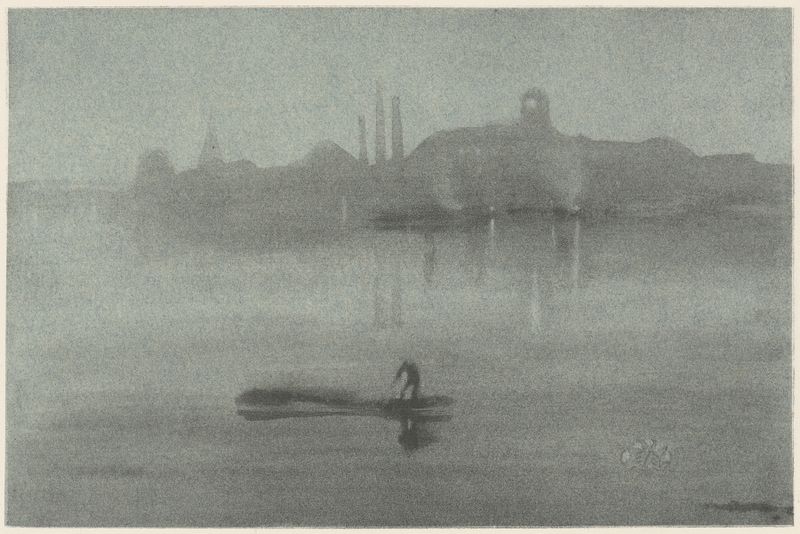
Nocturne
James Abbott McNeill Whistler
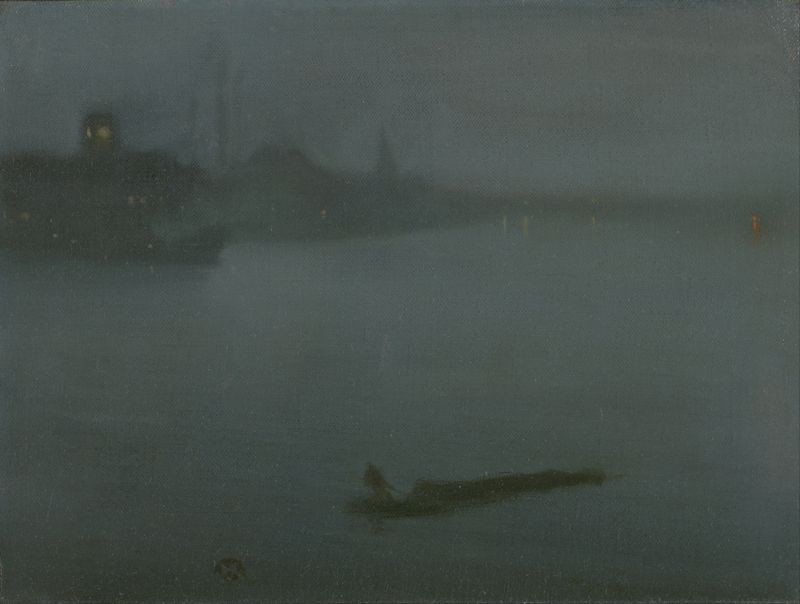
Nocturne in Blue and Silver
James Abbott McNeill Whistler
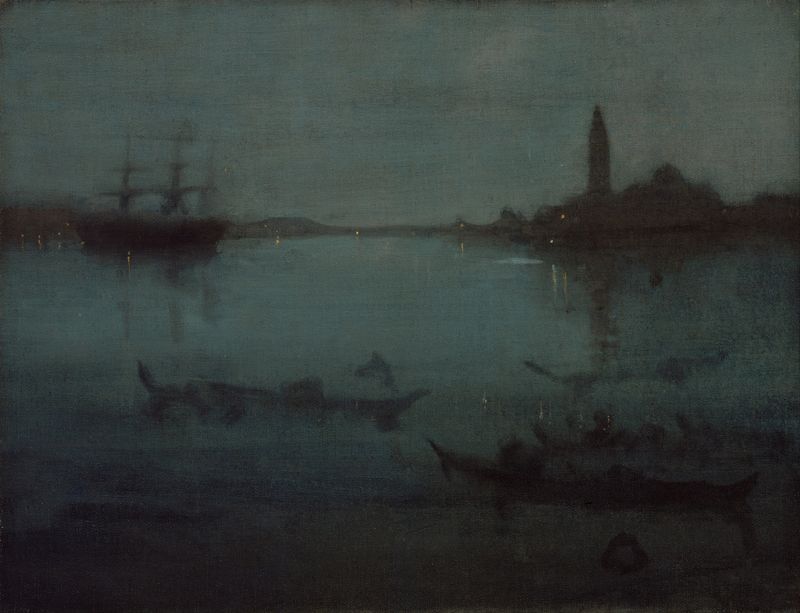
Nocturne in Blue and Silver- The Lagoon, Venice
James Abbott McNeill Whistler
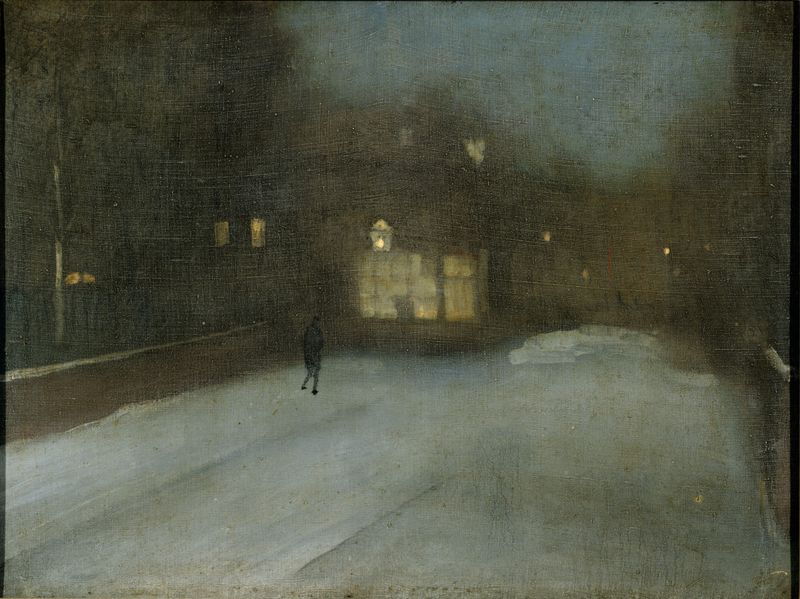
Nocturne in Grey and Gold: Chelsea Snow
James Abbott McNeill Whistler
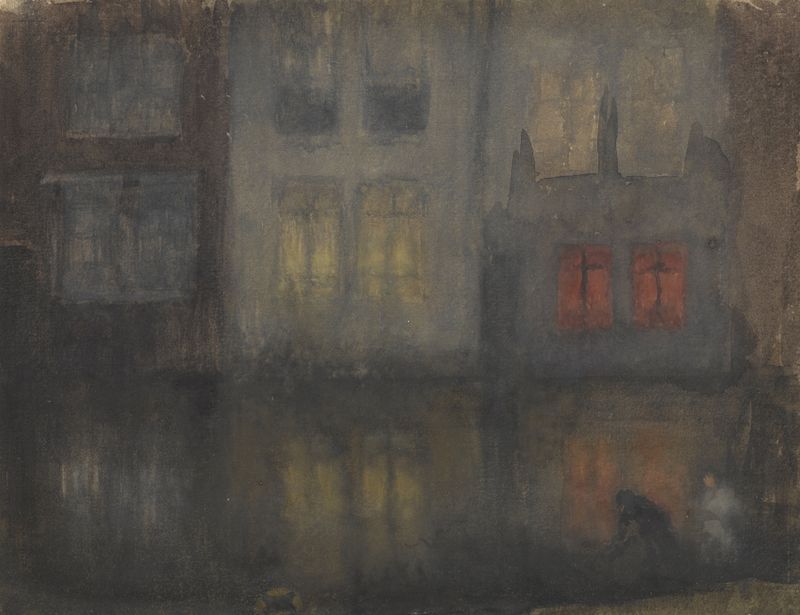
Nocturne: Black and Red—Back Canal, Holland
James Abbott McNeill Whistler
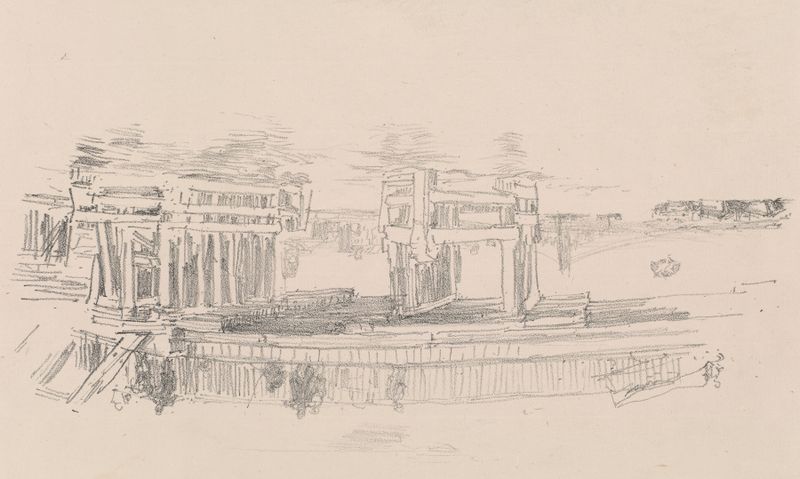
Old Battersea Bridge
James Abbott McNeill Whistler

Nocturne: Blue and Silver–Battersea Reach
James Abbott McNeill Whistler
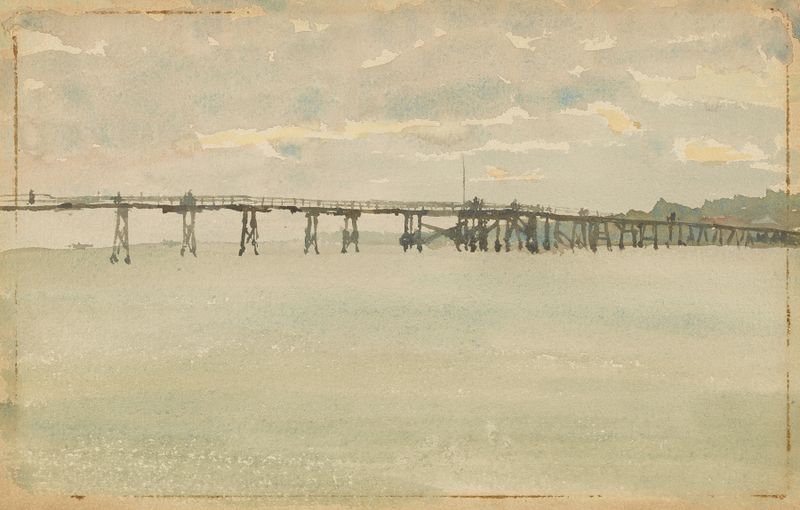
Grey and Silver–Pier, Southend
James Abbott McNeill Whistler





