
Parade Schönbrunn — History & Facts
Could a single brushstroke hold eternity? In the vibrant tapestry of Balthasar Wigand's Parade Schönbrunn, the answer pulses through every layer of color and emotion, inviting contemplation of the ephemeral and the lasting. Look closely at the intricate details that fill the canvas; begin with the jubilant bursts of reds and golds dancing across the surface. Notice how these hues contrast against the muted greens of the background, immediately drawing your gaze to the spirited figures at the forefront. The artist's deft use of light creates a shimmering effect, highlighting the dynamic movements and expressions that convey both joy and celebration.
Each stroke seems to vibrate with life, crafting a scene alive with purpose. Yet, beneath the surface of this dazzling parade lies a deeper emotional landscape. The exuberance of the figures juxtaposes the stillness of the architecture behind them, suggesting a moment caught between motion and pause. The intricate detailing of the costumes encapsulates not just festivity, but also the weight of tradition, as if these individuals are both performers and keepers of a cultural legacy.
This tension between the collective joy and the somber shadows of history evokes a poignant narrative, urging the viewer to reflect on the fleeting nature of such moments. Created during an unspecified yet pivotal period in Wigand's career, Parade Schönbrunn reflects a time of artistic exploration in his life. While the precise date remains unknown, the painting's exuberance aligns with the broader artistic movements of the late 18th century, where celebrations of life and culture were often depicted in vibrantly expressive manners. As Wigand navigated the evolving landscape of European art, he contributed to this dialogue through his unique lens, capturing the essence of his time with unmistakable vibrancy.
More Artworks by Balthasar Wigand
Browse all →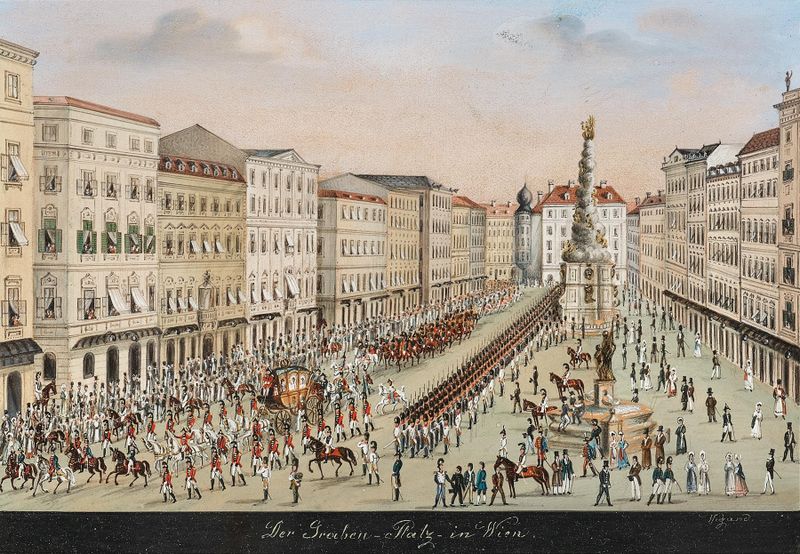
Graben in Vienna with Plague Column, an Imperial coach and a military event
Balthasar Wigand

Wiener Hofburg
Balthasar Wigand

Sewing case
Balthasar Wigand
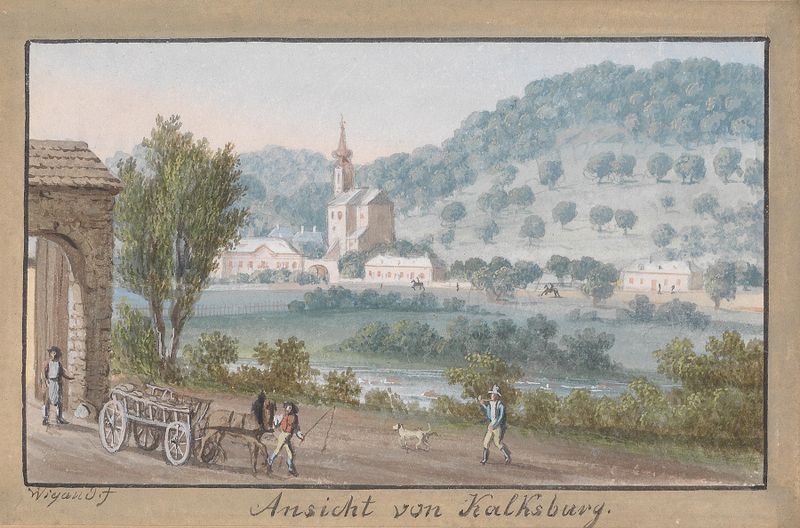
Ansicht von Kalksburg
Balthasar Wigand

Lerchenfelder Linie Große Kirchenparade
Balthasar Wigand
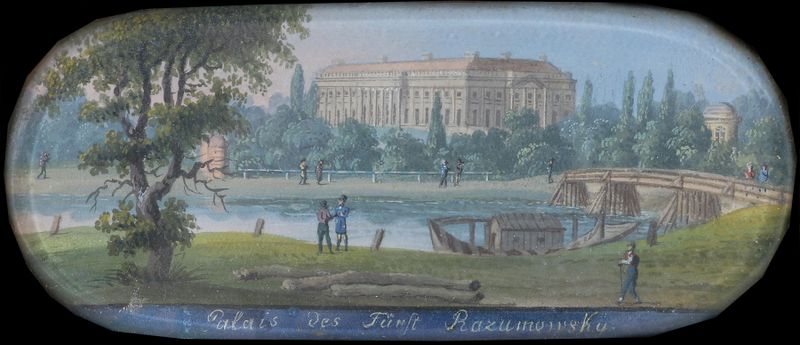
Palais des Fürst Razumowsky
Balthasar Wigand
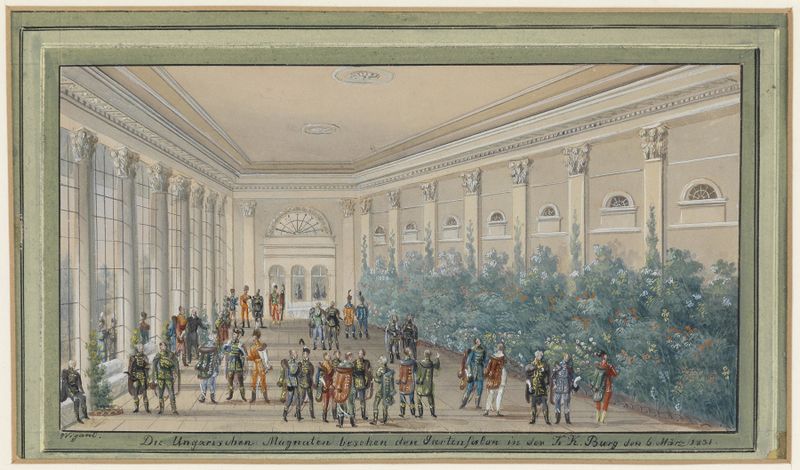
Die Ungarischen Magnaten besuchen den Gartensalon in der Burg
Balthasar Wigand
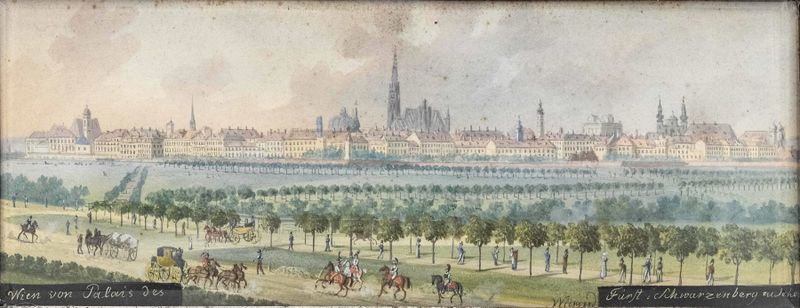
Wien vom Palais Schwarzenberg aus gesehen
Balthasar Wigand
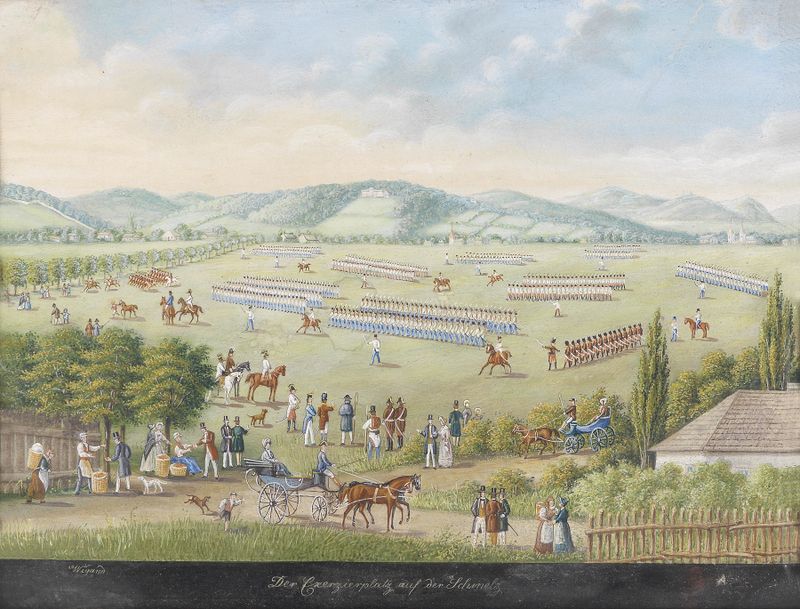
Exerzierplatz auf der Schmelz
Balthasar Wigand
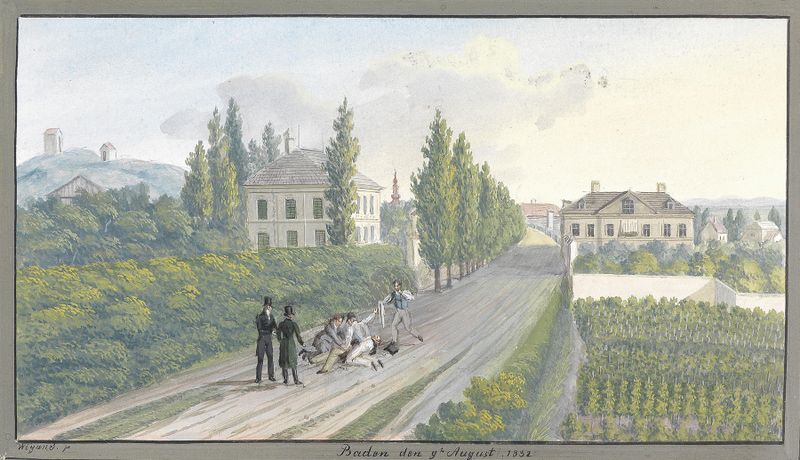
Duell Baden
Balthasar Wigand





