
Parga, Greece — History & Facts
In the delicate interplay of light and color, the fragility of existence is captured with an exquisite tenderness that resonates with our deepest emotions. Focus on the soft hues blending effortlessly in the sky, where azure meets the muted pastels of twilight. The tranquil bay stretches serenely toward the horizon, while the distant hills cradle the town of Parga, their greens and browns a comforting embrace. Notice how Lear’s use of light creates a shimmering effect on the water’s surface, giving life and motion to a scene that feels both timeless and ephemeral.
Each detail, from the quaint architecture to the gentle waves, invites you to linger. But beneath the surface lies a poignant contrast: the vibrant life of the fishing boats against the stillness of the setting sun. There is a sense of both tranquility and longing, the boats seemingly tethered to a past journey while the day quietly fades away. This tension speaks to the fragility of moments, reminding us of the beauty inherent in both the familiar and the transient. In 1864, the artist found himself in a world where the weight of Romanticism still lingered as he painted this scene in Greece.
Lear, known for his landscapes and illustrations, was at a crossroads in his life, seeking solace in the beauty of nature while navigating personal struggles. This period marked a time when artists were beginning to embrace the emotive potential of light and color, and Lear’s choice to depict the serene yet fleeting beauty of Parga reflects his response to the changing tides of the art world.
More Artworks by Edward Lear
Browse all →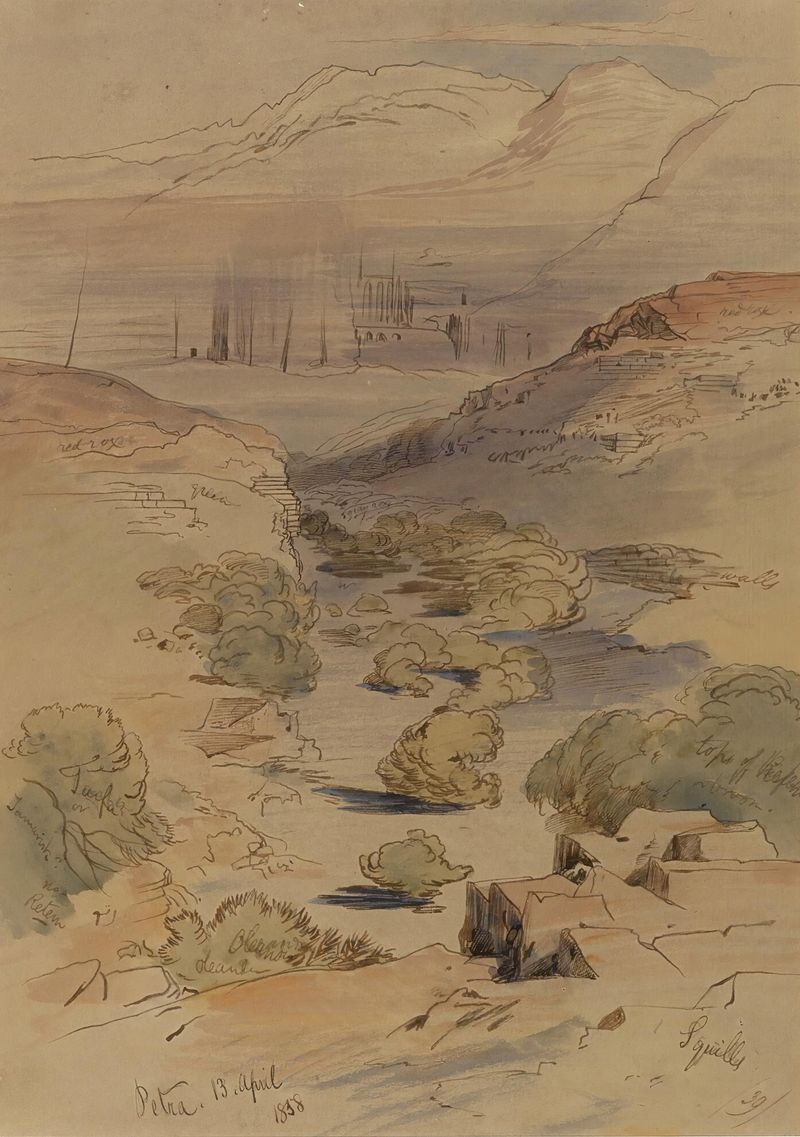
Petra
Edward Lear
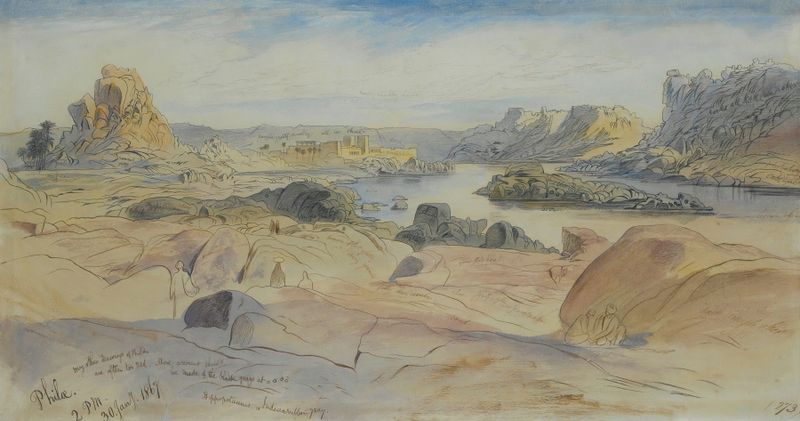
Philae, Egypt
Edward Lear
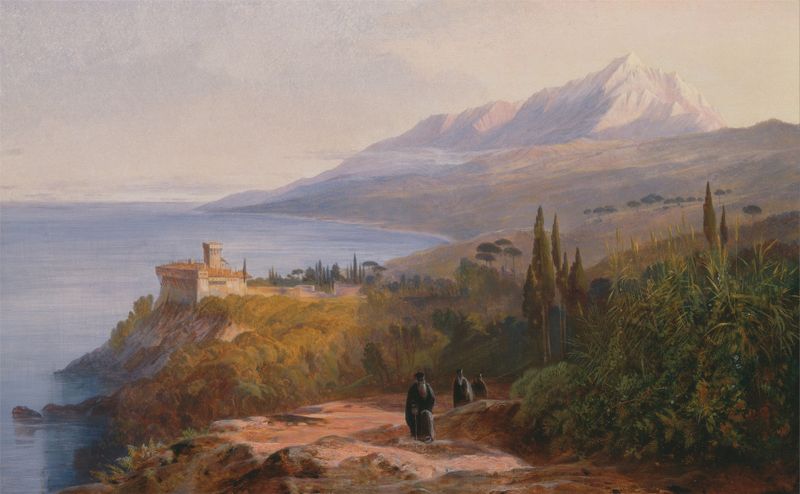
Mount Athos and the Monastery of Stavronikétes
Edward Lear
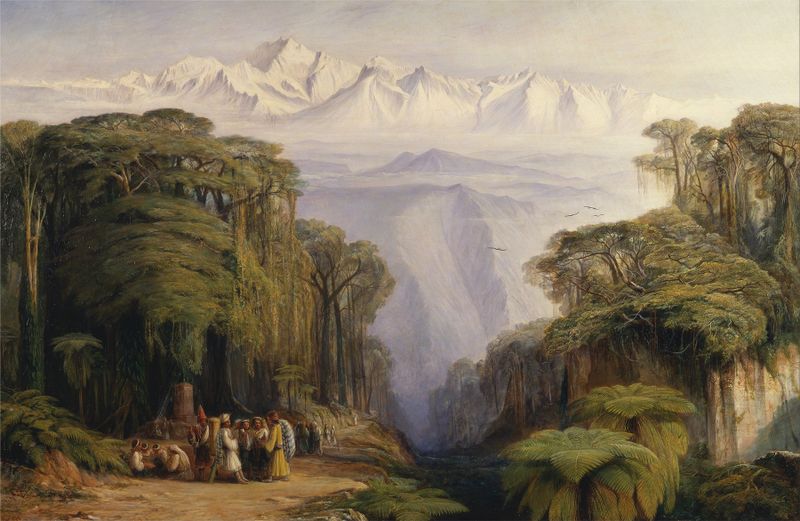
Kangchenjunga from Darjeeling
Edward Lear
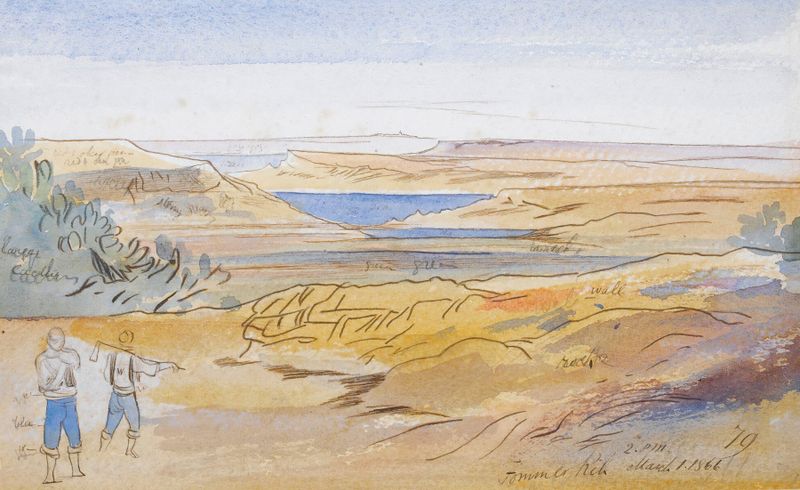
Fomm Ir-Rih, Malta
Edward Lear
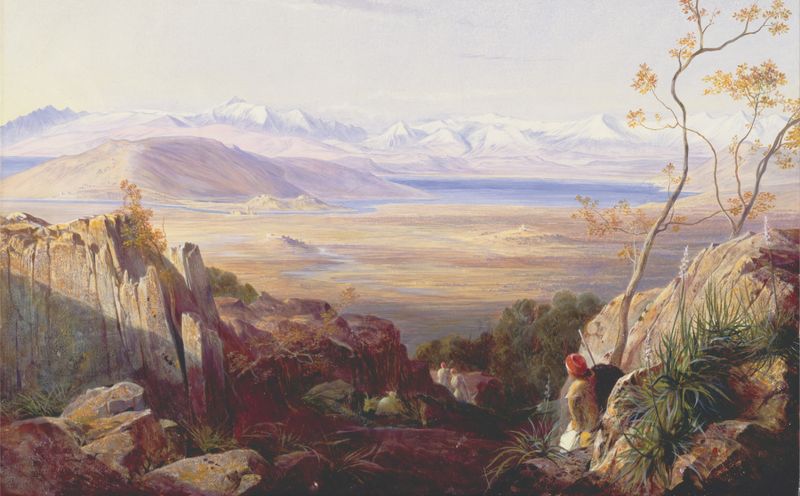
Butrinto, Albania
Edward Lear
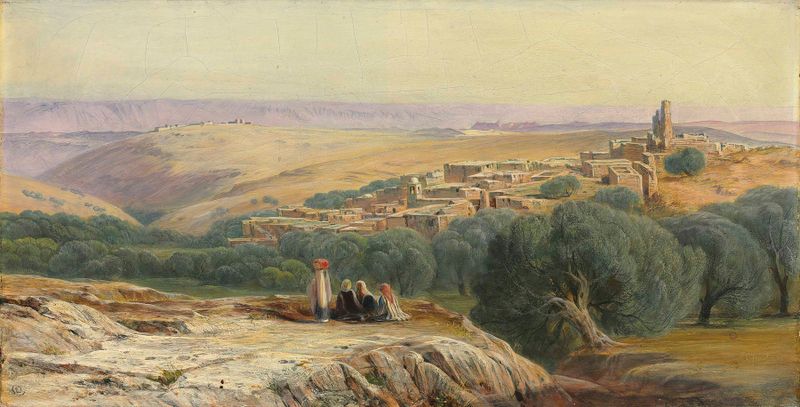
The Plains of Bethany
Edward Lear

Karnak, 9-30 pm, 22 January 1867
Edward Lear
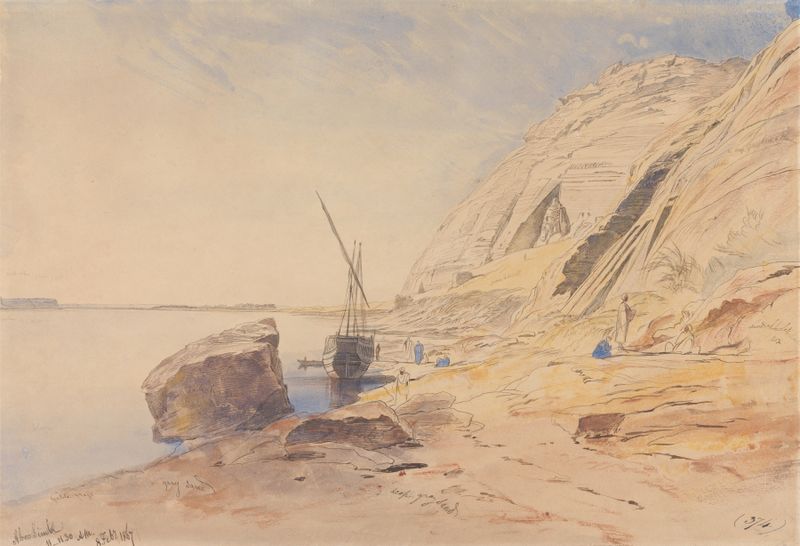
Abu Simbel, 11-11;30 am, 8 February 1867 (374)
Edward Lear

A View Of Mount Athos And The Pantokrator Monastery, Greece
Edward Lear





