
Paris, la place du Théâtre du Châtelet — History & Facts
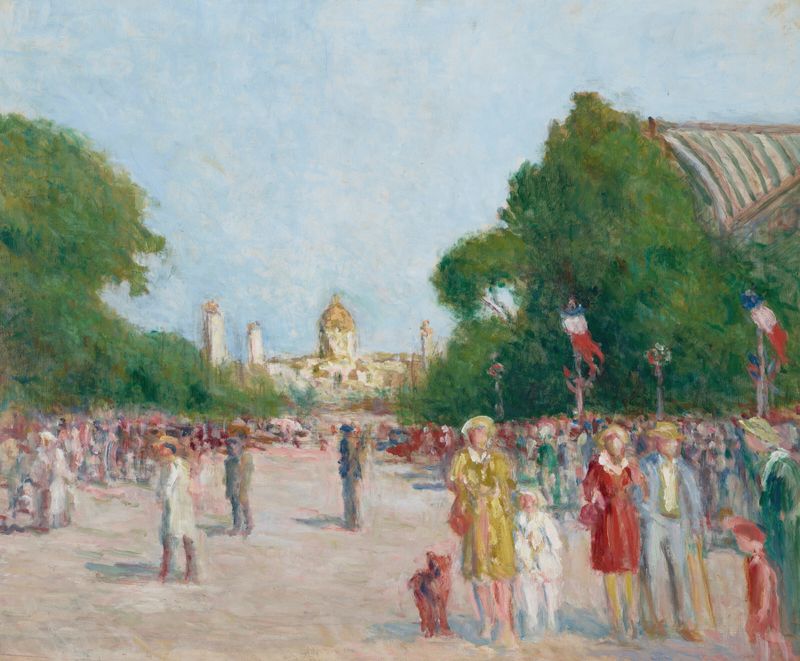
Shadows dance across the cobblestones, whispering secrets of a bygone era. In this moment captured on canvas, Paris breathes — alive with the hum of life and the echoes of laughter that linger like perfume in the air. Look to the left where the soft, golden light spills from the theatre, illuminating the figures gathered outside. The artist’s brush strokes breathe life into the scene, rendering the play of light and shadow with remarkable clarity.
Notice the contrasting hues of blue and ochre that define the architecture, while dappled shadows stretch like fingers, creating a sense of depth and movement, inviting your gaze deeper into the bustling square. Within this vibrant tableau, the interplay between light and shadow transcends mere aesthetics; it expresses the tension between memory and the fleeting nature of time. The shadows, elongated and dark, serve as a reminder of what the passage of time obscures, while the vibrant figures embody the vibrancy of the present. There’s a poignant contrast between the joyous crowd and the looming darkness, capturing the essence of both celebration and inevitable change. In 1900, while creating Paris, la place du Théâtre du Châtelet, Maximilien Luce was deeply influenced by the Impressionist movement in Paris, where innovative techniques flourished.
This was a time of artistic revolution, as the city buzzed with excitement over the upcoming Exposition Universelle. Luce, a conscientious observer of modern life, sought to encapsulate the spirit of the city, merging light and shadow to evoke the complex emotions of its people amid the city's burgeoning vibrancy.
More Artworks by Maximilien Luce
Browse all →
Le Quai Montebello Et La Colline Sainte-Geneviève
Maximilien Luce

Le Pont-Neuf, La Seine, Petit Bras
Maximilien Luce
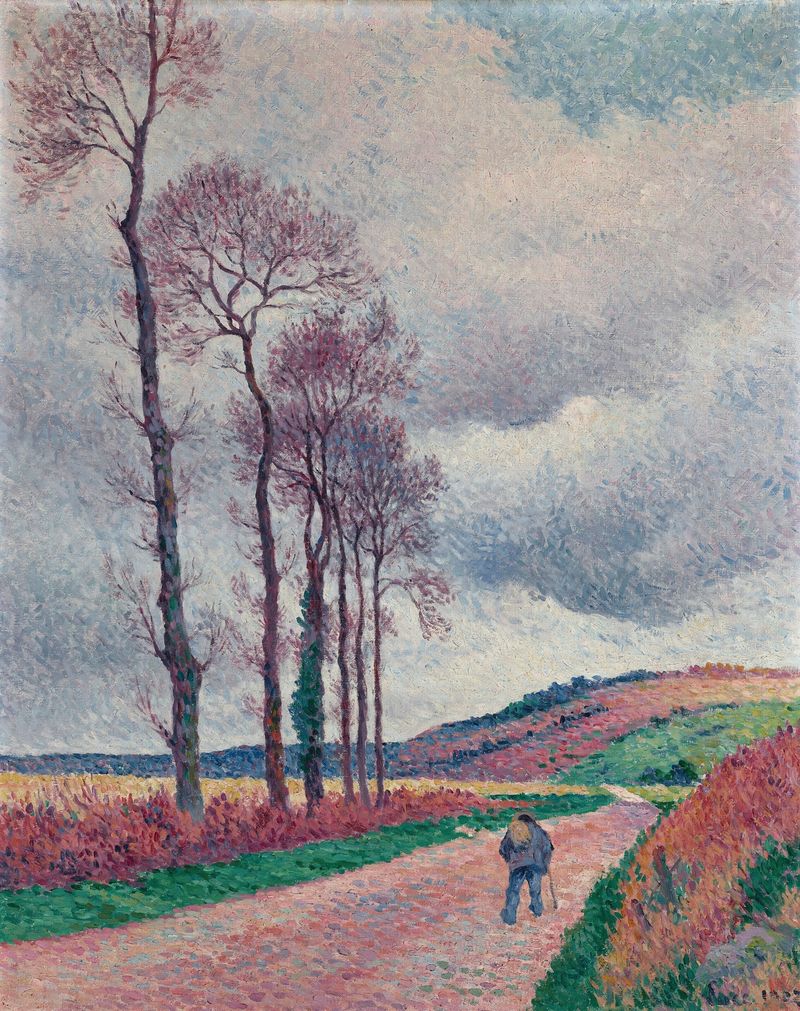
La route aux environs de Méréville
Maximilien Luce
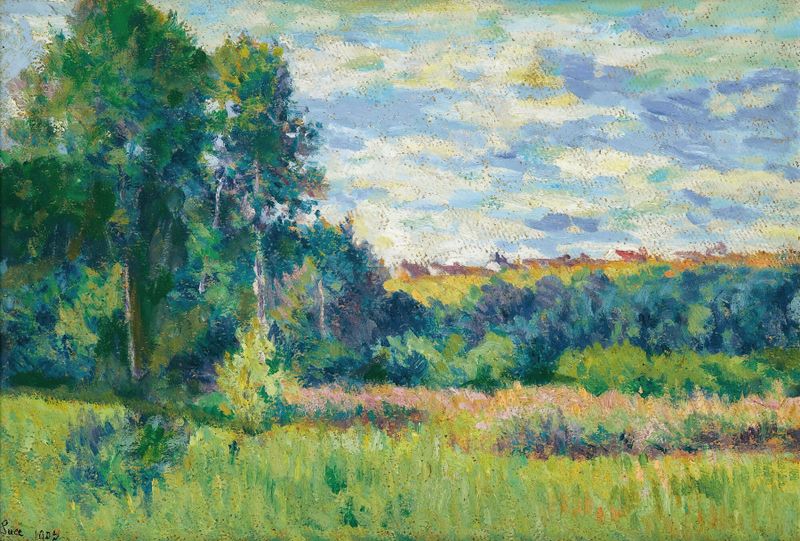
Paysage
Maximilien Luce
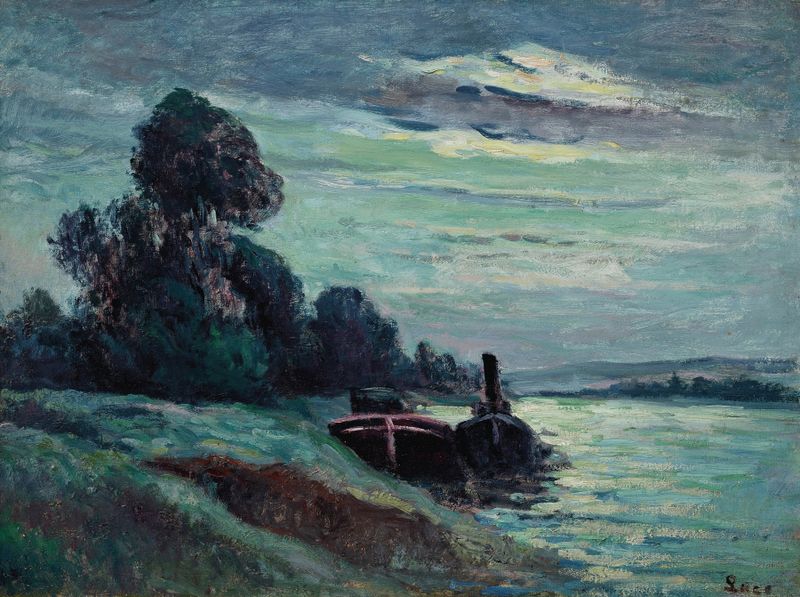
Péniches sur la Seine
Maximilien Luce

Notre Dame de Paris
Maximilien Luce
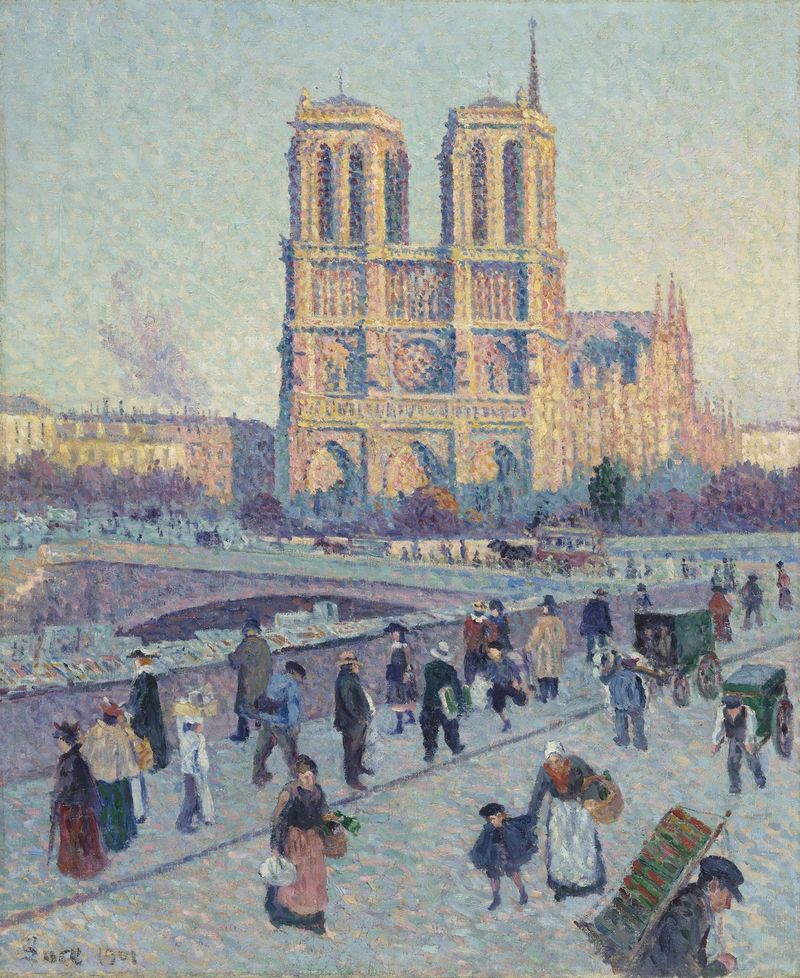
The Quai Saint-Michel and Notre-Dame
Maximilien Luce

La Seine au Pont Mirabeau
Maximilien Luce
L’avenue Winston-Churchill, Paris
Maximilien Luce

Paris, Le Quartier De Vaugirard
Maximilien Luce





