
Paris – Point du Vert-Galant — History & Facts
In a fleeting moment of stillness, the empty landscape breathes an air of profound solitude, inviting introspection amid the chaotic hum of life. Look to the lower part of the canvas where the river meets the shore, its gentle curve drawing the eye toward the distant horizon. The muted palette of soft greens and blues captures a serene twilight, while delicate brushstrokes create a sense of flowing water, suggesting both movement and stillness. Notice how the sky, tinged with hints of purple, reflects upon the water's surface, merging the boundaries between earth and sky, mirroring the stillness of the scene. Beneath the tranquil harmony lies a poignant contrast — the absence of human figures amplifies the sense of emptiness.
The quietness of the landscape evokes feelings of isolation, while the soft transition of colors hints at the passage of time. This stillness speaks to the fleeting nature of existence, capturing a moment where the ordinary dissolves into the sublime, revealing both beauty and melancholy in equal measure. In 1903, Pankiewicz was in Paris, navigating the vibrant yet tumultuous art scene of the time. The turn of the century was marked by a shift toward modernism, and the artist was influenced by Impressionism while also seeking to forge his own path.
This painting reflects both his reverence for landscapes and his desire to convey deeper emotional truths, a testament to his quest for authenticity amidst the evolving world of art.
More Artworks by Józef Pankiewicz
Browse all →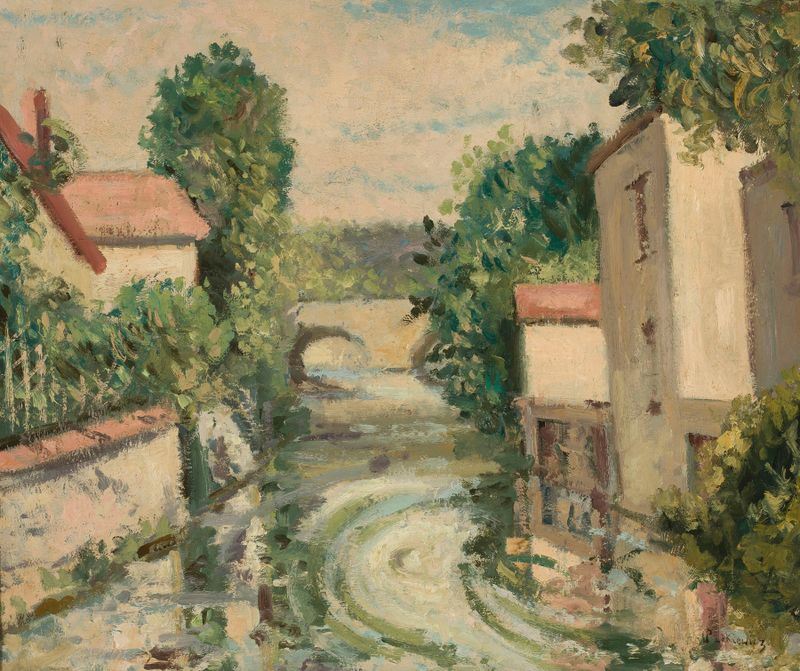
Landscape
Józef Pankiewicz

Cab in the Rain
Józef Pankiewicz
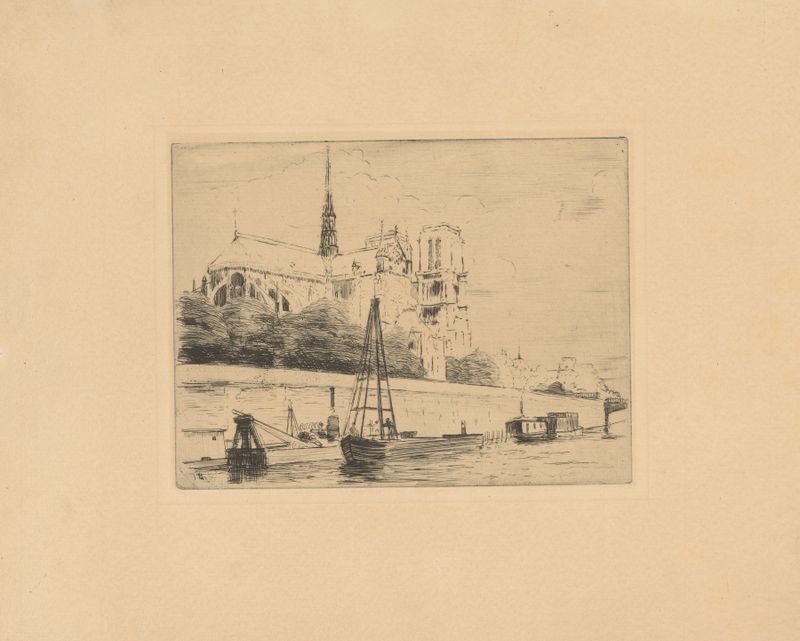
Notre Dame Cathedral in Paris
Józef Pankiewicz
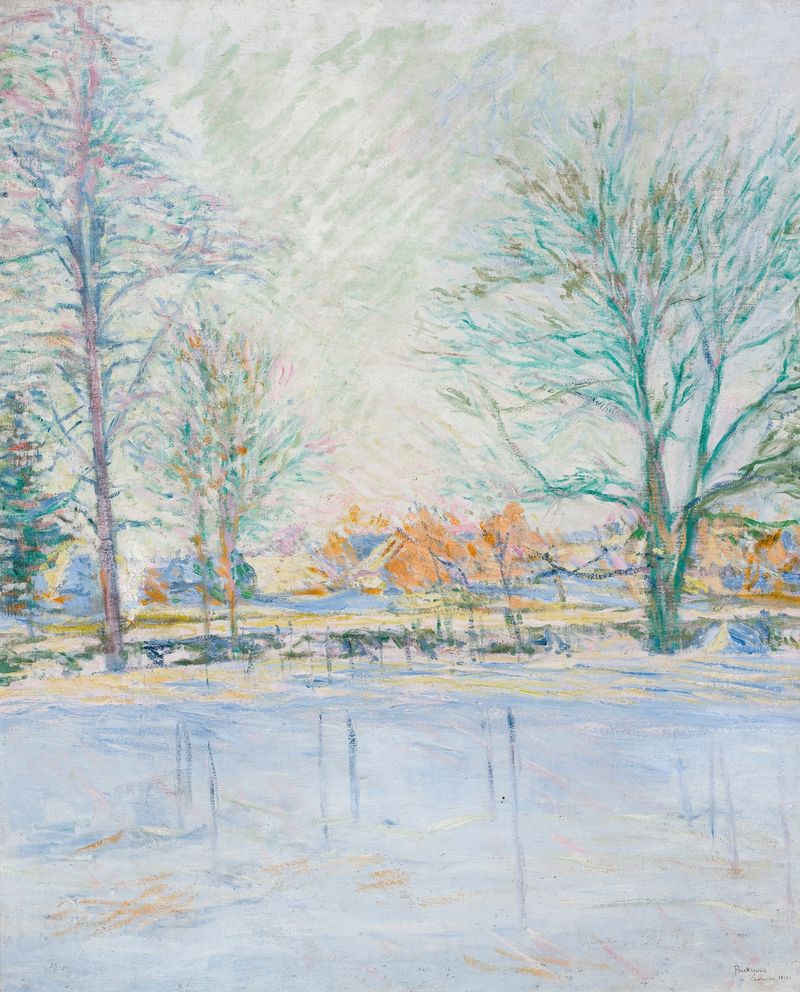
Landscape from Czarnolas
Józef Pankiewicz
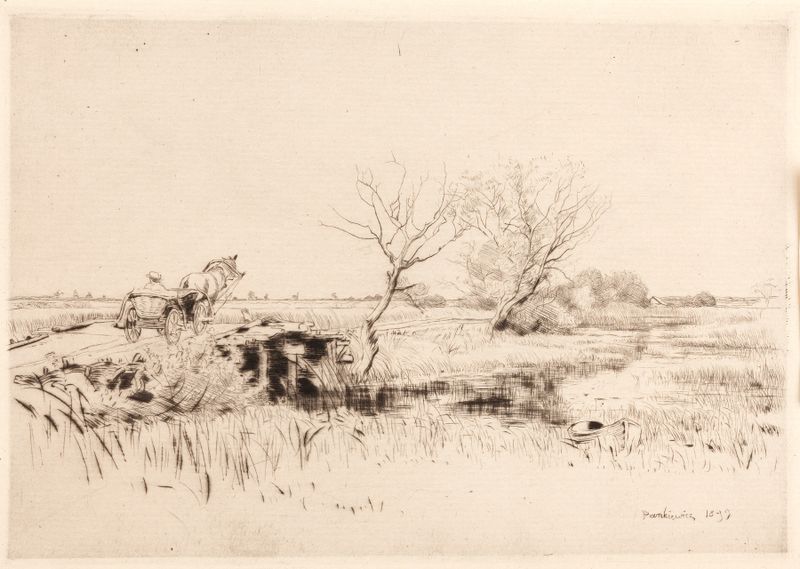
Pińsk Channel in Polesie I
Józef Pankiewicz
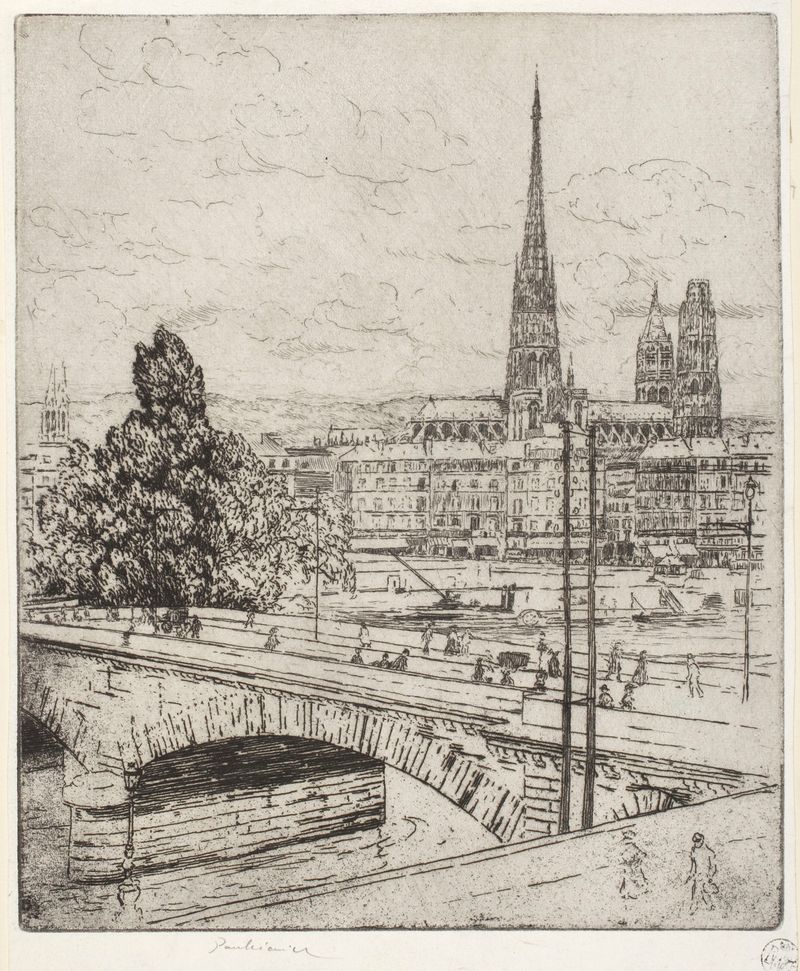
Pont Corneille in Rouen
Józef Pankiewicz
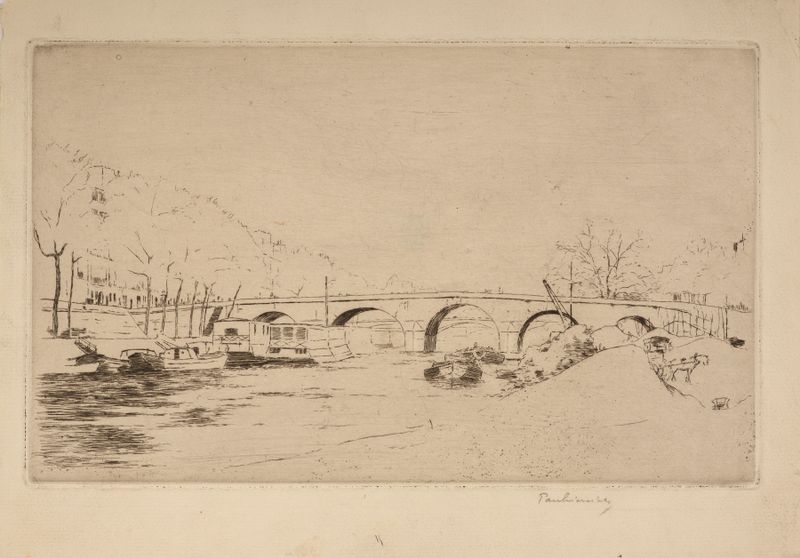
Pont Marie in Paris
Józef Pankiewicz

Rouen – portal from the Church of St Maclou
Józef Pankiewicz
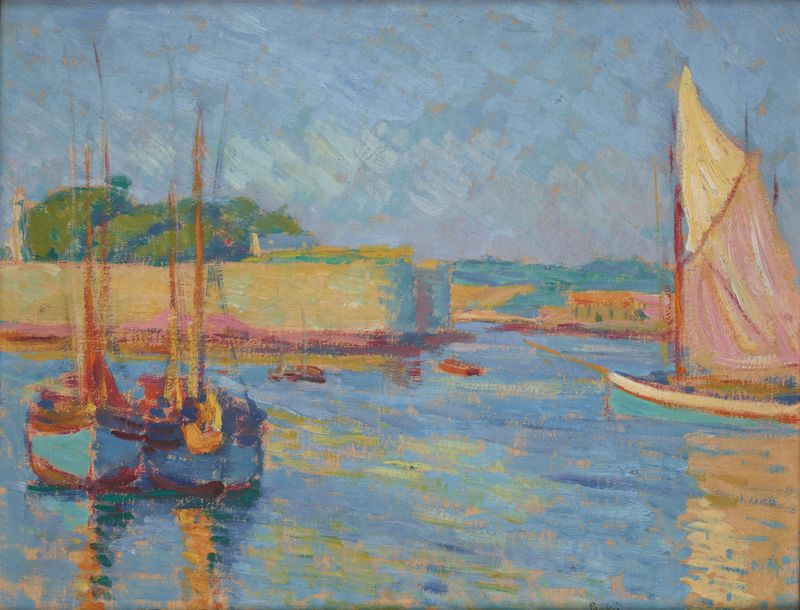
Harbour at Concarneau
Józef Pankiewicz
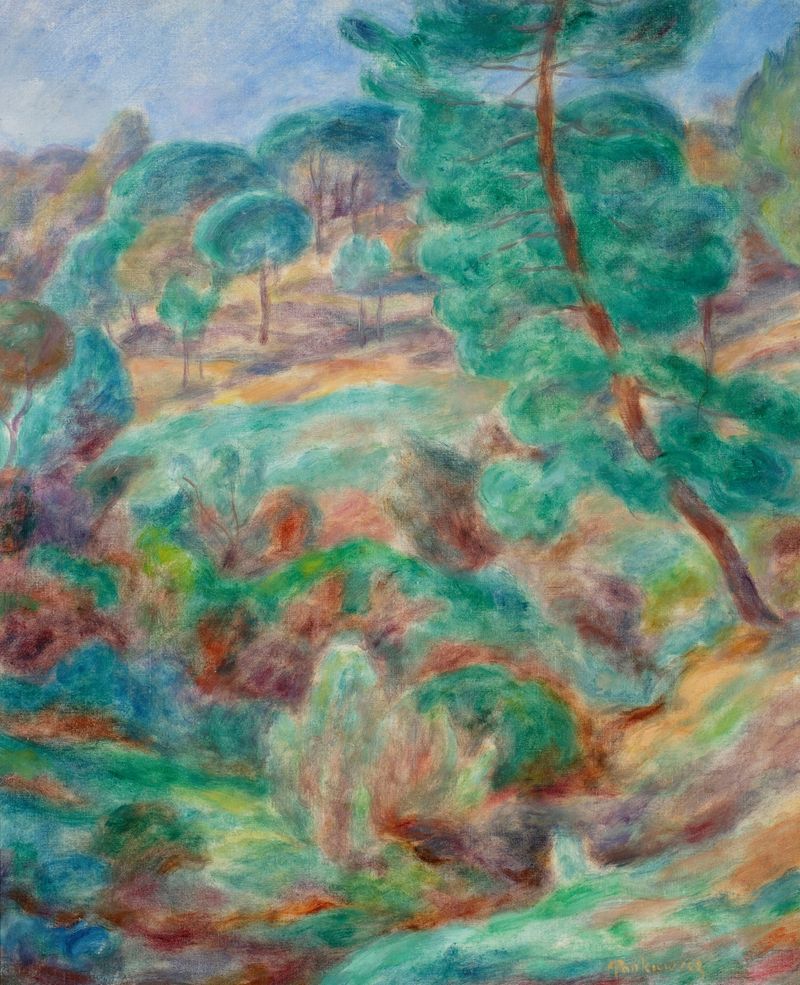
Landscape from Saint-Tropez – Stone pines
Józef Pankiewicz





