Park in Kösen — History & Facts
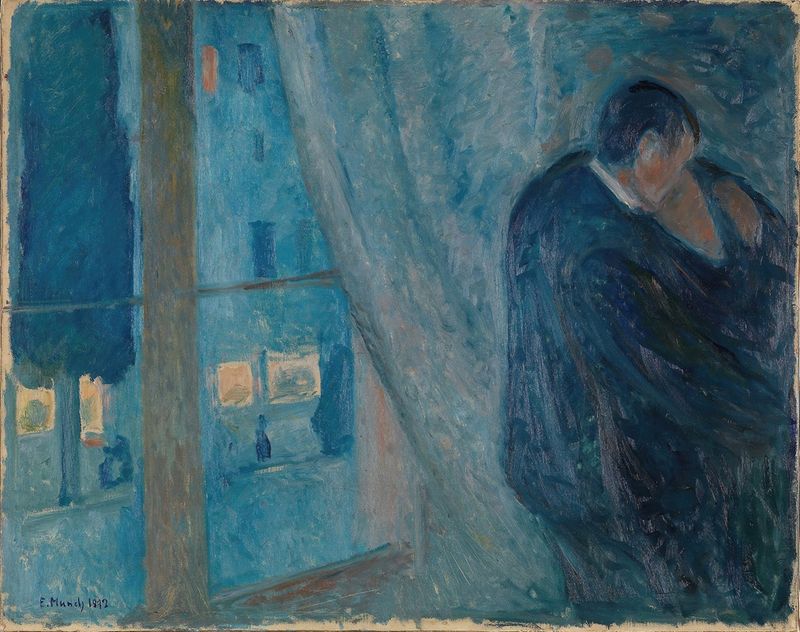
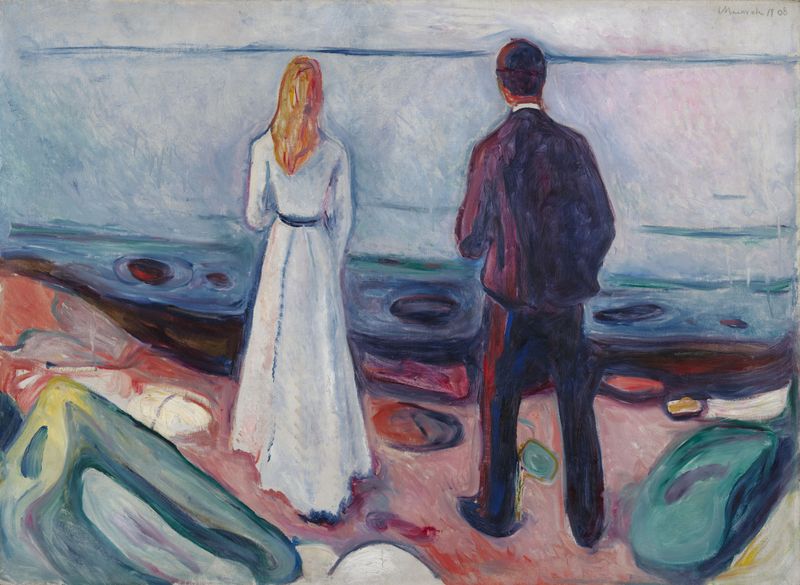
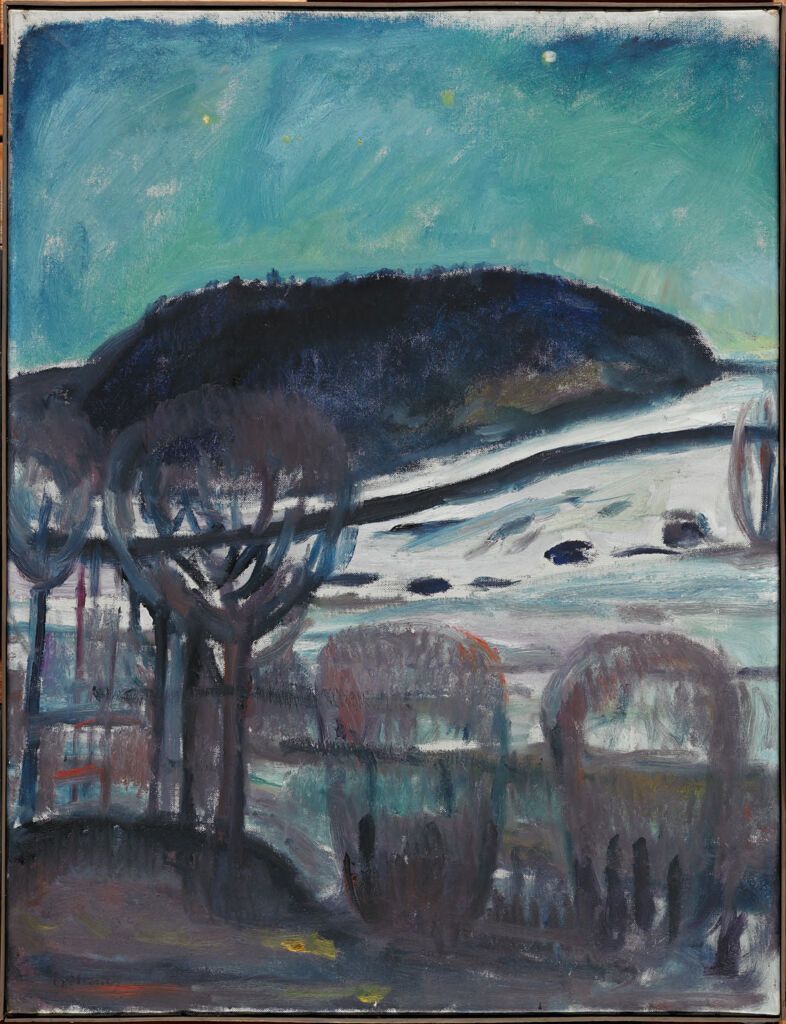
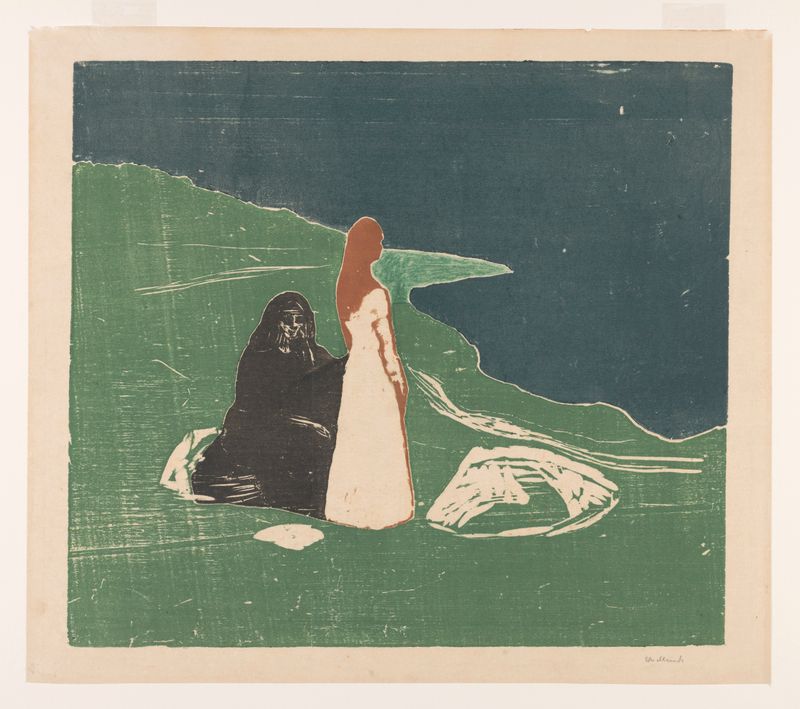
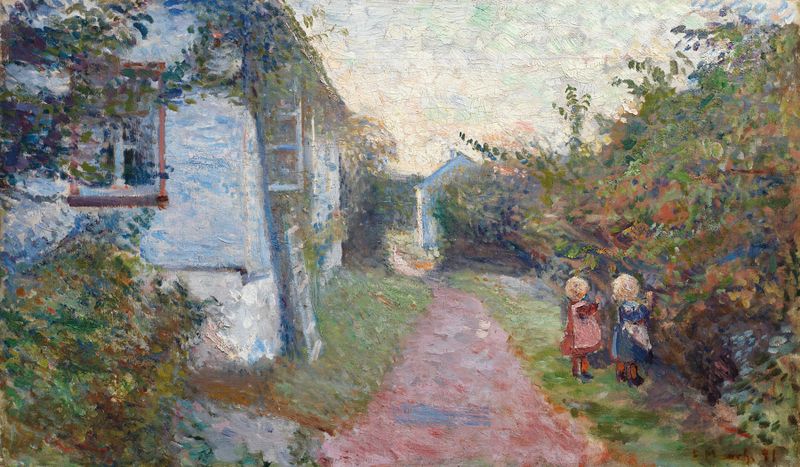
This sentiment embodies the journey of rebirth, where beauty emerges from turmoil, evoking a longing for transformation. Look closely at the vivid strokes of color that define the landscape. The vibrant greens of the foliage seem to pulse with life, while the dappled sunlight filters through the trees, casting playful shadows on the path. Notice how the swirling brushwork invites your gaze to dance across the canvas, leading you deeper into the scene.
The figures, though small, are captured mid-action, their movements becoming a harmony of joy and serenity that transcends the chaos of the surrounding world. The interplay of light and shadow reveals the emotional undercurrents of the artwork. The bright patches symbolize hope and renewal, contrasting with the darker hues lurking at the edges, suggesting past struggles. Each figure appears to encapsulate a moment of quiet reflection amidst life's noise, hinting at the complexities of human experience—joy intertwined with melancholy.
This tension resonates throughout the piece, as if inviting the viewer to contemplate their own journey of growth and transformation. In 1906, while creating this work, the artist was grappling with personal and artistic challenges. Living in Norway, Munch sought to express profound emotions through his art, aligning himself with the Symbolist movement, which sought to delve into the human psyche. This period marked a significant evolution in his style, as he pursued the delicate balance between expression and form, ultimately capturing the essence of rebirth and the beauty that arises from chaos.