
Partia z Masarykovho námestia — History & Facts
Can beauty exist without sorrow? In Partia z Masarykovho námestia, Jaroslav Dobrovolský opens a window to a moment of awakening, inviting contemplation of how joy and melancholy intertwine in the human experience. Look to the center of the canvas, where an expansive square unfolds. Sunlight dances across the cobblestones, illuminating figures engaged in everyday activities, their postures a mixture of leisure and urgency. The deep blues and warm yellows create a contrast that pulls the eye, encouraging the viewer to explore the relationships between people and their environment.
The soft brushstrokes reveal a sense of motion, as if the scene itself is alive, vibrating with energy beneath the artist's careful hand. Yet, amid the vibrant life, shadows emerge. Note the figures walking in opposite directions, their gazes averted, suggesting an underlying disconnection despite their shared space. The contrasting colors evoke a sense of longing, as if each character carries unseen burdens.
The light serves as a painterly metaphor for both hope and the fleeting nature of joy, hinting at the duality of existence: beauty is often tinged with a quiet sorrow. In 1929, Dobrovolský painted this piece during a time of transition in Czechoslovakia, as the nation sought its identity amid political and cultural shifts. The post-World War I landscape was marked by optimism yet riddled with uncertainty. This work reflects the artist's own exploration of his surroundings as he navigated the complexities of modernity, capturing a snapshot of life that resonates with both its vibrancy and its underlying tensions.
More Artworks by Jaroslav Dobrovolský
Browse all →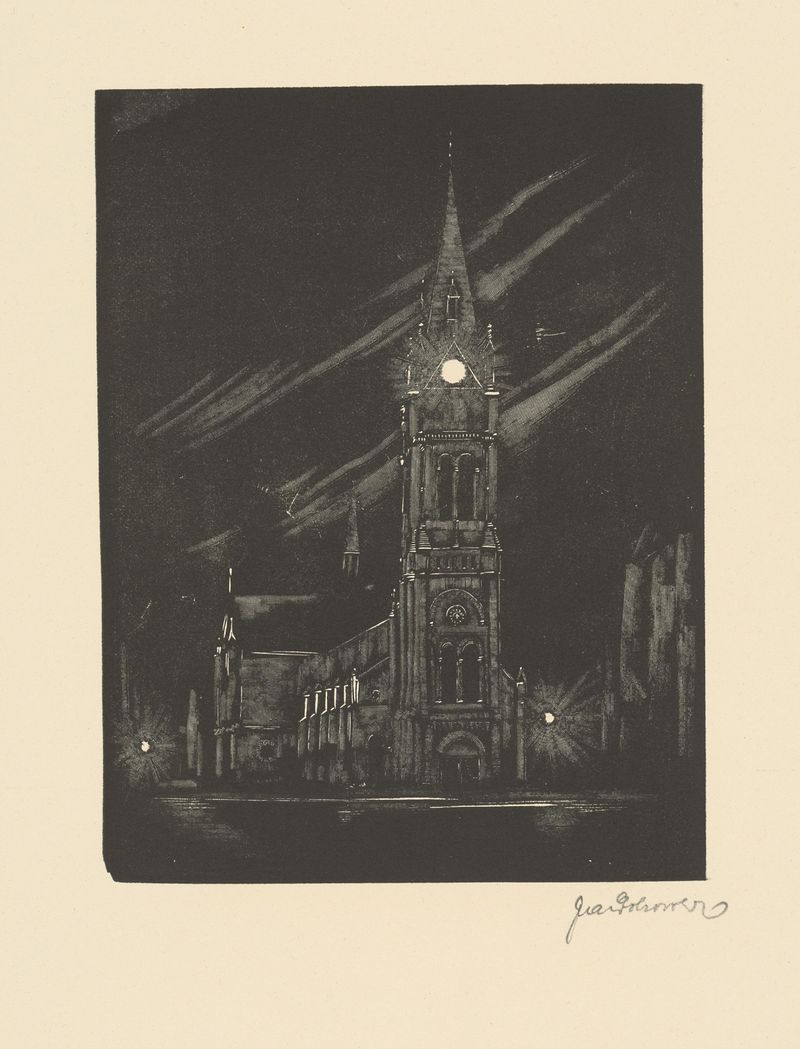
Blumentálsky kostol
Jaroslav Dobrovolský
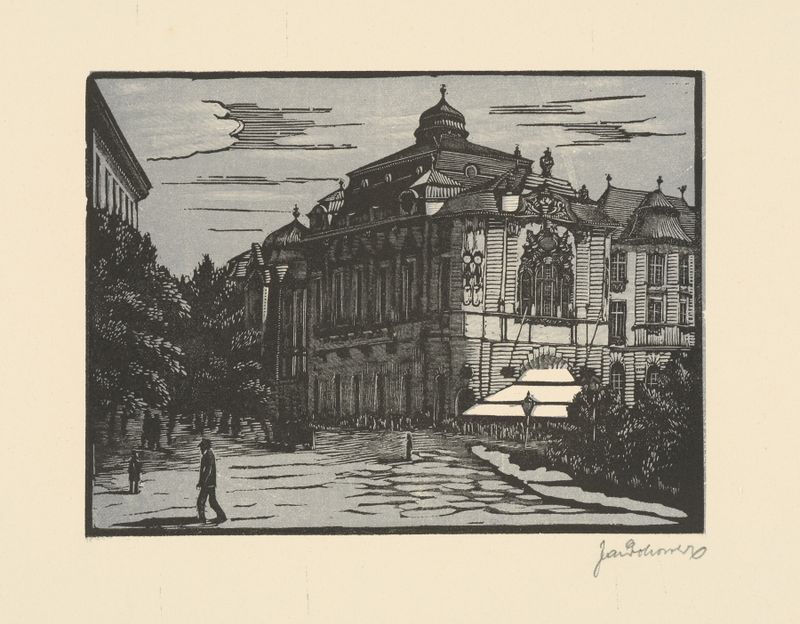
Reduta
Jaroslav Dobrovolský
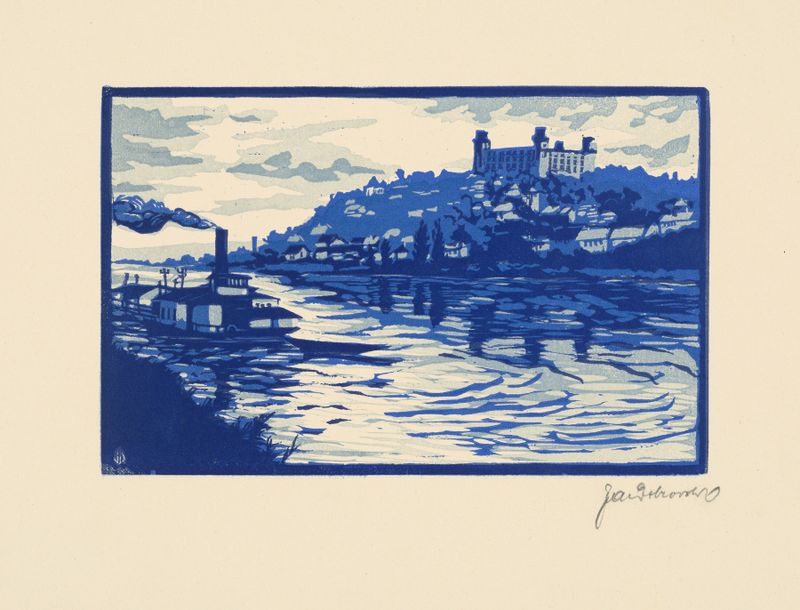
Pohľad z Petržalky
Jaroslav Dobrovolský
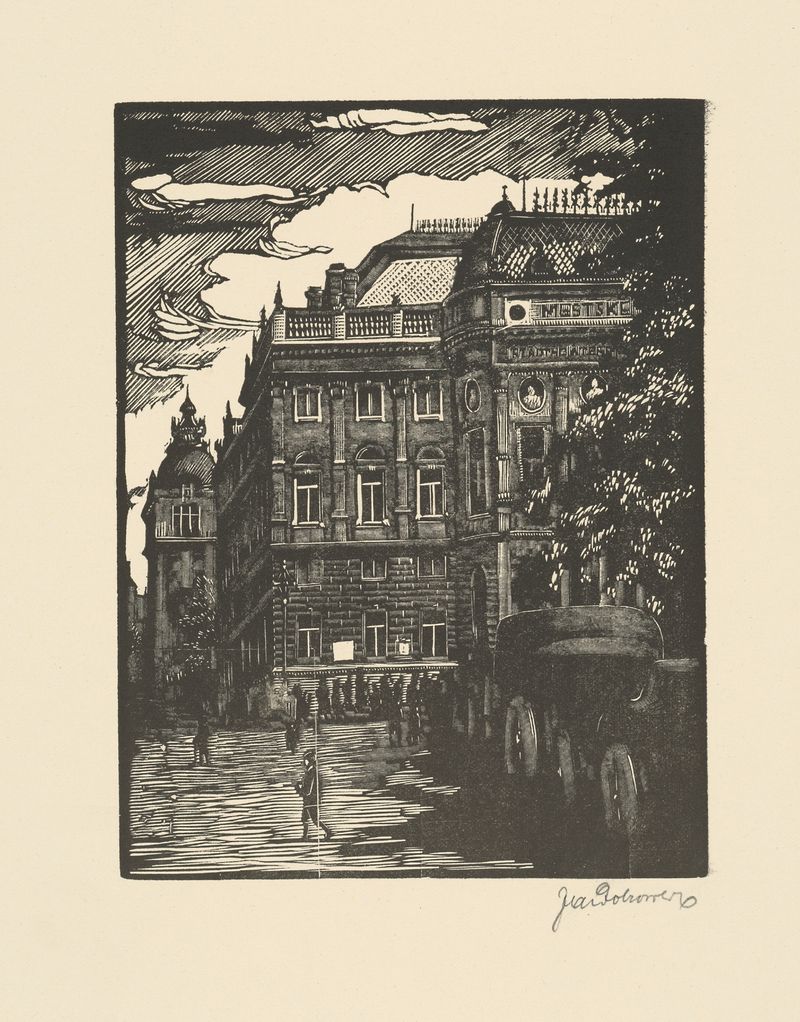
Mestské divadlo
Jaroslav Dobrovolský
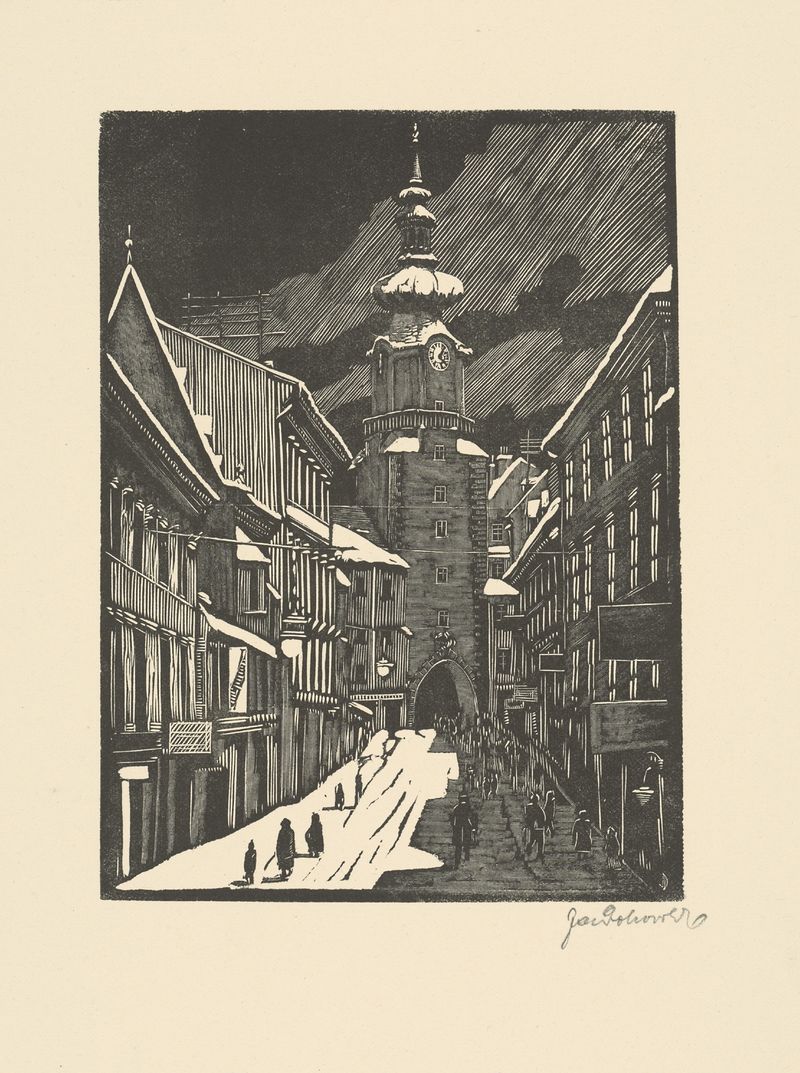
Michalská brána
Jaroslav Dobrovolský
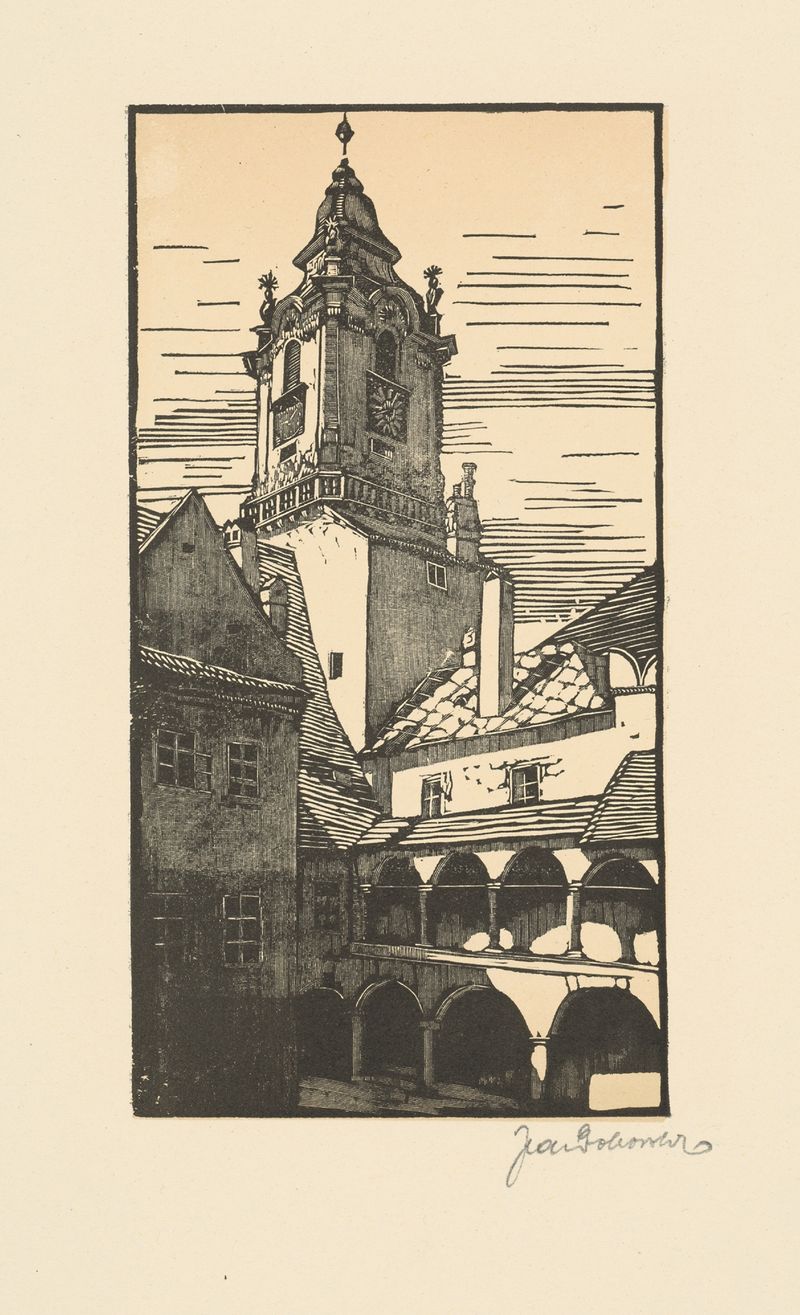
Dvor Starej radnice
Jaroslav Dobrovolský
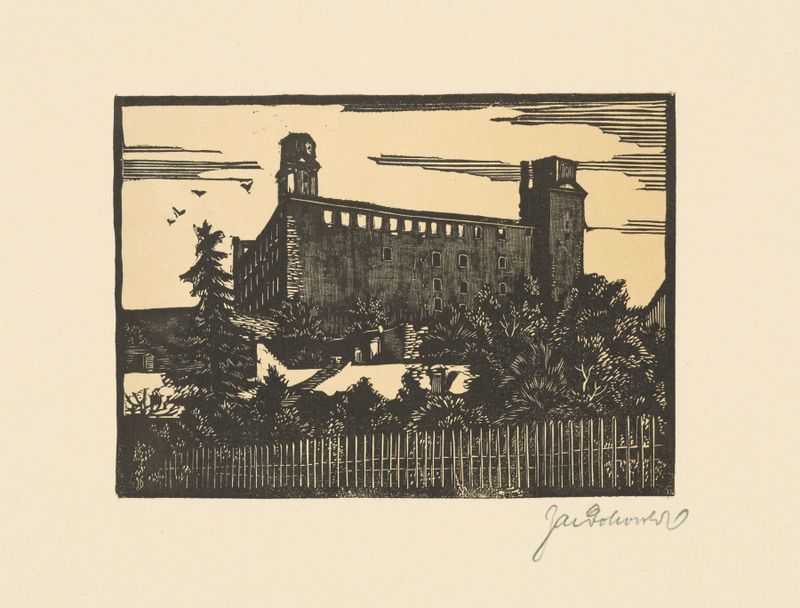
Hrad
Jaroslav Dobrovolský
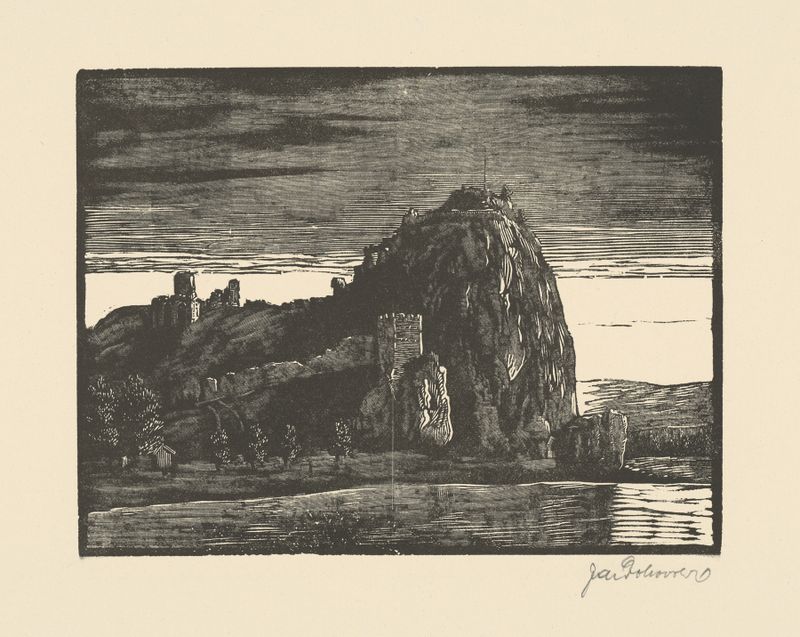
Devín
Jaroslav Dobrovolský
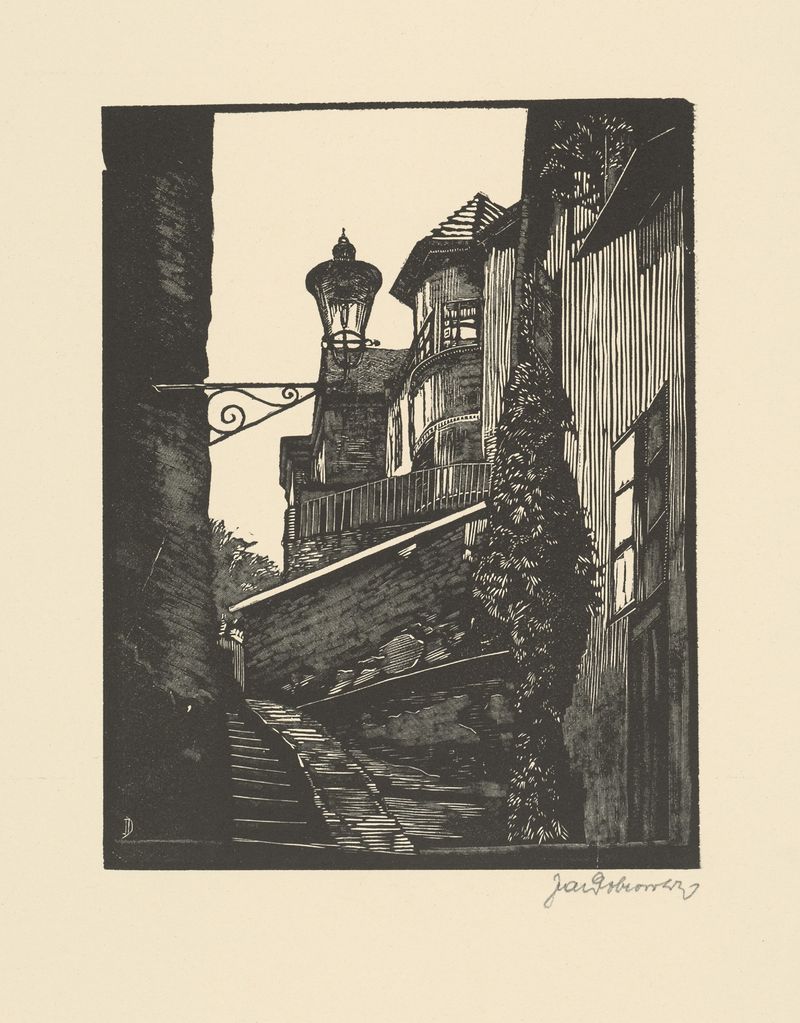
Zbytok mestského múru
Jaroslav Dobrovolský
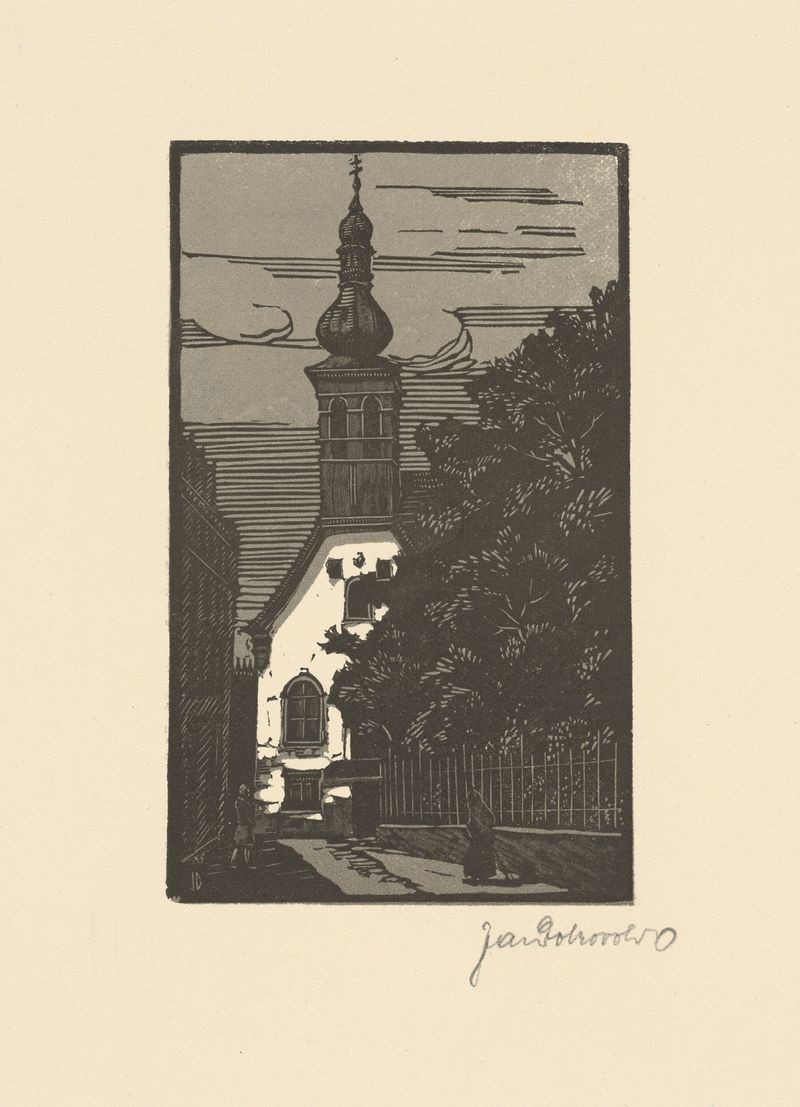
Kostolík Uršuliniek
Jaroslav Dobrovolský





