
Passage from Kanonia Street to Św. Jana Street — History & Facts
When did color learn to lie? The canvas whispers secrets of revolt, capturing a moment where the vibrancy of life collides with the somber reality of its strife. Focus on the center, where a narrow alleyway invites the viewer into a world suspended in time. The muted hues of gray and brown dominate the scene, punctuated by splashes of unexpected color that seem to pulse with an inner life. Notice how the light filters through the shadowy expanse, creating a dance of illumination on the cobblestone.
Each brushstroke reveals a meticulous attention to detail, guiding your gaze up the passage to the distant, beckoning light—a metaphorical escape. Within this constrained space, a tension emerges between the vibrant colors and the darkened surroundings. The juxtaposition of light and shadow speaks to the struggle for hope in a city weighed down by uncertainty. Hidden figures appear, their forms blending with the surroundings, representing the resilience of the human spirit amidst societal upheaval.
Each element—be it the crumbling walls or the flickering light—carries a deeper narrative of revolution and transformation. In 1916, as Europe braced for the aftermath of war, the artist explored these themes while living in Poland. Jabłczyński was deeply influenced by the shifting political landscape and the burgeoning movements in art that sought to reflect these changes. This work captures a moment in time where the world outside was rife with conflict, yet within the confines of his canvas, he dared to envision a passage to something brighter.
More Artworks by Feliks Jabłczyński
Browse all →
Villa Borgia in Rome
Feliks Jabłczyński

Mariensztat Street in Warsaw
Feliks Jabłczyński
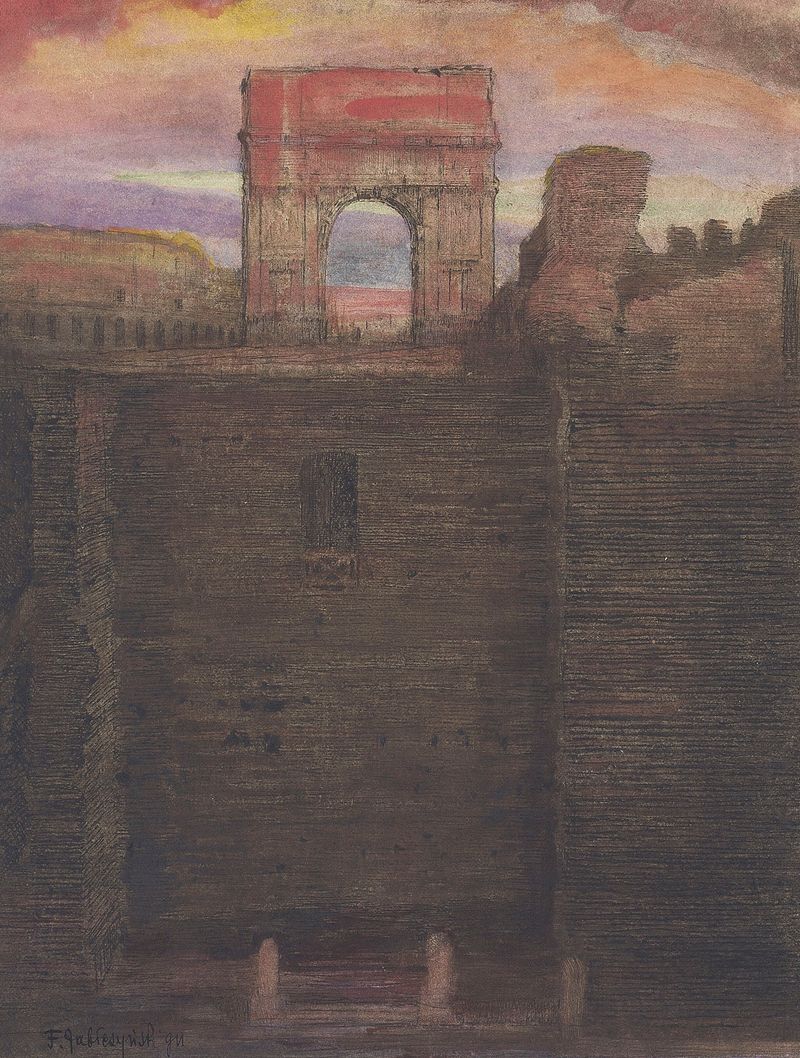
The House of Vestals and the Arch of Titus in the background
Feliks Jabłczyński
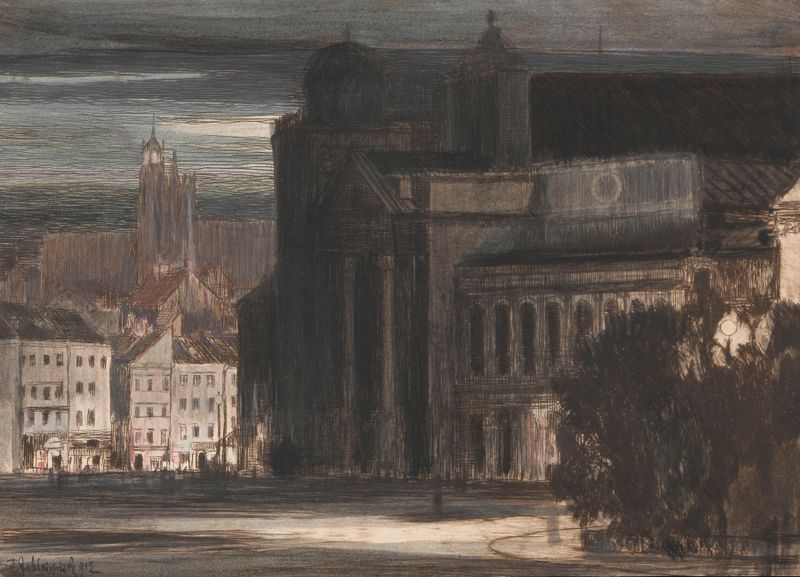
View of the Church of St. Anna and the Castle Square in Warsaw
Feliks Jabłczyński

Kaplica Boimów we Lwowie
Feliks Jabłczyński
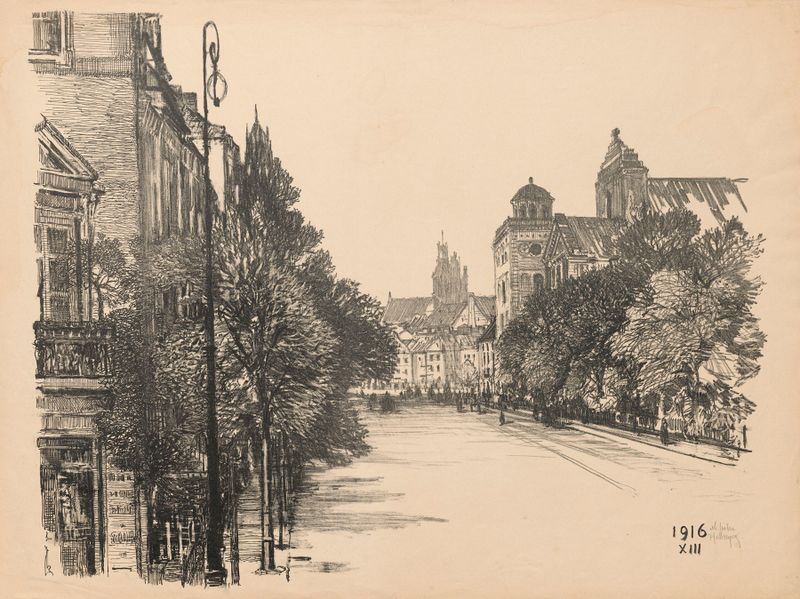
Krakowskie Przedmieście Street
Feliks Jabłczyński
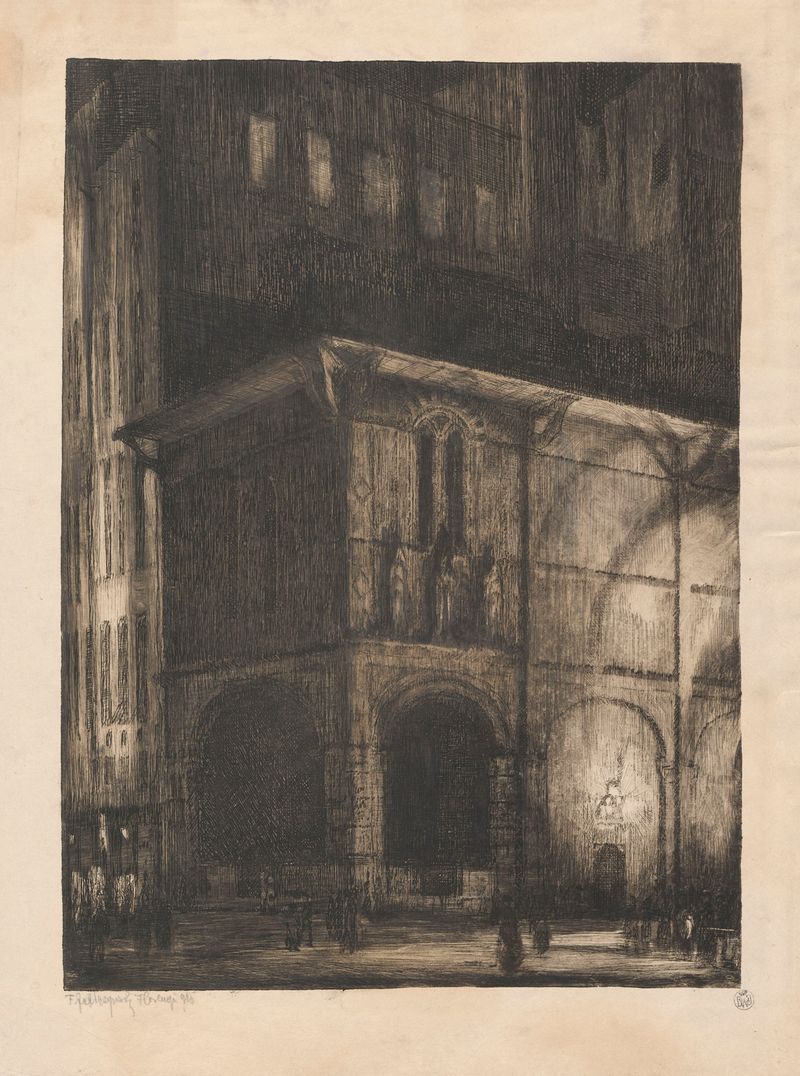
Florence
Feliks Jabłczyński
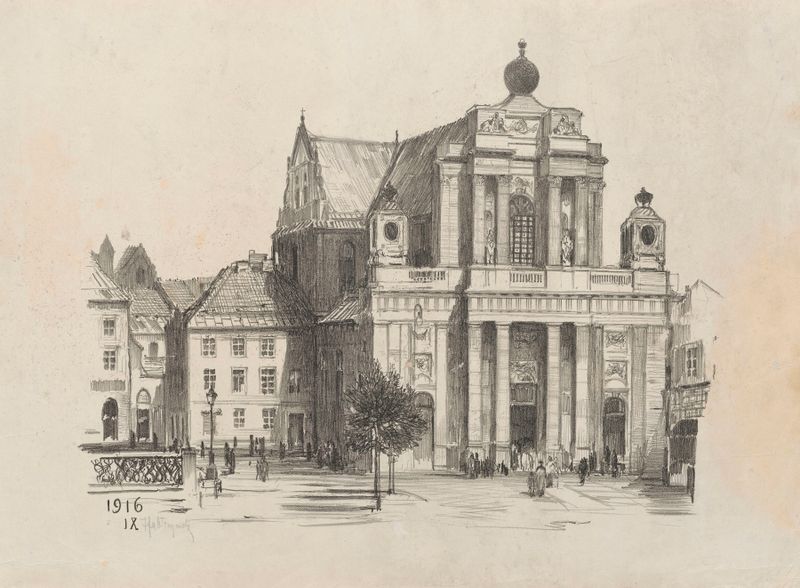
Carmelite Church.
Feliks Jabłczyński

The Visitation Sisters Church
Feliks Jabłczyński
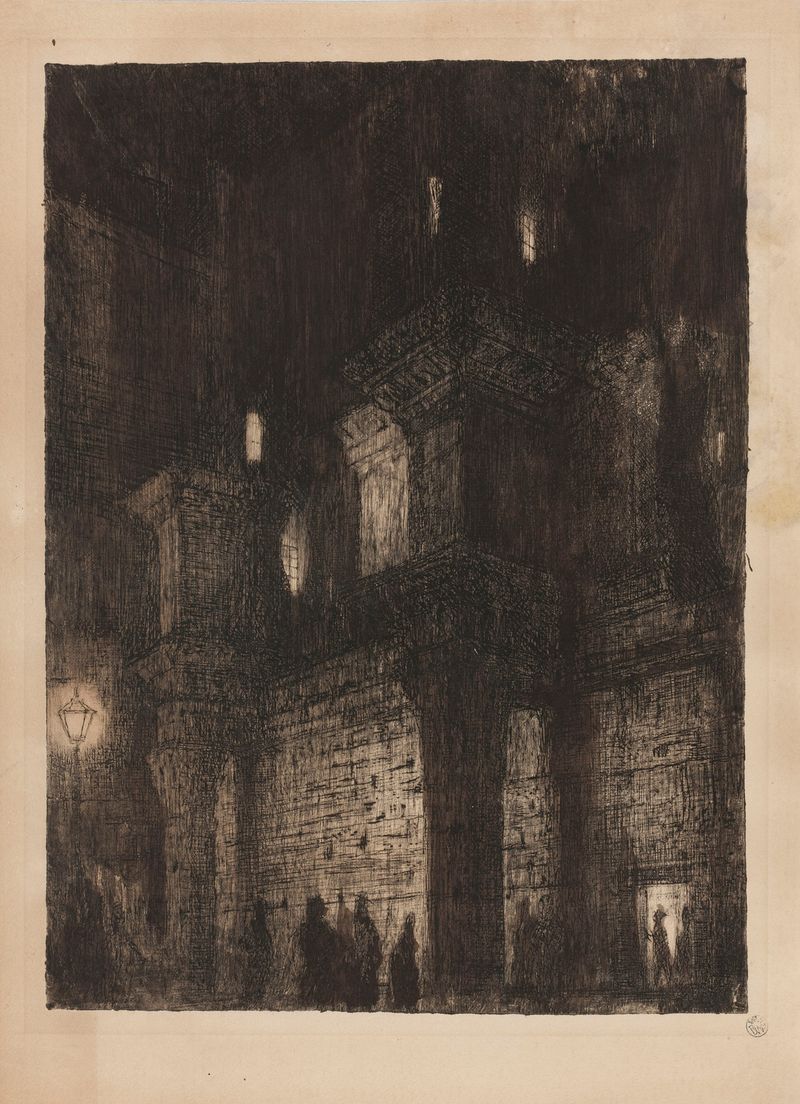
Forum Nervae
Feliks Jabłczyński





