
Passage Saint Jean de Latran. — History & Facts
When did color learn to lie? In the vibrant brushstrokes of this piece, an eternal conversation unfolds between truth and illusion, urging us to reconsider the nature of rebirth. Focus first on the intricate play of light that dances across the surface, guiding your gaze through the narrow passageway. The brilliant hues of ochre and cerulean invite a sense of warmth amidst the cool shadows, suggesting a hidden life beyond the archway. Notice the delicate details of the architecture—the crumbling stone juxtaposed with lush greenery, embodying both decay and renewal, while the artist's deft hand captures an ephemeral moment where the mundane meets the divine. Delve deeper into the emotional tension within the piece.
The contrasting elements of light and dark speak not just of physical space but of spiritual journeys. The passage, with its fleeting light, symbolizes movement between realms, hinting at the potential for transformation. Each brushstroke evokes a story of resilience, echoing the cycles of life where beauty can emerge from the remnants of the past. In 1854, while in Paris, the artist immersed himself in the burgeoning realism movement, seeking to capture everyday experiences with a fresh perspective.
This period was marked by a desire to break free from traditional conventions, as artists explored the interplay of light and color. Bénard's work reflects this zeitgeist, presenting a narrative of rebirth through the lens of contemporary life, intertwined with the rich history of the city surrounding him.
More Artworks by Auguste-Sébastien Bénard
Browse all →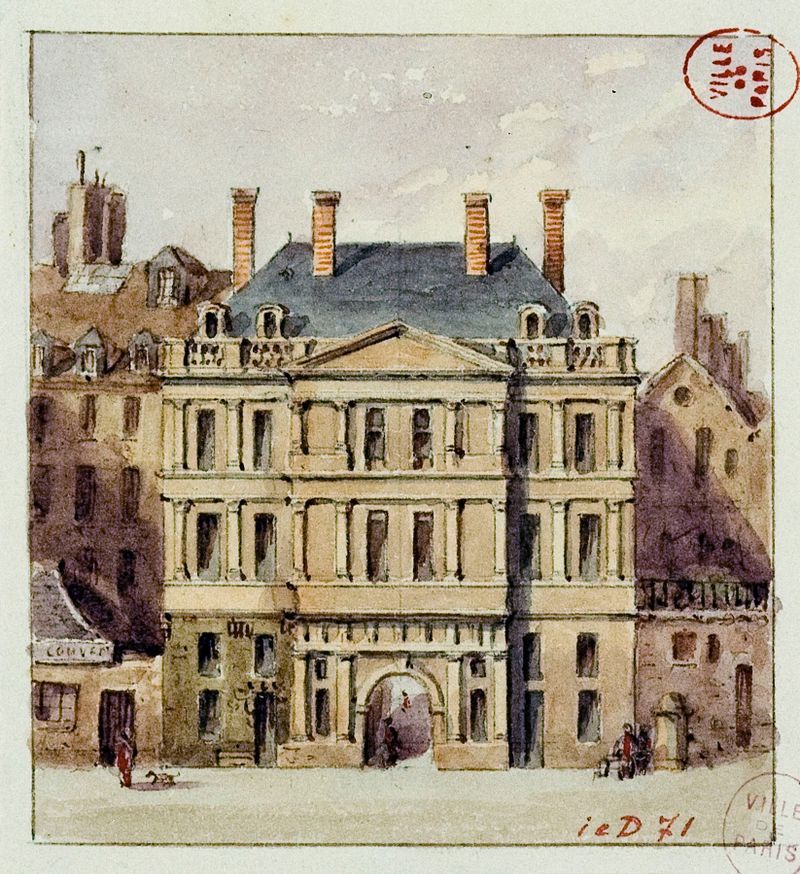
Cour de la Sainte Chapelle.
Auguste-Sébastien Bénard
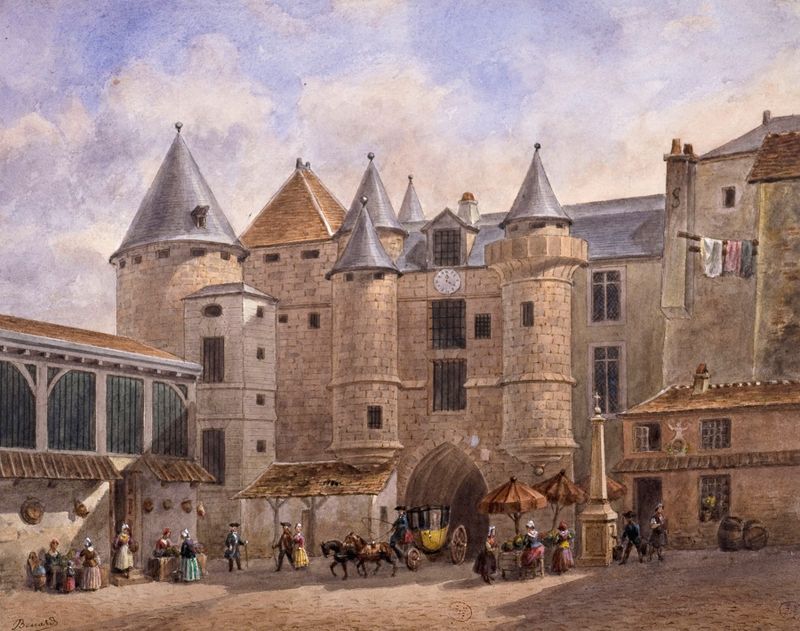
Le Grand Châtelet du XVIIIème siècle.
Auguste-Sébastien Bénard

Place de l’Hôtel de Ville.
Auguste-Sébastien Bénard

Salle souterraine du Palais de Justice.
Auguste-Sébastien Bénard

Voûtes du quai de Gesvres
Auguste-Sébastien Bénard

Monument expiatoire élevé à la mémoire du duc de Berry, à l’emplacement de l’ancien Opéra
Auguste-Sébastien Bénard
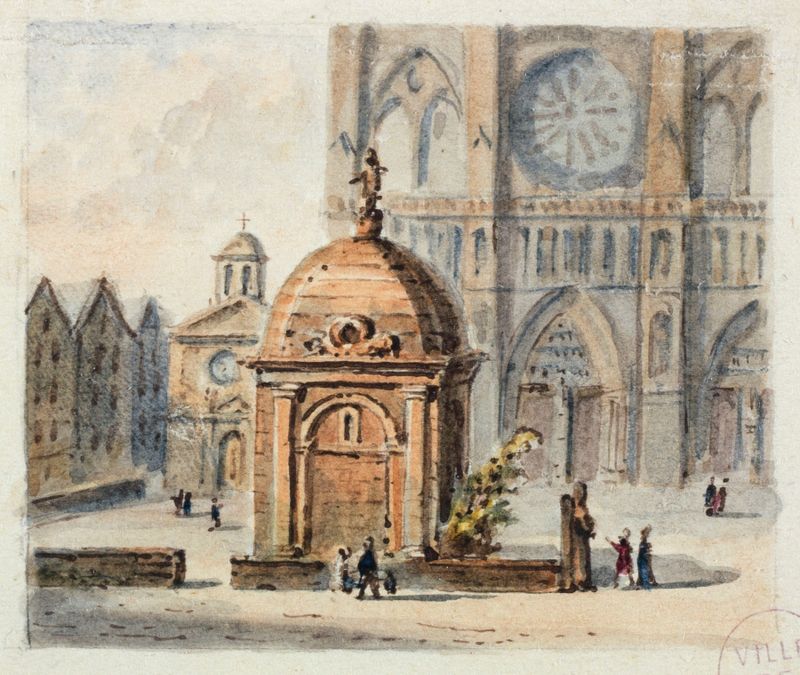
Le parvis de Notre-Dame de Paris
Auguste-Sébastien Bénard

Rue des chantres (entre le quai aux fleurs et la rue Chanoinesse).
Auguste-Sébastien Bénard

L’entrée de l’ancienne forteresse du Grand Châtelet, un jour de Carnaval
Auguste-Sébastien Bénard
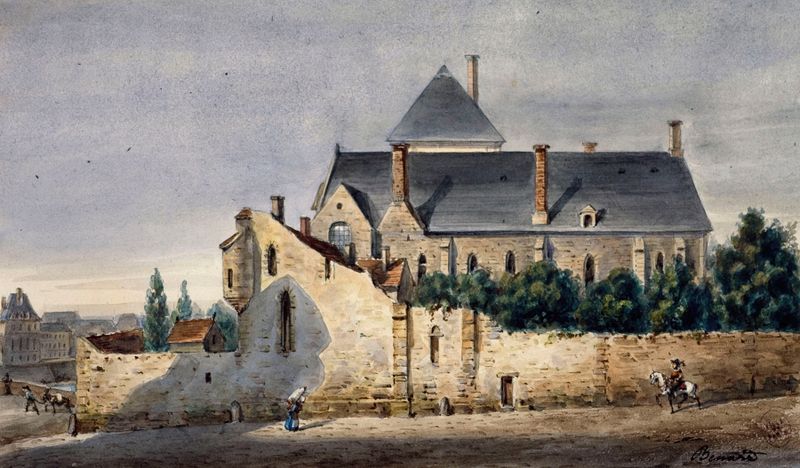
Les restes des bâtiments de l’hôtel du Petit Bourbon.
Auguste-Sébastien Bénard





