
Paysage de campagne avec usines — History & Facts
What secret hides in the quiet of the canvas? In Paysage de campagne avec usines, the stillness of the landscape whispers tales of solitude, where nature and industry collide, revealing an unexpected intimacy in their coexistence. Look to the left at the soft, rolling hills, a canvas of muted greens and browns that cradle the industrial structures rising sharply from the earth. The factories, stark and angular, contrast against the gentle curves of the countryside, their presence a reminder of human ambition. Notice how the light plays delicately across the scene, illuminating patches of grass while casting long shadows that hint at an unseen tension beneath the surface. Delve deeper into the emotional undertone of the painting.
The absence of human figures amplifies the sense of isolation, where the chimneys silently emit their smoke, a stark reminder of the industrial age encroaching upon the tranquility of rural life. The juxtaposition of the serene landscape with the looming factories invites contemplation about progress and the loneliness that often accompanies it. It questions whether civilization truly enhances our existence or merely fills it with noise. Created between 1877 and 1878 during Gauguin's time in rural Brittany, Paysage de campagne avec usines emerged from a period of searching for personal and artistic identity.
As he embraced the bold colors and forms that would later define his oeuvre, the artist grappled with the transformation of society, capturing the tension between the pastoral and the industrial in a rapidly changing world.
More Artworks by Paul Gauguin
Browse all →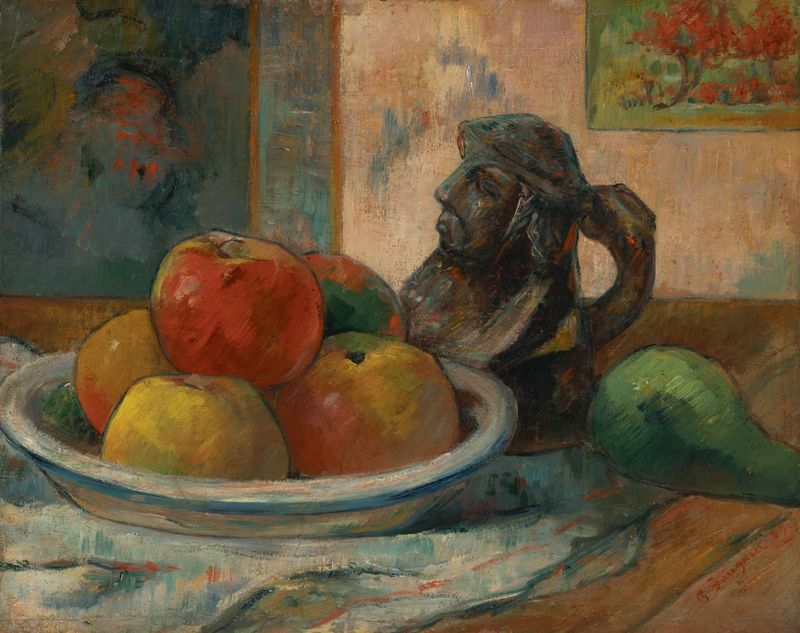
Still Life with Apples, a Pear, and a Ceramic Portrait Jug
Paul Gauguin
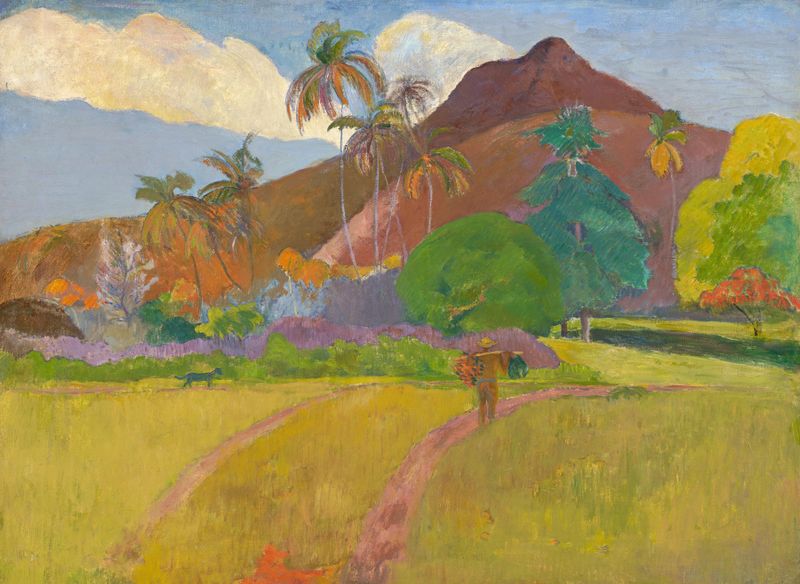
Tahitian Landscape
Paul Gauguin

Landscape near Pont-Aven
Paul Gauguin

No te aha oe riri (Why Are You Angry?)
Paul Gauguin
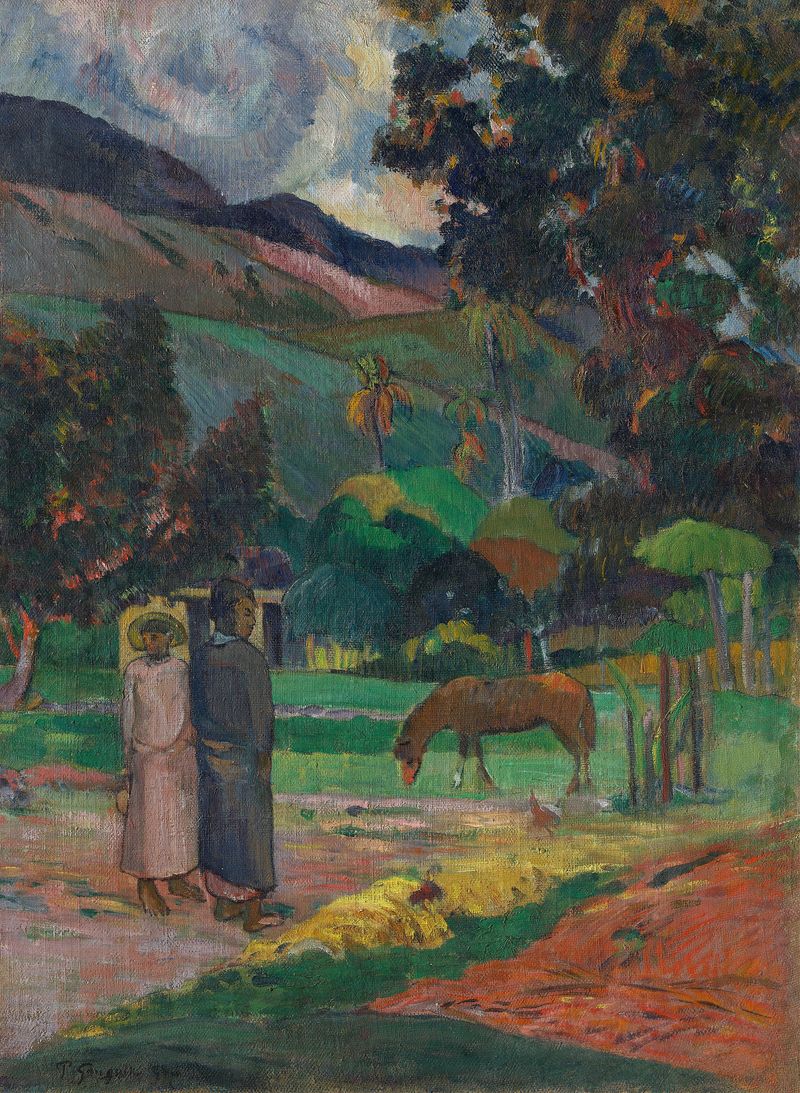
Tahitian Landscape
Paul Gauguin
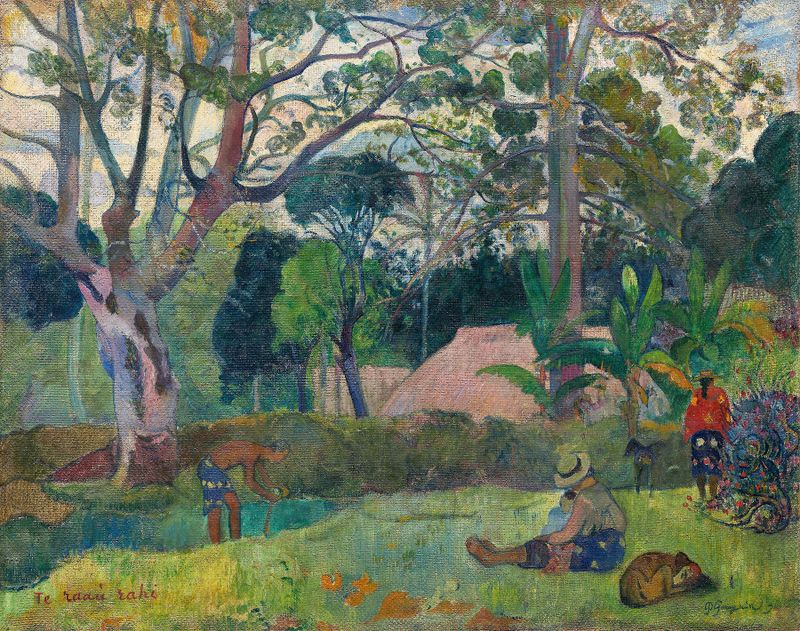
Te raau rahi (The Big Tree)
Paul Gauguin

Landscape at Le Pouldu
Paul Gauguin

Landscape of Brittany
Paul Gauguin

Poèmes Barbares
Paul Gauguin
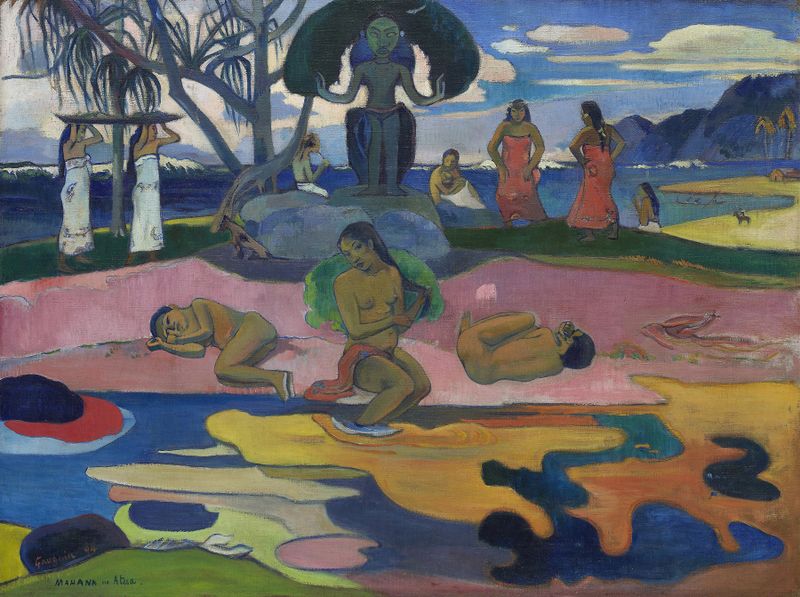
Mahana no atua (Day of the God)
Paul Gauguin





