
Paysanne Sur Une Route En Vue D’un Village — History & Facts
In a moment suspended between past and present, decay whispers through every brushstroke, echoing the fragility of existence. Look to the left at the solitary peasant trudging along the narrow road, her figure cloaked in earthy tones that harmonize with the lush greens and muted browns of the landscape. Notice how the gentle light casts soft shadows, illuminating her path while a distant village fades into a haze of dusk. The subtle interplay of light and shadow reveals the artist's deft hand, guiding the viewer's eye along the winding path that seems to stretch into eternity. Beneath the surface, the work encapsulates themes of solitude and persistence, as the peasant embodies the struggles of rural life.
The village, barely discernible, represents both a destination and an elusive dream, hinting at the tension between aspiration and reality. As life persists in its cyclical nature, the decay of the fading landscape speaks of time’s inexorable passage, framing the peasant’s journey as both personal and universal. This painting was created during a period of artistic transition in the mid-19th century, when Corot sought to capture the essence of nature and human experience. Living in Paris, surrounded by the burgeoning Impressionist movement, he endeavored to blend realism with a poetic sensibility, reflecting both his own perspective on the fragility of life and the broader shifts occurring in the world of art.
More Artworks by Jean-Baptiste-Camille Corot
Browse all →
View of Genoa
Jean-Baptiste-Camille Corot
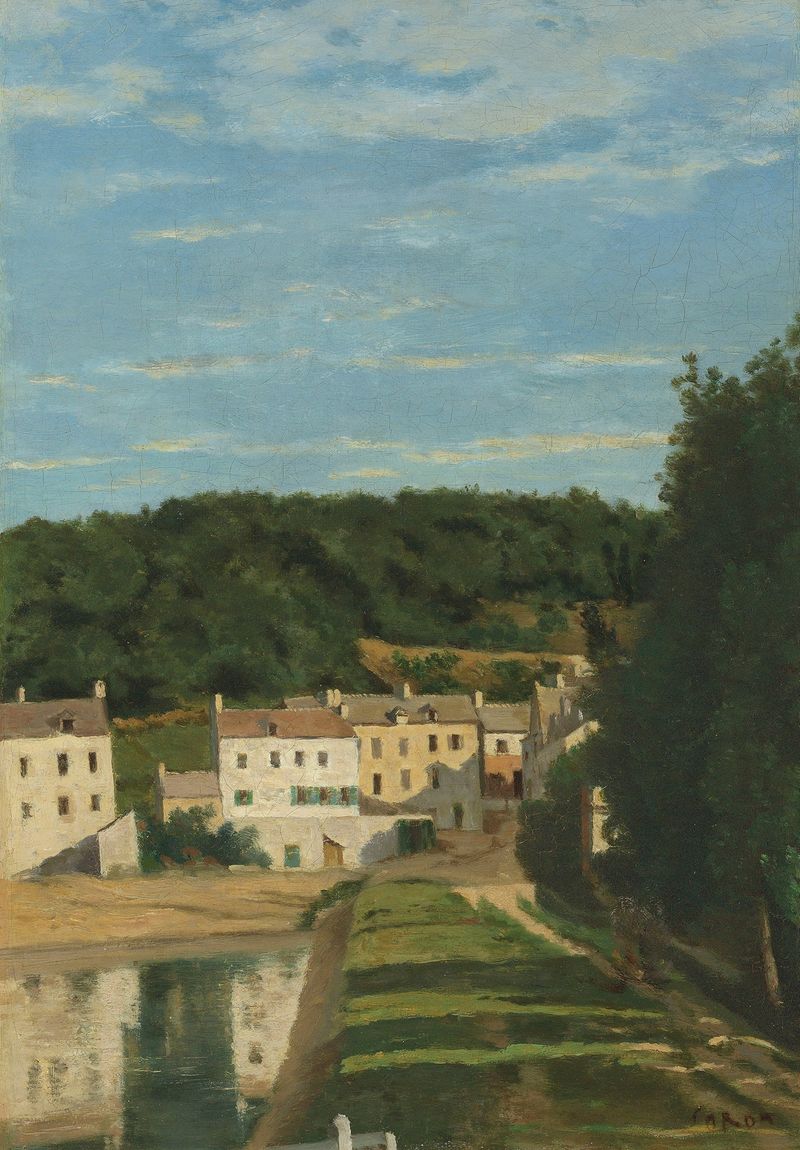
Les Maisons Cabassud À Ville D’avray
Jean-Baptiste-Camille Corot

La solitude. Souvenir de Vigen (Limousin)
Jean-Baptiste-Camille Corot
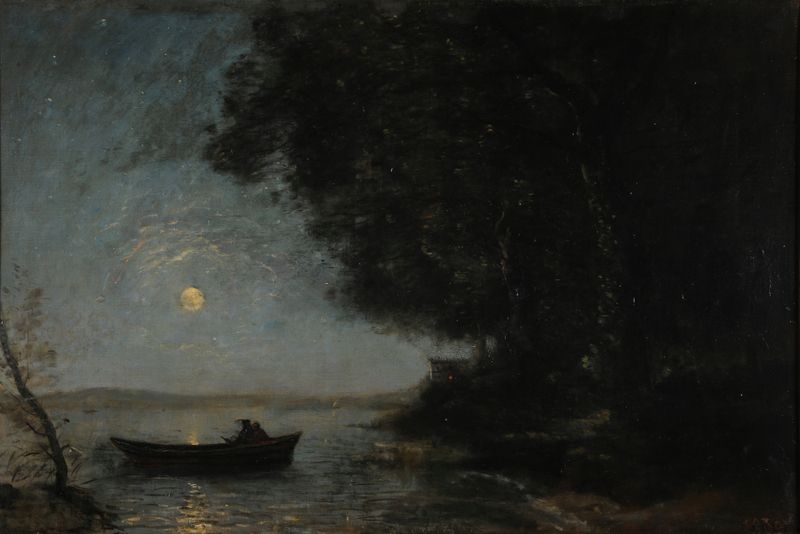
Le lac ; effet de nuit
Jean-Baptiste-Camille Corot
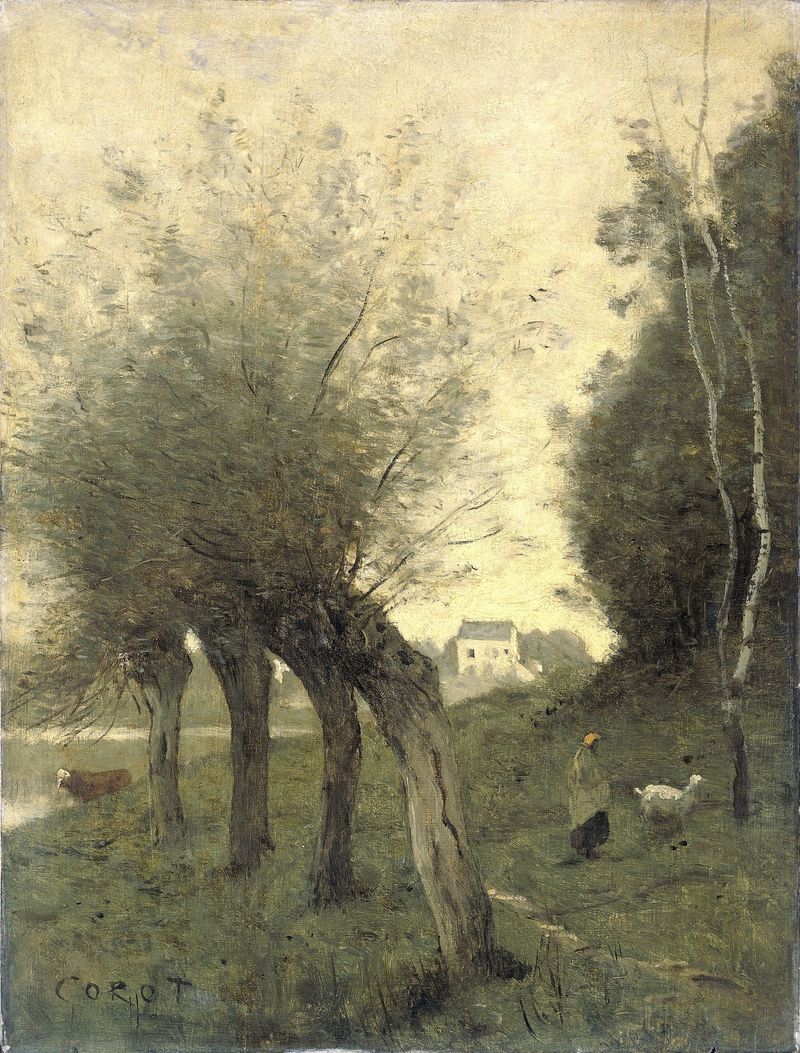
Landscape with Pollard Willows
Jean-Baptiste-Camille Corot
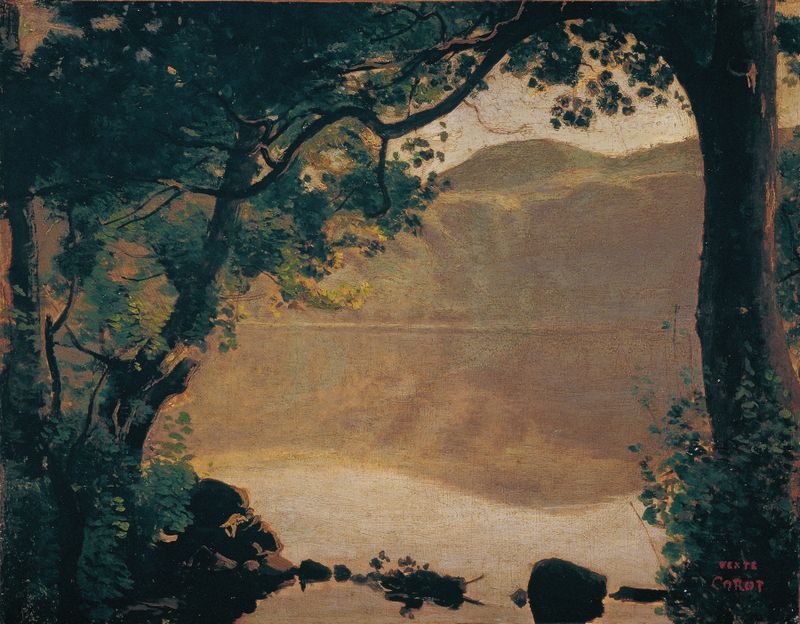
Der Nemisee
Jean-Baptiste-Camille Corot
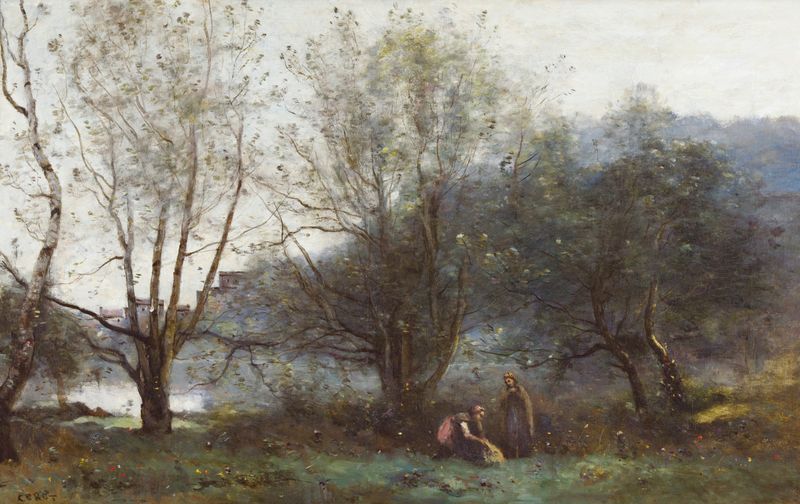
Les Étangs De Ville D’avray
Jean-Baptiste-Camille Corot
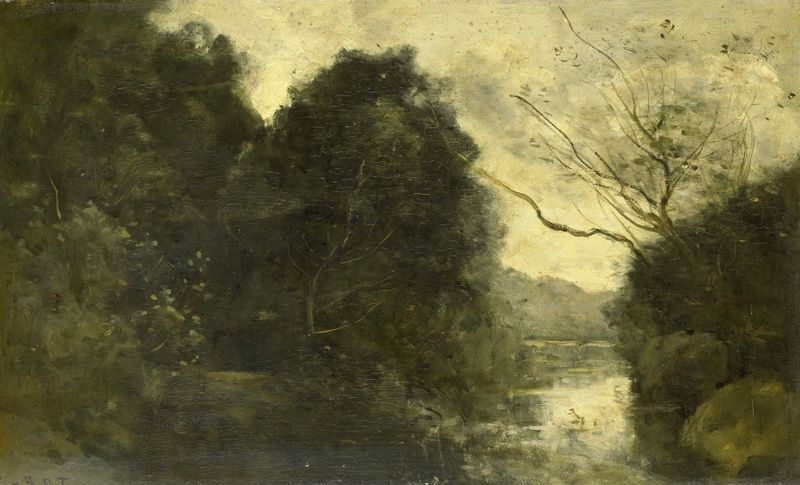
Pond in the Woods
Jean-Baptiste-Camille Corot
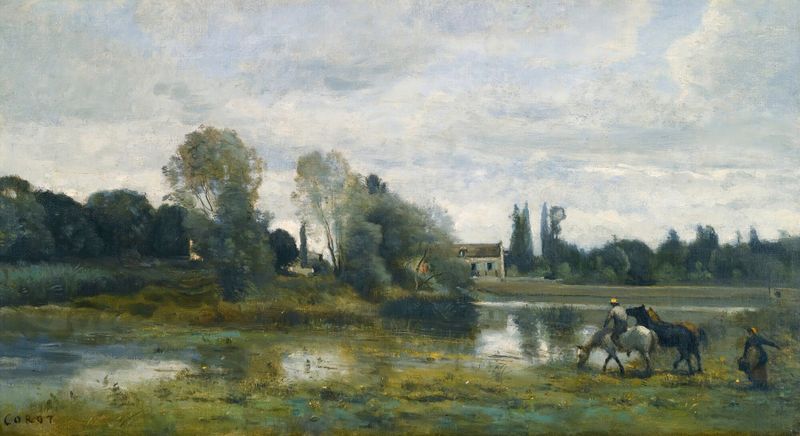
Ville D’avray; L’abreuvoir Des Chevaux
Jean-Baptiste-Camille Corot
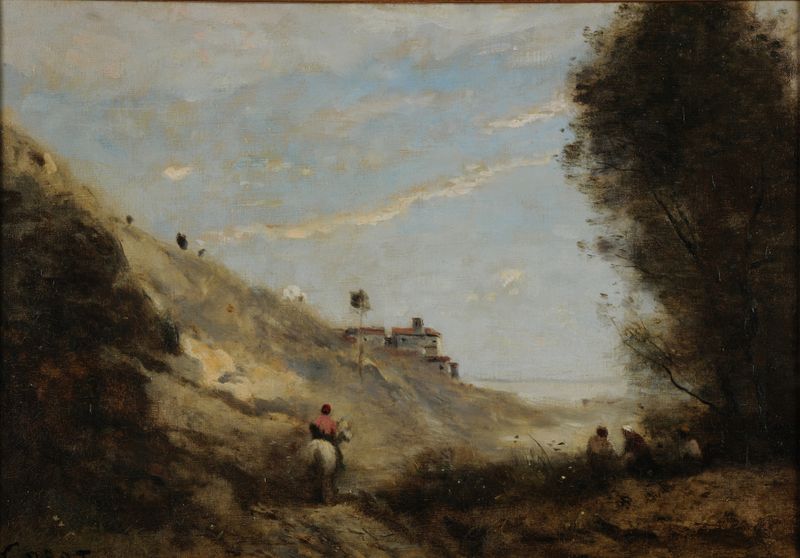
Le vallon au cavalier
Jean-Baptiste-Camille Corot





